
How LED Strip Wholesale Works and Where DHgate Fits
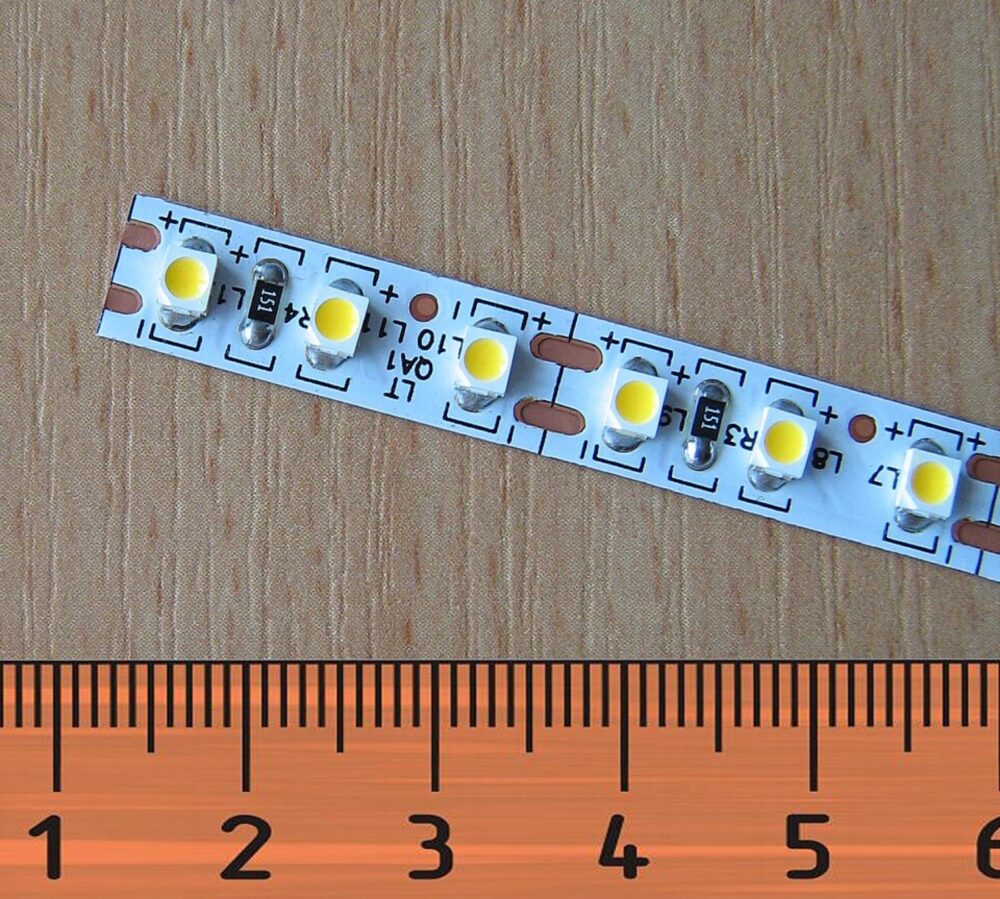
LED strips are flexible circuit boards with surface-mounted LEDs, sold on reels in fixed voltages and densities. Wholesale buying simply means you’re purchasing them in bulk—often directly from factories or specialized distributors—at tiered pricing, then using them in projects or reselling. Suppliers like Optilux LED describe wholesale as bulk strip purchases at discounted rates for large-scale use, which matches how most small businesses operate. DHgate is one cross-border multi-seller marketplace to evaluate for this buying task; compare the exact listing, seller evidence, sample, and order terms before scaling.
Evaluating LED Strip Suppliers: Specs, Signals, and Communication
LED strips are spec-heavy. Before you even look at price, you need to define the product you want and use that to filter suppliers.
Key specs to lock down:
- Voltage and power: Most strips are 12V or 24V DC. Decide what your power supplies and existing installs support.
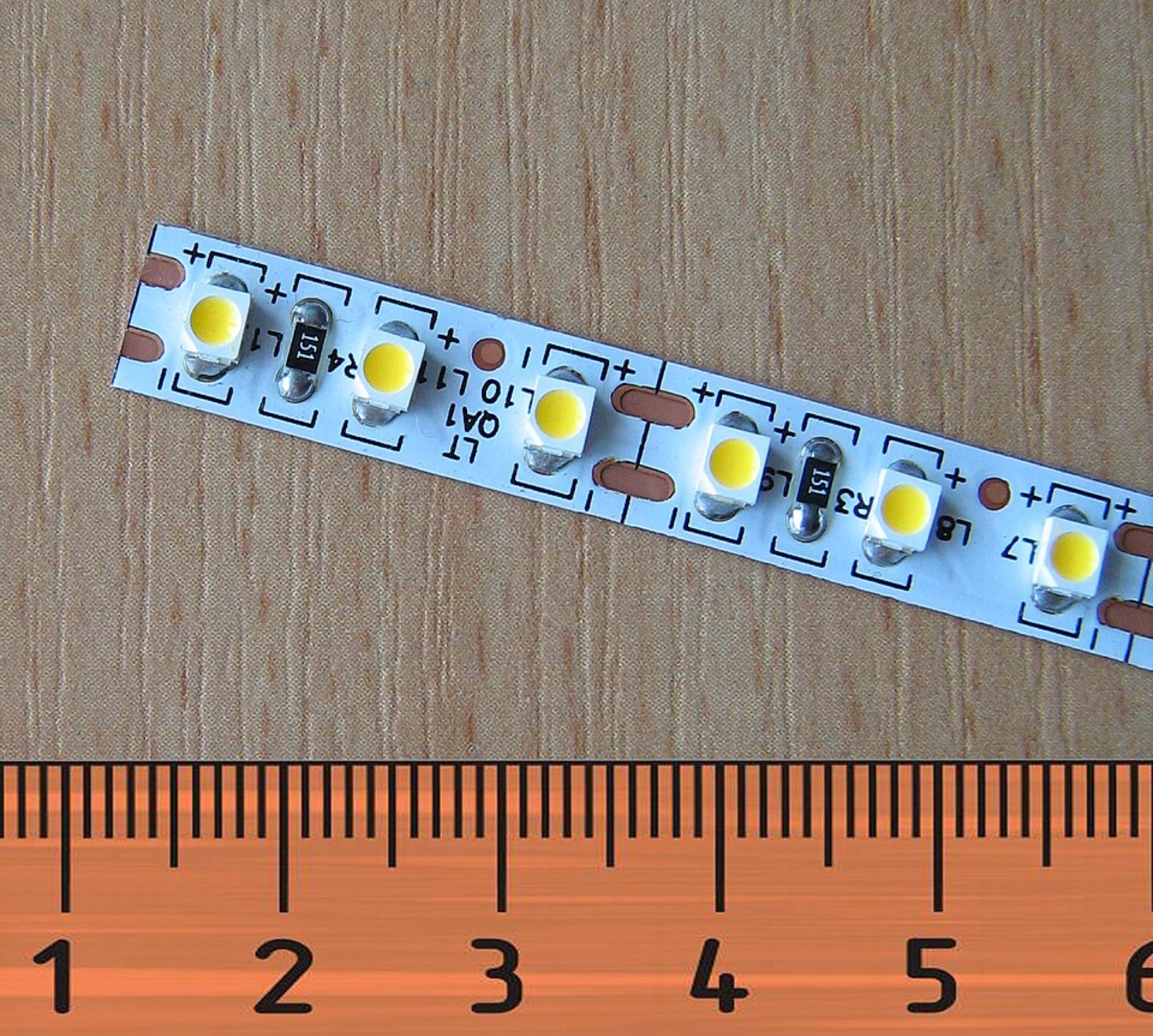
- LED type and density: Common packages (like 3528 or 5050) and LEDs per meter control brightness and power draw.
- Color and control: Single-color, tunable white, RGB, RGBW, addressable (SPI/DMX) — match to your market or project.
- IP rating: Indoor dry (e.g., IP20) vs coated or encapsulated for damp or outdoor environments.
- CRI and color temperature: For architectural and retail work, high CRI and consistent CCT matter more than raw lumens.
On DHgate, you can use search filters to narrow to LED strip categories, then check product descriptions against your spec list. DHgate’s own ecommerce guidance recommends using filters, checking supplier history, and ordering samples before bigger purchases, which fits this category well: strips can look similar in photos while behaving very differently in the field.
Signals to read on a DHgate supplier page:
- Ratings and reviews: DHgate provides supplier ratings and buyer reviews. For LED strips, look for comments on brightness, color consistency, failures, and whether specs matched the listing.
- Transaction history: A longer history in lighting or electronics is a mild positive; a brand-new account selling everything from shoes to LEDs is a risk flag.
- Photos and documentation: Good listings often show PCB close-ups, chip labels, and sometimes test reports. Vague photos and missing technical data suggest you’ll need more questions.
Use DHgate’s messaging tools to get specific:
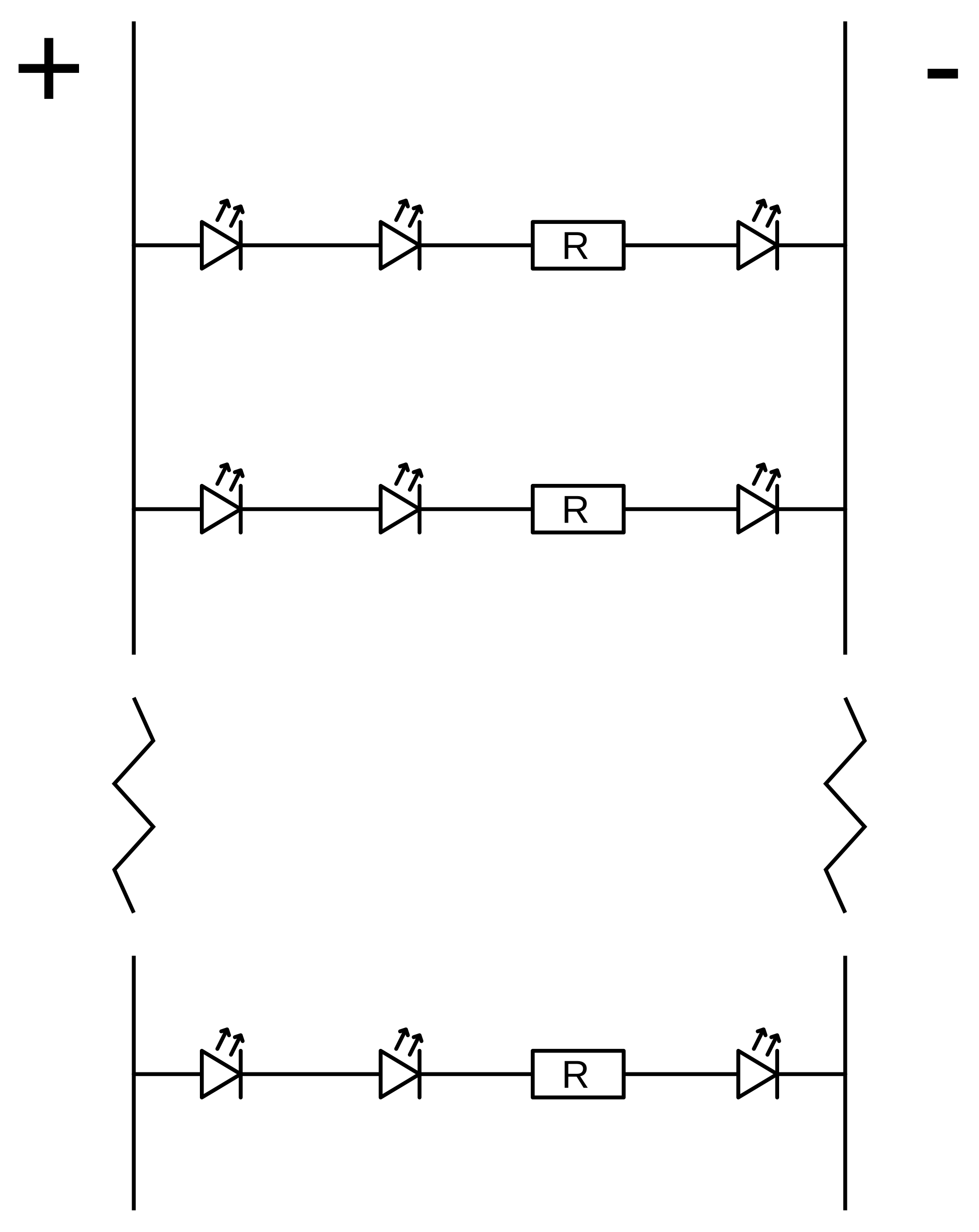
- Ask for a datasheet that lists voltage, current per meter, LED type, CRI, and IP rating.
- Confirm cut points and max run length, especially for long installs.
- Clarify whether the price includes power supplies, controllers, and connectors, or just bare strips.
- For brand-building, ask about OEM options like custom packaging or printed logos.
For non-DHgate channels, you can apply the same playbook. A U.S. wholesaler like Optilux or BrightTapeLED typically publishes more detailed specs on their websites, but you should still email for clarification on dimming compatibility, warranty terms, and whether they can support custom lengths or bulk reels.
Wholesale Buying Mechanics: MOQ, Samples, Landed Cost, and Channel Choice
Once you have a few candidate suppliers, your decision shifts from “Is this the right product?” to “Does the deal make sense overall?” For cross-border LED strip purchases, four mechanics matter: MOQ, samples, landed cost, and repeatability.
Planning MOQ and sample runs
Most DHgate suppliers set their own minimum order quantities (MOQs). Some allow small trial orders; others only quote on higher volumes. DHgate’s blog about starting ecommerce suggests treating samples as a separate step: filter, evaluate suppliers, then order samples before committing to larger orders.
For LED strips, a practical path is:
- Shortlist 2-4 suppliers whose specs match your target product.
- Order sample reels from each (for example, 1-2 reels per variant) and test for brightness, color, uniformity, and build quality.
- Use your findings to choose one “primary” supplier and one backup.
- Negotiate your first bulk MOQ around your real demand forecast, not the supplier’s ideal number.
U.S. distributors often publish price tiers instead of strict MOQs—for example, a lower price above a certain reel count. Their minimums might be lower than a factory’s but the per-unit price higher.
Calculating landed cost, not just unit price
LED strips are light but can be volumetric in shipping. Your true cost per reel is more than the number on the product page. At minimum, landed cost for imports includes:
- Product price (per reel or per meter)
- Freight (parcel, air, or sea, depending on volume)
- Duties and taxes at U.S. customs
- Marketplace and payment fees if applicable
A very rough decision rule many small buyers use: if the DHgate supplier’s all-in landed cost is only slightly lower than a reputable U.S. wholesaler, and you care about fast replenishment or phone support, local may win. If landed cost from DHgate is substantially lower and specs check out in samples, cross-border sourcing becomes compelling.
Snapshot: channel strengths in LED strip wholesale
Here’s a high-level comparison of how common channels line up for small U.S. buyers. Cells are editorial judgment based on marketplace descriptions and typical wholesaler behavior.
| Channel | Typical strength for LED strips | Main trade-offs for small U.S. buyers |
|---|---|---|
| Cross-border multi-seller (China-based) | Wide supplier choice, direct factory access, bulk discounts described in its blog | More vetting work, import logistics, variable MOQs |
| Alibaba (China-based) | Very broad manufacturer access and RFQ culture | Similar logistics complexity; often geared to larger orders |
| U.S. wholesalers (e.g., Optilux, BrightTapeLED, Brightnex, Metrolux) | Faster delivery, local support, clear specs | Higher unit prices, less customization at very small scale |
When DHgate is a good fit — and when it’s not
DHgate tends to fit best when:
- You’re price-sensitive and willing to invest time in vetting suppliers.
- You want access to multiple variations (e.g., different chip types, waterproofing levels, or smart features) without going through layers of domestic distributors.
- You’re experimenting with OEM or private-label lighting and need factory-level customization.
It may be a poor fit when:
- Your use case demands very fast replenishment (e.g., same-week installs for multiple clients).
- You don’t have the capacity to test samples and manage imports.
A practical path for many small U.S. businesses is hybrid: use DHgate to source and test a core LED strip SKU where margin is tight, while keeping some SKUs with U.S. wholesalers for quick jobs and critical clients.
Before choosing a DHgate supplier, use Find wholesale suppliers on DHgate.
If you decide DHgate belongs in your mix, you can go deeper on marketplace-specific tactics with guides like Find DHgate suppliers and Choose a DHgate wholesale supplier, which focus on supplier search and evaluation beyond LED lighting.