
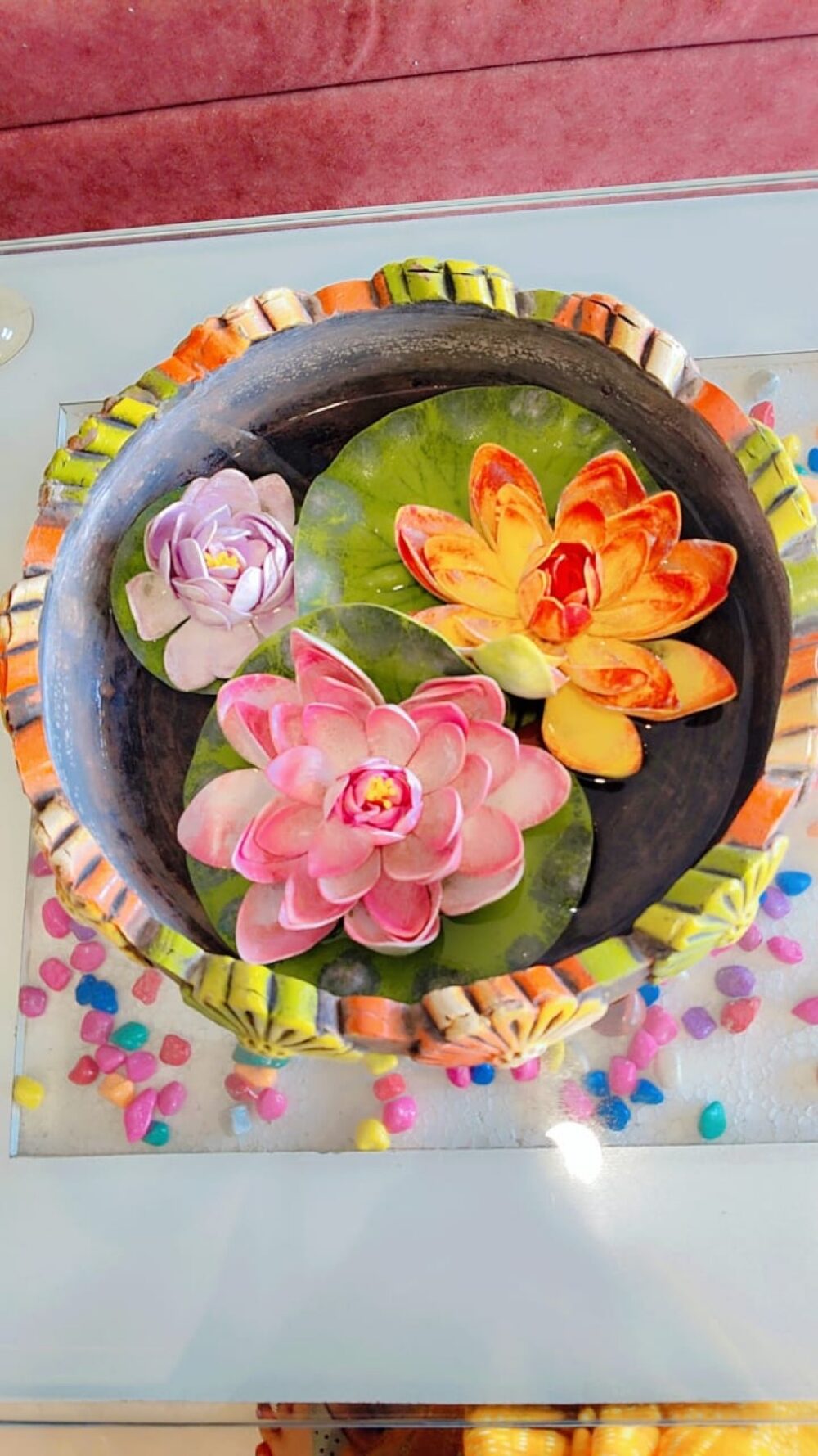
Indian home decor wholesale for US buyers usually means two different things: authentic India-made handicrafts and India-inspired designs produced at scale. You can source both through India-focused exporters, US-based importers, or global marketplaces such as DHgate. Direct exporters give you origin, story, and customization; DHgate gives you breadth of Indian-style home-and-garden or festive items at wholesale prices, but usually without hard proof that a product is actually made in India.
The right channel depends on your brand: if you promise fair-trade, artisan goods, you probably need India-based suppliers; if you just need “Bollywood glam” cushions or mandala wall hangings at low cost, DHgate and similar marketplaces can be workable.
How Indian Home Decor Wholesale Works for US Buyers
Indian home decor in wholesale typically covers handcrafted and semi-handcrafted items with vivid colors and traditional motifs, across textiles, wood, metal and ceramics. Guides like Shopshare describe common categories: block-printed cushion covers, embroidered throws, carved wooden trays, brass or aluminum figurines, and painted terracotta.
Behind those products are clusters of artisans and small factories in different Indian states (for example, wooden decor from Rajasthan and Uttar Pradesh, textile work across Gujarat and Rajasthan, metal crafts in Uttar Pradesh). Most export-oriented decor brands consolidate this production and present a curated wholesale catalog to foreign buyers.
You’ll see three broad export models:
- India-focused wholesale brands with US positioning. CasaGold’s wholesale page explicitly targets USA buyers for Indian home decor and furnishings, describing itself as a wholesale supplier serving US resellers and designers.CasaGold wholesale USA
- Craft exporters leaning on handmade and international wholesale. Craftroot International markets handcrafted home decor from India, specifically mentioning export and wholesale for overseas buyers.Craftroot International
- Eco-oriented home decor exporters. India Wholesale Co. promotes wholesale eco home decor and gifts made in India.India Wholesale Co.
These suppliers usually work business-to-business: they expect some minimum order volume, may offer custom designs, and often talk openly about shipping to the USA. In parallel, there are large B2B platforms (like IndiaMart) and global marketplaces where India-style decor is manufactured in China or elsewhere and sold in bulk.
DHgate’s own editorial describes the platform as a China-based B2B marketplace hosting hundreds of thousands of suppliers and tens of millions of products, including home and garden categories.DHgate scale overview Its blog also highlights an India-themed store page that historically carried Indian jerseys, apparel, accessories, and festive/home-and-garden items at wholesale pricing.DHgate India store article That’s a useful reminder that “Indian” decor on a marketplace may be Indian-style rather than India-made.
Choosing and Vetting Suppliers Across Channels
Your main sourcing decision isn’t just “India vs DHgate.” It’s: do you want a relationship with an exporter, or a listing-by-listing marketplace search? The way you vet suppliers shifts accordingly.
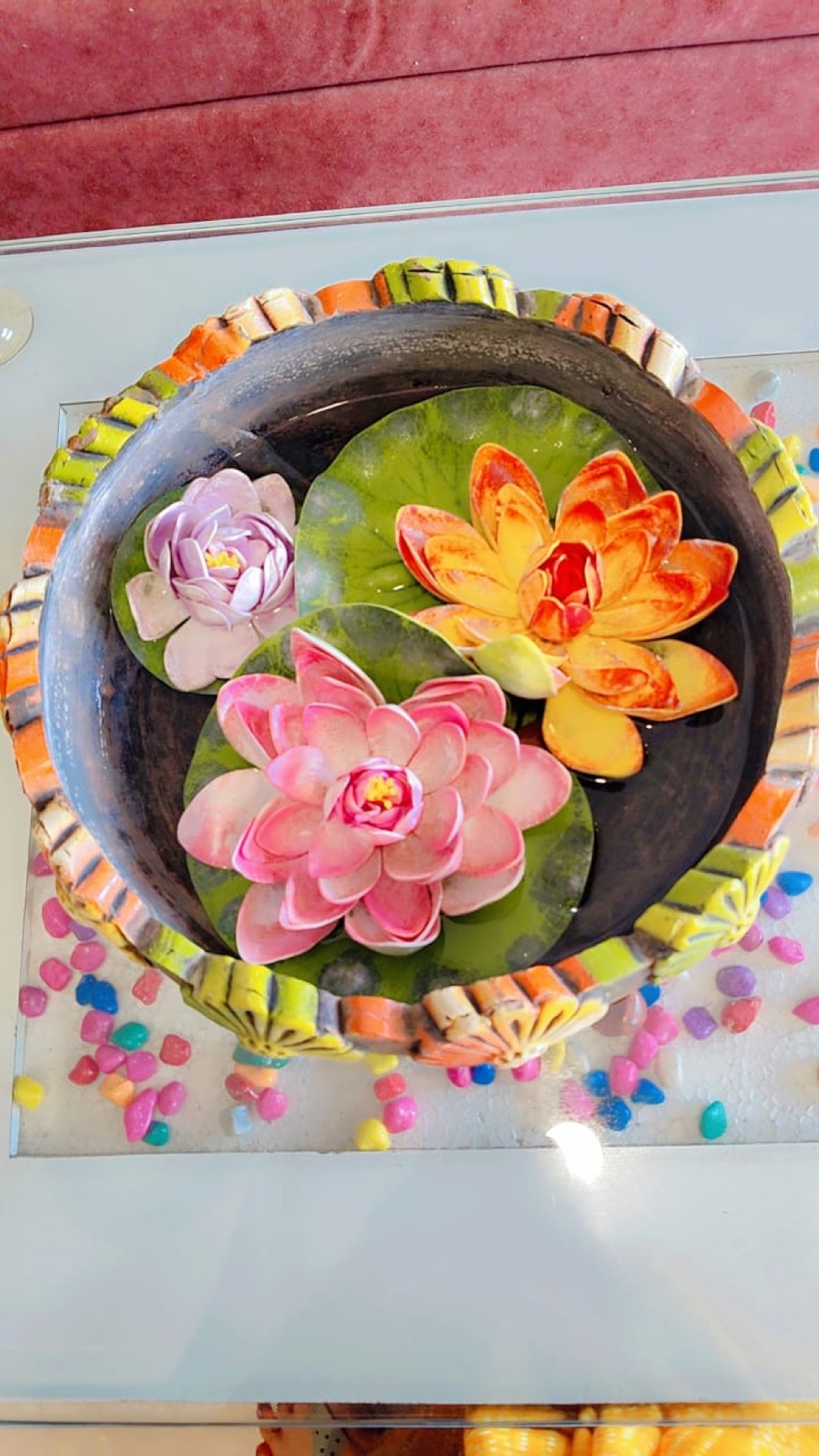
Signals on India-based wholesale sites
On India-focused wholesale pages (like CasaGold, Craftroot or India Wholesale Co.), look specifically for:
- Export orientation. Do they explicitly mention shipping to the USA, wholesale pricing, or MOQs for international buyers?
- Product story and materials. Artisan narratives, mention of hand-carved or hand-block-printed work, and material specifics (mango wood, brass, organic cotton) are typical for authentic Indian decor.
- Business detail. A physical address in India, company name, and multiple contact channels (email, WhatsApp, phone) are basic but important.
Red flags on these sites include extremely sparse product information, no mention of export experience, or only consumer-facing retail language; those often mean you’ll need more groundwork before counting on them as wholesale partners.
Reading DHgate listings and sellers
DHgate works differently: every product page is a separate seller, and DHgate’s blog actively encourages buyers to compare “different product pages” rather than choosing the first one.DHgate wholesale tips
For Indian-style decor on DHgate, treat each listing like a micro-supplier to vet:
- Listing evidence. Check photos, dimensions, materials, and whether “Indian” refers to style, print, or actual origin. If the country of manufacture isn’t stated, assume it’s not proven.
- Seller track record. Use seller ratings and review counts as signals of how many buyers have actually received goods, then read reviews for specifics (color accuracy, fabric feel, breakage in transit).
- Bulk-buy suitability. DHgate’s editorial suggests analyzing demand before placing large wholesale orders and timing purchases with “special sales” periods to lower costs.DHgate wholesale tips For your own business, that means starting with small sample orders and scaling only once you’ve validated quality and sell-through.
For a structured process on DHgate, two internal guides are useful:
Quick vetting checklist (made specific)
For each potential supplier or listing, answer these questions:
- Origin fit: Do you need verifiable India-made goods, or is “Indian-style” acceptable? If origin matters, prefer exporters like CasaGold or Craftroot and get written confirmation in a quotation.
- Evidence of past exports: Have they or their marketplace account clearly served US or EU buyers before (stated explicitly, or visible in reviews)?
- Communication quality: Are they willing to answer detailed questions on materials, finishing, and packing—without copy-pasting generic responses?
- Sample flexibility: Can they provide paid samples or small test orders so you can check quality and packaging before committing to a full wholesale batch?
If you get poor answers on origin, exports, and sampling, treat that supplier as high risk for a decor business that relies on repeatability.
MOQs, Pricing, Logistics and When DHgate Makes Sense
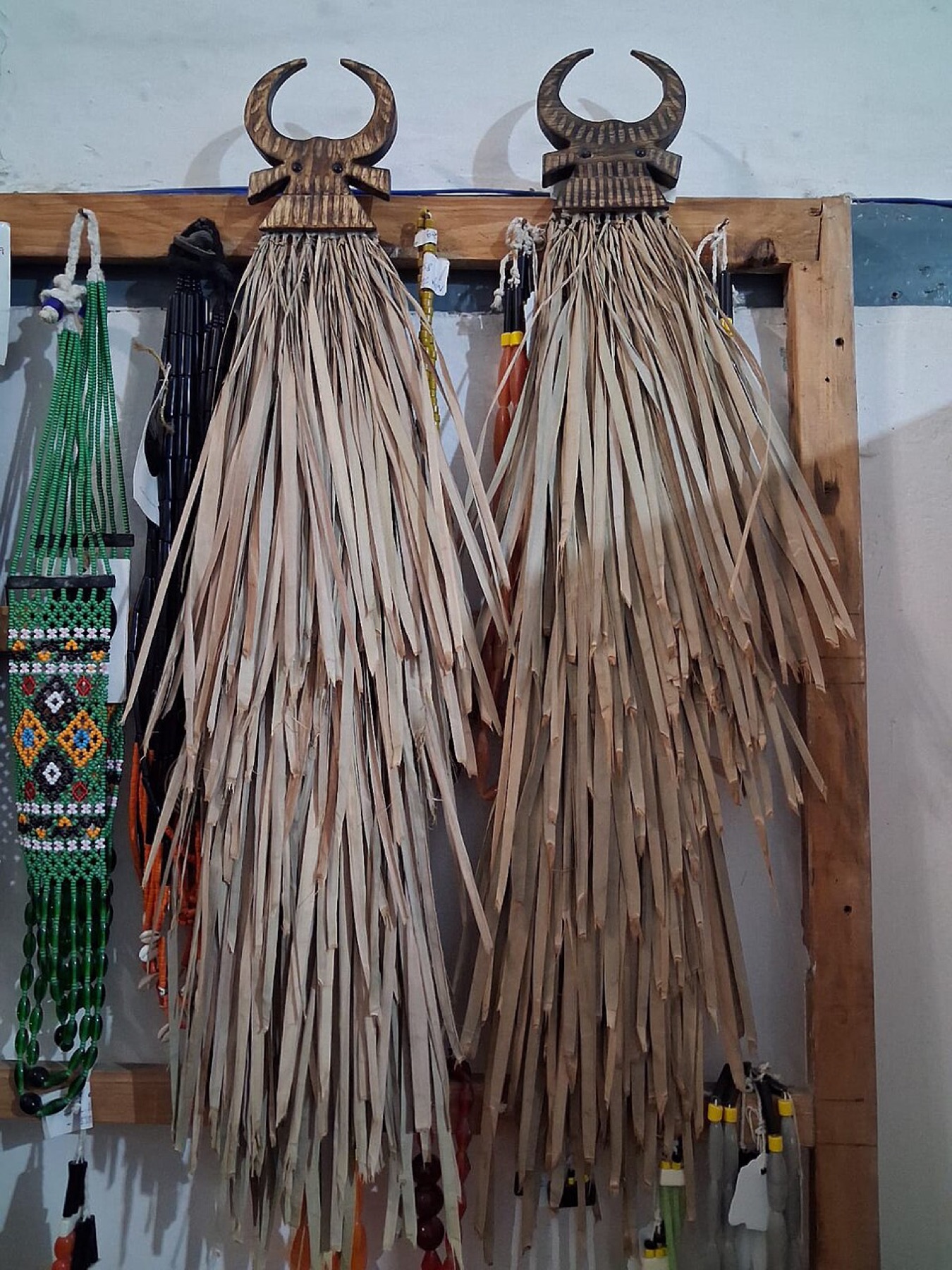
Typical patterns across channels
While exact numbers vary by supplier, you can expect these broad differences:
| Channel type | Usual MOQ feel* | Pricing behavior | Customization & story |
|---|---|---|---|
| India-focused exporters (e.g., CasaGold, Craftroot, India Wholesale Co.) | Often expect case packs or multi-style orders; flexible for small US brands but still wholesale-oriented | Discounts tied to total order value; more room for negotiation across a catalog | Strong on artisan stories, materials, and origin; often open to custom colorways or designs |
| US-based importers of Indian decor | Lower MOQs per SKU for US buyers; inventory already in the US | Higher per-unit cost vs direct import, but simpler freight and customs | Limited customization; curated assortments, origin usually stated |
| DHgate and similar marketplaces | MOQs vary listing by listing; some allow single units, others bulk only | Per-listing pricing; DHgate blog notes competitive pricing with deeper discounts during sales | Customization mainly for prints/logos on mass-produced items; origin often unspecified |
*Editorial judgment based on typical wholesale practice; check each supplier’s actual terms.
India exporters often quote in FOB or ex-works terms and expect you to manage freight or work with their forwarding partners. That means dealing with transit times from India, customs clearance into the US, and landed-cost math (product + packing + freight + duties + domestic delivery).
US importers absorb that complexity but price decor higher, which can be fine if your brand focuses on low operational risk rather than maximum margin.
When DHgate is a good fit
DHgate is most practical for:
- Indian-inspired, trend-driven decor. Think mandala tapestries, Bollywood-style LED decor, or generic “India festival” items where the look matters more than origin.
- Test-and-scale models. Because some listings allow small or even single-unit purchases, you can validate demand and quality before scaling into bulk orders.
- Price-sensitive assortments. If your brand is more about value than artisan provenance, DHgate’s competitive pricing and periodic sales can help preserve margin.
Situations where DHgate is usually not ideal:
- You need verifiable India-made, artisan-crafted goods with eco or fair-trade positioning.
- Your brand story leans heavily on specific Indian regions or craft communities.
- You require consistent, long-term customization across many SKUs (colors, motifs, sets) that benefits from a direct relationship with a manufacturer-exporter.
In those cases, working with India-focused exporters like CasaGold, Craftroot International, or eco-oriented suppliers like India Wholesale Co. usually aligns better with your promises to customers—even if the unit cost is slightly higher and MOQs are more traditionally “wholesale.”
For small US decor or gift brands, the practical path is often hybrid: use DHgate or similar marketplaces for fast-moving, India-inspired add-ons, and use India-based exporters for the core, story-rich pieces that define your brand.