
If you only need decorative or light‑duty cordage for packaging, crafts, or rustic decor, you should source jute rope. If you need lifting, rigging, or structural support for machinery, construction, or safety‑critical systems, you must source wire rope and comply with local technical standards. From there, the right buying route depends on your volume and specs: small AE businesses often use general marketplaces or regional distributors for modest jute orders, while serious industrial wire‑rope buyers work with specialized manufacturers or B2B platforms and freight forwarders.
How Jute Rope and Wire Rope Differ in the Wholesale Market
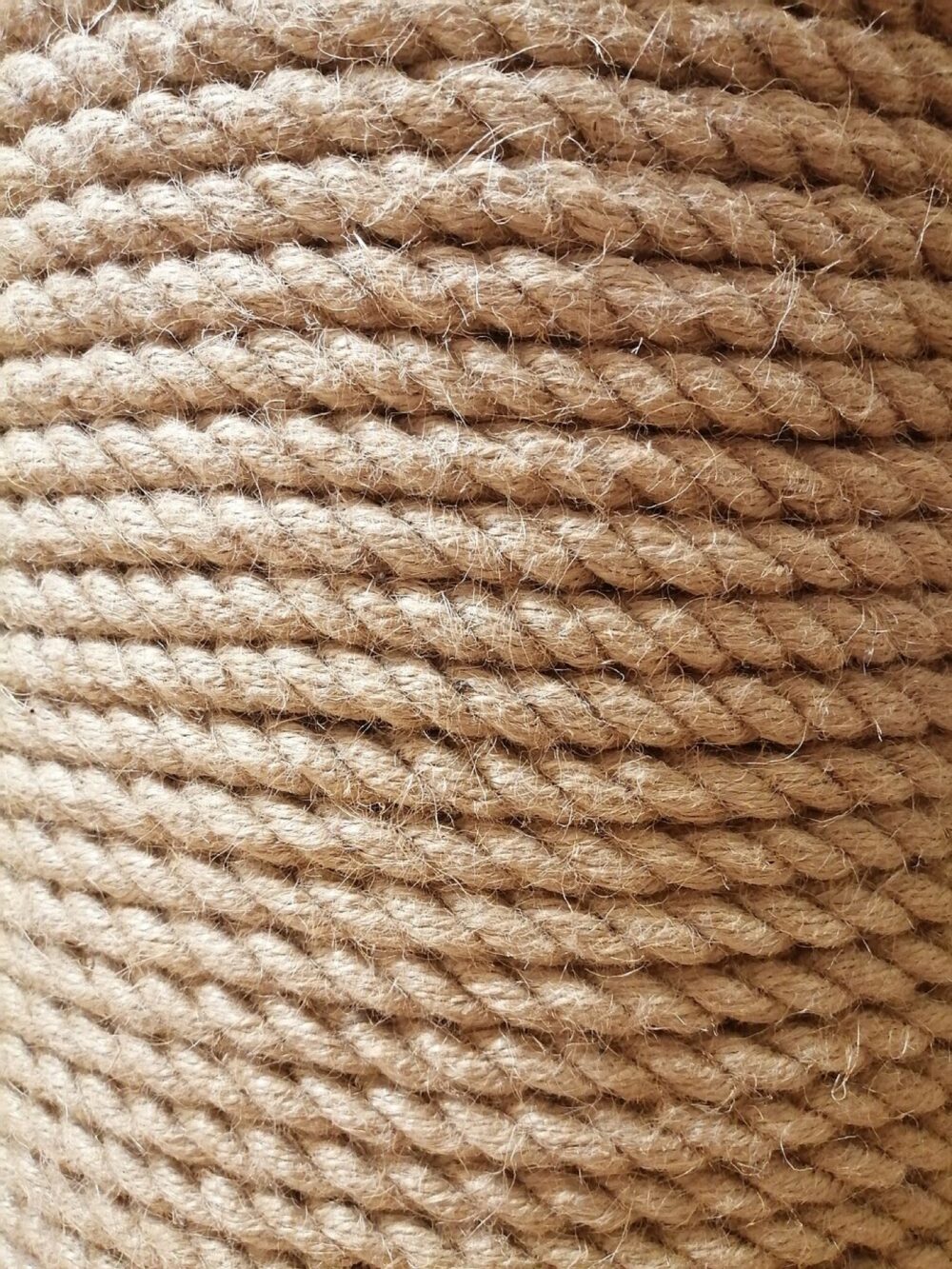
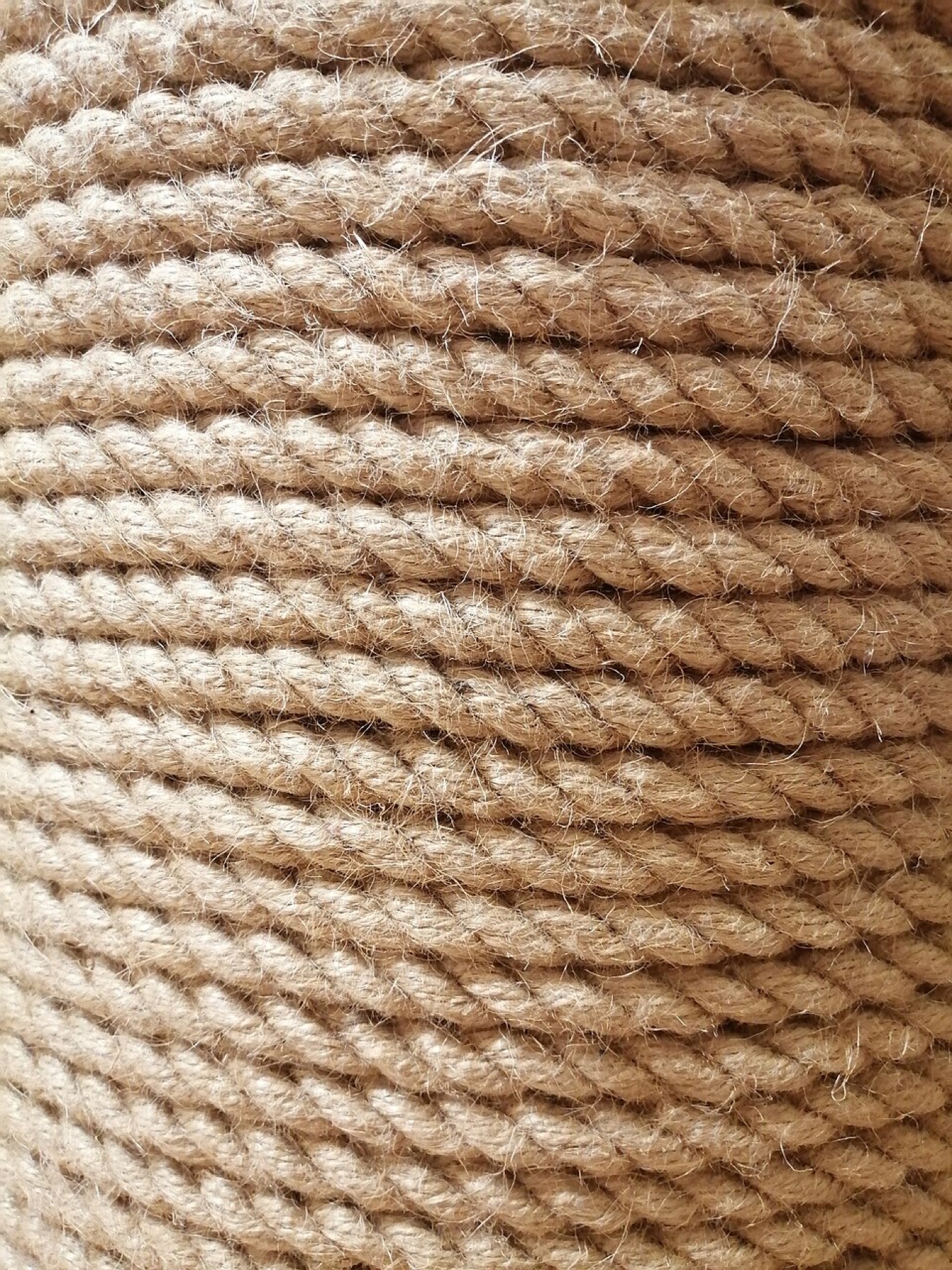
Jute rope is made from natural jute fibers twisted into yarns and then laid up into cordage. Commercial jute products are widely sold as decorative, packaging, and craft cordage—think gift wrapping, gardening, and DIY decor pieces—rather than heavy‑duty load‑bearing rope. The Corbeo jute collections overview shows this positioning clearly: jute cords are marketed for their natural look and eco appeal, not for high mechanical performance.
Wire rope, by contrast, is a metal rope made from several strands of steel or other metal wire laid around a core. It’s used for cranes, elevators, hoists, mining, and other heavy lifting and tension applications. The wire rope overview emphasizes that its design (strand pattern, core type, coatings) is engineered for strength, fatigue resistance, and safety.
In the wholesale market this creates two almost separate ecosystems:
- Jute rope supply chain: Fiber cultivation and spinning (often in South Asia), then cordage mills producing spools and hanks. Bulk jute moves through packaging suppliers, craft/DIY wholesalers, and general B2B platforms. Product differentiation is mainly diameter, ply count, color, and packaging.
- Wire rope supply chain: Steel production, wire drawing, then specialized wire‑rope manufacturers. Product flows through rigging shops, industrial distributors, and direct OEM supply. Differentiation is far more technical: construction (e.g., 6×19, 7×7), breaking strength, coatings, and certifications.
If you’re sourcing cross‑border, treating these as interchangeable is a safety risk. Use jute only for decorative or non‑critical tying. For anything that bears load—lifting platforms, winches, safety barriers—specify wire rope and work with suppliers who can document compliance with relevant standards.
Evaluating Rope Suppliers for Cross‑Border Bulk Orders
Online, you’ll see everything from small craft brands selling 100‑ft jute coils to industrial firms offering multi‑ton wire‑rope reels. The way you vet them should reflect how specific your use case and risk are.
Make your spec sheet product‑specific
Before you message any supplier, draft a simple spec sheet:
- For jute rope: diameter (e.g., 6 mm), ply (2‑ply vs 3‑ply), color/natural vs dyed, rough or smooth finish, spool/hank length, packaging type (retail rolls vs bulk spools), and allowed fiber variation. If you’re reselling for crafts, cosmetic consistency matters more than absolute strength.
- For wire rope: material (galvanized carbon steel, stainless), construction (e.g., 7×7 or 6×19), nominal diameter, required minimum breaking load, core type (fiber vs steel), and any standard you must meet (such as local lifting gear regulations). Add requirements for end fittings (thimbles, swaged eyes) if you need assemblies.
Suppliers that respond with clear spec confirmations, drawings (for wire rope), or datasheets are usually better equipped for repeat wholesale business than those who only answer with “yes, we can do” and a single photo.
Use real listings to sanity‑check their range
General marketplaces give you quick signals about product focus. For example, Amazon lists multi‑size bulk jute twine where buyers can choose lengths from tens of meters up to longer spools in one product family—these listings are clearly targeted at gardening, packaging, and hobby use, not industrial rigging. See a bulk jute twine example for typical positioning.
On eBay, you’ll find thick natural jute rope sold in 100‑ft (around 30 m) coils with product copy stressing functional, affordable rope for everyday projects rather than technical performance. A 100‑ft natural jute rope listing is the kind of offer that fits a small AE ecommerce brand bundling jute rope with decor or garden products.
If a seller claims they supply both jute craft cord and serious wire rope, look for segregated catalogs: wire‑rope products should have construction codes and strength data, while jute should have diameter and aesthetic details. Mixing them under vague “rope” descriptions is a red flag.
Communication and sampling tailored to rope
For jute, sampling is often about appearance and feel. Ask for short sample lengths across the diameters you care about, then check:
- Color consistency across batches
- Amount of shedding or loose fibers
- Smell (strong chemical odors can indicate harsh treatments that might put off eco‑focused customers)
For wire rope, sampling is about verifying construction and documentation, not doing your own destructive testing. Request cut sections and certificates or test reports that show:
- Construction pattern matches your spec
- Material type and coating (e.g., galvanized vs bare)
- Stated minimum breaking load and applicable standard
Never treat a supplier’s email assurance as a safety guarantee—have your own engineer or local regulator review documentation before you deploy wire rope in lifting or fall‑protection systems.
Order Size, Pricing, and Choosing an Online Channel
Pricing for both jute and wire rope is driven by diameter, material, finish, and how efficiently the supplier can package and ship your order. For cross‑border buyers, you should think in landed cost: product price + packaging + international freight + duties + last‑mile delivery.
How MOQ and customization usually play out
As editorial guidance (not hard rules):
- Small jute buyers (a few hundred meters total) get better value from marketplaces and regional wholesalers who already stock common diameters (roughly 2-10 mm) on spools, with no MOQ beyond a single listing.
- Branded jute (custom color, private‑label packaging) typically pushes you toward B2B platforms or direct mills that will talk in terms of carton counts or spool totals, not individual rolls.
- Wire rope almost always starts at more serious volumes, because coil production and certification are set up for industrial demand. Even if a marketplace listing lets you buy one reel, freight and compliance costs make this route attractive mainly for professional users.
Channel fit for common jute and wire rope scenarios
Here’s a simple way to think about channels:
| Use case / volume | Likely channel | Evidence‑bound example |
|---|---|---|
| Jute for crafts, <500 m total | General marketplaces (Amazon, eBay) | Bulk jute twine packs and 100‑ft rope coils sold ready to ship. |
| Jute for branded packaging, ~1-5 km total | B2B platforms or direct cordage mills | Suppliers offering multiple diameters/colors with carton‑level MOQs. |
| Industrial wire rope, safety‑critical use | Specialized distributors or manufacturers | Offers with construction codes, breaking loads, standards. |
| Mixed light‑duty cordage for decor | Craft wholesalers or multi‑category B2B | Jute, cotton, and synthetic cords in assorted packs. |
Mini callout: don’t push jute past its safety limits
Jute is often described in DIY and craft circles as affordable, eco‑friendly, and versatile. Editorial content such as a DHgate blog piece on jute DIY projects uses that framing for home projects like plant hangers and baskets. That’s valid in the context of decor and light utility.
But those same traits do not make jute a substitute for wire rope. Jute absorbs moisture, degrades faster outdoors, and has far lower tensile strength than properly specified wire rope. Use jute where failure is cosmetic or mildly inconvenient. Whenever human safety, expensive equipment, or structural integrity is on the line, source wire rope and involve qualified professionals.
Where DHgate and similar B2B marketplaces can fit
Cross‑border marketplaces sit between general retail platforms and fully direct mill sourcing. As of 2026-10-09, product snapshots show that DHgate includes jute cordage and related products sold in multi‑meter lengths and multi‑piece packs to international buyers. For example, a listing titled “10-20m Jute Rope Cotton Strings Red White Twisted Cords Gift Bags Boxes Wrap Ribbon Wedding Birthday Christmas Party Supplies” appears in the sewing/DIY category and offers short rolls suitable for gift wrapping and decor rather than heavy industrial use. You can view this type of offer via a DHgate jute rope listing.
Listings like that can suit a small AE ecommerce shop that needs assorted jute and cotton strings for gift wrapping or seasonal decor, without commissioning a custom run. If you explore this route, treat each listing as its own micro‑supplier: check photos for fiber type and finish, review product titles and categories for clarity (is it really jute, or a jute‑look synthetic?), and ask the seller direct questions about diameter, spool length, and colorfastness before placing a larger order.
For more detail on working with DHgate generally, see:
- How to locate and evaluate wholesale sellers: Find wholesale suppliers on DHgate
- How to narrow those sellers down to a manageable shortlist: Choose a DHgate wholesale supplier
If none of the marketplace or B2B options can document the performance you need—especially for wire rope—your safest move is to work through a regional industrial distributor who already handles compliance and provides local after‑sales support.
Sourcing jute rope and wire rope cross‑border starts with one decision: are you in the business of decor and packaging, or in the business of lifting and structural safety? Once that’s clear, choose suppliers and channels that match the technical demands of your use case, and keep your landed cost and risk profile in view rather than chasing the lowest unit price alone.