
You use Google Trends for dropshipping by treating it as your early-warning system for demand, then building SEO and sourcing plans around the signals it gives. Start by checking search interest over time for product ideas in the United States. If a term shows steadily rising or stable demand (not just a week-long spike), you turn that term into specific product keywords, create SEO-focused product pages around those keywords, and choose suppliers whose costs, lead times, and reliability can support the demand curve you see.
This only works if you connect the dots: trend graph → search intent → product specs → supplier economics. The sections below walk through that chain and help you avoid chasing fads that look exciting in Google Trends but collapse before your first shipment lands.
How Google Trends Shapes Dropshipping Niches and SEO Keywords
Google Trends is a free tool from Google that shows relative search interest for terms over time, broken down by region and topic. It doesn’t give you raw search volume, but it does show how interest for a query like `portable blender` in the US moves from “barely searched” to “popular” over months or years.
When you plug a term into Google Trends, focus on three views:
- Interest over time (graph)
Set the location to United States and time range to at least 12 months. You’re looking for:
- A steady uptrend with minor bumps: good for building a niche brand and SEO content.
- A clear seasonal pattern (e.g., spikes every June): good if you can live with seasonal cash flow.
- A sharp spike then drop: usually a fad or news event. High risk for cross-border dropshipping.
- Related queries
Scroll down to “Related queries.” This is where many dropshippers find their actual SEO keywords. For example, if “ice bath tub” is rising, related queries might show “portable ice bath,” “outdoor ice bath,” or “foldable ice bath”. Each of those is a potential product page keyword and a cue about features buyers care about—portable, outdoor, foldable.
- Compare terms and niches
Use the “Compare” function to stack two or more ideas. A lot of editorial guidance on dropshipping, like Doba’s guide to using Google Trends for scaling a dropshipping business, treats comparison as a core step: you don’t just look at “pet grooming,” you compare “dog nail grinder” vs “pet grooming kit” vs “dog shedding brush” to see which pattern looks more sustainable.
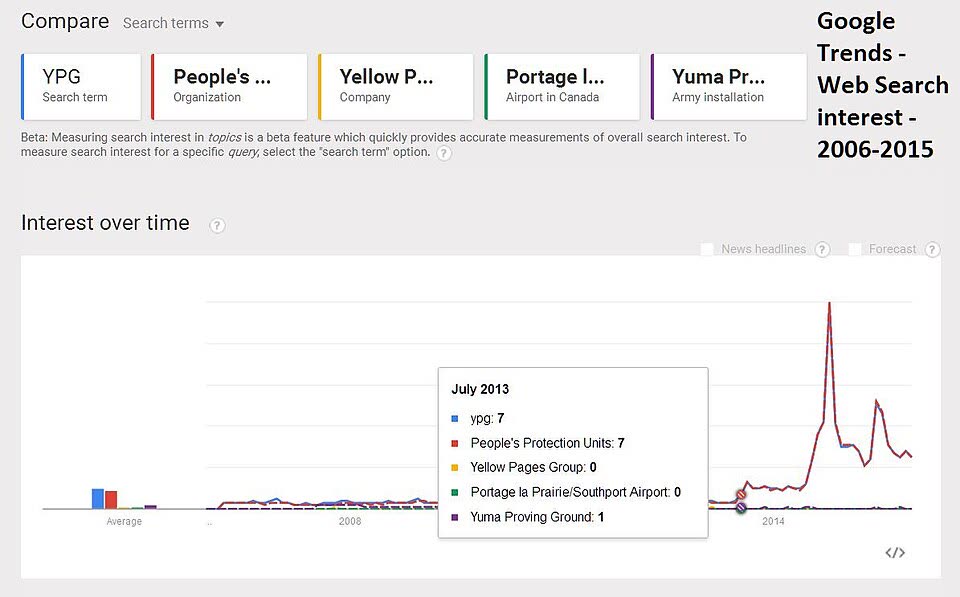
Used this way, Google Trends is not telling you “this product will make money.” It’s telling you which buyer problems and phrases are becoming more common, which is exactly where SEO and product selection should overlap.
From Trend Data to Suppliers: Matching Keywords to Real Products
Once you spot promising trends, you need to convert search lines into product SKUs and supplier checks, not just TikTok ideas.
A practical workflow looks like this:
- Turn trend queries into product specs
Take your rising related queries and write down what a product would have to be to satisfy them. Using the “portable ice bath” example:
- Material: waterproof, sturdy but foldable
- Capacity: fits one adult
- Use case: backyard, gym, travel
These become filters when you search suppliers and shape how you write SEO copy.
- Apply product selection criteria before you chase a spike
DHgate’s editorial content on dropshipping products highlights five generic criteria that are useful beyond any one platform: market demand, competition, profit margins, supplier reliability, and uniqueness. Use those as a checklist:
- Market demand: Your Trend curve should be rising or stable, not collapsing. Cross-check with at least one other data source: Amazon bestseller lists, TikTok hashtags, or niche forums.
- Competition: Search your main keyword in Google and on marketplaces. If page one is dominated by big brands with hundreds of reviews, you’ll need a stronger angle or a long-tail keyword (e.g., “foldable ice bath for athletes” instead of just “ice bath”).
- Profit margins: Estimate retail price from existing listings, then search wholesale suppliers and note their price ranges. Editorial advice from DHgate’s blog suggests looking for healthy percentage margins; don’t build a store around a product where your per-unit margin collapses after ad costs.
- Supplier reliability: Read reviews and check how long suppliers have been active. You’re looking for consistent feedback and reasonable responsiveness, not just the lowest price.
- Uniqueness: Products with a distinctive feature or design—different materials, bundled accessories, or a specific sub-niche—are easier to rank and convert.
- Connect SEO keywords directly to product titles and descriptions
Trends-driven phrases shouldn’t stay in a spreadsheet. They should show up in:
- Product titles: “Foldable Portable Ice Bath Tub for Home Recovery”
- Bullet points: “Portable design folds flat,” “Outdoor-ready material,” “Sized for one adult athlete”
- Blog content: “How to use a portable ice bath for post-workout recovery”
Dropshipping SEO guides like Shoplift’s product-page playbook emphasize aligning on-page text with actual search terms, not just clever branding. Your Google Trends list is a rich source of those terms.
- Sanity-check logistics against the trend curve
For cross-border sourcing, one of the biggest failures is chasing a spike that peaks before stock arrives. Use the trend graph to ask:
- Is this a multi-year uptrend? More forgiving if your supply chain is slow.
- Is it a flash trend (like a meme product)? Often better suited to local or domestic suppliers.
If you’re planning to ship from overseas manufacturers, favor niches where the line has been climbing or stable for months, not just days.
Mini example: trend to supplier short list
Say Google Trends shows US interest for “pet hair remover” rising steadily, and related queries include “reusable pet hair remover” and “pet hair remover for car.” Your steps:
- Keywords: “reusable pet hair remover,” “pet hair remover for car seats”.
- Product requirements: washable material, compact size, handle design that works in tight spaces.
- Supplier search: filter for products with those features, then apply the margin and reliability criteria above.
- SEO pages: one product page optimized around “reusable pet hair remover,” one category or blog page built around “pet hair remover for car seats” targeting long-tail intent.
Picking the Right Sourcing Channel for a Google-Trends-Backed Product
Google Trends doesn’t care where you source; it only shows demand. Your sourcing route determines how much of that demand you can safely tap.
Here’s a compact way to think about channels for trend-backed products:
| Sourcing route | Best fit trend pattern | Risk profile for US dropshippers | What you still have to verify |
|---|---|---|---|
| Cross-border marketplaces (Cross-border multi-seller, similar platforms) | Multi-month or multi-year uptrends; evergreen or slow-burn niches | Product variety and pricing can be attractive, but you must manage cross-border logistics and seller differences yourself | Individual seller pricing, product quality, handling times, and reviews on each listing |
| Other global platforms & agents | Similar to marketplaces but sometimes with more curated supplier pools | Often higher product cost but potentially easier communication; still exposed to distance and timing | Contract terms, real lead times, and any fees an agent charges |
| Local/US wholesalers | Strong seasonal spikes or short-lived trends where timing is critical | Usually higher unit costs but faster restocking and simpler returns; better for “here now” trends | Minimum order quantities, bulk discounts, and physical storage or 3PL options |
DHgate’s own editorial content suggests one common route for beginners: watch tools like Google Trends for rising interest, then explore marketplaces such as DHgate for products in that niche. That can work if you treat it as one option among several, not a shortcut. You should still:
- Vet each supplier separately by checking reviews and product history.
- Compare price ranges and margins against US retail prices.
- Decide if cross-border timing matches the trend curve you see.
For sharp, short-lived trends where the Google Trends graph looks like a steep spike, you may be better off with local wholesalers or domestic print-on-demand options. For slow-rising evergreen niches—pet care, home fitness accessories, storage solutions—global marketplaces and cross-border suppliers can make economic sense, provided your SEO and keyword work are disciplined.
In practice, the safest way to use Google Trends for dropshipping SEO and sourcing is simple: prioritize keywords and products where demand looks durable, build content around the exact phrases buyers use, and choose suppliers whose economics and timelines fit that durability. Trends data should push you toward sustainable niches, not lottery-ticket products.