
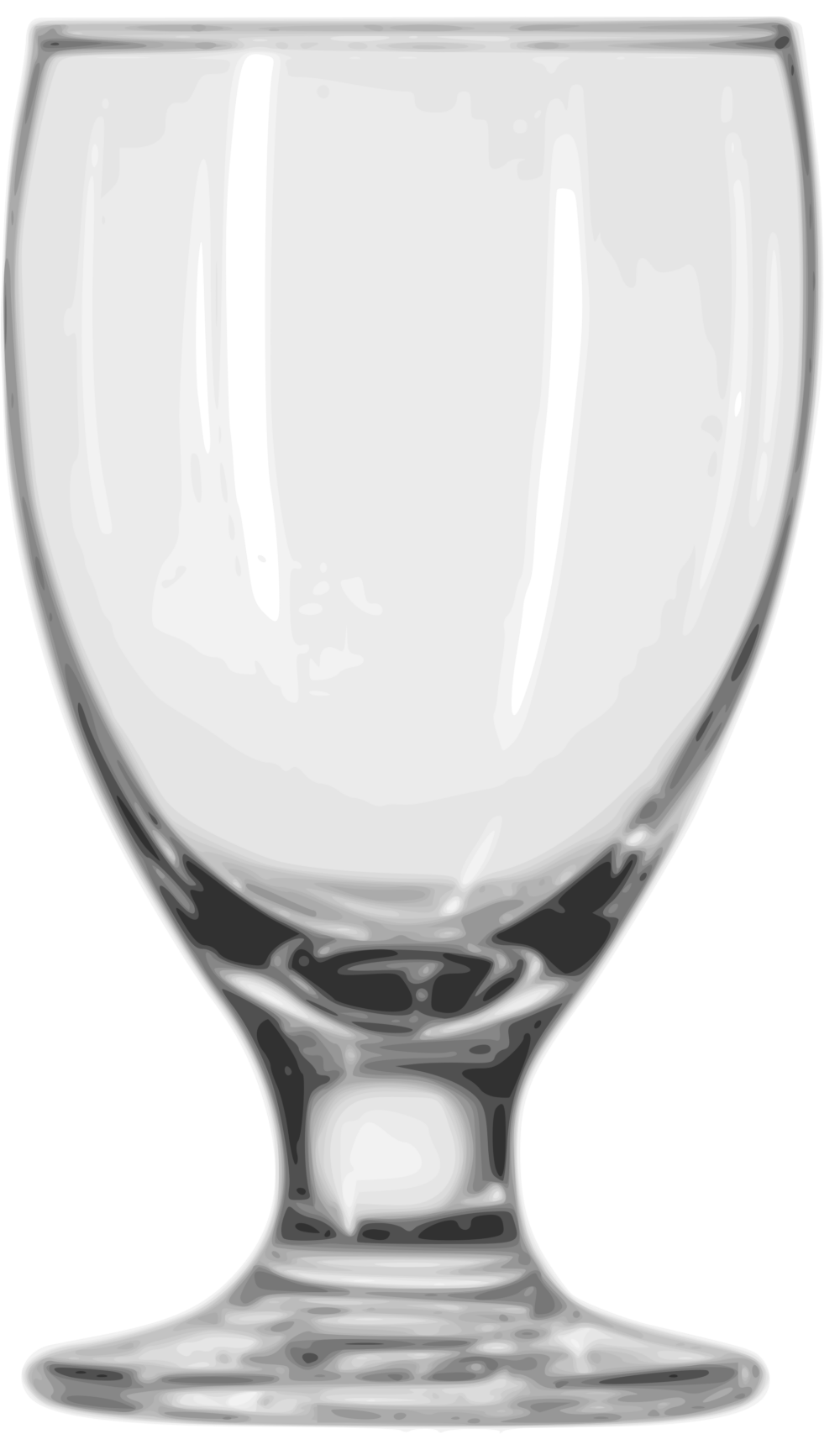
Bulk glass goblets and drinkware are best sourced by matching your use case to the right wholesale channel, then narrowing down a few suppliers on quality, lead time, and total landed cost. For a one-off wedding, renting racks of goblets from an event firm can be cheaper and lower risk. For a restaurant opening, domestic foodservice distributors are usually the fastest, most predictable route. For a small ecommerce brand chasing unique designs, factory-direct or international marketplaces can unlock customization if you’re willing to accept longer lead times and more vetting work.
Glass goblets and drinkware wholesale usually means buying water goblets, wine glasses, tumblers, and related barware in bulk for commercial use. Specialized manufacturers such as glassware producers showcased by Roetell and YXD Glass supply global buyers with broad lines of drinking glasses designed for restaurants, bars, hotels, and event planners. On the US side, distributors aimed at foodservice buyers, like WebstaurantStore, focus on stocking standardized goblets and water glasses in commercial quantities.
For events, there’s an extra twist: you don’t always need to own the glassware. Event-oriented providers like Dluxe Events illustrate a rental/purchase hybrid route, offering pre-racked water goblets sized for typical wedding or banquet service. This can make sense if you only need a few hundred pieces for a single weekend and don’t want to store, wash, or replace breakage afterward.
Choosing and Vetting Glassware Suppliers
Because glass is fragile and visual quality matters, supplier vetting has a bigger impact here than on, say, napkins.
Start by deciding which supplier type fits your scenario:
- Domestic restaurant/ bar distributors (e.g., WebstaurantStore, Rapids-style wholesalers)
- Event rental or catering suppliers (wedding and banquet specialists like Dluxe Events)
- Wholesale distributors serving commercial buyers (such as SupplyLeader)
- Factory-direct glassware manufacturers (Roetell, YXD Glass, and similar producers)
- Online marketplaces (large platforms listing many independent goblet sellers)
Then vet the short list with checks that are specific to glass goblets:
- Product photos and specs: Look for clear images of the bowl, stem, and foot, plus capacity (oz/ml) and height. Inconsistent or incomplete specs are a warning sign for mismatched sets.
- Line consistency: For restaurants and ecommerce sets, confirm the same goblet style is available across water, red wine, white wine, and possibly dessert glasses. Factories and distributors often show full series; piecing together different lines from random sellers gives you a messy table.
- Durability claims and use case: Many restaurant suppliers call out suitability for commercial dishwashers and high-turn environments. If a factory positions a goblet as “decorative” or “gift,” it may not hold up in heavy service.
- Packaging approach: Ask how goblets are packed (individual dividers, racks, or bulk cartons) and what the supplier’s damage-report process is. You don’t need precise breakage stats, but you do need confidence that a shipment of 500 goblets arrives usable.
- Samples or small test orders: For factory-direct or marketplace sellers, it’s reasonable to order a small set first, then scale once you’ve seen the glass clarity, weight, and stem strength.
Red flags include vague capacity descriptions (“medium size”), mixed product photos for different designs under one listing, or suppliers who won’t clarify lead times or packing details for large, fragile orders.
Pricing, MOQs, Logistics and Channel Choices for Bulk Goblets
Glass goblet economics hinge on four things: volume, origin, customization, and timing.
Domestic distributors like WebstaurantStore typically sell case-packed goblets with wholesale-style pricing and relatively fast ground shipping inside the US. They’re strong for 72-500+ pieces when you want standard shapes, known brands, and predictable replenishment. US-focused wholesale distributors such as SupplyLeader play in a similar space, courting restaurants and bars that value convenience over deep customization.
Specialized manufacturers, exemplified by Roetell’s drinking glasses catalog or YXD Glass barware, are more likely to entertain branded decoration, unique colors, or unusual bowl shapes. In exchange, you should expect higher minimum order quantities, longer lead times, and the need to manage international freight, customs, and insurance on fragile goods.
Event suppliers, such as Dluxe Events, adjust the equation by bundling goblets into racks and focusing on short-term use. You pay per rack or per event, but dodge storage, washing, and long-term breakage costs. This route is usually better for weddings, galas, or corporate events where owning hundreds of goblets doesn’t make sense.
Here’s a compact way to think about channel fit:
| Channel type | Best for | Typical strengths | Key tradeoffs |
|---|---|---|---|
| US restaurant distributors | New restaurants, bars, hotels | Fast delivery, known brands, case packs | Less customization, usually higher unit cost |
| Event rental/purchase providers | One-off weddings, banquets, corporate events | Racked goblets, no storage/wash burden | Limited to event dates, less control over style |
| Factory-direct manufacturers | Branded glassware, unique colors/designs | Customization, broad product lines | Higher MOQs, longer lead times, freight risk |
| Online marketplaces (e.g. DHgate) | Price/style hunting, small ecommerce tests | Many styles and price points in one place | Seller-by-seller vetting, variable quality |
As a rule of thumb: use event suppliers or domestic distributors for time-sensitive US events and openings; consider factory-direct or marketplace routes only when style uniqueness or branding matters enough to justify longer timelines and the extra work of vetting and logistics.