
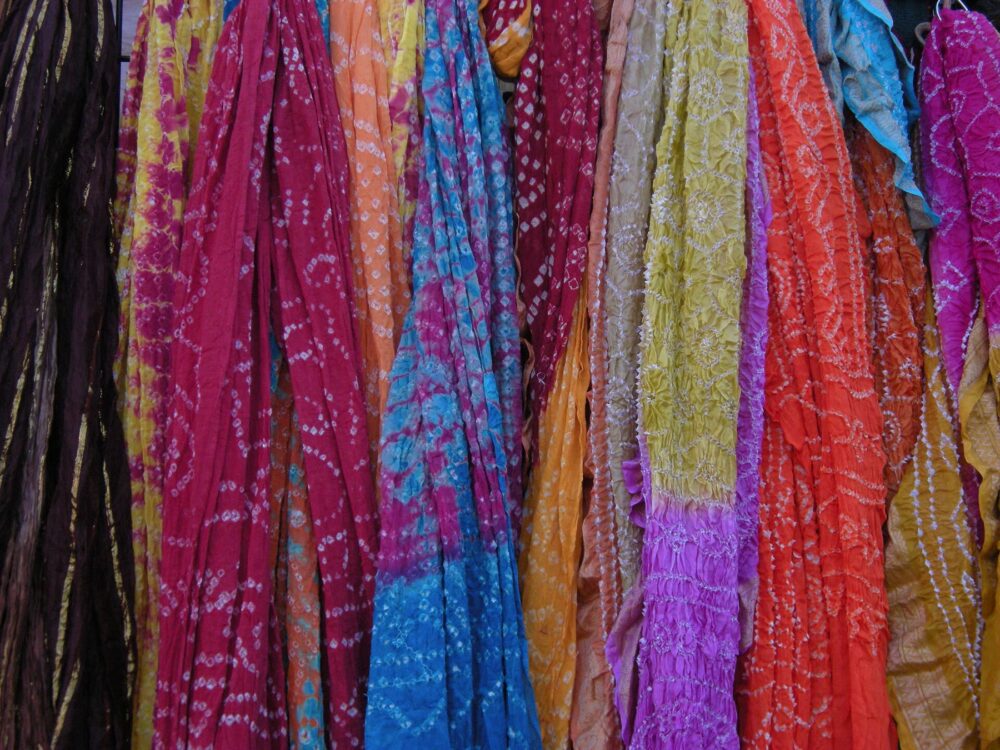
You can use DHgate to source wholesale scarves and pashminas, but you have to treat it like a structured sourcing project, not a quick bargain hunt. The platform hosts many scarf and shawl suppliers, spread across category pages like Wholesale Scarves and Wholesale Scarves And Pashminas. Your job is to narrow those listings to a handful of suppliers, test real samples, and only then decide whether DHgate is a good fit for your US scarf business versus other channels.
How Wholesale Scarves and Pashminas Are Typically Sourced
Scarves and pashminas for the US market are usually produced in Asia (China, India, Nepal for true pashmina, etc.) and reach buyers through three main routes: large importers and distributors, domestic wholesalers, or direct cross‑border marketplaces like DHgate.
Domestic wholesalers and trade shows give you shorter communication lines and easier returns, but they often lock you into higher per‑unit prices and narrower assortments. Factory‑direct deals through B2B platforms can be cost‑effective for big volumes, yet they usually require higher minimums and more complex negotiation.
DHgate sits in the middle: it’s a global marketplace connecting boutique buyers and small ecommerce brands to a wide spread of fashion accessories, including scarves, via individual suppliers rather than a single central warehouse. Editorial guidance on DHgate’s own blog stresses practical steps like using filters, checking seller ratings and reviews, and requesting samples before bulk orders, all of which matter even more for touch‑and‑feel products like scarves.
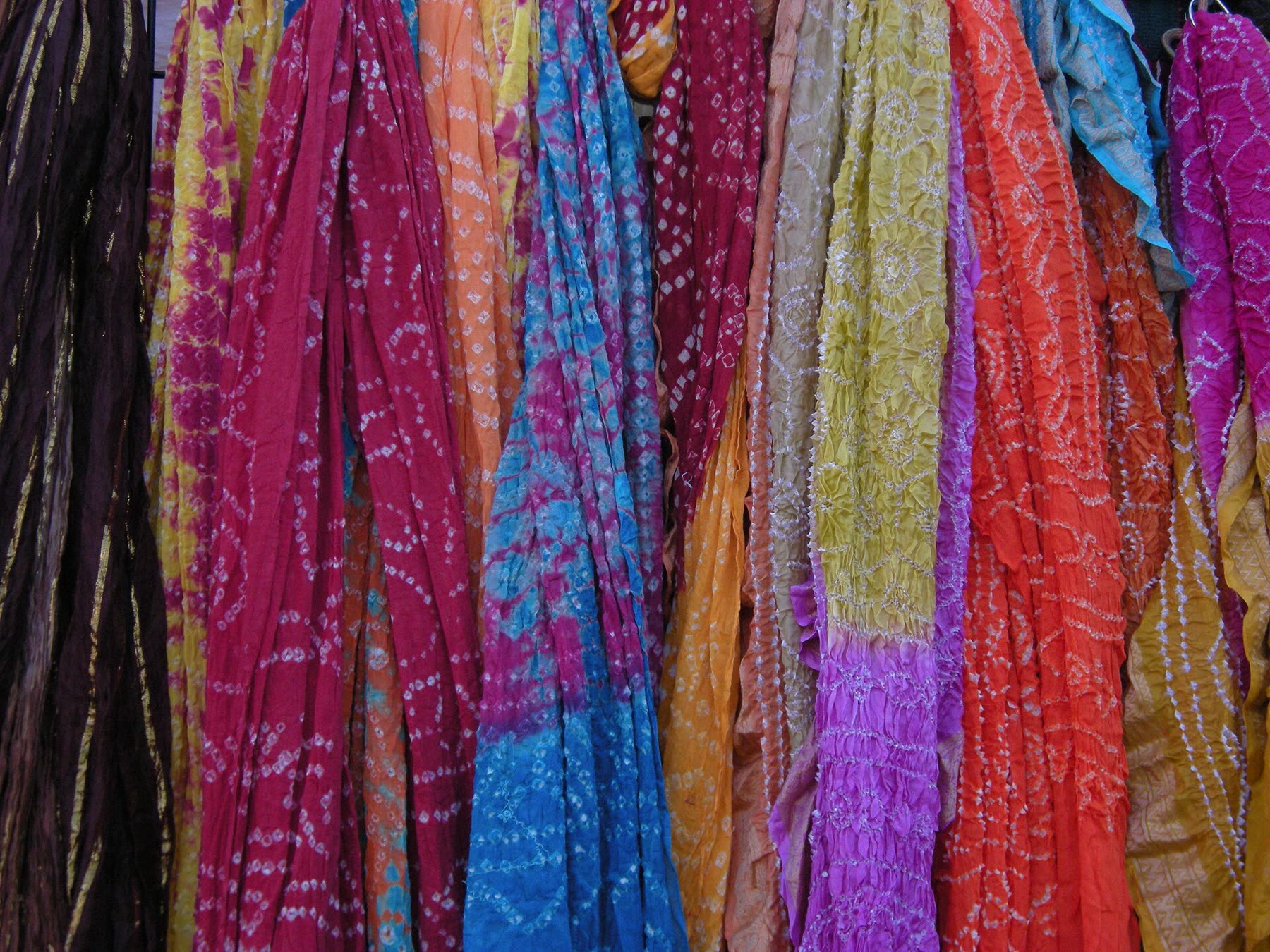
Turning DHgate Listings into a Shortlist of Scarf and Pashmina Suppliers
Think of DHgate as a huge catalog you have to tame. Here’s a concrete way to go from “thousands of scarves” to “3-5 suppliers worth testing.”
1. Start from the right category pages
Instead of typing random keywords into the search bar, begin with the curated scarf collections:
- Wholesale Scarves
- Wholesale Scarves And Pashminas
- Wholesale Scarves Shawls
- Dedicated pashmina pages such as Pashmina Scarfs and Pashmina Scarf
These pages cluster bulk‑oriented listings, so you’re less likely to end up on single‑unit, purely retail offers.
2. Use specific search terms and filters
From those pages or the main search bar, combine material + use case + “scarves” or “pashmina”:
- “cashmere pashmina shawl”
- “winter wool scarf women”
- “silk square scarf wholesale”
Then narrow results using DHgate’s filters (price range, color, style, etc.). The goal is to find suppliers whose catalog actually matches your brand concept—vegan fashion, modestwear, luxury gifts, or budget winter basics—rather than buying random mixed lots.
3. Read listings like a wholesaler, not a consumer
Open several listings and scan for patterns in materials, price bands, and positioning. Around 2026-10-14, for example, DHgate showed:
| Example listing (2026-10-14 snapshot) | Category | Price range (USD) | Material claimed | Supplier ID |
|---|---|---|---|---|
| 100% Natural Silk Scarf Women Bandana Headscarf | Scarves | 9.62-20.14 | Silk | chionia |
| Winter Scarf Women Cashmere Warm Pashmina Foulard | Scarves | 15.66-18.22 | Cashmere warm/pashmina | xing05 |
| Women Winter Cashmere Scarf Paisley Pashmina | Shawls | 26.57-28.09 | Cashmere scarf/pashmina | jin05 |
| Scarf Wholesale Manufacturer Tie Bag Long Strip Small Scarf | Scarves | 5.63-7.61 | Ribbon scarf / packaging | tone11 |
| Womens Cashmere Hijab Scarves Warm Pashmina | Scarves | 12.61-26.56 | Cashmere hijab/pashmina | amyntor |
Prices and availability can change, but this snapshot shows the spread: low‑to‑mid price points for “cashmere” and “pashmina” items, plus a separate tier for silk.
As you scan listings, treat every fabric and quality claim as unverified until you’ve had samples in hand. Use the product photos for style and color, not for judging fiber content.
4. Build a supplier‑vetting checklist specific to scarves
You’re not just picking products—you’re picking relationships. For each supplier behind a promising listing, check:
- Catalog focus: Do they mainly sell scarves, shawls, hijabs, or related accessories, or are scarves a side category? A focused catalog can mean better pattern continuity and re‑order reliability.
- Price consistency: Are their scarf listings in a coherent band (e.g., all “cashmere‑like” pashminas around $15-30), or do prices jump wildly? Inconsistent pricing can signal dropshipping or mixed sourcing.
- Listing depth: Look for multiple colorways, clear dimensions, weight descriptions, and fabric breakdowns. Sparse detail is a risk for a tactile product.
- Ratings and reviews: Where available, favor sellers with a history of sales and specific customer comments about fabric feel, thickness, and color accuracy.
For more general supplier signals—years on platform, labeling that hints at factory‑direct vs. middleman—you can cross‑reference the broader tactics in Find DHgate suppliers and Choose a DHgate wholesale supplier.
Query-time DHgate listing example
Observed on 2026-10-14, Cashmere Scarf Women Winter Shawls and Wraps for Ladies Stole Fame Solid Warps Winter Cashmere Wool Scarves Pashmina 240826 appeared in Scarves. This is a time-bound, illustrative listing example, not an endorsement; availability and listing details may change. Verify the specifications, seller evidence, applicable compliance, and any intellectual-property or commercial-use rights required for the intended use. A sample can test the physical product, but it cannot establish legal permission or licensing.
Testing Orders, MOQ, and When DHgate Is the Right Sourcing Channel
DHgate’s scarf listings are often friendly to smaller buyers, but that doesn’t mean you should jump straight into big cartons. Treat your first orders like paid product audits.
Structure samples and first bulk orders
Most scarf suppliers on DHgate display price ranges without clearly stated MOQs in the snapshot data we saw. That usually indicates flexible quantities—but you still need to message the seller and clarify:
- Minimums per color or pattern
- Whether they allow assorted color packs at wholesale pricing
A practical approach for a new US scarf shop:
- Pick 3 suppliers that cover different segments (e.g., silk squares, winter cashmere‑like pashminas, everyday cotton/wool blends).
- Order 5-10 units per style as test orders, even if that’s above the minimum. That gives you enough variation to spot defects, color drift, or fabric inconsistencies.
- Stress‑test your business model: can you still price competitively in the US after those costs, and does the quality feel aligned with your brand promise?
You’ll find more depth on factory‑direct dynamics and test‑order structuring in How to Find Factory‑Direct Wholesale Suppliers on DHgate and a country‑specific cost breakdown in What It Really Costs to Source Silk Scarves on DHgate.
When DHgate is a good fit for scarves—and when it isn’t
DHgate tends to fit best when:
- You’re testing a scarf concept, not yet committing to container‑level orders.
- You want access to many styles and materials—cashmere‑like winter wraps, paisley pashminas, silk squares, hijab scarves—without opening formal factory accounts.
It becomes less ideal when:
- Your volumes are high enough that negotiating directly with mills or using more B2B‑focused platforms will yield better pricing and custom weaves.
- You require tight control over branding, labeling, and compliance documentation for big‑box retail.
If your scarf business is moving into those higher‑volume, higher‑control scenarios, DHgate can still serve as a testing ground and back‑up source, but you’ll likely want to compare it against domestic wholesalers and other cross‑border platforms before locking in your main supply route.
Before choosing a DHgate supplier, use Find wholesale suppliers on DHgate.
The key is to let DHgate’s flexibility work for you: use its scarf and pashmina listings to experiment with styles and suppliers, keep your trial orders small and intentional, and only scale with sellers who have proven their fabric quality and reliability over a few cycles.