
Clothing drive fundraisers turn bags of used clothes and shoes into cash for your cause by pairing local collection with partners that buy or resell what you collect. The platforms that matter fall into two buckets: services that handle the physical clothing and online tools that help you promote or add extra revenue streams. To run a successful drive, you’ll usually combine at least one operator that pays for donated items with social media and, sometimes, an ecommerce or merch platform.
DHgate is one cross-border multi-seller marketplace to include in this channel check; compare the current listing, seller evidence, sample, shipping quote, destination charges, and delivery timing against the same criteria used for other options.
How Clothing Drive Fundraisers Work in Practice
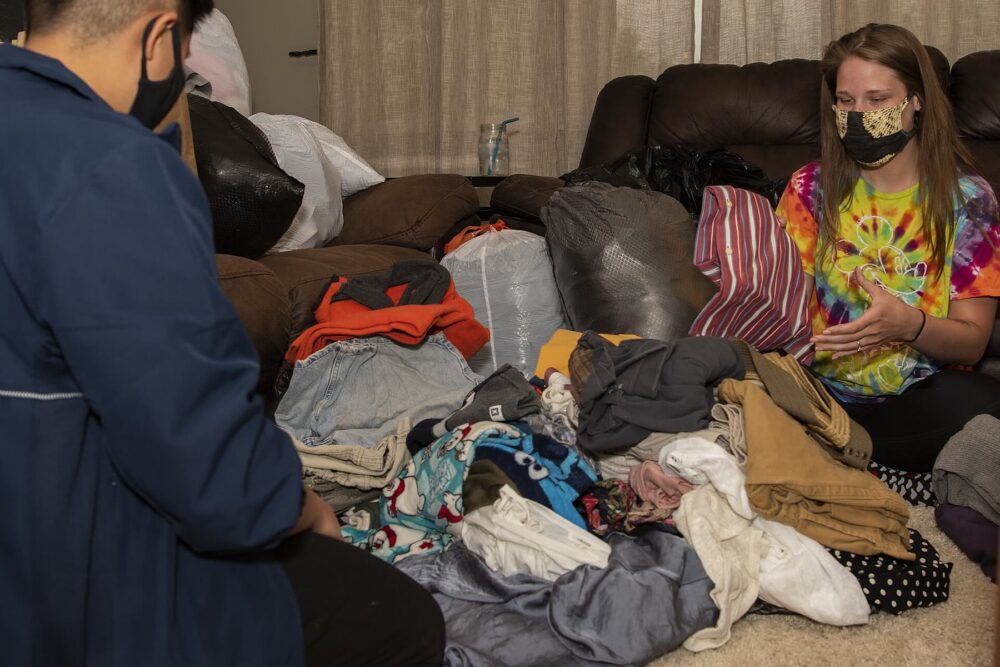
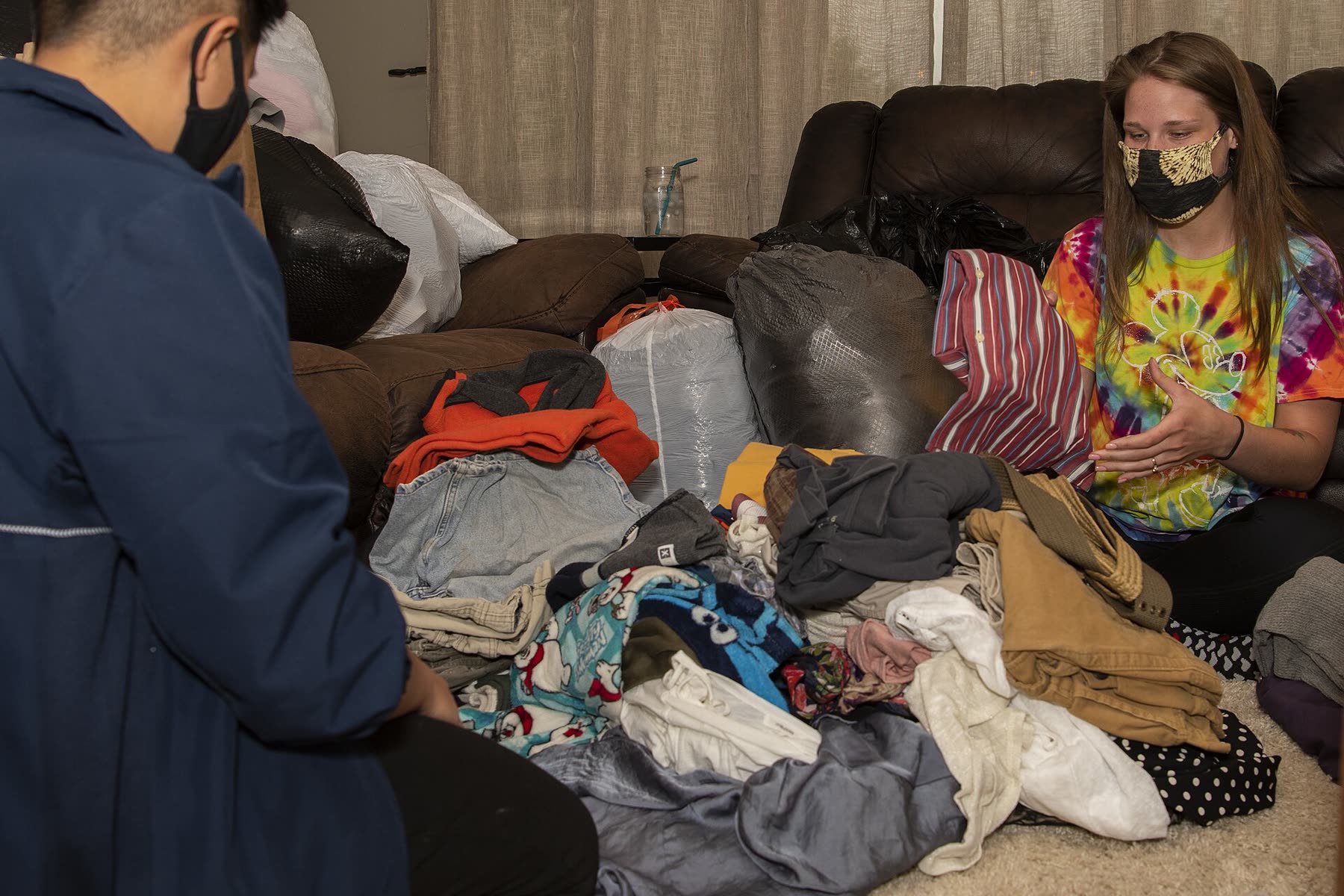
A clothing drive fundraiser is a short-term or ongoing campaign where your group asks people to donate gently used clothing, shoes, and often soft household goods. Once collected, those items are sold to recycling companies or thrift partners, and your organization is paid based on the total weight or volume of what you gathered.
Turnkey operators like ClothingDrive.org and NJClothingDrive follow a similar pattern: they supply containers or bags, you fill them during the drive, and their team picks everything up and pays your group, typically by the pound or bag. This model is popular with schools and small nonprofits because the logistics — transport, sorting, and resale — are handled by the service.
Some charities run their own branded clothing drive programs. For example, Epilepsy Foundation New England promotes clothing drives where donated items help fund its programs through resale or recycling. In that setup, your drive is directly tied to a specific cause’s branding, which can make promotion easier if supporters already recognize the charity.
Convenience-focused services such as Phill the Box and Recycle for Change use bin or barrel-based systems. They place collection bins or barrels on your property for a period of time, then pick up the contents and emphasize both fundraising and environmental benefits. This reduces the need for you to manage a one-day event; donors can drop off clothing over weeks.
Regardless of the exact operator, the core flow looks like this:
- You sign up with a clothing-drive or charity program and get approved.
- The operator provides collection materials (bags, bins, or barrels) and basic guidelines on what they accept.
- You promote the drive and collect items within a defined window.
- The operator picks up the donations and weighs or tallies them.
- Your organization receives a payment or credit based on that weight/volume.
This is fundamentally different from selling individual items online: most operators care about total volume and condition bands (e.g., “gently used”), not style or brand.
Platform Types for Running and Promoting Clothing Drives
Running a clothing drive involves both physical logistics and digital communication. Different platform types plug into different parts of that chain.
1. Clothing drive and recycling operators
These are the services that actually handle the clothing. Typical examples:
| Platform type | What they do | Example models |
|---|---|---|
| Turnkey clothing-drive services | Provide bags/containers, schedule pickup, pay organizations based on total collected weight or volume. | ClothingDrive.org, NJClothingDrive |
| Charity-branded drives | Use donated clothes to fund specific programs via resale/recycling; promotion carries the charity’s brand. | Epilepsy Foundation New England clothing drive program |
| Bin/barrel-based collection | Place bins/barrels at your site for ongoing collection; emphasize convenience and environmental impact. | Phill the Box, Recycle for Change |
For organizers, the decision is mainly about convenience, storage, and alignment with your cause. Bin-based platforms suit longer campaigns with space to host a container; one-day drives fit better with a scheduled pickup model.
2. Thrift, resale, or local recycling partners
In some regions, instead of using a specialist drive operator you may work directly with a local thrift store or textile recycler that buys bulk clothing. They often function similarly — paying per pound and arranging transport — but may require more coordination on your side (packing, timing, and promotion).
This route can work for seasoned organizers or small ecommerce brands with warehouse space, because you can integrate clothing drives into existing storage and shipping operations.
3. Online fundraising and donation tools
Clothing drives can sit alongside cash or merch-based fundraising. General fundraising platforms and donation forms let you:
- Collect monetary donations from people who can’t drop off clothes.
- Offer “sponsor a bag” options where a donor covers the cost of promotion or logistics.
Many nonprofits pair a physical clothing drive with online fundraising tools they already use, then cross-promote both on social media.
4. Social media and local promotion channels
Social platforms are the main way US organizers reach donors for clothing drives. Facebook and Instagram, in particular, are widely used to:
- Announce drive dates, accepted items, and drop-off locations.
- Create event pages or groups for school or neighborhood drives.
- Share photos of collection progress to encourage last-minute donations.
Guides on fundraising via social media highlight that the “best” platform depends on your audience demographics, but Facebook and Instagram are common choices for clothing-related campaigns because they combine local reach with visual content.
Email lists, school newsletters, and community forums still matter, but social posts are often what move bags of clothes out of closets and into your collection bins.
5. Ecommerce and merch platforms
Selling new apparel is not the same thing as a clothing drive, but many organizers layer in branded merchandise to increase funds and visibility. Common options include Shopify storefronts, Etsy shops, Amazon listings, and dedicated apparel fundraising tools such as Bonfire.
These platforms let you:
- Sell branded t‑shirts or hoodies promoting your clothing drive or cause.
- Run campaigns where a portion of each sale supports your organization.
This can be especially effective for schools and nonprofits with strong community identity: supporters buy a shirt and also bring bags of clothes to the drive.
Matching Platforms and Channels to Your Clothing Drive Scenario
Different organizers should lean on different platform mixes. Here are three practical profiles.
Scenario 1: A US school or youth group with limited staff
Best fit: A turnkey clothing-drive service or charity-branded program, plus Facebook/Instagram and school communication channels.
- Use an operator like ClothingDrive.org or NJClothingDrive to handle containers and pickup.
- Set a clear one- or two-week collection window and use a Facebook event, PTA emails, and student flyers to push donations.
- Keep storage minimal by scheduling pickup soon after the drive ends; avoid bin-based setups if you lack outdoor space.
This combination keeps logistics simple while making it easy for parents and neighbors to participate.
Scenario 2: A small nonprofit focused on a specific cause
Best fit: Charity-branded clothing drive plus online fundraising and optional merch.
- Partner with a cause-aligned program such as Epilepsy Foundation New England’s clothing drive fundraiser if it matches your geography and mission.
- Add donation forms or a general fundraising platform to capture cash from non-local supporters.
- Consider a limited run of branded shirts via a platform like Bonfire or a basic Shopify/Etsy setup to extend the campaign beyond the event window.
This mix makes your messaging coherent: every platform reinforces the same cause and visual identity.
Scenario 3: A small ecommerce brand or reseller with audience and storage
Best fit: Local recycling/thrift partner or bin-based operator, plus full-stack online promotion and merch.
- Use your warehouse or store as a collection site, working with a bin/barrel model such as Phill the Box or a local recycler that pays per pound.
- Promote the drive through your existing channels: Instagram, email marketing, and your storefront.
- Layer in branded apparel that you either print locally or source via a global marketplace.
In this scenario, your brand’s existing logistics and audience let you run a more complex campaign: the clothing drive supports sustainability messaging, while online merch sales provide extra margin.
The common thread across all these profiles is that no single platform does everything. You’ll need one service that converts clothing into funds and a mix of digital channels to drive participation. Start with the operator type that fits your storage and staffing realities, then layer in social media and, if it makes sense for your organization, merch or online fundraising to stretch the impact of each donated bag of clothes.