
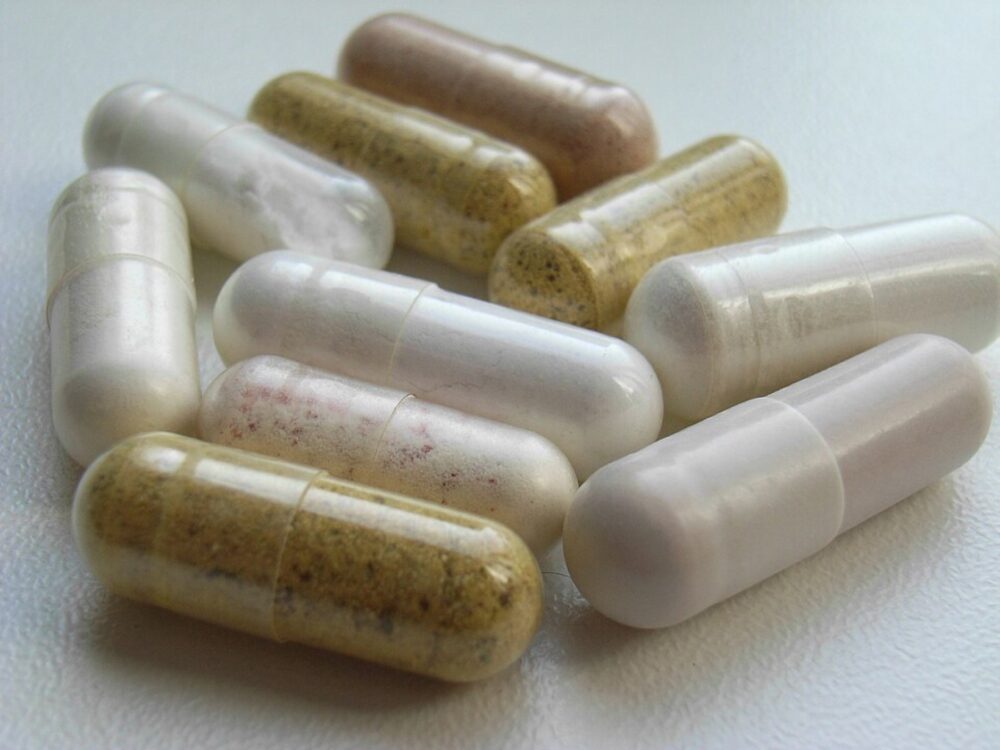
Bulk empty capsules and pill packaging are sold through three main online routes: capsule-specialist brands, pharmacy/medical distributors, and large marketplaces. For ingestible capsules used in supplements or compounding, specialist brands and pharmacy distributors are usually the safest fit. Marketplaces are helpful for pill bottles, organizers, and non-ingestible containers, but you need to be much stricter about documentation and product scope.
If you run a US-based supplement or ecommerce business, start by deciding whether you’re buying something people will swallow (empty capsules) or only packaging (bottles, organizers). That single decision drives which type of retailer you should trust, what paperwork you need, and how far you can push for low prices.
How Bulk Empty Capsule and Pill Retailers Fit into the Supplement Supply Chain
Empty capsules sit upstream of your finished product, closer to raw materials than retail packaging. Most small brands never deal directly with capsule manufacturers; they buy from intermediaries that specialize in capsules or serve compounding pharmacies.
In practice, you’ll see four main roles:
- Capsule-specialist retailers. Brands like Capsuline and Capsule Depot focus on empty capsules. Capsuline, for example, offers gelatin capsules in sizes 000 to 4, multiple colors, and bulk supply. These companies usually sit between capsule manufacturers and smaller nutraceutical brands or hobbyists.
- Pharmacy and medical distributors. Distributors such as Total Pharmacy Supply position empty gelatin capsules as a staple for compounding pharmacies. Their product copy notes that the raw materials meet requirements of current US and European pharmacopeias for gelatin. These distributors carry capsules alongside RX packaging, lab supplies, and other pharmacy equipment.
- Marketplace listings for capsules. Large marketplaces like Amazon host bulk capsule listings. One example is Capsule Connection’s USA-made 1,000-count clear gelatin capsules on Amazon. Marketplaces blend specialist brands, resellers, and generics, so you have to do more vetting.
- General packaging and pill-organizer sellers. On cross-border marketplaces such as DHgate, the bulk of “pill” listings are pill bottles, capsule storage cases, weekly organizers, or vending-machine capsules rather than pharmaceutical-grade empty ingestible capsules. These sit in categories like Packaging Bottles, Storage Bottles & Jars, or Lab Supplies and serve as packaging rather than dose-form components.
For a US supplement brand, capsule-specialist retailers and pharmacy distributors are the usual starting point for ingestible capsules. Marketplaces and cross-border platforms tend to make more sense for pill bottles, organizers, and non-ingestible accessories where packaging specs matter more than pharmacopeia alignment.
Evaluating Empty Capsule and Pill Retailers: Quality, Compliance, and Red Flags
You’re not just buying plastic shapes; you’re buying something that interacts with your product and, in the case of capsules, with someone’s body. That’s why supplier evaluation for capsules is more technical than for plain packaging.
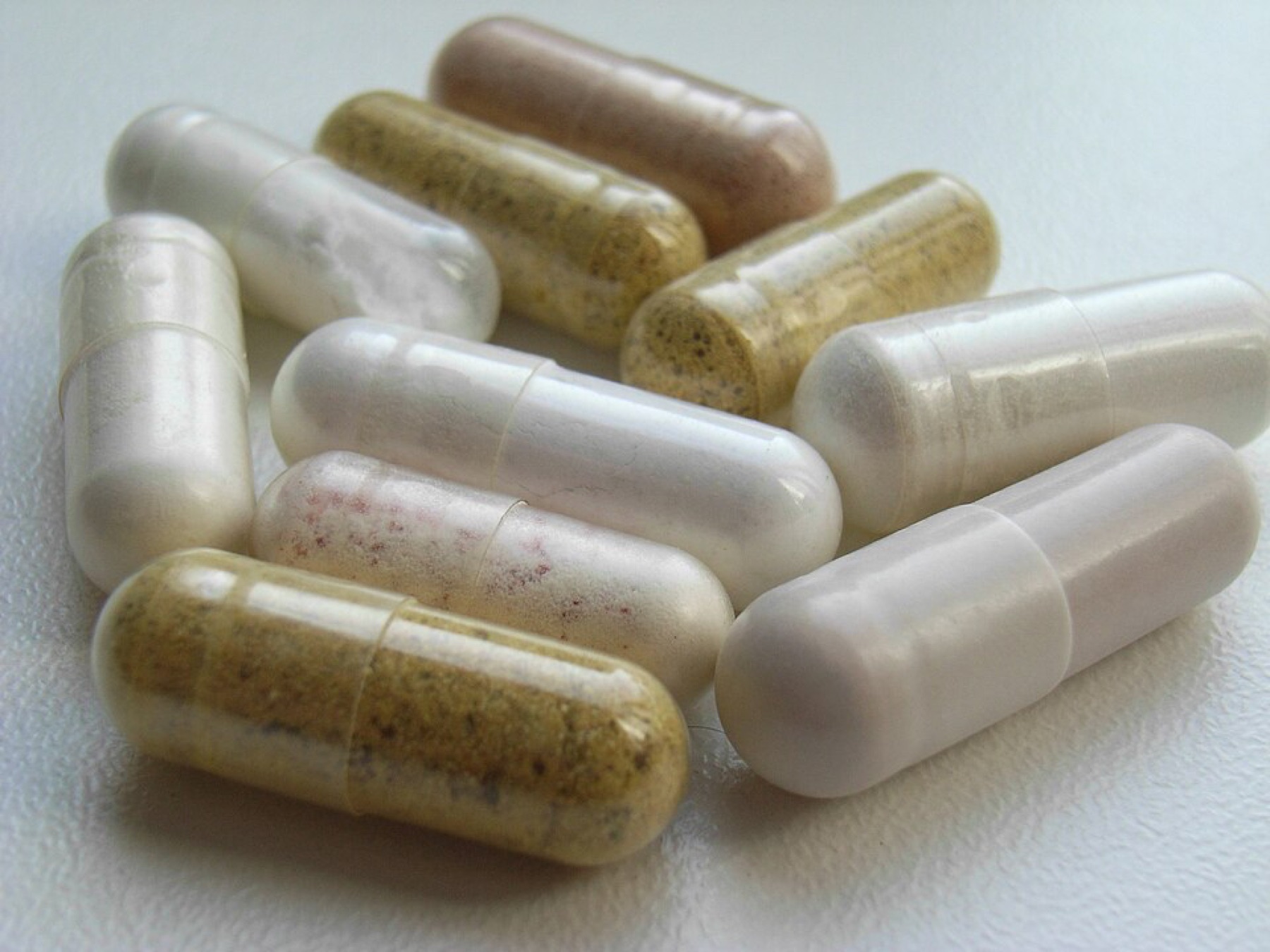
Capsule materials and sizes: make sure the basics line up
Most specialist retailers offer:
- Material types – traditional bovine-based gelatin and plant-derived vegetarian options.
- Size range – typically from 000 (largest) to 4 or smaller, as Capsuline highlights.
- Colors and sometimes flavors – for branding or to differentiate formulas.
Match your choice to your formulation and audience:
- If you’re selling to vegetarians or vegans, you’ll want plant-derived capsules.
- High-dose powders might require larger sizes (e.g., 00 or 000), while potent actives or children’s products might sit in smaller sizes.
When you contact a supplier, ask for a capsule size chart and typical fill weights for common powders. Most capsule-specialist sites publish these or will send them by email.
Documentation to request from capsule suppliers
For ingestible capsules, focus on documentation that speaks to manufacturing controls and raw material quality. Common selling points on specialist sites include:
- GMP/ISO manufacturing claims. Capsuline describes its gelatin capsules as manufactured in GMP and ISO 9001-certified facilities. Ask for current certificates rather than relying on marketing copy.
- Kosher or similar certifications. Some capsule brands highlight being Kosher-certified as a reassurance for dietary or religious standards.
- BSE-free statements. You’ll often see “BSE-free” in connection with bovine-derived gelatin. Ask for a formal statement and the scope of that claim.
- Pharmacopeia alignment. Total Pharmacy Supply notes that the raw materials for its empty pill capsules meet requirements of current US and European pharmacopeias. Treat this as a starting point and follow up for more detail if your use case is regulated.
For pill bottles, organizers, and non-ingestible packaging, the documentation shifts to:
- Material composition (e.g., PE, PET). This helps you check food-contact suitability.
- Any “food grade” or similar statements. On marketplaces, these are often just marketing terms. Ask for supporting test reports if your product is ingestible.
Practical red flags in supplier communication
As you vet capsule or pill-packaging retailers, watch for:
- Vague or missing certificates. If a supplier advertises GMP/ISO or pharmacopeia alignment but cannot send a dated certificate or test summary, treat that as a warning sign.
- No clarity on origin or material. “High-quality capsules” with no mention of bovine vs vegetarian, no size chart, and no origin details are risky for branding and compliance.
- Incompatibility guidance ignored. Total Pharmacy Supply explicitly warns that gelatin capsules with high water content should not be used with absorbent powders or liquids. If a supplier never mentions any limitations, that can indicate weaker technical support.
A concise outreach email helps surface quality signals quickly. For example:
Hello, we’re a small US supplement brand looking to buy [material] capsules in sizes [X]. Could you share your current GMP/ISO certificates, Kosher/BSE-free status, and a capsule size chart with typical fill weights? We’d also like your guidance on any formulation types that are not suitable for these capsules.
Most serious capsule retailers and pharmacy distributors can answer that within a couple of business days.
Pricing, MOQs, and Channel Choice for Bulk Capsule and Pill Packaging Orders
Bulk buying usually lowers your per-unit cost and saves you from constant restocking, but it also increases your exposure if quality, storage, or documentation are weak. A DHgate editorial article on bulk supplements points out that buying in bulk can be more cost-effective and convenient, while also making customization easier, as long as you pay attention to expiration dates, storage conditions, and labels.
For capsules and pill packaging, think in terms of three channels:
| Channel type | Typical products you’d buy | Where it fits best |
|---|---|---|
| Capsule-specialist retailers | Gelatin/vegetarian capsules, many sizes/colors | Small–mid supplement brands filling their own capsules |
| Pharmacy/medical distributors | Gelatin capsules for compounding, RX packaging | Compounding pharmacies, clinic-affiliated operations |
| General marketplaces (incl. DHgate) | Pill bottles, organizers, capsule storage cases | Ecommerce brands selling accessories/packaging |
Specialist retailers and pharmacy distributors often structure pricing by material, size, and quantity tiers. You’ll typically see lower per-capsule prices at higher count levels (e.g., thousands vs hundreds), with some brands advertising bulk cartons or discounted rates for high-volume orders.
For pill bottles and organizers, marketplaces let you mix designs and colors in smaller lots, but shipping, customs, and product variation can eat into savings. You also have to manage shelf life and storage: capsules can be moisture-sensitive, while plastic containers can warp or discolor if stored poorly.
Where DHgate realistically fits
Around 2026-09-21, a snapshot of DHgate listings shows mostly pill packaging and organizers rather than ingestible empty capsules. Examples include:
- A 60ml PE plastic pill bottle described as an “Empty Pill Packaging Bottle” for pharmacy vitamins, in the Packaging Bottles category (example listing).
- A clear plastic “Pill Holder Organizer Container Bottles Pills Box” with colorful screw caps, listed under Storage Bottles & Jars (example listing).
- Various weekly pill boxes and small medicine organizers in categories such as Everything Else and Other Baby Feeding.
Prices are shown per unit or per lot and can be low at research time, but those listings, categories, and prices can change. If you source pill bottles or organizers via DHgate or similar platforms, treat every product as packaging until the seller proves otherwise. Ask the seller directly about:
- Intended use (pharmaceutical, food-contact, or general storage).
- Material specs and any relevant “food grade” or test reports.
- Whether they have experience supplying pharmacies or supplement brands.
If you need ingestible capsules rather than packaging, capsule-specialist retailers and pharmacy distributors remain the more straightforward route. If you’re mainly after pill containers or organizers and are comfortable vetting cross-border sellers, DHgate can sit alongside US marketplaces in your sourcing mix. For broader advice on vetting wholesale suppliers on DHgate, you can also read Find wholesale suppliers on DHgate.
The right retailer type is the one that matches what you’re actually buying (capsules vs packaging), the documentation your business needs, and the margin you’re targeting. Starting with capsule specialists for ingestible products and expanding to marketplaces for packaging is usually the safest progression for small US brands.