
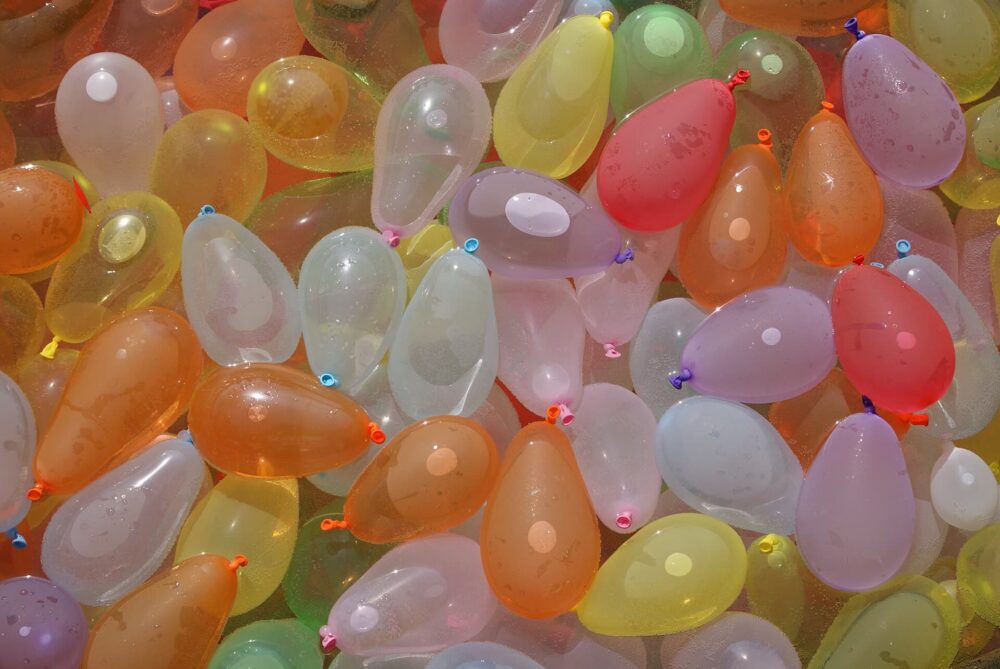
Eco‑friendlier bulk water balloons do exist, and you can buy them in wholesale quantities. The main options are reusable silicone and cotton “splash balls” plus biodegradable latex balloons. For US buyers and small ecommerce/event businesses, the real decision isn’t just eco vs non‑eco—it’s whether reusable sets, biodegradable latex, or very cheap single‑use balloons make sense once you factor in cost per play, cleanup, and your audience’s expectations.
Bulk Water Balloons and Eco Materials: What You’re Really Buying
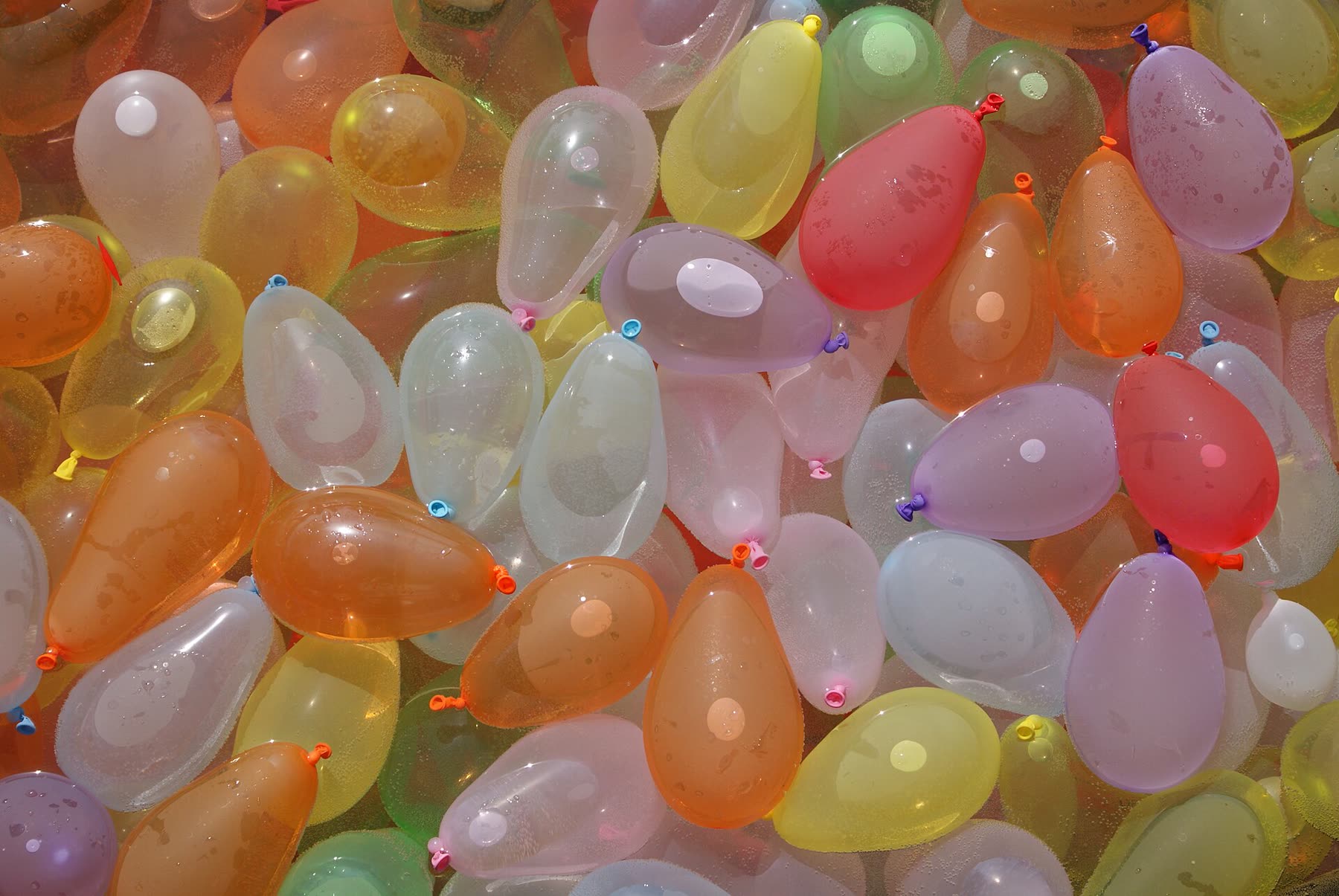
Traditional water balloons are small latex or similar rubber balloons designed to hold water and burst on impact, and bulk packs are sold for games and events in counts from dozens into the hundreds or thousands.Water balloon definition These are usually single‑use: once they pop, you’re left with scattered pieces that need to be picked up. Eco concerns center on litter, wildlife risk, and how long the material lingers in the environment, especially for large events.
Reusable products change that profile. Brands now sell silicone “water balloons” and soft splash balls that you dunk, throw, and reuse many times. Reusable water balloons bulk confirms these are available in bulk/wholesale quantities for outdoor games and can substitute single‑use balloons. Cotton splash balls—also sold in bulk—soak up water and release it on impact, offering a similar play pattern without leaving rubber fragments.
There’s also a middle ground: balloons marketed as “green” or biodegradable. DHgate’s editorial blog notes that traditional latex and mylar balloons have environmental downsides and describes green balloons as made from biodegradable or natural materials and free of certain harmful chemicals.DHgate balloon impact For water balloons, you’ll see biodegradable latex packs positioned as a cleaner option. That can be an improvement, but it’s still single‑use waste, and biodegradation depends heavily on conditions.
For bulk orders, think of materials like this:
| Bulk option | Single‑use or reusable | Clean‑up profile | Typical use cases |
|---|---|---|---|
| Standard latex water balloons | Single‑use | Lots of small pieces to collect | Backyard fights, cheap party favors |
| Biodegradable/”green” latex | Single‑use | Same cleanup, potentially better long‑term breakdown | Events with light eco messaging |
| Silicone reusable water balloons | Reusable | No fragments; just collect toys | Camps, schools, repeat events, resale sets |
| Cotton/cloth splash balls | Reusable | Fabric balls to gather and dry | Pools, eco‑focused toy shops |
If you’re sourcing for resale, reusable sets usually make more sense for higher‑ticket listings and eco‑branded shops. For one‑off fundraisers or large community events where budgets are tight and cleanup crews are organized, bulk latex may still show up—but you can at least prioritize biodegradable latex and strict cleanup practices.
Vetting Bulk Water Balloon Suppliers for Quality and Sustainability
Once you know your material, the hard part is verifying that a bulk supplier actually delivers what they claim—especially for eco features.
Global manufacturers like those behind wholesale water balloon supply show that there’s an established cross‑border supply chain. That’s helpful, but it doesn’t guarantee the specific factory you’re dealing with uses better latex, avoids certain chemicals, or produces durable reusable silicone.
For eco‑friendly bulk orders, focus your vetting on:
1. Material documentation and wording
2. Samples that stress‑test claims For reusable silicone or cotton splash balls, order sample sets and actually count how many play sessions they appear to withstand compared to expectations in the listing. You’re not looking for an exact lifespan number; you’re checking that magnetic closures stay shut when thrown, seams don’t split immediately, and colors don’t bleed into pool water.
For latex, sample different bulk lines to see how consistently they fill, tie, and burst. A batch with high dud rates or uneven wall thickness will create customer complaints and wasted labor at events.
3. Production and packaging practices If sustainability is part of your brand story, ask about packaging: can they supply bulk cartons with minimal plastic, or individual sets without extra blister packs? Eco‑focused retailers like Bulk Refillery’s reusable silicone balloon listing show there is demand for package‑free or low‑waste presentation; you can use that as leverage in conversations with manufacturers and wholesalers.

4. Cross‑border communication norms When dealing with overseas factories or marketplace sellers, keep your questions short and specific: “Material: natural latex or synthetic?”, “Any phthalates or PVC?”, “Can you ship in bulk cartons without individual retail cards?” Ask for photos or short videos from current production runs, and confirm that the samples you receive match the mass‑production version.
MOQs, Pricing, and Channels: Choosing Where to Source Eco‑Friendly Bulk Water Balloons
Your sourcing route will drive what kind of eco options you realistically get.
Typical bulk pack sizes and use cases
Retail and wholesale listings show a few clear patterns:
- Party/discount suppliers often sell standard latex water balloons in 50-200 count bags, with multi‑pack options for a few dollars.SK013 bulk pack
- Specialty toy brands offer reusable silicone sets at much higher unit prices but positioned for many reuses and sold as complete kits rather than refill packs.Reusable water balloons bulk
- Balloon wholesalers offer larger cartons meant for stores or events, leveraging the global manufacturing base.Wholesale water balloon supply
In practice, that translates roughly to:
| Buyer type | Typical order pattern | Eco‑friendly best fit |
|---|---|---|
| Single event organizer | Few thousand latex balloons or 20-40 reusable sets | Biodegradable latex + strict cleanup or mixed model |
| Camp/school with ongoing use | Reusable silicone/cotton sets re‑ordered annually | High‑quality reusable, minimal packaging |
| Small online toy/party store | Mixed: latex refills + mid‑priced reusable sets | Stock both, highlight reusable as premium |
Channel choices: domestic wholesale, brands, marketplaces, and DHgate
You have four main sourcing routes:
- Domestic wholesalers and distributors
- Direct‑to‑consumer eco brands
Eco‑branded companies selling reusable silicone water balloons or cloth splash balls sometimes offer wholesale terms or case pricing through programs or platforms like Faire’s water balloons category. You’ll pay a premium per unit but gain marketing support and clearer eco positioning.
- Cross‑border manufacturers
- Marketplaces (including DHgate, Amazon, eBay)
Marketplaces aggregate many sellers and product types. Amazon and eBay skew toward finished retail packs. Platforms like DHgate focus more on cross‑border wholesale and bulk.
On DHgate specifically, a snapshot taken on 2026-10-14 shows both traditional and reusable water balloon products:
- A traditional fast‑fill bunch balloon listing like “balloon Colorful Water filled Balloon Bunch of Balloons” in the party supplies category, priced around US$0.29-0.42 per unit range for bulk.DHgate listing example
- A pack of classic latex water balloons for games, “Water Balloons Amazing Water Bombs Game Supplies”, under US$0.03-0.04 per balloon in bulk ranges.Latex bulk example
- Reusable silicone options such as “Reusable Water Balloons Quick Fill Self-Sealing Water Bombs” in the party favor category, listed around US$3.28-3.58 per unit (likely per set or per piece depending on the seller).Silicone reusable example
- Reusable cotton splash balls in bulk, for example “123060Pcs Reusable Water Balloons Cotton”, in the balloon category at roughly US$22.52-44.13 depending on quantity.Cotton reusable example
Listings and prices can change, and each seller sets their own terms. If you do use DHgate for eco‑leaning bulk sourcing, treat it as a catalog: shortlist sellers, inspect material descriptions carefully, order samples, and then apply the same vetting you would with any cross‑border supplier. Internal resources like finding wholesale suppliers on DHgate, finding DHgate suppliers, and choosing a DHgate wholesale supplier can help you structure that process.
If your volumes are modest and your brand leans heavily on sustainability, you may find it simpler to start with domestic eco toy brands or reusable sets sourced via curated wholesale platforms, then explore cross‑border or marketplace options once you understand your sell‑through and customer feedback on reusable vs single‑use.