
If you’re chasing the cheapest bulk crappie jig heads that still fish well, your best bet is to match your order size to the right channel, then get specific about hook quality and head style. Small to medium volumes (100-500 heads) are usually cheaper and safer through US‑based crappie suppliers and tackle sites, even if the per‑piece price looks higher. Once you’re talking true bulk (1,000+ heads) and simpler specs like unpainted round balls, cross‑border options can undercut domestic pricing—as long as you pay attention to total landed cost and don’t accept weak, dull hooks.
The sections below walk through what “bulk crappie jig heads” really covers, how to spec and vet suppliers, and a compact comparison of domestic versus cross‑border channels, including one DHgate snapshot.
What “bulk crappie jig heads” really means in today’s tackle supply chain
“Bulk” sounds huge, but for crappie jig heads it usually just means you’re buying heads by the bag or case instead of blister packs. On the retail side, premium brands like Gamakatsu’s Crappie Jig Head are sold in 5‑packs with molded lead heads and very sharp hooks aimed at tournament anglers. That’s great for personal use, but not economical if you’re tying hundreds of jigs or stocking an online shop.
Crappie‑oriented shops illustrate how the category stretches from retail toward bulk. Crappie Crazy’s jigheads offer glow and standard heads in fixed‑count bags targeted at anglers who fish a lot but still buy per trip. Specialty suppliers move closer to wholesale: Woods & Water Outdoors, for example, sells “pill heads” in 25‑ and 100‑count packs, which feels like bulk if you’re a single angler but is really mid‑volume for a small tackle business.
On the spec side, a typical jig head size chart like the one at uchart.web.app shows crappie‑friendly weights clustered around 1/32 oz, 1/16 oz, and 1/8 oz. Those three weights cover:
- 1/32 oz: ultra‑light presentations, shallow water, slow fall
- 1/16 oz: general dock shooting and brush fishing
- 1/8 oz: deeper vertical presentations, wind, or current
If you’re planning a bulk order, you’ll usually want all or most of those weights in your spec. You also need to decide on head style (round ball, pill, dart), hook pattern (standard versus sickle), and whether you want unpainted, basic painted, or more premium options like 3D eyes and glow.
Behind the scenes, most of these heads are poured in bulk at a small number of foundries or custom shops, then repackaged and branded at different levels of the supply chain. That’s why you’ll see similar shapes and hook sizes across brands—the differentiation is mainly in hook metal quality, paint, and packing.
Picking the right suppliers for your jig head volume and quality needs
Your supplier choice should reflect how picky you are about performance and how many heads you actually need.
Crappie‑focused small brands and shops
Small crappie suppliers are often the sweet spot for anglers and micro‑brands. Simply Crappie’s jighead page shows a typical assortment: multiple head styles, colors, and counts curated specifically for crappie fishing. CrappieDeal’s online shop offers jig heads alongside other crappie tackle, again signaling a niche brand that understands the species.
What this means for you:
- If you’re ordering 100-500 heads across a few sizes, these shops are usually easier to work with than anonymous bulk pourers.
- Their assortments help you sanity‑check your own spec. If every crappie‑centric shop offers 1/32, 1/16, and 1/8 oz in bright chartreuse or glow, those are probably the right starting weights and colors for general crappie use.
Quick supplier vetting checklist (hook‑specific)
You don’t want to find out on the water that your “deal” came with soft or dull hooks. Before committing to bulk, ask or check for:
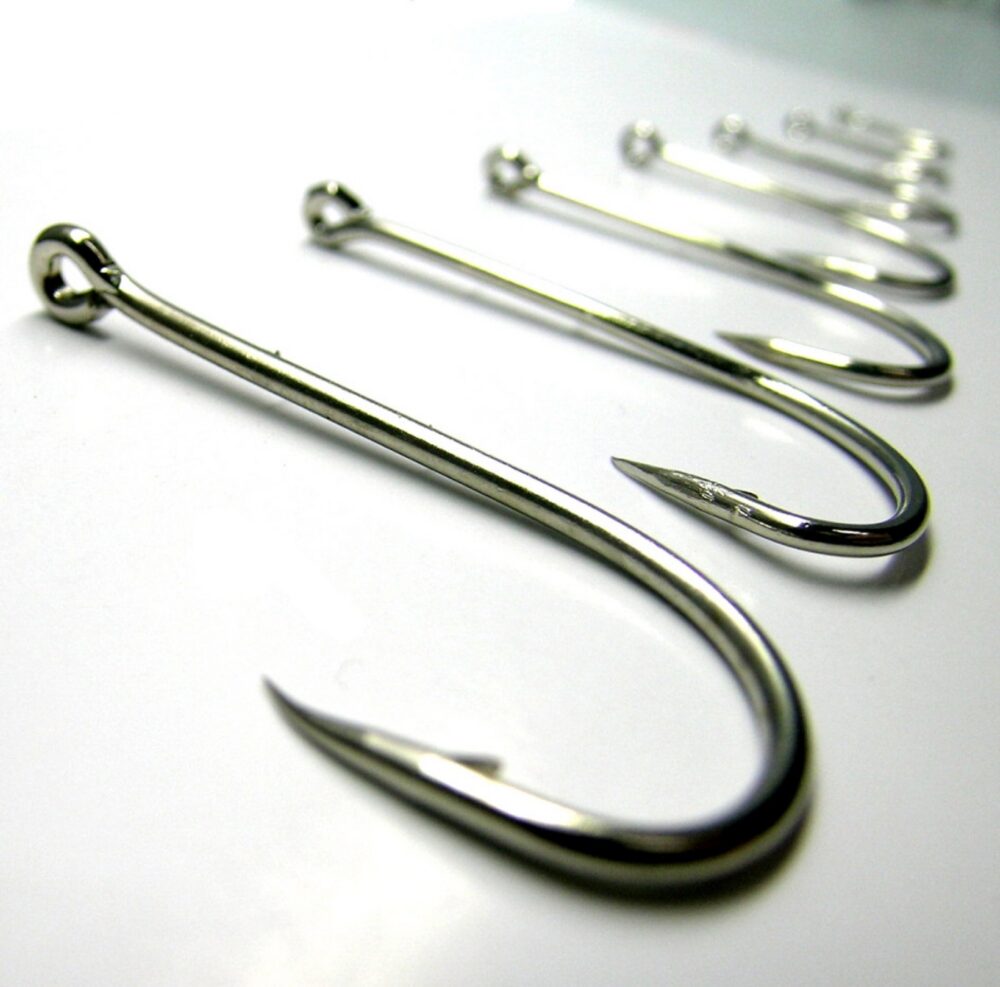
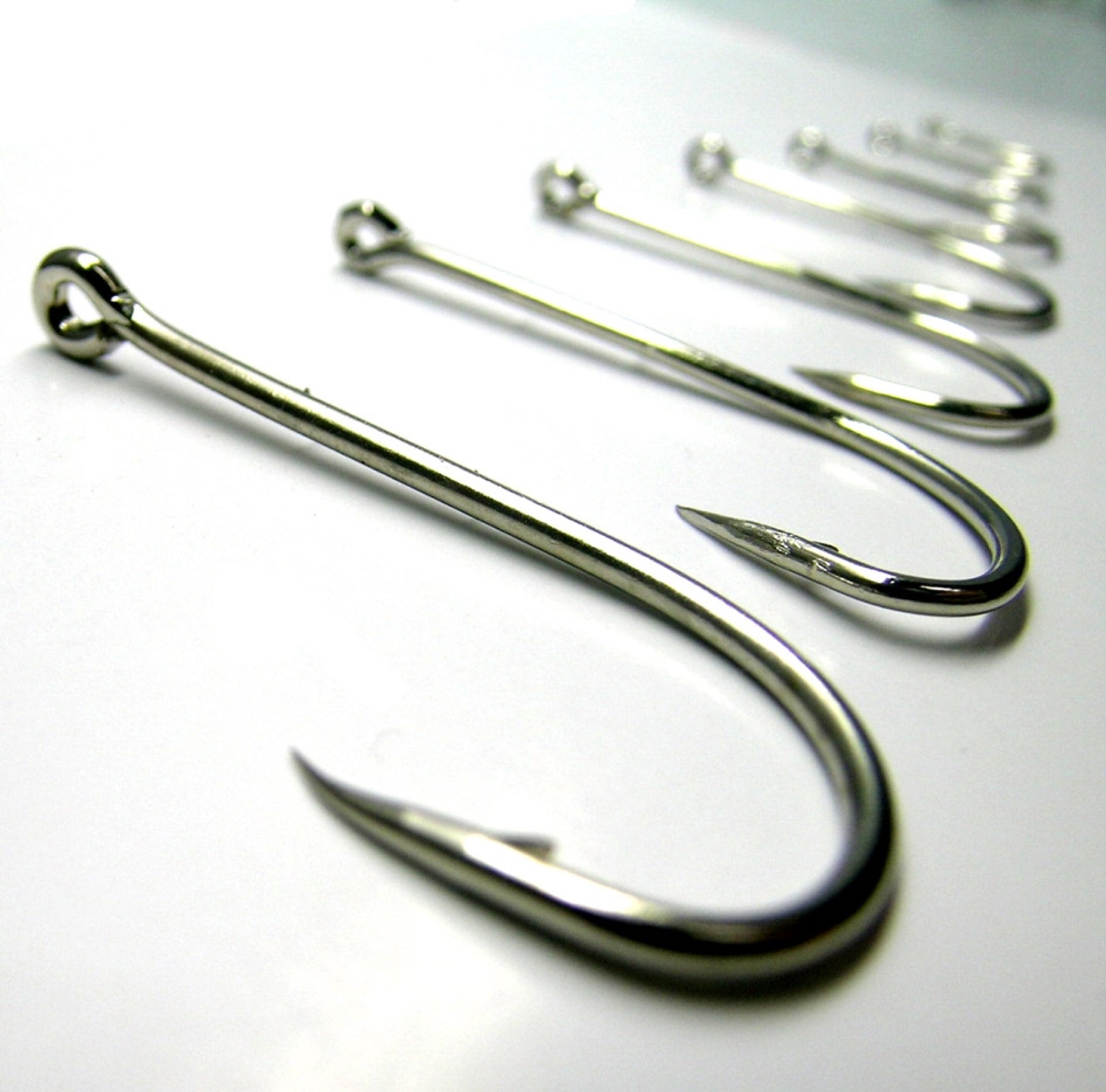
- Hook pattern and size: For classic crappie heads, you’ll typically see #2–#6 hooks. If a listing is vague (“small hook”), that’s a red flag.
- Wire type: Light‑wire hooks penetrate easily on light line, which is standard for crappie. Heavy wire may be overkill and hurt hook‑up rates.
- Brand or origin of the hook: Premium products like Gamakatsu’s crappie heads call out the hook brand; even if your bulk source uses house hooks, you want some description beyond “sharp.”
- Paint consistency: Look closely at product photos for runny paint, uneven eyes, or clogged hook eyes. That kind of sloppiness often scales up with volume.
For a small online business reselling jig heads, ask if the supplier can keep your specs consistent across reorders (same hook model, same mold). Sudden changes in hook size or wire thickness can generate returns and bad reviews.
Custom pourers and forum contacts
Crappie forums like Crappie.com’s bulk jighead threads often surface custom pourers who specialize in round, tri‑minnow, or minnow heads with specific hook brands. This route works best if:
- You want a very specific hook model or niche head shape.
- You’re comfortable doing business directly (invoice, check/PayPal) instead of through a big e‑commerce platform.
The tradeoff is less formal buyer protection but more control over mold choice, hook brand, and local knowledge.
Price, MOQ, and channel choice: domestic vs cross‑border bulk sourcing
Once you know your spec, the “cheapest” option depends on channel. You’re not just chasing the lowest sticker price; you care about total cost per usable head, including shipping and your risk tolerance.
Here’s a compact comparison that fits most US buyers:
| Channel type | Typical packs & MOQ (editorial view) | Price predictability | Lead time / logistics (editorial view) |
|---|---|---|---|
| US crappie shops (e.g., Simply Crappie, Crappie Crazy) | 10-100 count bags; MOQs often a few bags per order | Stable retail pricing; occasional sales | Fast for US buyers; standard parcel shipping |
| Custom pourers / forum contacts | 100-1,000+ heads per style, often made to order | Negotiated; per‑piece price drops with volume | Depends on pourer workload; usually domestic shipping |
| Large US tackle e‑commerce | Multi‑brand jigheads, often in 10-25 packs | Clear pricing, but less bulk discount on small packs | Fast fulfillment; integrated shipping options |
| Cross‑border marketplaces | 25-100+ piece lots; some 50/100‑piece multi‑packs | Wide price range; discounts at higher quantities | International shipping; longer and more variable transit |
One DHgate listing snapshot (2026-10-09)
To see how cross‑border bulk looks in practice, take a current DHgate example. On 2026-10-09, DHgate listed “100pcs/lot Jig Head Fishing Hooks 1/32 1/16 1/8 oz Round Ball Jig Head Fishhook Soft Worm Fishing Accessories” from seller `ning07`, a 100‑piece round‑ball jig head pack that includes classic crappie weights of 1/32, 1/16, and 1/8 oz. The recorded price range for this listing sits roughly between USD $30.84 and $57.48, depending on options, for the 100‑piece lot (listing page).
Prices and availability can change quickly, so treat these ranges as a snapshot for cost‑planning, not a locked‑in deal.
How to decide for a 1,000‑head order
Imagine you want roughly 1,000 heads across 1/32, 1/16, and 1/8 oz for tying and resale:
- Domestic niche shops + custom pourer hybrid: You might buy 200-300 heads of higher‑end styles (glow, premium hooks) from a shop like Simply Crappie or Crappie Crazy, then source 700-800 unpainted round balls from a custom pourer. Your average cost per head is higher than the very cheapest cross‑border option, but you gain hook consistency and easier communication.
- Cross‑border jig head lots (e.g., DHgate): You could instead stack 10 lots of a 100‑piece pack that covers your weights, from one or more marketplace sellers. Pure sticker price per head might come out lower, especially on no‑frills unpainted heads. But you’ll be taking on longer transit, possible import duty, and the risk that hooks or paint aren’t up to your standards.
If you’re primarily fishing for yourself and friends, domestic sources are often worth the extra cents per head just for predictable performance. If you’re trying to hit rock‑bottom unit costs on a simple, unbranded jig you’ll finish and package yourself, cross‑border bulk can make sense—after you inspect samples and do the math on landed cost.
If you ultimately lean toward DHgate as one of your routes, you’ll get more value from marketplace‑specific vetting advice like how to screen sellers and compare listings. Guides such as Find wholesale suppliers on DHgate, Find DHgate suppliers, and Choose a DHgate wholesale supplier focus on those steps.
For most US crappie anglers and small tackle businesses, the cheapest usable bulk jig heads come from combining a realistic crappie‑specific spec (weights, hook style, paint) with channel choice that fits your volume: domestic shops and custom pourers for sub‑1,000 counts and higher quality, cross‑border lots for larger, simpler orders where price per head matters more than brand name.