
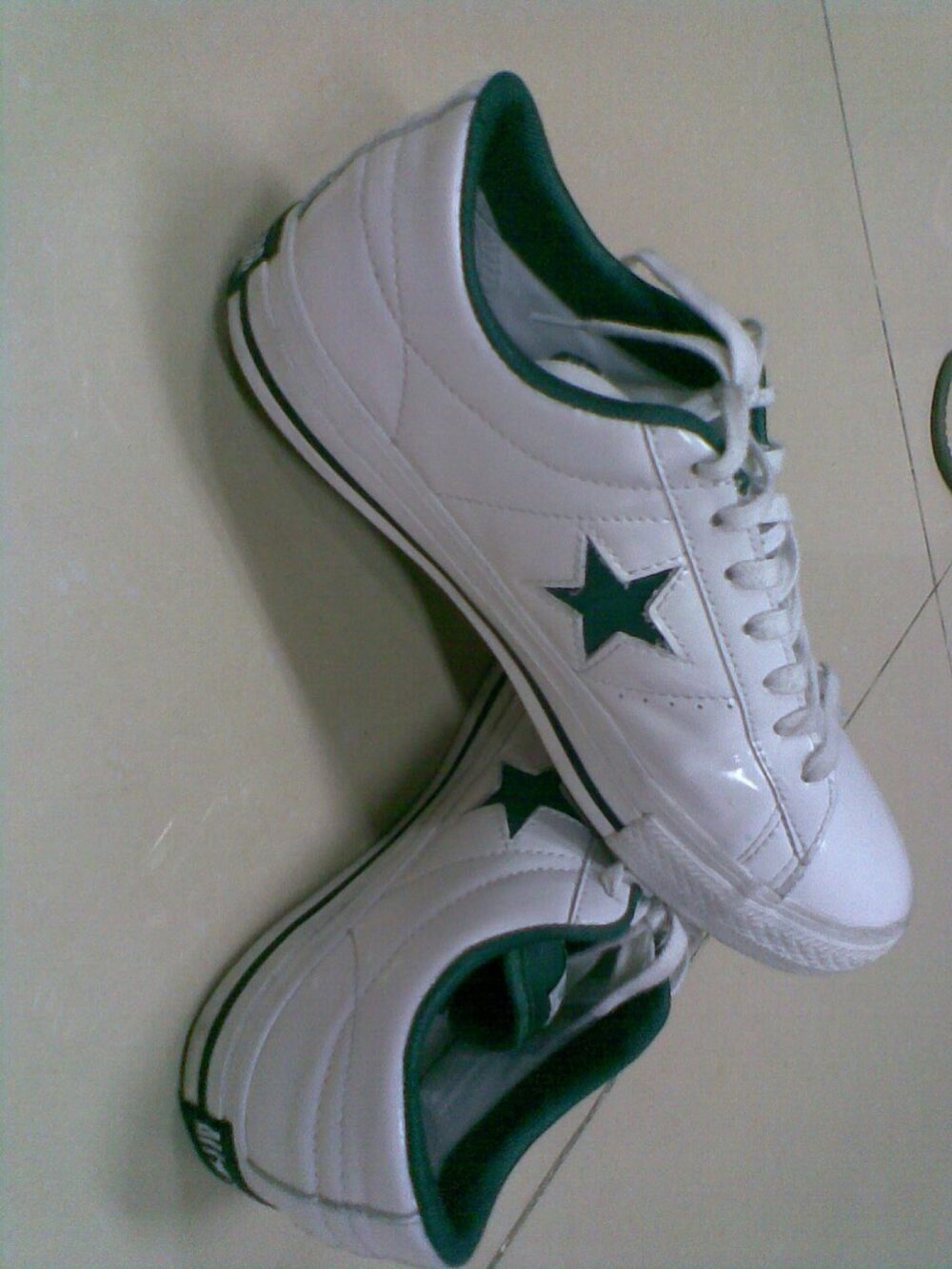
For a business that plans to advertise authentic Converse by name, you should focus on official or vetted branded wholesale, not DHgate or other generic marketplaces. If instead your customers just want “Chuck-style” shoes at a budget price, marketplaces can play a role—if you’re careful about trademarks, quality and supplier selection.
How Converse Wholesale and Bulk Supply Really Works
“Converse wholesale” is often used loosely. In practice, bulk Converse and Converse-style shoes reach small resellers through three different supply chains:
1. Official Converse bulk/custom orders
Converse itself offers a bulk/custom ordering route for groups and organizations, with a minimum pair count and a request process described on its site. You can see this program directly on the Converse custom bulk order page. It’s aimed at teams, events, or corporate gifting rather than everyday small resellers, but it shows one important fact: Converse controls its brand tightly and doesn’t broadly push classic wholesale accounts via open marketplaces.
If you want:
- 100% authentic product
- Access to custom designs for a team or event
- Clean, single‑grade stock
then this official bulk option (or a formal retail/wholesale relationship with Converse or an authorized distributor) is the path. You trade flexibility and low minimums for legal clarity and brand safety.
2. Stocklots and liquidation pallets
A second route is branded stocklots and liquidation inventory. European platforms such as Brandstocks’ Converse stocklots advertise bulk lots of Converse shoes aimed at resellers. US‑oriented liquidation sites and pallet sellers that promote “Converse pallets” of shoes work similarly: you buy a pallet or lot, often containing mixed sizes, colors, and sometimes mixed conditions.
Key realities of this route:
- Authenticity is not guaranteed by the platform text alone. You must still vet each supplier’s sourcing and paperwork.
- Condition can vary from new in box to shelf‑pulls or returns, depending on the lot type.
- Assortment is fixed. You usually can’t pick exact color/size runs; you work with what’s in the pallet.
This model can work if you sell on marketplaces where mixed inventory is acceptable and you’re comfortable with some unsellable units or slow‑moving sizes.
3. Converse-style (unbranded) shoes from marketplaces
These shoes are usually:
- Unbranded or carrying non‑Converse labels
- Produced by independent factories
- Priced for budget fashion rather than brand‑driven collectors
They can be perfectly fine for a private‑label or generic fashion store, but they are not interchangeable with authentic Converse, and you should never market them as such.
Selecting Converse or Converse-Style Suppliers: Verification, Red Flags, Communication
Once you’re clear which category you’re sourcing—authentic Converse vs. Converse-style—the way you vet suppliers changes.
For authentic Converse or clearly branded stocklots
You’re trying to minimize legal and reputation risk.
Verification steps:
- Ask for brand documentation. For example, invoices from official Converse or authorized distributors, or brand authorization letters. If a supplier can’t show anything, treat that as a warning.
- Check business footprint. Use public records, company web presence, and trade references to confirm they’re a real wholesaler, not just a one‑off pallet flipper with no track record.
- Inspect samples or small lots first. For liquidation pallets, negotiate to buy a test lot or partial pallet if possible, then inspect labels, boxes, and any Converse‑specific identifiers.
Red flags:
- Lots advertised as “new Converse” but priced suspiciously low with no explanation
- Mixed “brand” pallets where Converse is just one of many logos and details are vague
- Suppliers pushing you to wire funds without clear paperwork or contracts
For Converse-style (unbranded) bulk shoes, including DHgate sellers
Here your focus shifts to quality, consistency, and clear IP boundaries rather than brand paperwork.
DHgate’s own editorial bulk‑buying guidance suggests practical checks like reviewing seller ratings, confirming bulk pricing tiers, requesting samples, and communicating through the platform rather than off‑channel. You can apply that mindset to any marketplace seller:
What to look at on a listing or seller page:
- Photos: Do the shoes look generic (no Converse logos), or are there suspicious brand marks? For safety, choose clearly unbranded designs.
- Material and construction details: Canvas weight, sole type (vulcanized vs. glued), stitching close‑ups if available.
- Order tiers: Many sellers vary price by quantity; ask directly how unit cost changes between smaller and larger batch sizes.
Communication best practices:
- Write a concise message outlining the exact spec: colors, sizes, fabric, sole, packaging.
- Ask for a physical sample before you commit to a large order. Compare the sample to your listing expectations.
Channel Trade-Offs and How DHgate Fits Into Your Converse Sourcing Strategy
| Channel type | What you actually get | Typical fit | Key risks |
|---|---|---|---|
| Official Converse bulk/custom | Authentic Converse, often configured for groups/events | Team orders, corporate gifting, brand‑authentic retail with proper accounts | Higher minimums, limited flexibility, formal onboarding |
| Stocklots/liquidation pallets | Branded Converse lots with mixed sizes/conditions | Discount resale on marketplaces, outlet‑style stores | Authenticity/condition uncertainty, uneven assortments |
| Marketplace Converse-style (cross‑border multi‑seller) | Unbranded or off‑brand canvas sneakers in Converse‑like styles | Budget fashion, private label, dropship storefronts | Trademark issues if mis‑marketed, variable quality, longer cross‑border logistics |
Where DHgate can make sense—and where it doesn’t
DHgate describes itself in its own blog as a cross‑border B2B marketplace with a broad catalog of consumer products and the ability to buy in small wholesale‑level quantities with better pricing when you order more units. Its shoe‑focused editorial content frames the site as favorable for bulk shoe orders, especially for small and medium businesses that want access to Chinese suppliers.
For a Converse‑focused business, that leads to a clear divide:
Good DHgate scenarios:
- You sell generic canvas sneakers and never use the Converse name.
- You need relatively low minimums to test styles before committing to larger runs.
- You’re comfortable doing hands‑on quality checks, possibly iterating across several suppliers until you find one whose construction is consistent.
Poor DHgate scenarios:
- You intend to promote shoes as authentic Converse or rely on Converse branding to justify higher prices.
- Your risk tolerance for variable sizing, materials, and finishing is low.
- You don’t have the bandwidth to manage international sampling, negotiation, and QC.
In short: treat DHgate and similar marketplaces as a sourcing tool for Converse-style shoes, not as a back‑door wholesale source for real Converse.
Combining channels into a practical strategy
For many small sellers, the most pragmatic approach is hybrid:
- Use official Converse bulk or authorized distributors for any inventory you’ll market as genuine Converse, even if that means starting small or focusing on a narrow set of SKUs.
- Experiment with Converse-style shoes from marketplaces for private‑label or house‑brand sneakers. That lets you chase margin on trend colors and patterns without brand‑licensing issues.
- Consider stocklots/liquidation only once you’ve understood how pallet grading, condition, and assortment affect your actual sell‑through and returns.
Before choosing a DHgate supplier, use Find wholesale suppliers on DHgate, Find DHgate suppliers, and Choose a DHgate wholesale supplier.
If you do look at DHgate specifically, apply the same vetting rigor you’d use elsewhere. Combine the marketplace‑level checks outlined here with broader guidance on wholesale supplier search, evaluation, and communication, and you’ll be far less likely to blur the line between authentic Converse and lookalike shoes—online or in your customers’ minds.