
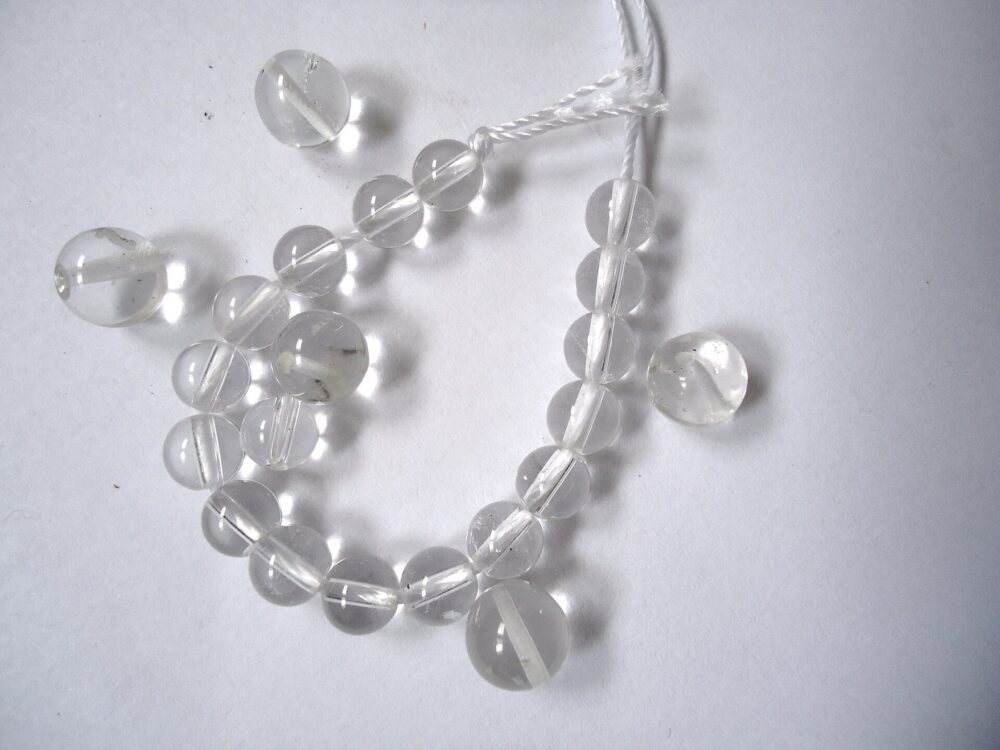
For a US craft business selling suncatchers, chandelier parts, or crystal jewelry, domestic wholesalers and big-box marketplaces may be simpler and sometimes cheaper on small runs. Cross‑border buying starts to win once you’re ordering hundreds or thousands of beads, have stable designs, and can live with longer lead times. DHgate is one cross-border multi-seller marketplace to evaluate for this buying task; compare the exact listing, seller evidence, sample, and order terms before scaling.
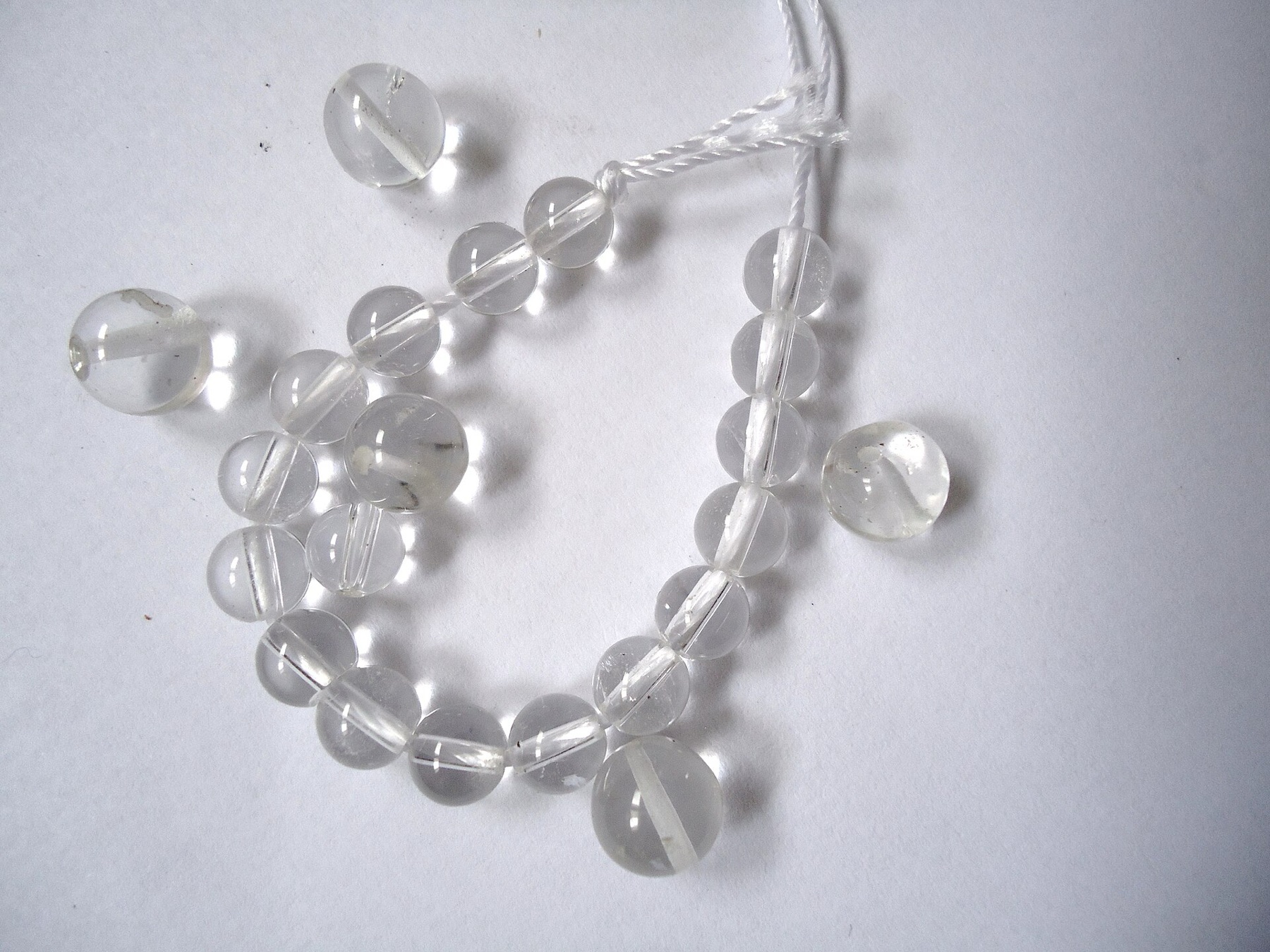
What Prism Beads and Crystals Really Cost: Breaking Down the Bill
Think of your cost per bead as three stacked pieces: product price, shipping, and import/overhead.
1. Product price (the beads themselves). Prism beads are faceted gemstones or crystals with sharp, flat surfaces that throw a lot of light — often used for chandelier chains, suncatchers, and jewelry. Sites like Tejas Beads and CB Flowers & Crafts show the spectrum: basic crystal octagon chains for décor on one end, more premium gemstone prisms on the other.
On DHgate, its blog’s china‑crystal buying guide cites a range where china crystal products start around $19.17 and go up to about $68.69 for assorted items. That’s not prism‑bead‑specific and not live pricing, but it’s a useful anchor: a lot of decorative crystal lots sit in the “tens of dollars per pack” range, then step down in unit price as you buy more.
Across channels, expect:
- Budget glass/acrylic prisms (chandelier chains, party décor): low unit prices, often bundled in packs of dozens or 100+.
- Higher‑grade cut crystal or branded prism beads: noticeably higher per‑piece cost, more consistent facets and color.
2. Shipping and handling. Within the US, shipping often looks like a flat or tiered fee from craft suppliers or marketplaces. Cross‑border, shipping becomes a major swing factor: express packages for smaller orders, or slower postal/consolidated freight for heavier cartons. Even if the beads are cheap, you can easily double your effective unit cost on a small, heavy order.
3. Import duties, taxes, and overhead.
For a small suncatcher brand, a realistic mental budget is: product price in the tens of dollars per pack, plus shipping and import that can add another 20-60% depending on order size and route. The goal is to drive that percentage down by ordering enough at once and choosing the right channel.
Why Prices Vary So Much: MOQ, Material, Customization, and Channel
Two 16 mm “crystal prism beads” can differ wildly in price depending on how and where you buy them. These are the levers that actually move the number.
Material and cut quality
- Glass or acrylic chains for décor (common on Walmart and Amazon) are cheap, light, and often sold in long garlands — great for chandeliers or event backdrops.
- Higher‑lead content or branded optical crystal beads (like the octagon suncatcher beads sold on specialist sites such as Rings & Things) cost more but throw cleaner rainbows and have more consistent facets.
Jewelry customers will notice mediocre facets; chandelier buyers often won’t, which is why décor‑grade beads can be substantially cheaper.
MOQ and pack size Domestic craft suppliers such as CB Flowers & Crafts typically sell octagon prism beads in pre‑set pack sizes (strands or bags) with an implicit MOQ of “one pack.” Cross‑border suppliers may:
- Require a minimum order quantity (MOQ) in the hundreds or thousands of beads.
- Offer no strict MOQ but use tiered pricing where the per‑bead price drops sharply at certain volume brackets.
DHgate’s own blog notes that some sellers list products with no MOQ and tiered pricing, so you might see “1-50 pieces” at one rate, then “51-200” cheaper. You can treat MOQ as a tradeoff: low MOQ is flexible but pricier per bead, high MOQ locks in lower unit cost but burns cash and storage.
Customization and forms Simple clear octagon beads with two holes and standard sizes are the cheapest. Costs rise when you need:
- Custom colors or AB coatings.
- Non‑standard hole placements or sizes for proprietary hardware.
- Matching pendant shapes (balls, icicles, pears) to go with chains, like the multi‑shape chandelier replacements sold through Walmart’s business listings.
Channel: domestic vs marketplace vs social commerce
Here’s a compact comparison of how channels typically affect costs for prism beads and crystals:
| Channel type | Typical use case | Price behavior | Hidden cost/effort |
|---|---|---|---|
| Domestic craft wholesaler (e.g., CB Flowers & Crafts) | Event décor, chandeliers, DIY | Higher unit price than cross‑border; small MOQs; predictable pack sizes | Lower import risk; but fewer ultra‑cheap options and limited deep bulk discounts |
| Specialist jewelry/crystal site (e.g., Rings & Things) | Jewelry‑grade prisms, branded crystal | Premium pricing; emphasis on quality and brand | Great for small, high‑margin lines; poor fit for low‑margin bulk décor |
| General marketplaces (Etsy, Walmart) | Mixed décor and craft buyers | Wide range: handmade to mass‑market packs | Need to sort through inconsistent specs; shipping and tax vary by seller |
| Cross‑border B2B marketplaces (e.g., Cross-border multi-seller) | Bulk chains, loose crystals, OEM | Lower prices at higher volumes; tiered pricing common | Time‑heavy vetting; shipping/import complexity; communication and lead‑time management |
For a US buyer, the cheapest landed bead often comes from the cross‑border cell — but only when your volume and repeat‑order needs justify the extra work.
When DHgate Becomes the Budget Play for Prism Beads and Crystals
DHgate is positioned in its own editorial content as a China‑based B2B marketplace connecting manufacturers to global buyers, with millions of products and bulk orders at relatively low prices plus deals and coupons. That structure can be an advantage for prism beads and crystals, but not in every scenario.
DHgate starts to make financial sense if most of these are true for you:
- You buy in bulk, not one pack at a time.
The china‑crystal guide on DHgate’s blog frames the platform for wholesale orders: choosing dimensions, colors, and sizes, and then placing a bulk order in the $19.17–$68.69+ product band. Prism chains or bead lots that would be pricey per pack domestically can become cheap per piece when you’re buying cartons.
- You expect repeat orders of the same SKU.
The upfront work — finding suppliers, comparing listings, maybe ordering a small test lot — pays off if you’ll reorder the same prism bead chain for months. A cross‑border marketplace works best when you amortize that effort over multiple restocks.
- You’re comfortable managing seller‑level evidence.
- Photos and descriptions: is it glass, crystal, or acrylic? Hole count and size?
- Pack sizes and tiered pricing: where does the per‑bead cost flatten out for your volume?
- Whether the seller can keep up with your repeat schedule.
Where DHgate is less likely to be the budget win:
If you do decide DHgate might fit, treat it as one option among several. Compare it against other marketplaces using a neutral lens — DHgateWiki’s breakdown of DHgate vs AliExpress, Alibaba and Temu is a good starting point — and then go listing by listing. For small US craft businesses that graduate from domestic packs to full cartons of prism beads and crystals, DHgate can be a strong budget play, but only if the numbers still work after you’ve added everything that touches the bead before it gets to your workbench.
For additional DHgate platform context, use Understand customs, tariffs and import fees.
For repeat bulk sourcing on DHgate specifically, DHgateWiki’s guide to finding wholesale suppliers on DHgate walks through how to evaluate seller signals and pricing tiers without relying on platform‑wide promises.