
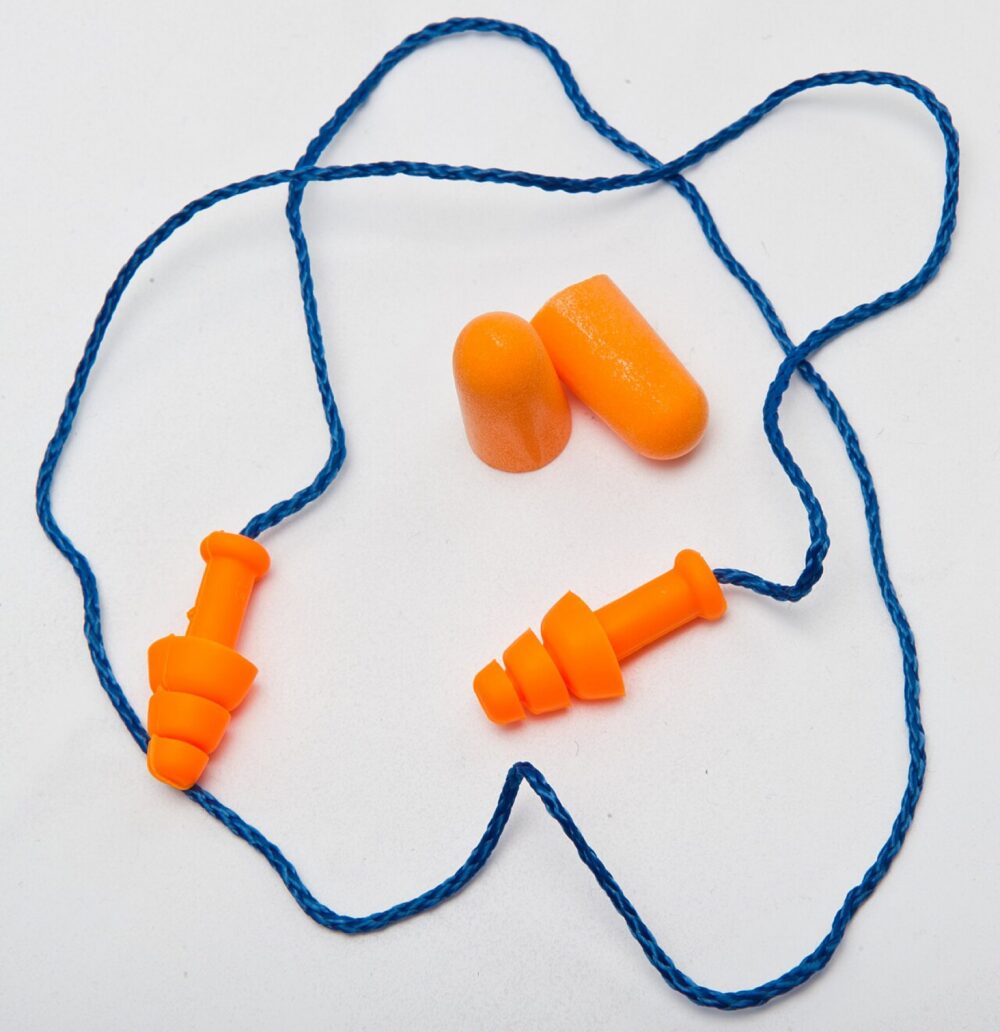
Australian workshops and small ecommerce sellers can buy bulk earplugs either from local PPE distributors and marketplaces or from cross‑border wholesale platforms. For most safety‑critical workplaces, Australian‑based PPE or industrial suppliers with clear noise ratings and documentation are usually the safest first stop. Cross‑border marketplaces start to make more sense once you want customised or unbranded silicone plugs in larger volumes, can tolerate longer lead times, and are prepared to verify specs and suppliers yourself.
How bulk earplugs and hearing protection typically reach Australian buyers
Behind a simple box of foam earplugs is a fairly standard chain: most disposable foam plugs, reusable silicone plugs and ear muffs are manufactured at scale in Asia, then brought into Australia by brand owners and PPE importers, who distribute through:
- specialist hearing and PPE sites (such as Australian‑based retailers like Earjobs),
- trade and industrial suppliers (for example, metal‑detectable corded plugs in business‑oriented boxes via Werko), and
- general marketplaces and hardware/chemist chains.
Major brands like 3M’s Australian earplug range cover disposable foam, reusable plugs and push‑to‑fit styles aimed at workplace hearing protection. These often arrive in bulk boxes (e.g., around 80-200 pairs) or dispenser refills, which is the format you’ll see on Australian PPE sites and in big‑box hardware.
For a small workshop, that usually means:
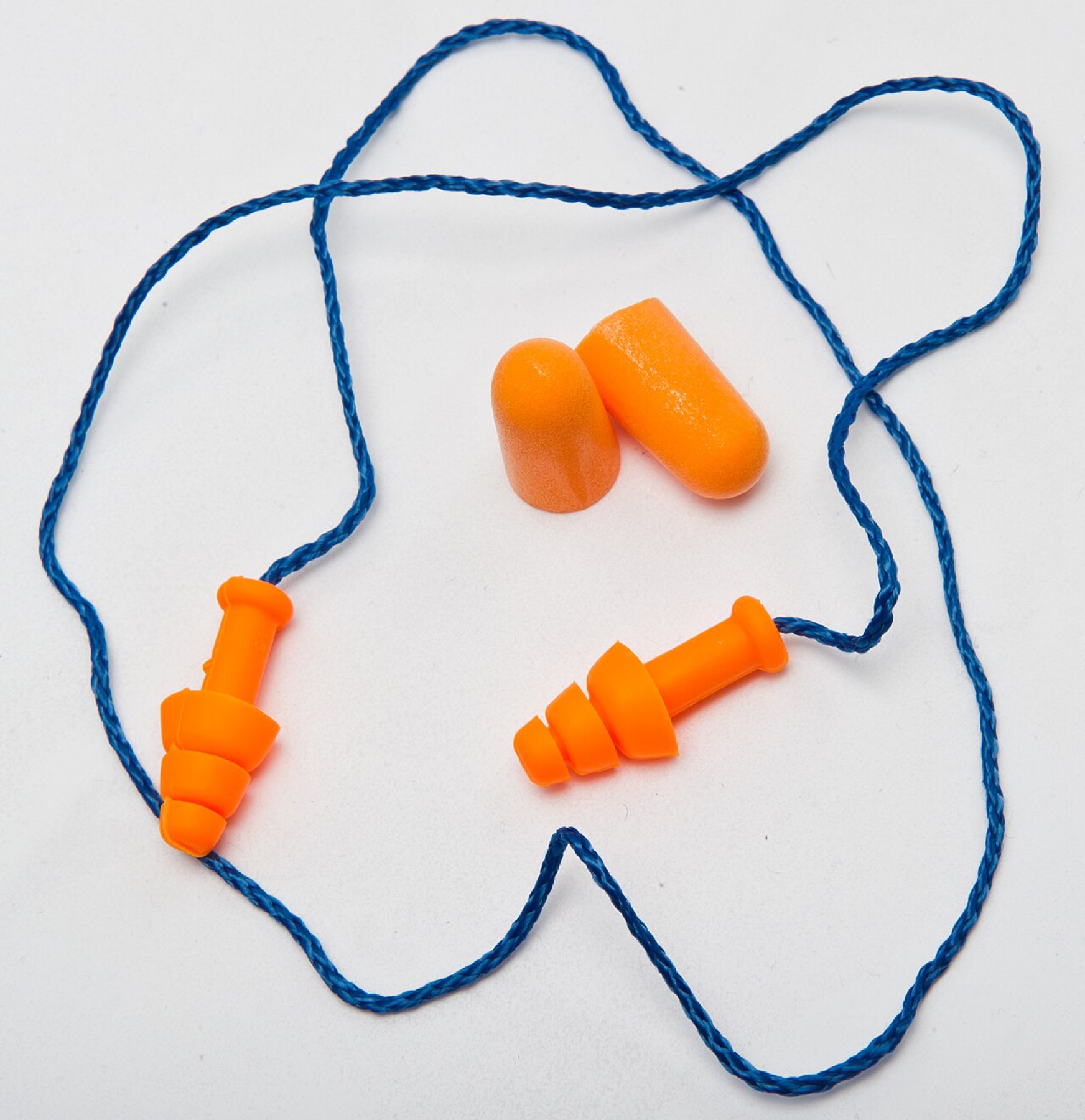
- Foam earplugs in boxes or tubs for general machining or construction work.
- Corded or metal‑detectable plugs for food, beverage or pharma environments, often sold locally in ~100‑pair cartons targeting business orders.
- Reusable silicone or filter earplugs for musicians, events, or ecommerce resale, where consumer‑style packaging and branding matter more than dispenser boxes.
Custom‑moulded plugs (for musicians or high‑noise specialists) are normally delivered through Australian clinics or niche providers, not bulk cartons, so they are rarely a good fit for small buyers who just need stock earplugs.
Choosing and checking suppliers for bulk earplugs
For Australian buyers, the key decision is usually not where the website is hosted, but whether the earplugs you’re buying are clearly suitable for your use and reliably supplied. That comes down to the listing details and the seller behind them.
What to look for in earplug listings
For any workshop, and especially for workplaces subject to WHS rules, take the time to check:
- Noise reduction rating is clearly stated. Look for a specified rating (NRR/SNR or similar) rather than vague claims like “great for loud environments.” If you can’t see a number or data sheet, treat it as low‑trust for industrial use.
- Use case matches your environment. Multi‑pack foam plugs on marketplaces like Amazon.com.au’s bulk ear plug listings may be pitched for sleeping and concerts; that might be fine for resale or casual use, but may not suit grinding, shooting or continuous industrial noise. Match the marketing language and images to your real‑world tasks.
- Packaging format. For a workshop, boxes of 80-200 pairs or dispenser refills are more practical than hundreds of loose pairs in one plastic bag. On PPE‑style sites (including trade suppliers such as Werko’s 100‑pair boxes of corded plugs), the packaging is usually spelled out.
- Single‑use vs reusable. Check whether the seller expects plugs to be disposable foam, reusable silicone, or filter‑style musician plugs. If you’re a reseller, confirm how many uses the manufacturer suggests and whether cleaning instructions are provided.
Supplier vetting: what’s specific to earplugs
General ecommerce hygiene still matters (clear contact details, realistic product photography, consistent branding), but earplugs add a few extra questions worth asking before a bulk order:
- Can they provide documentation? Ask the supplier for spec sheets or lab reports backing the claimed noise reduction rating. For overseas sellers, also ask which standard the testing followed and confirm it in the documents yourself.
- Do they sell to businesses already? Local PPE sites such as Earjobs emphasise both single‑pair and bulk business orders, and trade suppliers that offer 100‑pair cartons usually mention business or trade use on the product page. That’s a useful signal they understand recurring workshop needs.
- What packaging and labelling will you actually receive? On cross‑border or generic marketplaces, confirm if each pair is individually bagged, carded for retail, or supplied loose; and whether any compliance or warning text appears in English on the packaging.
- Can you test a small batch first? For unbranded or private‑label plugs, try to start with the smallest carton or sample run, test comfort and fit with a few users, then step up volume.
Simple red flags for earplug sourcing include: no noise rating mentioned anywhere; stock photos that don’t match the item description; sellers unwilling to provide documentation; or listings that copy famous brand language but use a different, unrecognisable brand name.
Comparing sourcing channels for Australian buyers
Australian buyers usually choose between three broad routes for bulk earplugs and hearing protection.
Channel options at a glance
| Channel type | Typical strengths for AU buyers | Common limitations for small orders |
|---|---|---|
| Local PPE/hearing specialists (e.g. Earjobs‑style sites) | Clear product use cases, bulk cartons for business, familiar brands, quicker domestic delivery | Per‑pair cost often higher than importing unbranded stock |
| General AU marketplaces (e.g. Amazon.com.au) | Huge variety of multi‑packs and brands, easy small‑batch testing | Listings skew to consumer sleep/concert use, mixed quality |
| Trade/industrial PPE sites | Business‑oriented packaging (e.g. ~100‑pair boxes), corded/metal‑detectable options | Product range focused on industrial needs, less consumer‑friendly packaging |
| Cross‑border wholesale marketplaces (incl. Cross-border multi-seller) | Access to many unbranded silicone/foam plugs and cases in large quantities, scope for custom or private label | Longer lead times, buyer must check specs, packaging and documentation carefully |
How cross‑border marketplaces like DHgate fit in
Cross‑border platforms host many independent sellers offering earplugs for swimming, sleep, concerts and workshops. For example, around 2026-09-22, DHgate listed multiple products such as:
- Silicone Ear Protection Earplugs Waterproof Sound Insulation Earplugs Washable with Earplug Caps Case for Swimming Showering
- Soft Silicone Earplugs Ear Protection Multi-Use Noise Cancelling Earplugs Noise Prevention Noise Reduction
- Ear Plugs for Noise Reduction Ear Protection Reusable Silicone Ear Plugs Swimming Ear Plug Sleeping Earplugs Set
- Noise Reduction Earplugs – Hearing Protection for Concerts Festivals Live Events Musicians Sports DJs Nightlife
These snapshots illustrate the range of silicone and foam earplug styles promoted for hearing protection, swimming and sleep, but they are not an endorsement of quality or compliance. DHgate’s own editorial blog also describes the platform as one place to buy PPE items, including hearing protection, in bulk from Chinese sellers.
For an Australian workshop or reseller, this sort of cross‑border route is more likely to suit you if:
- you need large volumes of unbranded plugs or kits with carry cases,
- you want to develop your own brand packaging over time, and
If you do explore this route, it’s worth reading platform‑specific sourcing advice such as Find wholesale suppliers on DHgate and Choose a DHgate wholesale supplier before placing larger orders.
Local example vs cross‑border example for a 1,000‑pair order
To ground this, imagine you need around 1,000 pairs of general‑purpose foam plugs for a metalwork shop:
- Local PPE route: You might buy five boxes of ~200 pairs from an Australian PPE or industrial site. Your per‑pair cost is higher but you’ll usually get recognised brands, clear local marketing for workplace use, and domestic shipping. This suits workshops needing reliable stock replenishment and clearer alignment with Australian WHS expectations.
- Cross‑border route: You might look at a cross‑border marketplace listing offering bulk packs of unbranded foam or silicone earplugs. The headline unit price can be lower, especially at higher quantities, but you’ll need to factor in international freight, currency conversion, and the time and effort to confirm noise ratings and packaging, as well as longer lead times and potential variability between batches.
In practice, many Australian buyers start locally to establish what works for their workers or customers, then trial a small cross‑border batch only once they know the exact type of plug, firmness, and packaging they’re trying to match.
A quick note for ecommerce resellers
If you run a small online store, you’ll care more about retail packaging and differentiation than a workshop does. Local marketplaces like Amazon.com.au’s bulk earplug listings are useful for testing shapes, colors and case types that sell, one brand at a time.
Once you know what sells, cross‑border suppliers can sometimes provide unbranded or white‑label silicone plugs with cases, which you can combine with your own packaging and instructions. In that scenario, be strict about documentation, and consider starting with a small trial run before committing to a full private‑label line.