Most Bugs Bunny T‑shirts you see online are finished, officially licensed graphic tees sold one‑by‑one, not open stock you can just print and resell. If you’re in Canada and want Bugs Bunny shirts in bulk, your realistic choices are either buying licensed finished tees from big retailers and print‑on‑demand (POD) platforms, or sourcing blank shirts in bulk and using a printer that has (or can obtain) the right to use Looney Tunes artwork. Global marketplaces add volume options, but they come with licensing risk if designs aren’t clearly authorized.
For personal wear or a small fan collection, you can simply buy individual shirts from retail sites and marketplaces. For a small ecommerce brand or merch line, you need to think in terms of licensing, minimum order quantities (MOQs), landed cost into Canada, and which supplier type matches your volume and risk tolerance.
How Bugs Bunny T‑Shirts Are Typically Produced and Sold
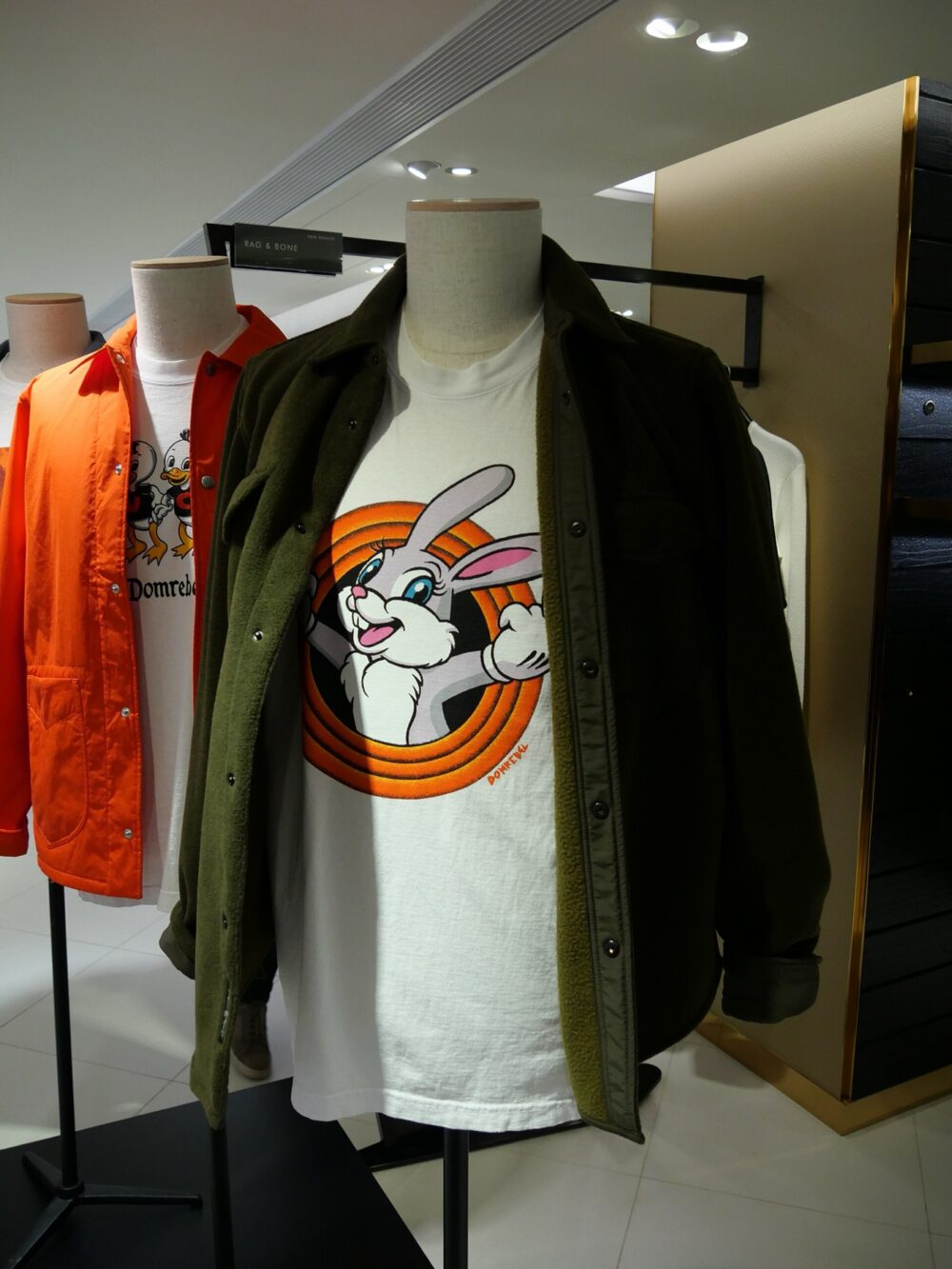
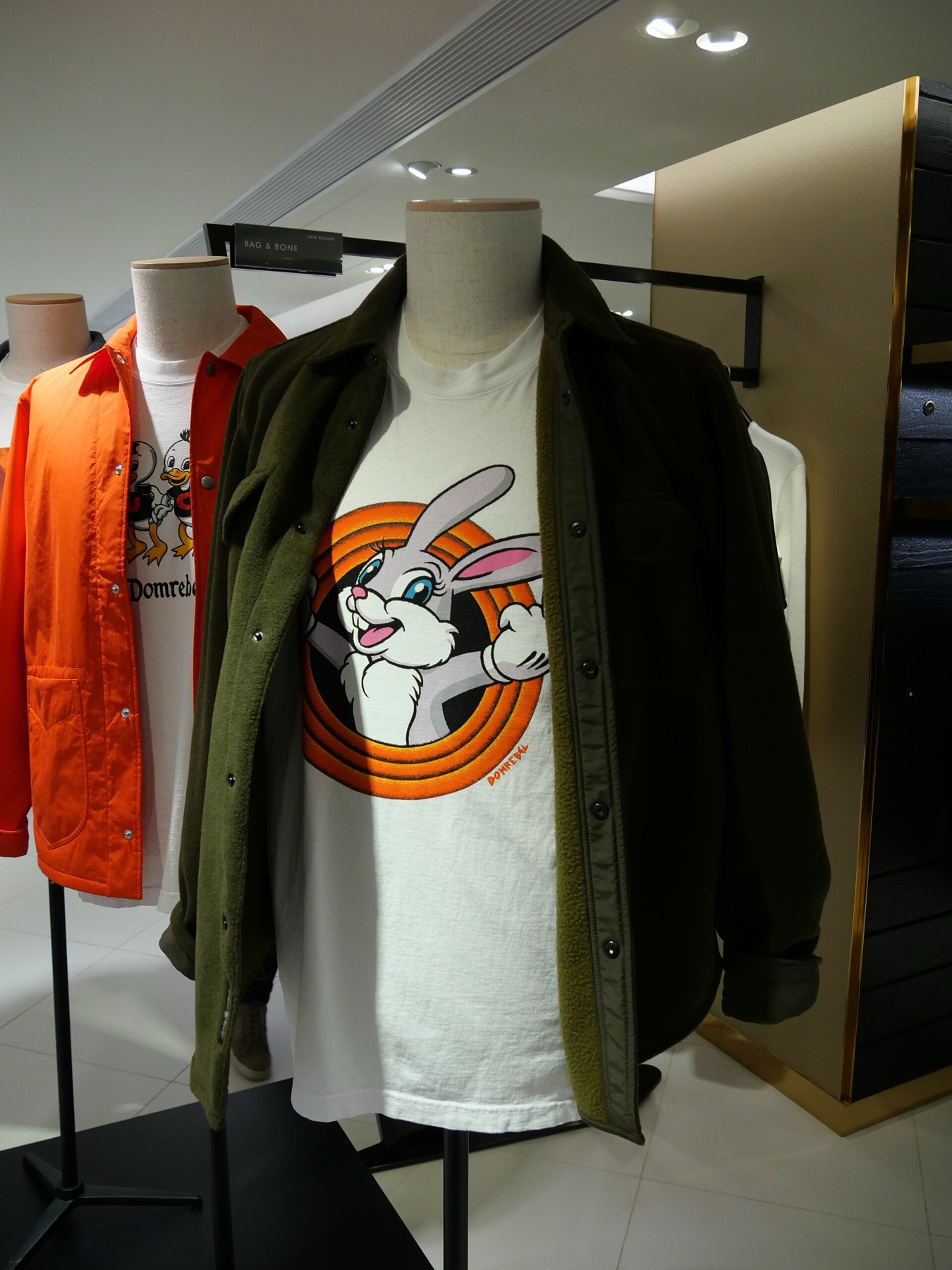
Bugs Bunny T‑shirts are character tees featuring the Bugs Bunny rabbit from Looney Tunes—usually with cartoon poses, catchphrases like “What’s up, doc?”, or more stylized art and mashups. You can see this range of designs on artist platforms such as TeePublic, where Bugs Bunny graphics span from classic character art to more creative interpretations.
The key distinction for sourcing is licensing:
- Official Bugs Bunny shirts use artwork approved by Warner Bros or its licensees, and are sold as finished goods. For example, Zazzle lists official designs such as a BUGS BUNNY™ With Carrot T‑Shirt and a BUGS BUNNY™ Hands on Hips T‑Shirt. These are retail or print‑on‑demand products, not blank stock.
- Mass‑retail Bugs tees at chains like Walmart or pop‑culture shops like WB’s Bugs Bunny collection are also finished licensed products. They’re sold as end products, typically one at a time.
- Generic bunny/cartoon tees might feature rabbits or parody art but are not necessarily Bugs Bunny or officially licensed. These can be safer to use for custom merch if you avoid direct use of trademarks or known character likenesses.
This structure matters: most buyers cannot legally put Bugs Bunny on a shirt without a license. So “wholesale Bugs Bunny T‑shirts” usually means either:
- Buying licensed finished shirts in volume from an authorized reseller; or
- Buying blank shirts and working with a printer who has rights to use Looney Tunes graphics, or sticking to non‑Bugs Bunny bunny themes.
Choosing and Vetting Suppliers for Cartoon Tees
You have four broad supplier types if you want Bugs Bunny or similar cartoon tees in Canada.
1. Official retail and print‑on‑demand (POD)
Retail/POD sites are best for single units or small mixed orders with low hassle:
- Zazzle offers multiple official Bugs Bunny designs like the carrot and hands‑on‑hips tees mentioned above.
- Pop‑culture retailers and WB’s own Bugs Bunny collection carry licensed shirts as standard retail items.
Pros: you get licensed art, predictable quality, and no licensing paperwork for personal use or basic resale of intact, genuine products. Cons: pricing is per piece, and you won’t get true wholesale margins unless you negotiate separately through a B2B program.
2. Marketplaces for creators (Etsy, artist platforms)
On marketplaces like Etsy’s Bugs Bunnys T‑shirt listings, you’re often dealing with independent creators.
- Some designs may be original, rabbit‑themed art that’s fine for merch.
- Others may be unlicensed uses of famous characters.
For a Canadian brand, that’s risky. If you’re considering bulk from a creator:
- Ask directly whether the artwork is licensed or original non‑Bugs‑Bunny art.
- Request written permission to use their original designs on your shirts, and avoid anything that clearly copies official Looney Tunes imagery.
If you want truly above‑board Bugs Bunny merch, focus on sellers who explicitly mention Warner Bros licensing or stick to generic rabbits.
3. Blank apparel wholesalers plus custom printing
If you care more about having rabbit or cartoon‑style designs than the exact Bugs Bunny IP, bulk blank suppliers are often the most practical route.
- In Canada, Mark’s Work Wearhouse is highlighted in a DHgate editorial as a major source of shirts and workwear with bulk purchasing options. It has a strong shirt selection and offers some bulk incentives for multi‑item purchases, making it a realistic option if you’re sourcing base T‑shirts domestically.
- In the US, ShirtMax (also referred to as Bulk Shirts Warehouse in editorial context) is described as a wholesaler of blank apparel and a provider of custom design services. The article notes that typical custom jobs have minimums around a dozen pieces per style, rather than hundreds.
A common path for small Canadian ecommerce sellers is:
- Order blank tees from a domestic or nearby wholesaler (Mark’s or another North American blank supplier).
- Work with a local print shop or screen printer.
- Use original rabbit artwork or licensed Bugs Bunny graphics if you’ve secured rights.
This gives you control over fabric, print method, and sizing, plus easier returns and shipping inside Canada.
4. Global B2B marketplaces (Alibaba, DHgate, others)
For higher volumes and lower per‑unit headline prices, some buyers look to global marketplaces.
- Alibaba is described in DHgate editorial as a major destination for wholesale T‑shirts from Chinese suppliers, including options to add custom logos and designs.
- DHgate is portrayed in the same piece as a large China‑based B2B marketplace that sells shirts and tops in bulk directly from Chinese suppliers, alongside many other product categories.
On these platforms, you’ll mostly find:
- Plain or fashion‑style tees that you can customize yourself.
- Cartoon and bunny graphics of unclear licensing origin.
For Bugs Bunny specifically, treat any graphic listing as potentially unlicensed unless it clearly claims official Warner Bros authorization and you can verify that. A safer use case is sourcing plain or generic‑pattern shirts and doing your own licensed or original printing.
Wholesale Purchasing, MOQs and Channel Choices for Canadian Buyers
Different channels fit different order sizes and risk profiles. The table below compares common routes using bounded editorial signals rather than precise promises—actual MOQs and terms vary by supplier.
| Channel type | Typical order size (editorial) | Licensing situation | Use case for Canadian buyers |
|---|---|---|---|
| Retail / POD (Zazzle, WB Shop) | 1-20 mixed pieces | Official Bugs Bunny on finished goods | Personal wear, small curated drops with low admin overhead |
| Creator marketplaces (Etsy) | 1-50, often custom | Mixed; must vet each artist and design | Unique rabbit art, micro‑batches once licensing/originality is clear |
| Blank wholesalers (Mark’s, ShirtMax/Bulk Shirts Warehouse) | Around a dozen+ per style (editorial) | No character art; you add your own prints | Building your own bunny brand with safer IP control and local logistics |
| Alibaba wholesale | Dozens–hundreds+ (varies by supplier) | Mostly blank/custom; vet any cartoon graphics | Cost‑focused bulk sourcing where you handle printing/licensing yourself |
| DHgate wholesale | Dozens–hundreds+ (varies by supplier) | Bulk shirts; any cartoon prints need vetting | One option among China‑based bulk shirt marketplaces for plain tees |
For a Canadian buyer, some practical patterns:
- Buying individually or in small bundles: stick to licensed retailers and POD. You get Bugs Bunny graphics without worrying about contracts, and importing a handful of shirts usually only means modest shipping and tax.
- Launching a small bunny‑themed apparel line: use blank wholesalers (Canadian or US) plus a printer and original art. You avoid big upfront licensing negotiations and reduce customs complexity by sourcing close to home.
- Scaling into larger volumes with cost pressure: consider global marketplaces for blanks, but be realistic about landed cost. Duties, GST/HST, brokerage fees, and shipping from China can erase a lot of headline savings, especially for mid‑size orders.
DHgate’s fit in that decision
If you decide that importing bulk blanks or non‑specific bunny shirts from China makes sense, DHgate can be one of the marketplaces you search alongside Alibaba and others. Editorial context describes it as a long‑running wholesale shopping site connecting international buyers with Chinese sellers and offering a variety of shirts and tops in bulk.
For Bugs Bunny‑style projects, a buyer‑safe way to use DHgate is:
- Search for plain cotton or fashion T‑shirts in the quantities you need, rather than pre‑printed cartoon designs.
- Treat any bunny or cartoon graphic tees as unverified fan art unless you can independently confirm licensing.
- Use DHgate only for the garment itself, and handle printing in Canada with original art or properly licensed Bugs Bunny graphics.
If you go this route and want more detail on vetting suppliers on DHgate, you can apply general wholesale‑supplier vetting steps from broad guidance like find wholesale suppliers on DHgate and find DHgate suppliers to T‑shirt sellers specifically.
Landed cost and MOQ strategy for Canada
Two practical tips for Canadian buyers:
- Model landed cost per shirt, not just unit price. A low‑priced tee from overseas can end up costing more than a domestic blank once you factor in shipping, currency conversion and import charges. For small and mid‑size orders, domestic sources like Mark’s Work Wearhouse or North American wholesalers often win on predictability.
- Use small MOQs to test the concept. Suppliers described in editorial context as working with minimums around a dozen pieces per style (such as Bulk Shirts Warehouse/ShirtMax) are useful for testing designs and sizing before you commit to larger Bugs Bunny or bunny‑themed runs.
In short: if you need true Bugs Bunny graphics, think licensed finished goods or proper licensing plus local printing. If you just want bunny‑themed cartoon tees with less IP complexity, blank shirt wholesalers and cautious use of global marketplaces can give Canadian buyers more flexibility without stepping into a licensing minefield.