
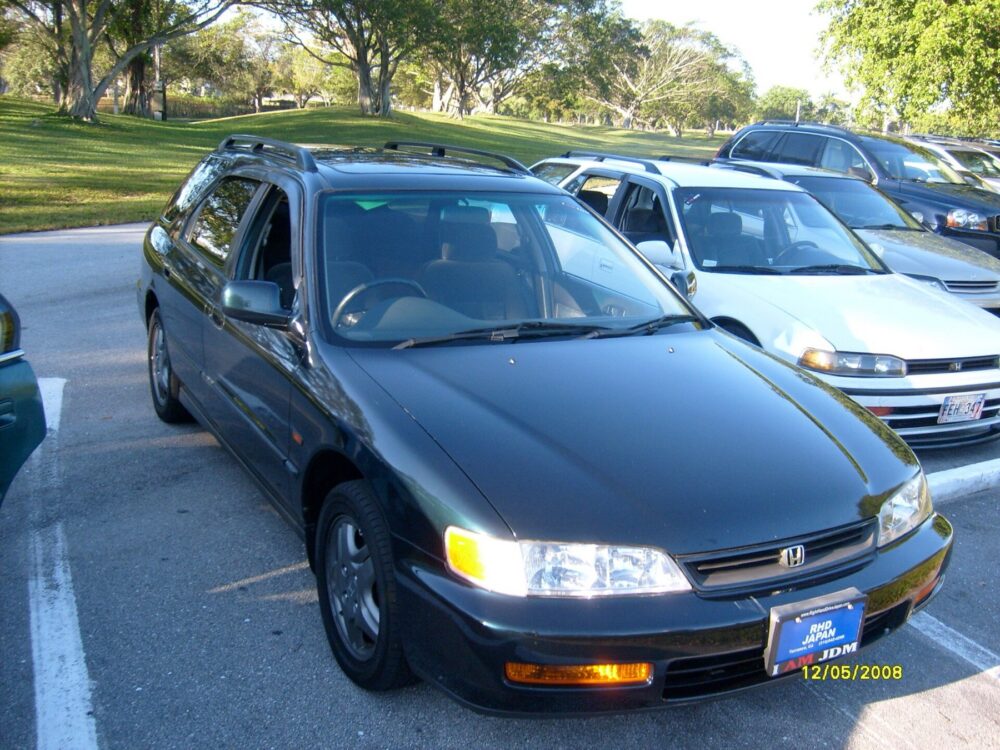
If you want Honda Accord headlights that actually fit, start by treating them as year‑ and trim‑specific parts, not generic lighting. The practical way to buy correctly is to match your VIN or exact year/trim to OEM headlight part numbers, then decide whether to order those same assemblies from a dealer or online parts retailer, or switch to an aftermarket design that’s explicitly built for your generation of Accord. For Canadian buyers, that usually means combining Honda documentation with parts sites that do VIN matching and cross‑checking listings on Canadian retailers and marketplaces.
Honda Accord headlights by generation: what you’re actually buying
A “Honda Accord headlight” is usually a full assembly: housing, lens, internal reflector or projector, and sometimes built‑in daytime running lights (DRL) or LED accents. Bulbs or LED modules may be separate consumables, but the assembly itself is what needs to bolt in and plug into your factory wiring.
Across its generations, Honda has equipped the Accord with different lighting technologies, including traditional halogen reflectors, projector‑style lamps, and integrated LED systems.headlights.com On older Accords, you’re typically looking at halogen reflector units with separate bulbs. Later models add projector beams and, in higher trims, LED low beams or full LED headlight systems, sometimes bundled with distinctive DRL signatures.Honda Canada Accord brochure
That evolution matters because:
- A halogen reflector assembly won’t necessarily accept LED projectors without wiring changes.
- LED DRL elements are often integrated; you can’t just swap bulbs.
- Higher‑trim LED or projector headlights may use different connectors than base halogen units.
Here’s how that plays out in practice:
| Scenario | Typical headlight tech | What changes for you |
|---|---|---|
| Older Accord with base trim | Halogen reflector, separate bulbs | Cheaper assemblies, more aftermarket choice, wiring usually simple. |
| Mid‑generation Accord upgraded trim | Projector low beam, halogen or LED accents | Need assemblies that match projector design and trim; wiring more sensitive. |
| Recent Accord top trims (per brochure) | LED headlights with DRL | Assemblies are tech‑dense and expensive; part numbers and VIN matching become critical. |
For small ecommerce sellers, this means you can’t sell “Accord headlights” as a single SKU. You’re stocking specific applications: e.g., “2011 Accord sedan, non‑projector,” versus “2013-2015 Accord sedan, LED DRL retrofit strip” as shown in specialized listings.eBay DRL retrofit example
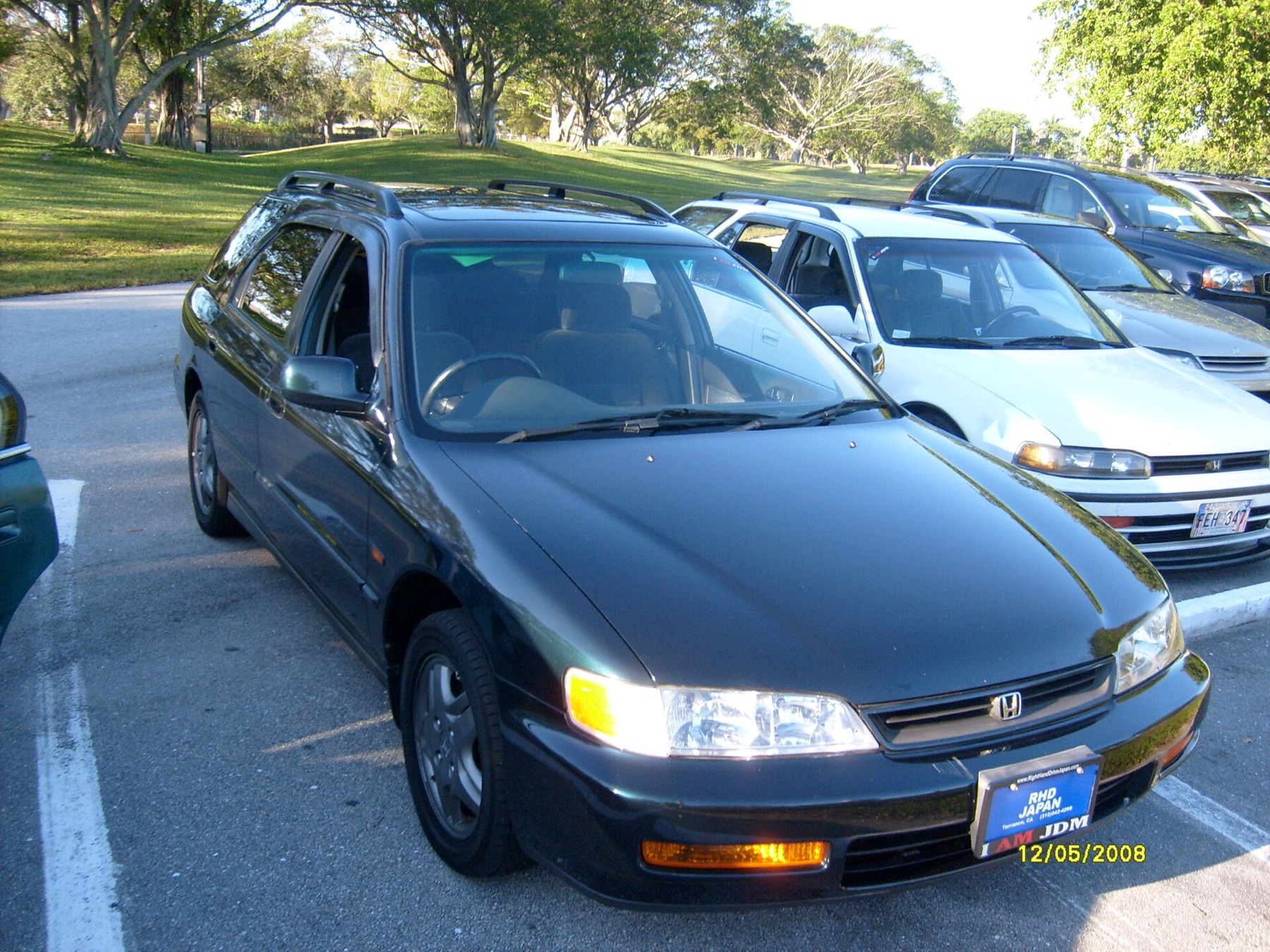
OEM vs aftermarket and how to confirm a perfect fit
The most reliable way to ensure a headlight assembly will bolt in and plug in correctly is to start from Honda’s own data and work outward.
1. Lock down your OEM part number
Honda documentation ties specific model years and trims to particular headlight technologies and DRL implementations; Canadian brochures show, for example, which Accord trims include LED headlights or LED DRL as standard.Honda Canada Accord brochure
To turn that into a part number, you can:
- Use your VIN or year/trim on an OEM parts site that specializes in Honda, such as HondaPartsNow’s Accord headlight page. These sites let you select the exact model and often show diagrams, left/right options, and projector vs halogen versions.
- Cross‑check with a Canadian dealer parts portal like Toronto Honda Parts’ headlight assembly listing to confirm the same part number appears for your configuration.
Once you have that OEM number, every aftermarket listing should either reference it directly (“replaces OEM part XXXXX”) or clearly state the same year/trim fitment.
2. Decide between OEM and aftermarket
From there, you’re choosing between two broad paths:
- OEM assemblies (from dealers or OEM parts sites)
- Pros: Maximum likelihood of perfect fit and wiring compatibility; matches factory beam pattern and styling; helps resale value since the car looks stock.
- Cons: Higher cost; less variety in styling; availability depends on inventory and shipping.
- Aftermarket assemblies
- Pros: More styling choices (black housings, clear lenses, euro‑style); projector conversions and halo DRL designs specifically marketed for Accord applications.Slickcar projector conversion page Some Canadian performance retailers carry branded projector/halo units for Accord, such as Spyder‑style headlights with LED halos and DRL bands.GBP Performance projector headlights
- Cons: Fitment depends on the manufacturer; wiring may require adapters; quality and weather‑sealing can vary.
For safety and hassle‑free installation, single‑car owners usually stay OEM for recent LED or projector Accord headlights and consider aftermarket mainly for older halogen generations where the risk and cost are lower. Small resellers can stock a mix: use OEM for collision‑repair customers who want factory‑correct parts, and selective aftermarket styles for enthusiasts.
Where Canadians actually buy Accord headlights: retail, online, and cross‑border
You have several distinct sourcing channels as a Canadian buyer or small seller. Each has its own fitment and risk profile.
1. Dealer and OEM parts retailers
If your Accord is relatively new or uses complex LED headlights, dealer parts departments and OEM‑focused sites are the safest starting point. Canadian dealers may list assemblies directly, as in the Toronto Honda example above, and can confirm part numbers against your VIN. US‑based OEM parts sites like HondaPartsNow provide diagrams and help identify left/right and trim‑specific versions, though you’ll need to factor in cross‑border shipping and duties.
This channel is ideal for:
- Daily drivers needing one replacement after a minor crash.
- Insurance‑aligned repairs where factory parts are expected.
- Resellers serving body shops that insist on genuine Honda components.
2. Canadian auto parts chains and general retailers
Canadian chains such as NAPA Canada list replacement lighting and electrical parts for the Accord online. You can select your year, engine, and trim, then see available headlight assemblies and bulbs.
These chains tend to carry:
- Aftermarket replacement assemblies intended as OEM‑style substitutes.
- Bulbs and small electrical components.
They’re practical if you want local pickup, familiar branding, and quick returns. For resellers, they’re an accessible source of aftermarket “stock‑style” lights, but margins may be thinner than ordering directly from wholesalers.
3. Performance and styling‑focused retailers
If your goal is an upgrade or a more aggressive look, Canadian performance retailers are more relevant than general chains. Sites like TDotPerformance’s Accord headlights category and GBP Performance’s projector/halo listing showcase aftermarket assemblies tailored to specific Accord years.
Here you’ll find:
- Projector conversions marketed for certain Accord generations.
- Halo, LED DRL, and euro‑style designs.
Single‑car owners should double‑check fitment charts and make sure the listing calls out their exact year and body style (sedan vs coupe). For small ecommerce businesses, these catalogs can be a sourcing base for niche SKUs, but you’ll need clear product descriptions and return policies because customers will blame you for any misfit.
4. Used and peer‑to‑peer marketplaces
Finally, many Accord owners source headlights through used channels: Facebook groups focused on cars or parts, regional buy/sell/trade groups, and classified listings. The SERP examples of “2008-2012 Honda Accord Headlights OEM” or “2023-2026 Honda Accord OEM passenger LED headlight” posted in Facebook groups show how common this route is.
This path can deliver:
- Genuine OEM assemblies pulled from parted‑out cars.
- Unique trim‑level or LED units that are hard to find new.
But it also adds risks:
- Hidden damage (broken tabs, UV‑damaged lenses, moisture inside housings).
- Misidentified trim or year: a “2013-2017” label in a group post is not the same as a verified part number.
For single‑car owners, used parts make sense for older halogen Accords where perfection matters less and cost matters more. For resellers, used lights are usually too inconsistent to build a business on, but they can fill gaps for rare trims.
If you’re running a small ecommerce shop and considering cross‑border sourcing, combine these strategies: rely on OEM numbers and Honda documentation to pick the right assemblies, test a small batch from a Canadian performance retailer or aftermarket supplier, and only then broaden into more styling options or used units once you’ve seen what actually fits and sells for your specific Accord customer base.