
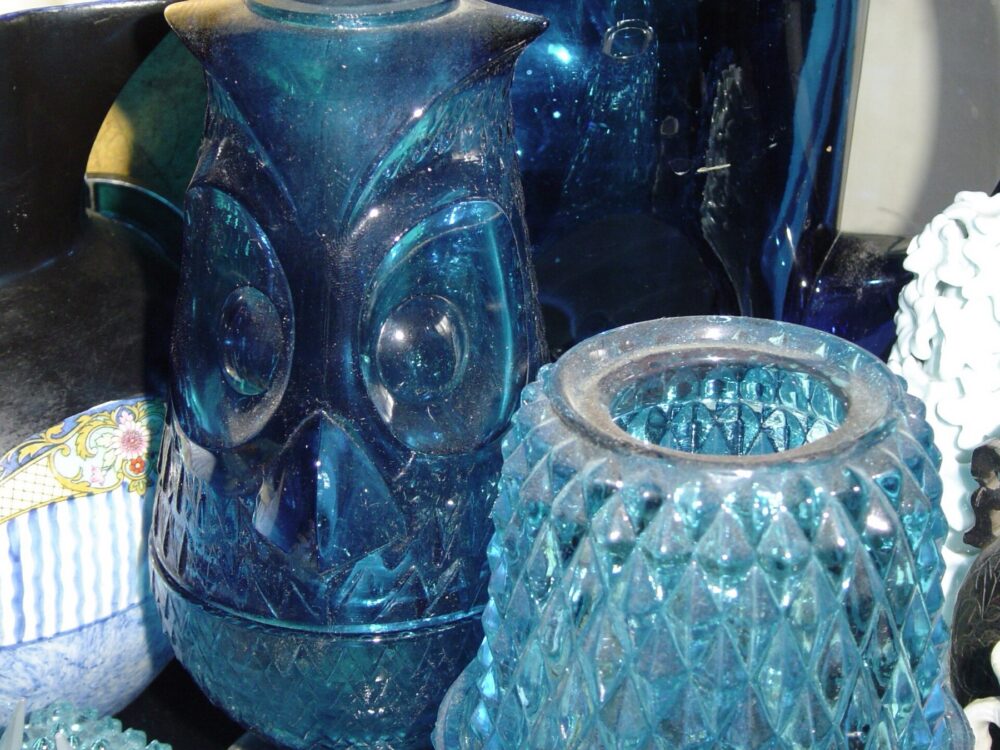
Blue plastic goblets and matching eyewear can absolutely be sourced in bulk for US events and resale. The real decision is which plastic, which supplier type, and which channel fits your order size. For a 150‑guest wedding, you might buy cobalt blue plastic wine glasses from a big retailer in packs of 12-48; for a catering operation or ecommerce store, you’re more likely dealing with case packs from foodservice distributors or direct factory orders, especially if you want custom logos or a specific shade of blue.
This guide connects the two sides of the category: event drinkware and fashion/sports eyewear, then shows how to judge suppliers and channels so you don’t end up with flimsy cups or un-sellable frames.
How Blue Plastic Glassware and Eyewear Move Through the Supply Chain
“Blue plastic glassware” typically means drinkware made from durable plastics that are either fully blue or tinted blue: goblets, tumblers, stemless “wine” glasses and cocktail glasses. Foodservice brands like Libbey’s Infinium line sell tidal‑blue stackable beverage glasses made from Tritan copolyester, a shatter‑resistant plastic positioned for indoor/outdoor service in bars and restaurants.Libbey’s example shows what you get in professional-grade plastic: impact resistance, stackability, and a color that reads well in photos.
Distributors such as WebstaurantStore carry slate or cobalt blue plastic tumblers in full cases, including customizable options that are common in bulk event drinkware. One slate‑blue tumbler case is part of Cambro’s Colorware line, indicating that blue isn’t a niche – it’s a standard color for high-volume service.Webstaurant’s slate blue tumbler listing is a good reference for what “case” buying looks like.
Eyewear is a different supply chain entirely. Plastic eyeglass frames are widely sold by retailers like GlassesUSA, with styles that come in full blue or with blue accents. Those frames are typically injection‑molded in dedicated eyewear factories, often in Asia, then distributed through brand wholesalers or direct‑to‑consumer retailers.
For bulk buyers, that split matters:
- Event drinkware usually comes from packaging/glassware factories or foodservice distributors. You’ll see case packs, carton quantities and options like Tritan, SAN, or PP.
- Eyewear and accessories come from eyewear/tactical/sports factories and wholesalers, with SKUs built around frame shapes, lens types and fashion colors.
On the US end, blue plastic goblets and tumblers show up on Amazon, Walmart and Shein as multipacks aimed at weddings and parties (e.g., 12-48‑piece sets marketed for receptions and “grand events”), while restaurant‑supply sites cater to caterers and venues with full cases. Blue plastic eyewear shows up in fashion retail, optical chains, and online marketplaces, often as part of broader collections where blue is just one colorway.
Evaluating Suppliers for Blue Goblets, Tumblers and Eyewear
You don’t evaluate a supplier of plastic goblets the same way you evaluate an eyewear wholesaler, but the core checks all revolve around materials, consistency, and communication.
For blue plastic glassware (goblets, tumblers, wine cups)
Event buyers often need hundreds of identical pieces that won’t crack halfway through service. Some practical checks:
- Material callouts, not just “plastic”: Look for Tritan, SAN, or food‑grade PP with clear descriptions. Libbey and similar brands highlight shatter‑resistant plastics and indoor/outdoor use; generic listings that just say “plastic cup” without material detail are higher risk for catering or rental use.
- Use case alignment: Foodservice distributors and restaurant‑supply sites position their blue tumblers for repeated use, dishwashing, and stacking. That’s a better fit for caterers or venues than single‑event disposables promoted on party sites.
- Bulk packaging: Case or carton descriptions (e.g., case of X pieces) and photos of how items are packed help you judge damage risk and storage practicality.
- Color consistency: If your event design depends on a very specific cobalt or tidal blue, ask for color specs or samples. Plastic batches can vary more than glass.
DHgate’s editorial content on plastic glasses for tablescapes notes that caterers and restaurants lean on plastic because it’s durable, easy to clean and cost‑effective, and that mixed colors are common in these setups.Their tablescapes piece is a useful reminder to think about how colors mix on a table, not just price per cup.
For blue plastic eyewear (frames, goggles, accessories)
For eyewear, the focus shifts to fit, fashion and regulatory compliance:
- Frame construction: Reputable eyewear retailers and wholesalers will show side, front and temple photos, and describe frame material (e.g., acetate vs standard plastic). Blue options on fashion sites like Allegiant Eyewear’s “Whimsy Blue” or Vogue Eyewear frames show how specific the style language gets.
- Intended market: Is it costume/fashion eyewear, optical frames meant to be fitted with prescription lenses, or sports goggles? Each has different expectations and potential regulations. Keep your sourcing within the use case you need; don’t repurpose costume frames as medical devices.
- Consistency for resale: If you’re stocking an ecommerce store, you need reliable color matching across batches. Ask about batch codes and how often molds or pigments change.
Across both categories, communication is a signal. Suppliers who can answer basic questions about materials, capacity (how many units per month), and whether they offer samples tend to be safer bets than sellers who just send a catalog link.
Order Size, MOQs and Channel Choices
Your best sourcing route depends heavily on how many pieces you need and how much customization matters. Here’s a channel‑level view tailored to blue plastic glassware and eyewear:
Typical patterns for events vs resale
- Small events (up to ~200 guests): Bulk sets of blue plastic goblets and wine glasses from Amazon, Walmart or Shein are usually sufficient. You’ll see 12-48‑piece packs marketed explicitly for weddings, birthdays and receptions, with colors like royal blue or cobalt in stock.
- Catering, venues, rentals: Case‑level buying from restaurant‑supply distributors (Libbey, Cambro via WebstaurantStore, KaTom, etc.) is more logical. You get durable plastics, predictable reordering, and the ability to mix sizes (tumblers, rocks glasses, wine goblets) within a color family.
- Ecommerce resale of drinkware or eyewear: For small online shops, combining domestic wholesale for drinkware with cross‑border sourcing for fashion eyewear or accessories is common once you’re ordering in the hundreds per SKU and accept longer lead times.
Compact channel comparison
| Use case | Best-fit route and rationale |
|---|---|
| 50-200 blue goblets for one event | Route: Large retailers or party-supply sites. Why: Ready-made multipacks, fast fulfillment, and no complex MOQ. |
| 500-2,000 durable tumblers | Route: Foodservice distributors or restaurant-supply companies. Why: Case packs, known plastics such as Tritan or SAN, and products designed for repeat washing. |
| Fashion or sports eyewear for resale | Route: Eyewear wholesalers or cross-border marketplaces. Why: Broad style and color selection, with room to scale after the seller and product are vetted. |
This is a heuristic, not a rule. For very price‑sensitive weddings, DHgate’s own blog on wedding cups points out that plastic cups bought in bulk are widely chosen for affordability in large events.Their wedding cup article mirrors what you’ll see on big retail platforms: plastic is often the cheapest way to serve hundreds of guests.
Where cross‑border marketplaces, including DHgate, start to make sense
For blue plastic drinkware, domestic options usually cover small and mid‑sized events well. Cross‑border marketplaces are more often used for:
- Eyewear frames and accessories in fashion, sports, or blue‑light blocking categories.
- Cases, straps and goggles where color and price matter more than brand.
Around 2026-10-12, a snapshot of DHgate listings shows several plastic eyewear options and accessories that could fit a bulk, cross‑border strategy:
- Blue Light Blocking Glasses Computer Eyewear Large Frame Anti-radiation for Men and Women 240708 — rated 5.0/5 from one review, with a price range of about $20.09–$25.73 USD. Category: Blue Light Blocking Glasses.
- Fashion Optical Glasses Frame Women Blue Light Men Business Large Square Eyeglasses Vintage Prescription Eyewear 260701 — an eyeglass frame listing with a wide price band ($21.11–$37.12 USD), showing how business‑style frames overlap with blue‑light positioning.
- Plastic Square Men’s and Women’s Polarized Fashion Colorful Sunglasses Driving Night Vision Goggles A637 — outdoor eyewear in the $8.35–$17.49 USD range, illustrating sports/fashion sunglasses with plastic frames.
Prices and availability change, and none of these examples are an endorsement; they’re snapshots of the kind of plastic eyewear you might compare if you’re testing cross‑border sourcing. Before committing, small buyers should treat each listing like its own supplier: check how long the seller has been active, request samples where possible, and start with modest quantities rather than full inventory bets.
How to match your needs to a sourcing path
To make a clean decision:
- If your priority is one big event with a specific blue aesthetic, start with big retail multipacks and case‑based restaurant supply; their plastics, colors and pack sizes are tuned for exactly that job.
- If your priority is ongoing service (catering, venue, rentals), bias toward foodservice‑grade plastics like the tidal blue Tritan glasses and slate blue tumblers used in restaurants. You’ll pay more per piece than the cheapest disposables, but they’re designed to survive repeated use.
- If your priority is resale (online shop, boutique), separate drinkware from eyewear in your strategy. Domestic distributors handle durable blue plastic glassware well; cross‑border marketplaces and eyewear wholesalers offer the variety you need for frames and goggles, but only after careful seller verification and small initial orders.
Treat “blue plastic glassware and eyewear” as two linked but distinct product families sharing a color palette, not a single category. Once you do that, the right suppliers — and the right channel — tend to reveal themselves quickly.