
Cross‑border sourcing can work for some automotive parts and accessories, but only if you stay out of safety‑critical components, treat certifications and documentation as non‑negotiable, and test small samples before you scale. For a US buyer or small ecommerce business, marketplaces like DHgate, Alibaba, and similar platforms can be sensible sources for non‑critical items—think cosmetic accessories, basic hardware, or generic consumables—while brake systems, steering components, and airbags should stay in regulated, domestic channels.
How the Automotive Parts Supply Chain Works for Small Buyers
The automotive parts supply chain is a multi‑tier network that runs from raw materials to finished vehicles and replacement parts. Industry descriptions highlight four broad layers: raw material suppliers, component manufacturers, original equipment manufacturers (OEMs), and distribution/retail networks for both new vehicles and spare parts.Barcode India overview
For a small US reseller, two distinctions matter most:
- OEM vs aftermarket. OEM parts are designed and sourced directly or indirectly for vehicle manufacturers and their authorized networks. Aftermarket parts are produced by independent manufacturers and sold through distributors, wholesalers, and open marketplaces. Planning analyses of the automotive parts supply chain note that smaller buyers usually connect through these aftermarket or wholesale channels—not through OEM component tiers.John Galt supply chain priorities
- Tiered suppliers. OEMs work with tier‑1, tier‑2, and tier‑3 suppliers who often have strict contractual and quality obligations. Small buyers rarely have access to those tiers; they buy from distributors, jobbers, or online sellers who aggregate inventory.
For cross‑border sourcing, that means you are almost always dealing with aftermarket manufacturers or trading companies, not the same suppliers feeding a US automaker’s assembly line. The realistic entry points for a US small business are:
- Domestic aftermarket distributors and jobber networks (e.g., what feeds local parts stores).
- Online marketplaces and B2B platforms for generic or accessory products.
- Direct relationships with independent factories, often in China or other manufacturing hubs.
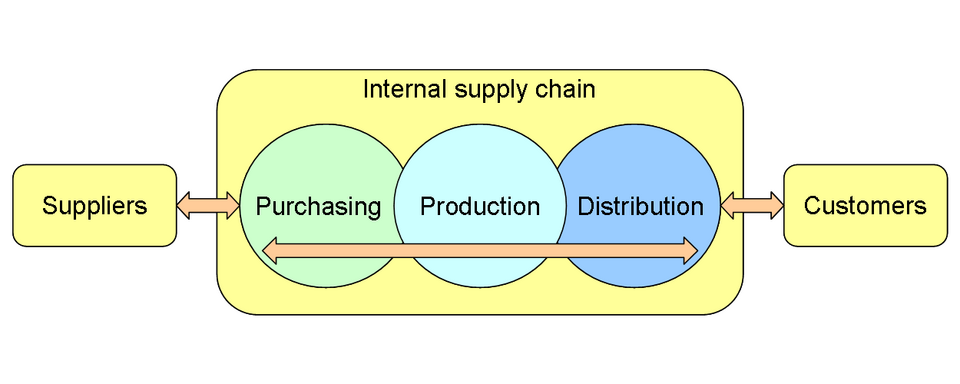
A practical way to use this map is to separate parts you might source cross‑border from parts you should keep in domestic or highly regulated supply chains:
- Better suited to cross‑border marketplaces: interior trim and cosmetic accessories, generic fasteners and clips (not safety‑critical), seat covers, floor mats, phone mounts, storage organizers, some lighting accessories (where compliance can be independently verified), decorative wheels caps, non‑critical electronics like chargers.
- Keep in regulated, traceable channels: brake pads/rotors, calipers, steering and suspension components, airbags and sensors, structural components, fuel system parts, engine internals, and any part whose failure could cause a crash or emissions violation.
Evaluating Cross‑Border Automotive Parts Suppliers
Automotive industry commentary consistently flags documentation, certifications, and logistics reliability as core risks to manage.B2BE automotive SCM Translated to your world, vetting an overseas parts supplier is less about a single rating and more about building a paper trail and a test process.
Make the parts list and risk tiers explicit
Start by writing down SKUs you want to source and assigning a risk level:
- Low risk: purely cosmetic, no load or safety function.
- Medium risk: functional but not safety‑critical (e.g., wiper blades, some filters, minor electronics where failure is annoying, not dangerous).
- High risk: anything tied to braking, steering, crash protection, structural integrity, or regulated emissions.
Only consider cross‑border marketplaces for low‑risk and carefully selected medium‑risk SKUs, and even then, you’ll need extra checks.
Supplier documentation and certifications
Automotive supply‑chain guidance stresses formal quality systems as a baseline for serious suppliers.B2BE automotive SCM On a marketplace listing you won’t see a full audit pack, but you can ask for evidence and look for signals:
Ask suppliers for:
- The exact part standards they claim to meet (e.g., regional lighting or electrical standards if relevant).
- Proof of any quality management certifications (like ISO‑family standards or automotive‑specific schemes) in the form of recent certificates.
- Material specifications and drawings for components, especially if they carry load or heat.
- Batch‑level production dates and lot numbers on packaging or labels for traceability.
Treat these not as guarantees but as filters: if a seller cannot produce basic documentation for a part, that’s enough reason to walk away.
Checklist: automotive‑specific supplier verification signals
On any cross‑border marketplace or in direct factory talks, prioritize these automotive‑specific signals over generic star ratings:
- Consistent part descriptions: Precise fitment information (make, model, year, engine type), not just “universal”.
- Photo and spec alignment: Photos of the part, packaging, and any markings should match the description and your sample.
- Willingness to provide samples: For anything above low risk, insist on paid samples first and check dimensions, materials, and fit against the vehicle.
- Batch traceability: Ability to identify and separate lots; useful if you ever need to pull stock.
- Stable catalog: For automotive parts, a supplier with a focused catalog of related components is often a better bet than a storefront selling unrelated items from toys to clothing.

Red flags specific to automotive parts
Avoid suppliers and listings that show any of these:
- Claims that a part is OEM‑equivalent without naming the standard, certifying body, or how that equivalence is proven.
- Lack of fitment details for anything that mounts inside the engine bay, brake system, or steering.
- No visible brand or manufacturer name on the part or packaging for items that should carry traceable branding.
- Sellers refusing to discuss or show test reports or material certificates for medium‑risk components.
Choosing Channels: DHgate and Alternatives for Automotive Parts Sourcing
Once you know which SKUs you’re willing to source overseas, the next step is picking the right channel for each type of part. DHgate is one option, but it sits beside several others.
Here’s a channel‑by‑channel comparison framed for a US small seller:
| Channel | Typical fit for automotive parts | Access for small buyers | How you actually use it for parts |
|---|---|---|---|
| DHgate | Aftermarket accessories, cosmetic trim, generic hardware, some non‑critical electricals | Direct online access; low MOQ, tiered pricing | Filter to automobile categories, check seller badges and catalog focus, request samples and documentation before larger orders. |
| Alibaba or similar B2B | Broader industrial and automotive component sourcing, including factory leads | Direct online access; often geared to larger orders | Identify factories rather than traders, discuss tooling and long‑term supply, negotiate MOQs; still sample and verify. |
| Direct factory relationship | Stable repeat demand for a narrow part range (e.g., one line of accessories) | Requires sourcing effort and ongoing communication | Visit or remotely vet the factory, sign a supply agreement, align on quality standards, and build a QC and inspection plan. |
| Domestic distributors/wholesalers | Safety‑critical parts, regulated components, branded aftermarket lines | Generally easy via existing US networks | Source through established catalogs with clear part numbers, certifications, and warranty structures. |
| Trade shows (auto/parts fairs) | Mid‑ to long‑term supplier discovery across part types | Requires travel and prep; best for growth stage | Meet suppliers face‑to‑face, inspect samples, negotiate, then follow up via direct orders or platform messaging. |
An illustrative DHgate sourcing scenario
Imagine you run a small US online store selling interior accessories for popular pickup trucks and SUVs. You want to add custom seat covers and floor mats that aren’t safety‑critical but need decent durability.
A cautious DHgate‑centric flow might look like this:
- Define SKUs and specs. Specify materials (e.g., fabric type, rubber composition), color fastness expectations, and fitment by model and year.
- Search DHgate’s automobiles/bags categories using those specs plus vehicle names. Shortlist only sellers whose catalogs show a consistent focus on automotive interiors rather than a random mix.
- Screen by seller signals. Use badges like “top merchant” as a secondary signal of experience, then read listing descriptions for detailed fitment and material claims. Treat badges as informational, not proof of quality.
- Request samples. Order small quantities of multiple variants. Inspect stitching, material thickness, odor, and actual fit on target vehicles. Reject any design that doesn’t install cleanly.
- Confirm documentation. Ask your chosen supplier for basic quality‑system evidence and material spec sheets. For mats, you might request abrasion or slip‑resistance test results if they claim specific performance.
You can run similar flows for other low‑risk products—phone mounts, organizers, decorative trim—while keeping your brake and steering catalog sourced from domestic distributors.
Structuring purchases across channels
For most US small ecommerce businesses, the sustainable model is hybrid sourcing:
- Use domestic channels and branded aftermarket distributors for all safety‑critical SKUs and any parts where US regulations and inspections are tight.
- Use DHgate or other cross‑border marketplaces for non‑critical accessories where design variety and price are key, applying a strict sample‑and‑documentation routine.
- Graduate to direct factory relationships or trade shows as specific SKUs become core to your business and you need tighter control over quality and logistics.
If you decide that DHgate is part of your mix, you can deepen your seller‑selection process with marketplace‑specific guidance like the editorial advice in Find wholesale suppliers on DHgate and more detailed processes in Find DHgate suppliers and Choose a DHgate wholesale supplier. Combine those tactics with the automotive‑specific risk tiers and documentation checks in this article, and you’ll have a sourcing strategy that respects both margins and safety.