
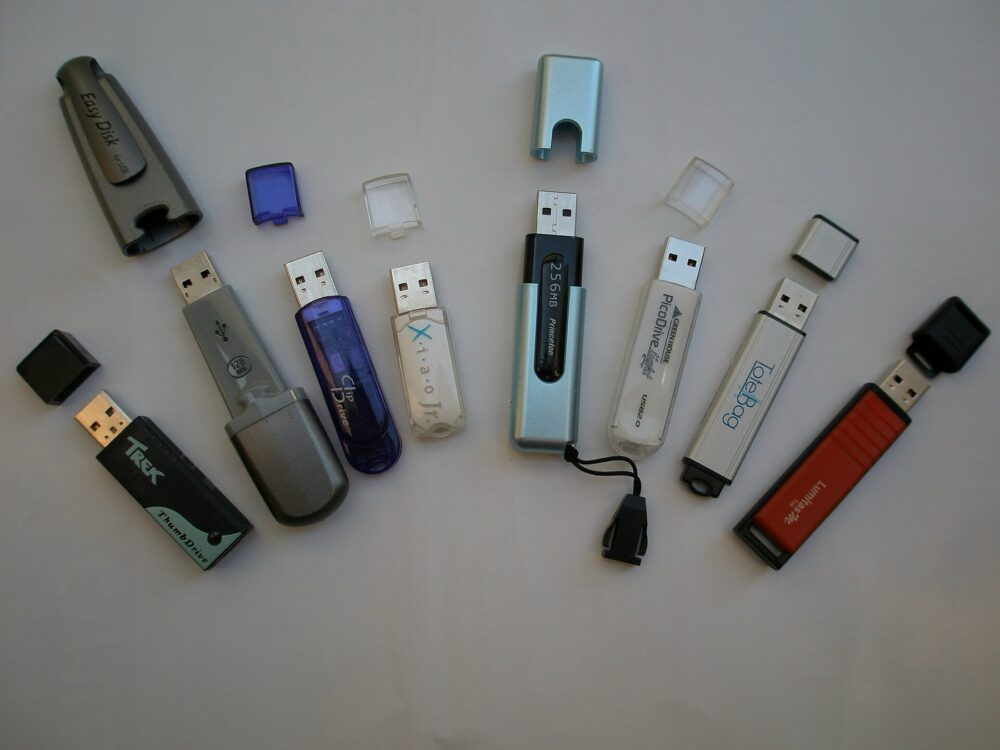
This guide focuses on two questions: what can go wrong with bulk SSD sourcing, and how you build enough evidence — independent of any marketplace marketing — to decide whether DHgate, a domestic distributor, or a mix of both is the right path.
Why Wholesale Samsung SSDs Are a High‑Risk Category for Cross‑Border Buyers
Wholesale Samsung SSDs and bulk storage devices usually mean buying large quantities of drives (e.g., SATA SSDs, NVMe SSDs, portable SSDs, and related flash storage) at discounted rates for resale or deployment. That volume amplifies every risk.
Industry coverage has documented increasingly sophisticated fake Samsung SSDs, including drives with:
- Misreported capacity (e.g., labeled as 1 TB but containing far less NAND)
- Altered firmware and IDs designed to pass very shallow checks
- Low‑grade or recycled flash that fails quickly under real workloads
If you’re reselling, those problems land on your reviews and your returns budget, not the marketplace’s. A few SSD‑specific pain points to keep in mind:
- Brand expectations are high. Buyers expect genuine Samsung performance, reliability, and warranty behavior. A counterfeit that behaves like a budget no‑name drive will feel like fraud.
- Failure is invisible until later. Drives can look fine in an initial boot, then start corrupting data or failing under load weeks or months down the line.
- Warranty and RMA are murky. Samsung’s own warranty typically applies to genuine products sourced through authorized channels; gray‑market bulk drives from anonymous overseas sellers may not qualify.
- Margin erosion. Every fake or short‑capacity drive means refunds, replacements, and customer support time. Wholesale discounts can vanish once you factor in those losses.
That risk profile doesn’t make cross‑border buying impossible. It just means you need SSD‑specific safeguards, not generic “check reviews” habits.
SSD‑Focused Safeguards for Vetting Suppliers and Listings
Here’s a practical sequence you can apply on DHgate, other marketplaces, or direct‑from‑wholesaler channels.
1. Lock down the exact SSD spec you expect
Before talking to any seller, write down the exact Samsung model(s) you want:
- Family and series (e.g., 870 EVO, 990 PRO, T7 Portable)
- Capacity per drive
- Interface and form factor (SATA vs NVMe, 2.5″ vs M.2, PCIe generation)
- Intended use (client PCs vs servers vs external drives)
Ask the supplier to confirm full model numbers and part codes in writing, not just “Samsung 1TB SSD.” For wholesale, you should receive a spreadsheet or formal quote that matches Samsung’s published naming, not improvisations.
2. Demand photo evidence before you even order samples
For marketplace listings and email quotes, request:
- Clear photos of retail boxes or trays, front and back
- Close‑ups of labels on the drives (model, serial, capacity, regulatory marks)
- Any visible QR codes or authenticity stickers
Compare label layouts and fonts against drives purchased from a known‑good US channel. Inconsistencies don’t prove a fake, but they’re a flag to slow down.
3. Use a paid sample order as your first line of defense
Never jump straight to a container‑level order for SSDs from a new overseas supplier.
For a test batch (say 5-20 units across the models you care about):
- Get a formal pro forma invoice listing every model and capacity.
- Make sure the packaging and labels you receive match the photos and specs.
Once you have drives in hand, your job shifts from paperwork to testing.
4. Run authenticity and capacity tests on the sample drives
Use widely‑known utilities (for example, CrystalDiskInfo and capacity‑test tools) to:
- Read firmware version, device ID, and vendor fields and compare against known Samsung values from confirmed‑authentic drives.
- Confirm that reported capacity and SMART attributes look consistent with genuine units.
- Run a full write/read test on at least a few drives to see if capacity is real and sustained write speed looks in line with Samsung’s published specs for that model.
Recent coverage of fake Samsung SSDs describes software like CrystalDiskInfo gaining checks for suspicious firmware and vendor IDs, specifically because counterfeits are now good at mimicking surface details. That’s why you combine these tools with physical inspection and performance tests, not rely on just one.
5. Evaluate the supplier like a long‑term partner, not a one‑off deal
Beyond the hardware:
- Look for repeat buyers and detailed reviews that mention SSDs specifically, not just “good seller.”
- Ask about lead times, reorder terms, and RMA handling in plain language and keep the answers in email or chat logs.
- Check whether they offer consistent pricing across multiple quotes; extreme volatility can signal opportunistic sourcing rather than stable inventory.
Generic supplier‑evaluation guidance emphasizes reputation, reviews, and clear communication of specs and service expectations. For SSDs, your bar should be higher: if a supplier can’t talk comfortably about firmware versions, batches, or testing, that’s a red flag.
6. Always calculate total landed cost, not just unit price
For cross‑border SSDs, compare landed cost to US options by including:
- Unit price per model
- Shipping and insurance
- Duties/customs broker fees
- Your own cost of testing samples and handling returns
A cheap per‑drive quote can turn expensive once you factor in failed drives and reputation damage.
How Marketplace Features — Including DHgate’s — Change SSD Sourcing Decisions
Online marketplaces give you tools and constraints that are different from working with a US distributor or an OEM‑authorized wholesaler.
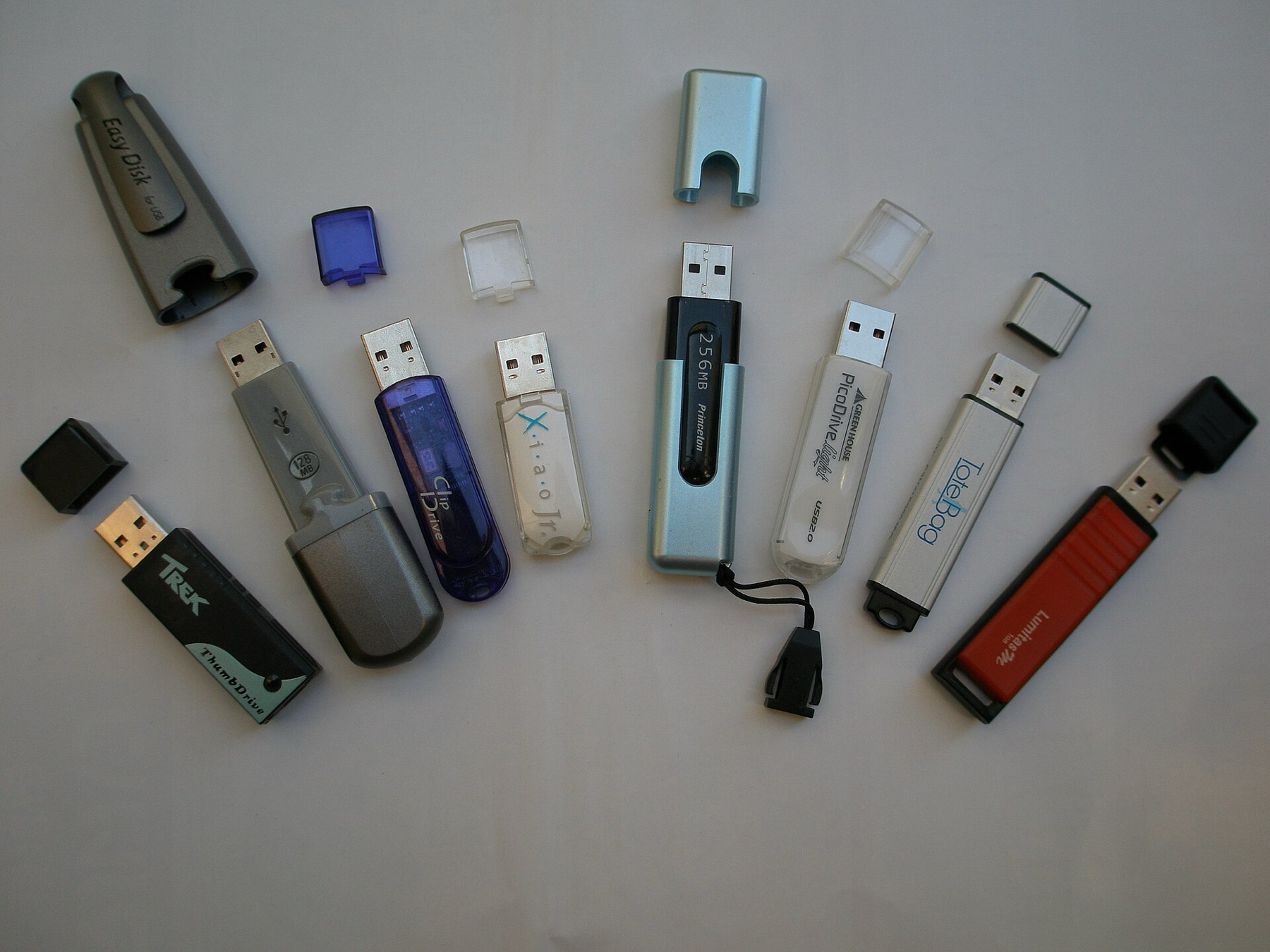
DHgate describes itself in its own editorial material as a China‑based B2B marketplace connecting manufacturers, suppliers and buyers globally across many categories, including electronics. That matters for SSDs because you’re almost always dealing with independent sellers, not Samsung itself.
From DHgate’s blog and similar editorial context, a few marketplace traits stand out:
- Scale and variety. DHgate reports tens of millions of product listings and millions of sellers and buyers worldwide. For SSDs, that translates into many sellers, overlapping offers, and a wide range of quality.
- No minimum order quantity (no MOQ). DHgate emphasizes that buyers can often purchase very small quantities — even single items — instead of committing to large MOQs. For high‑risk categories like SSDs, this is a practical way to do sample‑style orders using the marketplace itself.
| Sourcing route | What you control as a buyer | SSD‑specific trust implications |
|---|---|---|
| Cross-border multi-seller and similar cross‑border marketplaces | Choice of seller, sample quantity, your own testing workflow | You can start with very small orders and compare multiple sellers, but authenticity and quality vary and must be verified by you. |
| US SSD wholesalers / distributors | Choice of distributor and contract terms, your own incoming‑goods testing | Supply chains and warranties are usually clearer, but prices and minimum order sizes may be higher. |
| Mixed strategy (marketplace + domestic) | How you split SKUs and volumes between channels | You can experiment via marketplaces and reserve critical or high‑liability SKUs for domestic channels, at the cost of more vendor management. |
The trust decision is not binary. A cautious SSD buyer might:
- Use DHgate to place small, controlled test orders from multiple promising sellers.
- Promote only those drives that pass your checks into your retail catalog, still watching customer feedback for hidden issues.
- Once you see several months of good outcomes, decide whether to:
- Negotiate deeper pricing and repeat orders with that same DHgate seller, or
- Shift volume to a domestic supplier for the same model if the price gap narrows and you value formal warranty support.
DHgate’s own editorial guidance in other B2B contexts highlights working with multiple suppliers to reduce disruption risk. That logic fits SSDs especially well: you don’t want your entire storage business resting on one anonymous overseas seller.
A Worked First‑Order Scenario for a Small US Reseller
To make this concrete, imagine you run a small PC‑building shop in the US and want to add Samsung‑branded 1 TB SSDs to your catalog.
- Define your spec. You settle on a specific client‑grade Samsung SATA SSD model and a mainstream NVMe model, each 1 TB.
- Shortlist marketplace suppliers. On DHgate and other platforms, you filter for sellers offering those exact model codes, with substantial order histories and SSD‑specific reviews. You might lean on resources like Bulk SSD & NVMe Supplier, Wholesale Drives | GTR Supply to benchmark realistic prices and genuine model naming.
- Request documentation. From 3-5 shortlisted sellers, you ask for photos of packaging and labels, a detailed quote, and their usual lead time for repeat orders.
- Place controlled sample orders. Thanks to DHgate’s no‑MOQ structure described in its blog, you order, say, a small batch of drives per model from two sellers rather than a large lot from one.
- Test thoroughly. You or your tech contractor run firmware and vendor‑ID checks, capacity tests, and multi‑hour write/read stress tests. Any unit that shows inconsistent IDs, capacity shortfalls, or unstable performance disqualifies that seller for bulk orders.
- Compare landed cost vs US channels. You then compare the final per‑drive cost of the good batches (including shipping and your testing time) to equivalent offers from domestic wholesalers listed on SSD‑focused sites like BulkDevices or other US storage suppliers.
- Decide where to scale. If the trusted DHgate seller is meaningfully cheaper and has consistent supply, you keep them as a recurring source — but you still maintain at least one domestic backup supplier for urgent or warranty‑sensitive orders.
This scenario shows the role DHgate can realistically play: a flexible, low‑MOQ marketplace that’s useful for experimentation and, in some cases, ongoing volume. It does not replace your own authentication workflow or the need for at least one high‑assurance channel.
Quick Risk Checklist for SSD Buyers
Before you commit to a large wholesale SSD order from any cross‑border marketplace, sanity‑check your position:
- Do you have exact Samsung model numbers in writing from the seller?
- Have you tested physical samples for firmware, capacity, and performance — not just powered them on?
- Is your margin calculation based on landed cost plus failure risk, not just a headline unit price?
- Do you have at least one alternative supplier (marketplace or domestic) ready in case the main seller’s quality slips or stock dries up?
If you’re missing more than one of those, you’re gambling more than you probably realize.
For DHgate‑specific seller vetting, you can go deeper with Assess DHgate listing and seller risk and Find trusted sellers on DHgate. And if you’re still building your overall supplier mix, this overview of wholesale platforms DHgateWiki already covers can help you avoid betting everything on one marketplace.