
At a Glance
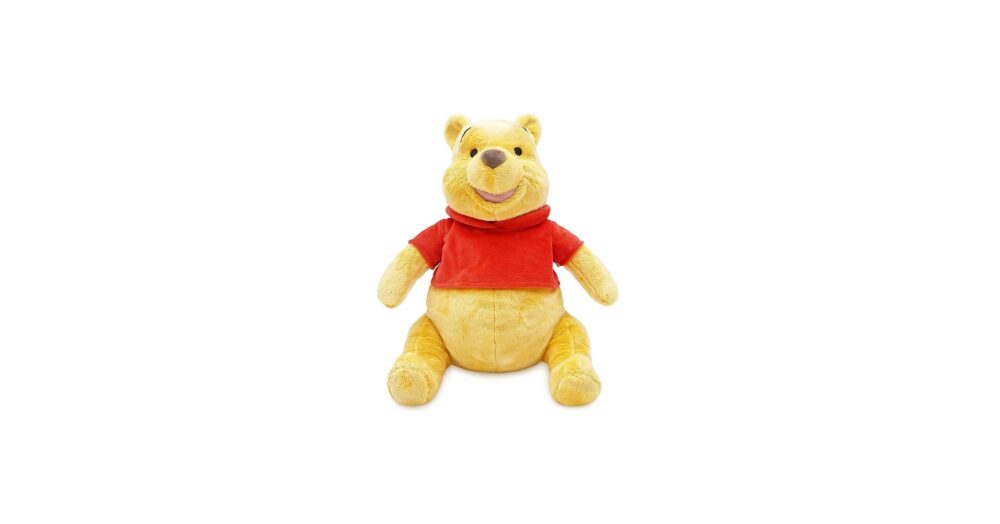
If your goal is to buy authentic Winnie the Pooh merchandise, the safest path is to start with sources that can clearly show licensing, brand ownership, and return policies. That usually means official Disney shops, licensed retailers, and reputable marketplaces with strong seller verification.
The short version:
- Best for certainty: official Disney or licensed brand stores
- Best for broad selection: major retailers that list licensed products clearly
- Best for vintage or collectible items: specialty sellers with provenance, receipts, or original packaging
- Best for lower-risk browsing: marketplaces only when the seller and listing can be verified
- Best for comparison shopping: platforms where you can inspect seller history, item details, and policy terms before buying
If you are asking “Where can I find authentic Winnie the Pooh merchandise?” the real question is not just where to click. It is how to tell whether the item is officially licensed, whether the seller can prove it, and whether the purchase route matches the level of risk you are willing to accept.
What the Trust Question Really Means
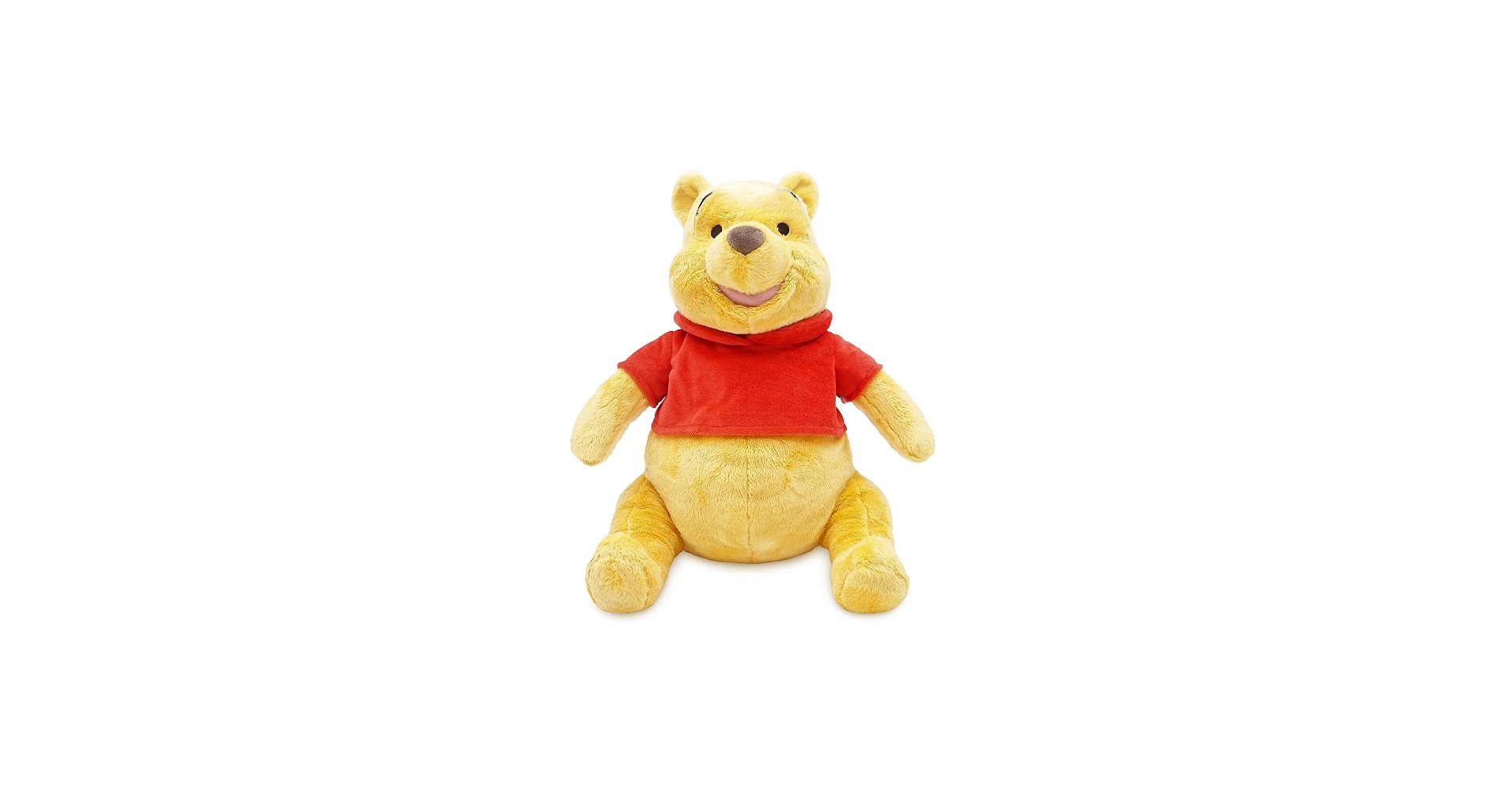
“Authentic Winnie the Pooh merchandise” can mean a few different things, and trust depends on which one you want.
-
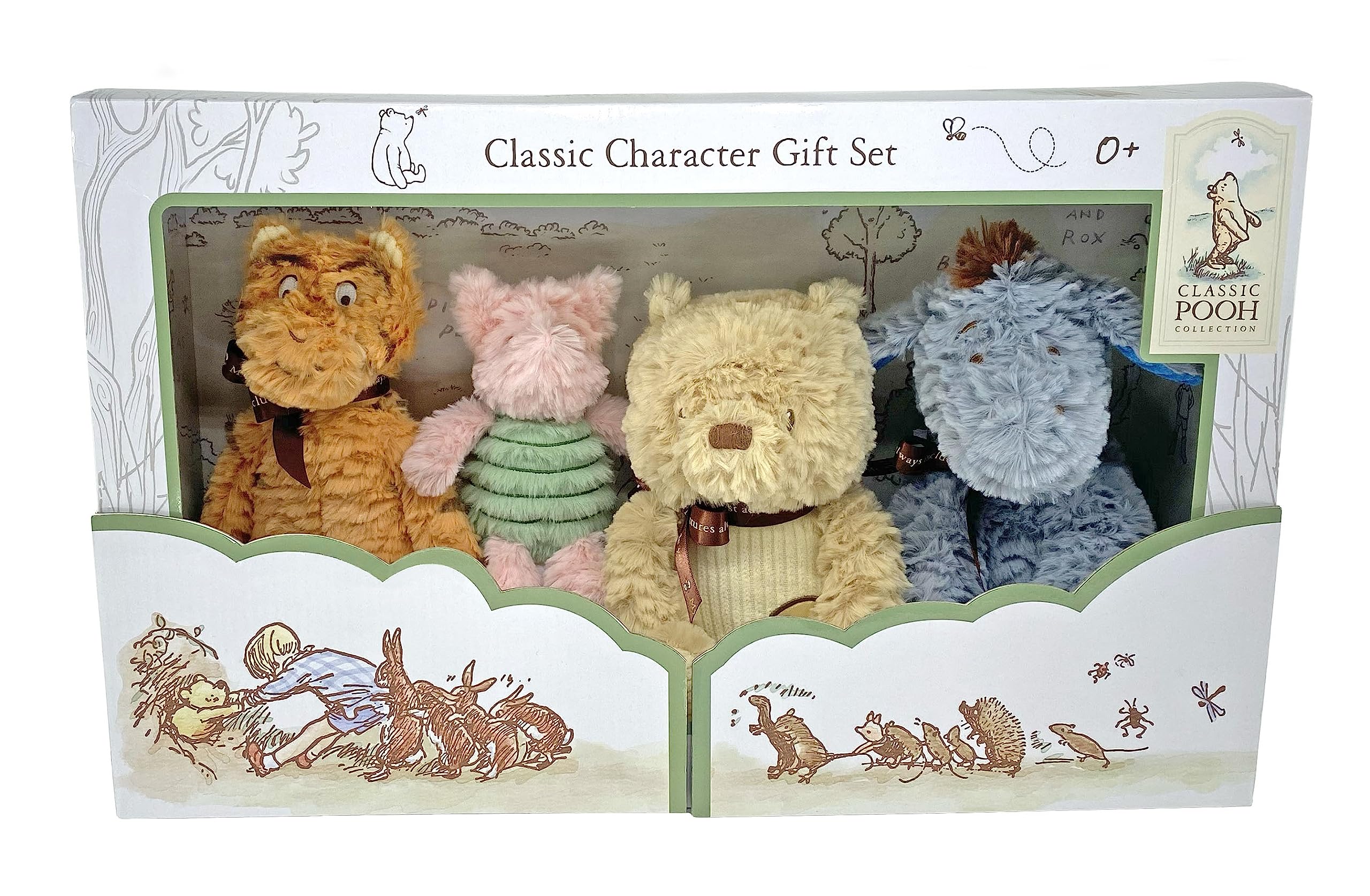
Officially licensed new merchandise
These are products made or sold with permission from the rights holder. They should usually have clear brand, licensing, and retailer information. -
Vintage authentic merchandise
These are older items that were legitimately produced in the past. Authenticity here often depends on tags, packaging, era-specific markings, and seller provenance. -
Collector-grade items
These may be limited editions, store exclusives, or retired products. Trust depends on documentation, condition, and whether the seller can explain the item’s origin. -
Character-inspired items
These may look Pooh-themed but are not licensed. They can be fine as decorative or novelty purchases, but they are not the same as authentic merchandise.
The trust problem happens when listings blur these categories. A product may look convincing, use familiar character imagery, or be described with words like “official style,” “same as,” or “high quality,” while offering no proof of licensing. For a buyer trying to avoid wasting money, that is the key risk.
What to Check First
Before comparing stores, check the listing itself. A trustworthy source usually makes verification easier, not harder.
Look for:
-
Clear licensing language
The listing should identify the brand, manufacturer, or licensed retailer in plain terms. -
Seller identity
A real business name, contact details, and consistent storefront information matter. -
Product photos
Original photos are better than generic stock images. Multiple angles help. -
Item details
Authentic listings usually include materials, dimensions, age range, country of origin, and packaging notes. -
Return and refund terms
A seller that hides policy details is a warning sign. -
Review quality
Look for detailed reviews that mention packaging, tags, labels, and item condition. -
Price realism
A price that is far below normal market value can be a sign of a replica, a counterfeit, or a misleading listing. -
Vintage proof
For older items, ask for close-up photos of tags, seams, stamps, labels, and any original receipt or box.
If a listing cannot answer basic questions about origin, licensing, or condition, it is not a strong candidate for an authenticity-focused purchase.
Comparison Matrix
| Buying route | Seller signals to look for | Payment / checkout | Shipping / delivery | Returns / policies | Who it suits | Reviews / trust |
|---|---|---|---|---|---|---|
| Official Disney or brand-owned store | Clear brand ownership, licensed product pages, consistent branding | Standard retail checkout | Usually predictable, with tracking | Usually the clearest policy language | Buyers who want the lowest authenticity risk | Trust is highest because the source is direct |
| Licensed major retailer | Named retailer, product pages that identify licensed goods | Standard retail checkout | Often reliable and trackable | Usually straightforward retail returns | Buyers who want convenience and legitimacy | Strong if the retailer is established |
| Specialty collectible shop | Provenance notes, item history, condition grading | Retail or invoice-based checkout | Varies by seller and item | Policies may be stricter for collectibles | Collectors seeking vintage or rare items | Trust depends on documentation and reputation |
| Reputable marketplace seller | Verified storefront, long history, detailed listings | Marketplace checkout | Varies by seller location | Must read seller-specific terms carefully | Buyers comparing price and selection | Moderate trust if seller history is strong |
| Auction / resale platform | Item photos, provenance, seller feedback, lot details | Auction or marketplace checkout | Varies widely | Returns may be limited | Buyers comfortable evaluating condition and risk | Trust depends heavily on seller evidence |
| General marketplace with unclear sellers | Sparse seller info, generic photos, vague wording | Checkout may be easy, but verification is weak | Delivery can be inconsistent | Policies may be hard to interpret | Buyers who are price-first, not authenticity-first | Lowest trust unless the seller can prove legitimacy |
Decision Framework
Use the route that matches your goal, not just the lowest price.
If you want the safest possible purchase
Choose official Disney or a clearly licensed retailer. This is the simplest route when authenticity matters more than variety.
If you want a gift and need low stress
Choose a major retailer or a well-known licensed shop with easy returns. You want a clean checkout, clear shipping, and a simple way to resolve problems.
If you want vintage Pooh items
Use specialty collectible sellers, resale platforms, or auction listings only when the seller can show provenance, original tags, and detailed photos. Vintage authenticity is often about evidence, not just brand names.
If you want to compare many listings
Use marketplaces carefully, but only shortlist sellers who provide:
- full business identity
- item-specific photos
- licensing or provenance details
- clear return terms
- strong review history
If you are unsure whether a listing is real
Do not buy yet. Ask for:
- close-up photos of labels and tags
- proof of purchase or origin
- packaging photos
- confirmation of whether the item is officially licensed
If the seller avoids those questions, move on.
Where DHgate Fits Naturally
DHgate can fit as a comparison-led browsing route, but it is not the first place most buyers should go when the main goal is certainty about authenticity.
That means DHgate is most natural when you are:
- comparing seller transparency across listings
- checking whether a seller can provide licensing details
- evaluating price against item description and photos
- looking for a broader marketplace view before deciding where to buy
It is less natural when you need the lowest-risk route for a gift, a collector’s item, or a purchase where official licensing must be obvious from the start.
A practical way to use DHgate in this category is to treat it as a verification exercise, not a shortcut. Read the listing carefully, ask for proof, and compare the seller’s answers against the same standards you would use anywhere else. If the seller cannot clearly explain authenticity, licensing, or item origin, that is a reason to pass.
In other words: DHgate may help you evaluate sellers, but it should not replace the basic trust checks that matter for authentic Winnie the Pooh merchandise.
Verification Checklist
Use this checklist before you buy.
Listing-level checks
- Does the listing name the brand or licensed source?
- Are the photos original and detailed?
- Does the description match the photos?
- Is the item described as officially licensed, vintage, or inspired?
- Are there any vague phrases that avoid direct authenticity claims?
Seller-level checks
- Is the seller identity visible?
- Does the seller have a history of selling similar items?
- Are reviews specific, recent, and believable?
- Does the seller answer questions clearly?
- Does the seller provide proof when asked?
Product-level checks
- Are tags, labels, stamps, or packaging visible?
- Do the materials and construction look consistent with the item type?
- For vintage items, does the era match the design and labeling?
- Is the condition described honestly?
Policy-level checks
- Are shipping times realistic?
- Are returns clearly explained?
- Are refund conditions easy to understand?
- Is there a customer service contact path?
Red flags
- “Inspired by” language presented as if it were official
- No seller identity
- Stock photos only
- Too-good-to-be-true pricing
- Refusal to show labels or tags
- Confusing return terms
- Reviews that sound generic or copied
FAQ
Where is the safest place to buy authentic Winnie the Pooh merchandise?
The safest place is usually an official Disney store or a clearly licensed retailer. Those sources make it easier to confirm that the item is genuine and officially approved.
How can I tell if a Winnie the Pooh item is officially licensed?
Check whether the listing names the brand or licensed source, shows original product photos, and includes tags, labels, or packaging that match the item. If the seller cannot explain the origin, treat that as a warning sign.
Are vintage Winnie the Pooh items still considered authentic?
Yes, if they were originally produced legitimately. For vintage items, authenticity depends on proof such as tags, packaging, seller history, and item-specific details rather than just the character design.
What should I ask a seller before buying?
Ask for close-up photos of labels, tags, and packaging; ask whether the item is officially licensed; and ask for any proof of origin or purchase history. A trustworthy seller should answer clearly.
Is DHgate a good place to buy authentic Winnie the Pooh merchandise?
It can be useful for comparing listings and checking seller transparency, but it is not the first choice if your main goal is certainty. Use it only when you are prepared to verify the seller and the item carefully.
Can I trust a DHgate listing if the price is very low?
Low price alone is not proof of a problem, but it is a reason to slow down. If the listing is vague, uses generic photos, or avoids licensing details, the risk is higher.
What if a listing says “inspired by Winnie the Pooh”?
That usually means it is not claiming to be official merchandise. If you want authentic items, do not treat “inspired by” as the same thing as licensed or genuine.
How do I avoid wasting money on a fake?
Buy from official or licensed sources when possible, verify seller identity, inspect photos closely, and avoid listings that cannot explain licensing or provenance.
What to Do Next
If you want the lowest-risk answer, start with official Disney or licensed retailers. If you want vintage or collectible items, move to specialty sellers only after checking provenance and condition. If you are comparing marketplace listings, use the verification checklist before you pay.
The safest buying habit is simple: do not let a cute listing replace proof. For authentic Winnie the Pooh merchandise, trust comes from licensing, seller transparency, and clear item evidence—not from the character image alone.
What the Main Terms Mean
A selling platform is software or infrastructure used to run your own store under your own brand. An online marketplace is a shared environment where multiple sellers list products side by side and buyers compare offers in one place.
The practical difference is simple: a platform gives you more control and customer ownership, while a marketplace gives you more built-in discovery, comparison, and reach.