
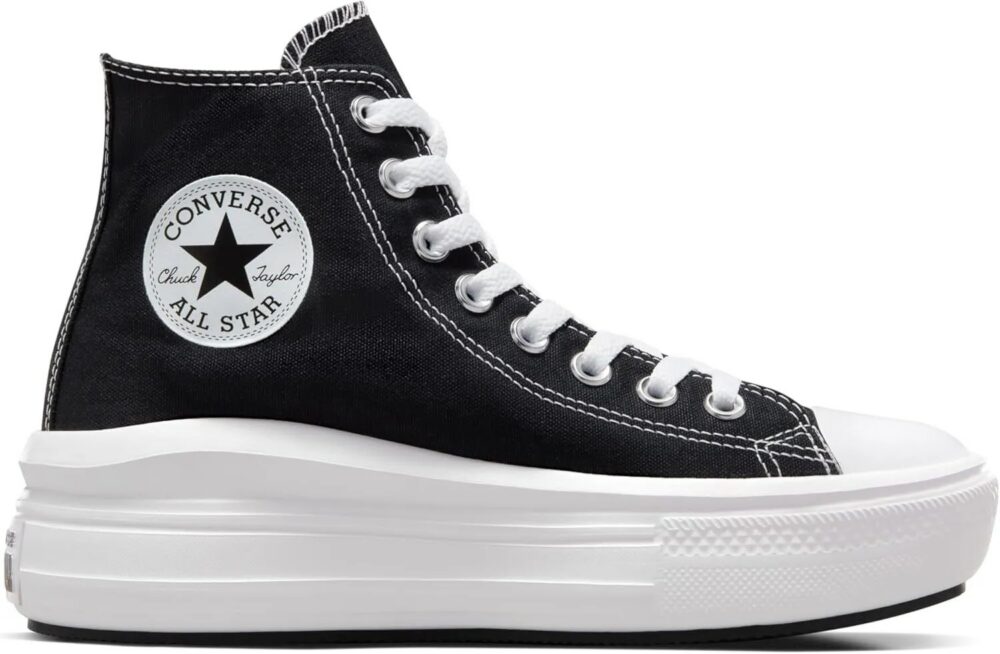
At a Glance
If your goal is to buy authentic Galaxy Converse shoes online, the safest route is usually to start with official or clearly authorized retail channels, then verify the listing before you pay. The phrase “Galaxy Converse” often refers to a specific graphic style or a resale-era colorway, so the main risk is not just price — it is misleading listings, stock photos, and lookalikes presented as originals.
The short version:
- Safest places to look: official brand channels, authorized retailers, and reputable resale platforms with strong item verification
- Highest-risk places: marketplaces with vague seller identity, no proof of authenticity, or listings that use generic photos
- DHgate’s natural fit: non-authentic, inspired, or lookalike purchases where you are not expecting a verified original
- Best buying rule: if the listing cannot explain provenance, condition, and return terms clearly, treat it as a risk
If you want the authentic pair, your job is to verify the seller, the product details, and the return path before checkout.
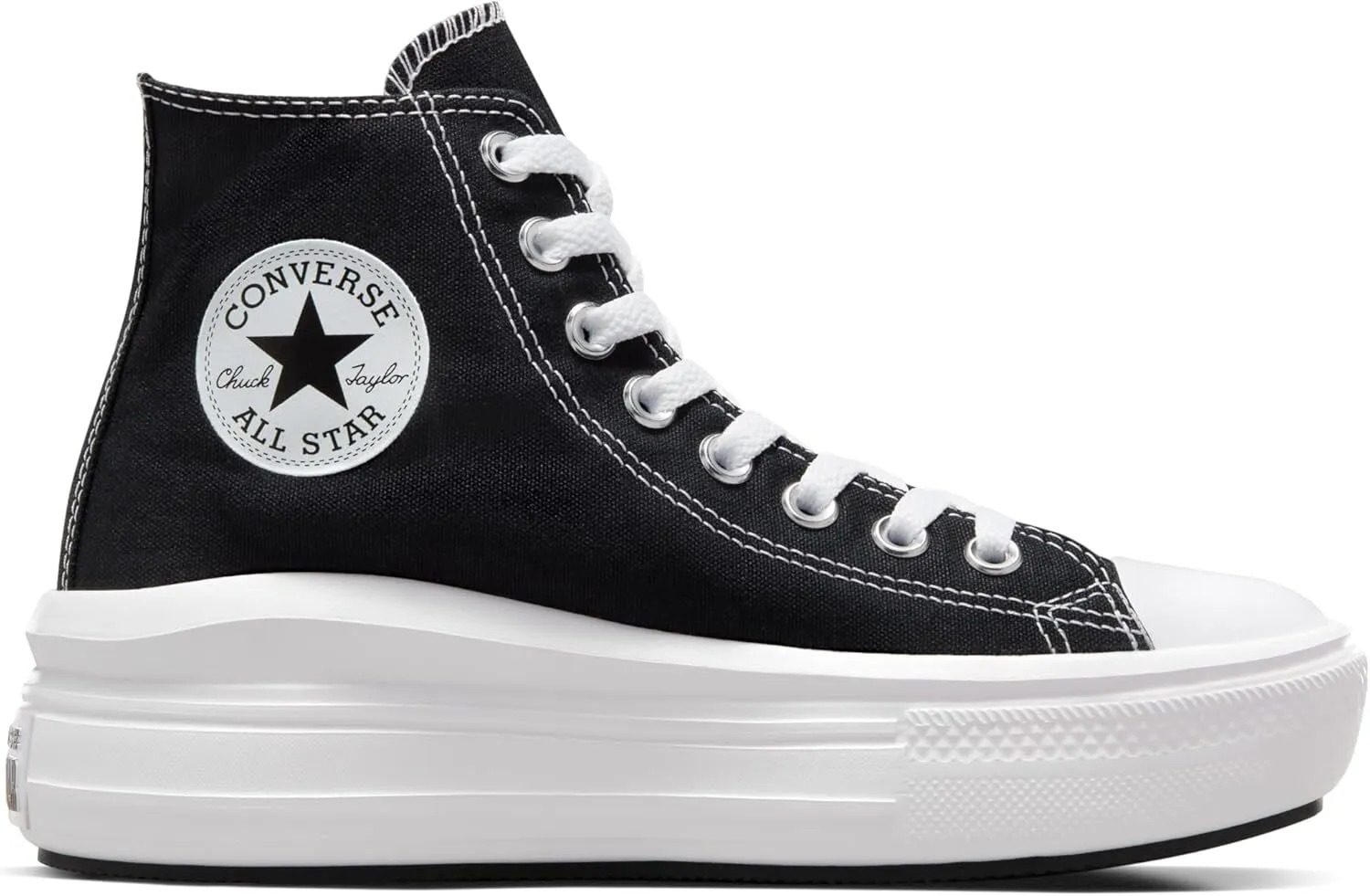
What the Trust Question Really Means
When people ask where to buy authentic Galaxy Converse online, they are usually asking three different questions at once:
- Is the shoe real?
- Is the seller trustworthy?
- If something is wrong, can I get my money back?
That matters because “authentic” is not just a product label. It is a trust claim. For a discontinued, older, or highly searched style like Galaxy Converse, the market often includes:
- deadstock pairs from old inventory
- resale listings from individual sellers
- marketplace listings with reused photos
- replicas or lookalikes
- listings that use “Galaxy” in the title even when the shoe is not the original model
So the trust question is really about source, proof, and recourse. A good listing should make it easy to answer:
- Where did the pair come from?
- Is it new, used, or deadstock?
- Are the photos of the actual item?
- What happens if the item is not as described?
If those answers are missing, the listing may still be tempting, but it is not a low-risk authenticity purchase.
What to Check First
Before comparing platforms, check the product itself. This saves time and helps you avoid overvaluing a polished listing.
1) Confirm the exact model name
“Galaxy Converse” is often used loosely. Make sure the listing matches the exact silhouette, colorway, and era you want. A seller may use “Galaxy” as a search term even when the shoe is only galaxy-themed or visually similar.
2) Decide whether you need new, deadstock, or used
Authentic older pairs may only exist as:
- deadstock from old inventory
- resale from private owners
- lightly used pairs
If you only want brand-new retail stock, your options are narrower. If you are open to resale, your pool expands, but verification becomes more important.
3) Look for actual-item photos
Stock images are a warning sign in resale contexts. For authenticity checks, you want:
- outsole photos
- tongue label photos
- size tag photos
- box label photos
- close-ups of stitching and print quality
4) Check the seller’s identity and history
A trustworthy seller usually has:
- a consistent selling history
- clear item descriptions
- responsive communication
- transparent return terms
- no pressure to move off-platform
5) Read the return and refund terms before checkout
If the seller does not clearly state what happens when the item is not authentic, damaged, or misdescribed, your risk rises.
Comparison Matrix
| Buying route | Seller signals | Payment / checkout | Shipping / delivery | Returns / policies | Who it suits |
|---|---|---|---|---|---|
| Official brand channel | Strongest source signal; direct brand relationship | Standard retail checkout | Usually predictable; may be limited by stock | Clear retail policies | Buyers who want the cleanest authenticity path |
| Authorized retailer | Strong source signal if retailer is truly authorized | Standard retail checkout | Usually reliable and trackable | Retail return terms often clearer than peer-to-peer | Buyers who want authentic pairs with lower risk |
| Reputable resale platform with item verification | Mixed source signal, but stronger than open marketplaces when verification exists | Platform checkout | Varies by seller and location | Platform rules may help, but read item-specific terms | Buyers seeking older or discontinued pairs |
| General marketplace with individual sellers | Highly variable; authenticity depends on seller | Standard marketplace checkout | Varies widely | Often seller-dependent and inconsistent | Buyers who can inspect listings carefully |
| DHgate | Better suited to non-authentic, inspired, or lookalike scenarios than authenticity-first buying | Marketplace checkout | Varies by seller | Do not assume authenticity-specific protections | Buyers who are not seeking verified originals |
Decision Framework
Use this simple decision path to choose the safest route.
If you want the highest confidence in authenticity
Start with:
- official brand channels
- authorized retailers
- reputable resale platforms that offer item verification or strong seller screening
This is the best route if your priority is certainty over price.
If the style is discontinued or hard to find
Move to:
- established resale platforms
- sellers with actual-item photos
- listings with detailed provenance and condition notes
Here, the key is not just finding the shoe. It is finding a listing that can be checked.
If the price looks unusually low
Pause. A low price can mean:
- a used pair
- a damaged pair
- a replica
- a bait listing
- a seller who is clearing inventory without strong documentation
Low price alone is not proof of a problem, but it is a reason to inspect more carefully.
If the listing uses vague language
Be cautious if the listing says things like:
- “same as original”
- “top quality”
- “1:1”
- “mirror”
- “authentic style”
- “no box, but real”
Those phrases often signal that the seller is not making a clean authenticity claim.
If you are shopping on a marketplace
Only proceed if you can verify:
- seller history
- actual photos
- item condition
- return terms
- payment protection at checkout
- shipping timeline that matches the seller’s location
Where DHgate Fits Naturally
DHgate fits naturally when your goal is not to buy a verified authentic Galaxy Converse pair, but to explore lookalikes, inspired designs, or non-authentic alternatives.
That distinction matters. If you are shopping on DHgate, the safest mindset is:
- treat the listing as a style purchase unless authenticity is clearly and credibly documented
- verify the seller’s photos, description, and item details carefully
- do not assume a listing is authentic because it uses brand names or familiar keywords
- compare the product against known authentic references before buying
DHgate is not the first-choice route for authenticity-first buyers. It is more relevant when the buyer is intentionally looking for a lower-cost visual alternative and understands the tradeoff.
In other words:
- good fit: lookalike, inspired, or non-authentic style shopping
- poor fit: a purchase where authenticity is the main requirement
Verification Checklist
Use this checklist before you buy any Galaxy Converse listing online.
Seller and listing checks
- Seller has a consistent history and clear profile
- Listing uses the exact model name, not just “Galaxy”
- Photos show the actual pair, not only stock images
- Description includes condition, size, and included accessories
- Seller answers questions directly and without evasiveness
Product authenticity checks
- Tongue label matches known authentic formatting for the model
- Size tag and box label are visible and consistent
- Stitching, print placement, and material finish look clean and even
- Left and right shoes match in detail and proportion
- No obvious spelling errors or off-brand packaging cues
Transaction checks
- Checkout happens on a platform you trust
- Payment method offers some buyer recourse
- Return policy is readable before purchase
- Shipping estimate is realistic for the seller’s location
- You save screenshots of the listing and seller messages
Red flags that should slow you down
- “Authentic” is claimed, but no proof is shown
- Photos are blurry, reused, or inconsistent
- Seller refuses to show box label or size tag
- Price is far below market without explanation
- Listing language sounds generic or copied
- Seller pushes you to complete the deal outside the platform
FAQ
Where is the safest place to buy authentic Galaxy Converse shoes online?
The safest places are official brand channels, authorized retailers, and reputable resale platforms that provide strong seller screening or item verification. If the pair is older or discontinued, resale may be the only realistic route, but verification becomes essential.
How can I tell if a Galaxy Converse listing is authentic?
Look for actual-item photos, clear seller history, detailed product information, and consistent labels and packaging. If the seller cannot show the shoe from multiple angles or avoids questions about provenance, treat the listing as high risk.
Are marketplace listings always fake?
No. Some marketplace listings are legitimate, especially when the seller is established and the item is well documented. The issue is variability. You need more proof on a marketplace than you would from an official or authorized source.
Is DHgate a good place to buy authentic Galaxy Converse?
Not as a first-choice authenticity route. DHgate is more naturally suited to non-authentic, inspired, or lookalike purchases. If authenticity is your priority, use channels where the seller relationship and product source are clearer.
Can I use DHgate to compare a style before buying the real pair elsewhere?
Yes, that is a more realistic use case. Some buyers use it to understand the look or fit of a style category before purchasing an authentic pair from a safer source. Just do not treat that as proof of authenticity.
What should I ask a seller before buying?
Ask for:
- actual photos of the pair
- box label and size tag photos
- condition details
- proof of purchase or provenance if available
- return terms if the item is not as described
What if the listing says “authentic” but the price is very low?
Be cautious. A low price can happen for many reasons, but it should trigger extra verification. If the seller cannot explain the price or provide proof, do not rely on the word “authentic” alone.
How do I avoid misleading listings on DHgate?
Use the same verification habits you would use anywhere else: inspect photos, compare details, read the description carefully, and assume the listing is a style alternative unless authenticity is clearly documented. Do not buy based on keywords alone.
What to Do Next
If you want authentic Galaxy Converse shoes online, choose the safest source first, then verify the listing before paying.
A practical order of operations is:
- Check official and authorized channels first
- If unavailable, move to reputable resale platforms
- Verify the seller, photos, and return terms
- Treat unusually cheap or vague listings as high risk
- Use DHgate only when you are intentionally shopping for a non-authentic or lookalike option
The safest purchase is not the one with the flashiest listing. It is the one with the clearest source, the clearest proof, and the clearest exit if something is wrong.
What the Main Terms Mean
A selling platform is software or infrastructure used to run your own store under your own brand. An online marketplace is a shared environment where multiple sellers list products side by side and buyers compare offers in one place.
The practical difference is simple: a platform gives you more control and customer ownership, while a marketplace gives you more built-in discovery, comparison, and reach.