
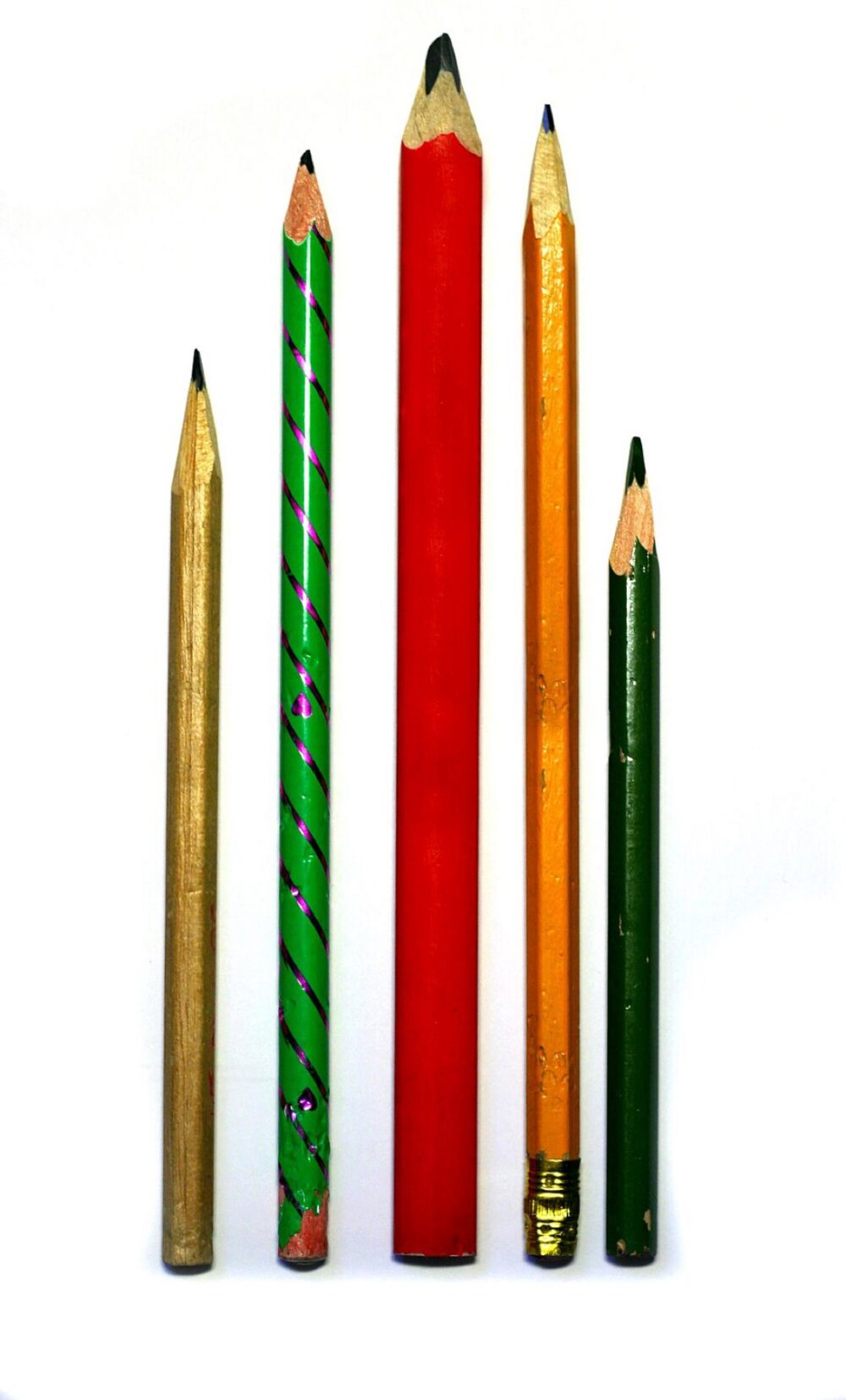
If you’re buying mini pencils or pencil packs in bulk, DHgate can be one of the cheaper places to source them, but you shouldn’t trust any listing by default. For Australian buyers, the sensible move is to treat DHgate as one option among several, then run the same structured checks you’d use on Amazon, eBay, Alibaba or a local wholesaler: scrutinise reviews and photos, test a small batch first, and only scale up once a supplier proves they can deliver consistent lead quality and finishing.
This guide focuses on those trust checks — not just for DHgate, but for any mini‑pencil supplier you’re considering.
When Trust Actually Matters for Mini Pencils and Pencil Packs
Mini pencils are low‑value items, but in bulk the stakes aren’t low:
- Quality failures scale fast. A single weak graphite core or badly glued ferrule is nothing. A few thousand mini pencils that snap while sharpening or arrive unsharpened when the listing said “pre‑sharpened” can sink a term’s worth of school packs or an entire merch run.
- Consistency matters for branding. For events, wedding favours, golf pencils, or ecommerce bundles, you care less about one pencil’s performance and more about hundreds looking and writing the same. Uneven paint colour, misaligned logos, or varying lead darkness across a carton are common cross‑border complaints.
- Compliance and safety still apply. For Australian schools and kids’ products, you’ll want assurance around coatings, glues and erasers. You probably won’t get a full lab dossier from a random cross‑border seller, but you can at least avoid obviously non‑compliant or mislabelled stock.
- Delivery timing hits your real cost. If the pencils are for exam periods, conferences, or gift bags tied to a date, a shipment that arrives two weeks late is simply useless. You can’t assume any marketplace seller will hit your timeline without testing them.
That’s why trust checks aren’t overkill even for something as mundane as a mini pencil. You’re protecting batches, promises to your own customers, and your brand, not just a unit price.
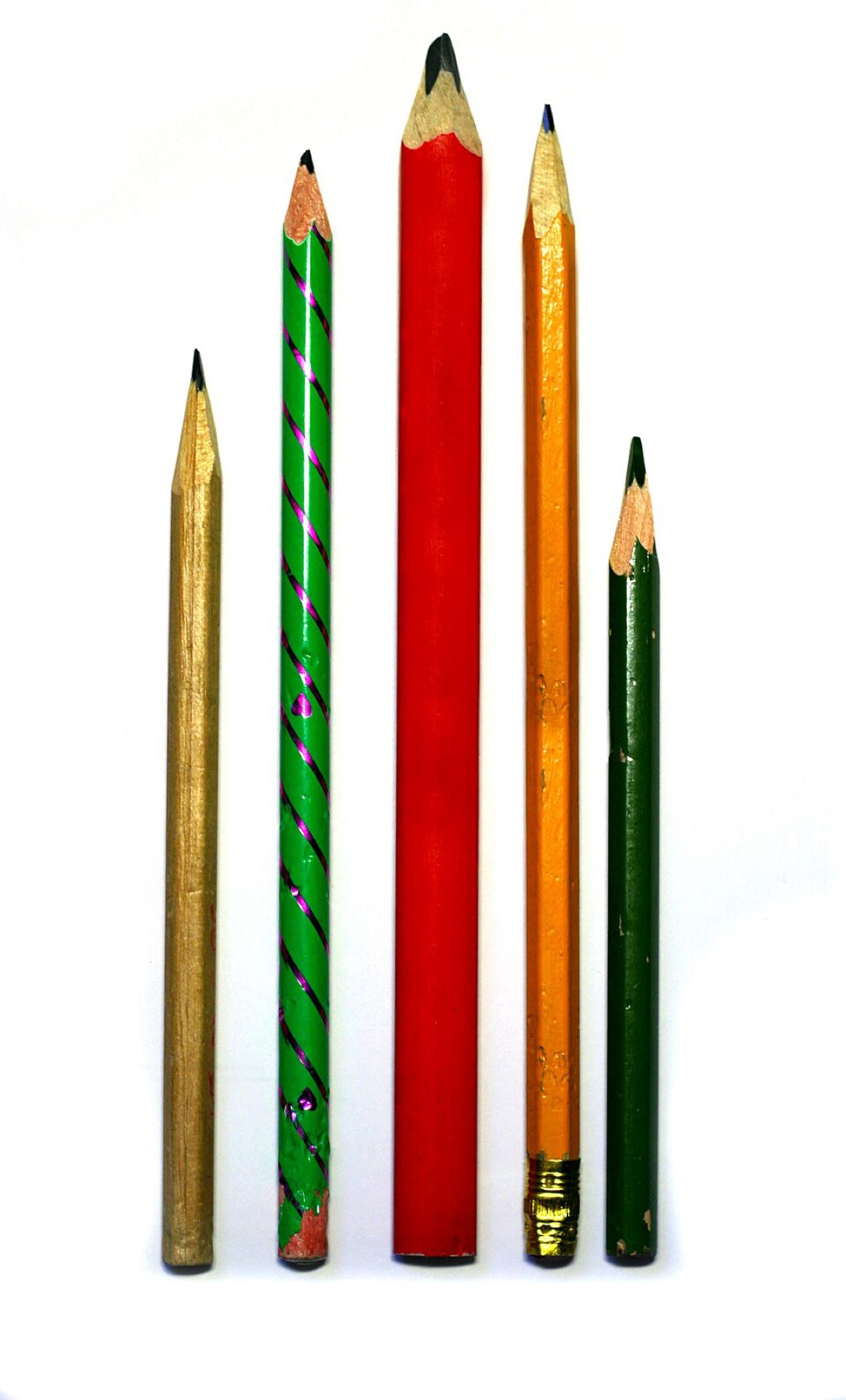
Universal Trust Checks for Mini Pencil Suppliers on Any Marketplace
You can reuse the same workflow whether you’re browsing DHgate, Amazon, eBay, Alibaba or a local Australian platform.
1. Read reviews the way a QC inspector would
DHgate’s own blog suggests that you go beyond the star rating and look at recent reviews, photo/video feedback, and how sellers respond to negative comments. That mindset is exactly right for mini pencils:
- Filter or scan for reviews from the last 3 months to see current quality and packing practices.
- Prioritise listings where buyers upload photos of the actual pencils — close‑ups of tips, paint, and erasers often reveal more than the main images.
- Watch for patterns in complaints: “lead keeps breaking when sharpened,” “arrived unsharpened,” “eraser smears” or “colours don’t match description.” One or two is noise; repeated across pages of reviews is a red flag.
If a listing has no reviews at all, treat it as unproven. That doesn’t mean “bad,” but it does mean you should only ever place a small test order and avoid building your inventory plan around it.
2. Dissect the listing itself
Across platforms, trustworthy pencil listings usually share the same traits. DHgate’s editorial content highlights detailed specs, materials lists and high‑resolution original photos as good signs; that tracks with what you want to see for mini pencils in bulk:
- Lead type and hardness: e.g., HB, 2B. Vague “writing pencil” with no grade is a warning sign if you need consistency.
- Dimensions: length of the mini pencil, diameter, and whether they arrive pre‑sharpened.
- Materials: wood species if given, coating type (e.g., “non‑toxic paint”), ferrule and eraser materials.
- Packaging: how many pencils per box or polybag, and how many units per carton.
- Photos: multiple, sharp images that look like original photography, not over‑compressed catalog shots. Blurry images or obvious stock photos should lower your confidence.
On a site like DHgate or Alibaba, some stationery listings are extremely sparse. For example, recent DHgate stationery snapshots show multiple “small solid color simple zipper pencil case” listings where the title is long but technical details and reviews are thin. When you see that kind of minimalism on a mini‑pencil listing, assume you’ll need to ask the seller questions before committing.
3. Use a structured micro–test‑order plan
For both DHgate and Alibaba (and even lesser‑reviewed Amazon/eBay sellers), the safest path is a small, intentional test order:
- Order a small batch first as a deliberate quality test, not a half‑step toward your full quantity.
- On arrival, check 10-20 pencils at random: sharpen them, write a paragraph, erase, and inspect paint and print quality.
- Record what you see: broken leads, rough sharpening, colour mismatch versus the listing, or damaged packaging.
DHgate blog content even recommends starting with a small quantity when trying a new seller, which fits well here. If the test batch is inconsistent, treat that as your answer. Do not assume “the big order will be better.”
4. Keep communication and evidence in one place
Wherever you shop:
- Ask pre‑sale questions through the platform messaging about lead hardness, finishing, and packing. Save screenshots.
- Request photos of the actual bulk cartons or of a current production run if you’re branding.
- Pay through the platform, not off‑platform links or bank transfers sent in chat.
5. Be extra careful with branded or licensed pencils
- Compare listing photos to official brand images for logo placement, colour and packaging.
- Cross‑check ratings and reviews; very low prices plus no reviews on a supposedly premium brand should make you pause.
For resale in Australia, counterfeit branded stationery can create real legal and reputational headaches. If authenticity is critical and you can’t verify the chain clearly, consider buying that specific product via authorised local distributors instead.
Comparing Platform Trust Signals for Mini Pencils: DHgate vs Alternatives
Here’s how the visible trust cues for mini pencil suppliers broadly differ across common channels for Australian buyers.
| Platform / channel | How ratings & reviews usually look (mini pencils & similar) | Listing‑detail typical for bulk stationery | Where it tends to fit best |
|---|---|---|---|
| DHgate | Star ratings and transaction counts at seller and product level; reviews can include photos, but many stationery SKUs have no reviews yet. DHgate blog recommends focusing on recent, photo‑rich reviews and aiming for sellers above roughly 4 stars. | Detail varies widely; some listings give clear specs and original photos, others are sparse with long titles but minimal specifics. You often need to message sellers for clarification. | Best for price‑sensitive buyers willing to do manual due diligence, run small test orders and tolerate variation before scaling. |
| Amazon / eBay AU (third‑party sellers) | Often more review volume on popular pencil packs, especially classroom brands. Reviews are usually easier to filter by star rating and recency; photo reviews are common. | Product detail pages for known brands can be rich; generic bulk lots may still be vague. Many listings reuse manufacturer copy. | Suits buyers who want faster delivery and simpler returns for standard brands, and are willing to pay more per pencil. Good for smaller, recurring quantities. |
| Alibaba | Seller‑oriented ratings with some product reviews; more B2B buyers, so qualitative feedback may be thinner. | Strong on manufacturing detail (materials, MOQs, customisation options). Often more data about factory capabilities than about one specific pencil pack. | Better fit for larger, repeat orders or custom‑printed mini pencils where you’re treating it as a factory search, not just a quick deal. |
| Local AU wholesalers / school suppliers | May have limited public reviews; you rely more on trade references and word of mouth. | Often clear, basic spec sheets and compliance statements, especially for school supplies. | Good for buyers prioritising reliable lead times, known compliance and support, even at higher cost. |
DHgate listing snapshot: why sparse signals matter (2026-09-22)
To see how this plays out in stationery, look at a few live DHgate listings checked on 2026-09-22 (prices and availability can change):
- 1 Piece Mini Pencil Pouch Simplicity Translucent Pencil Box Solid Color Series Stationery Storage Box – listed around USD 29.00-29.98 for the lot, but no rating and 0 reviews.
- 1 Pcs Simple Mesh Transparent Pencil Case Storage Pen Bag Zipper Pouch Portable Mini Cute Stationery Office School Supplies – similar situation: detailed title, but no visible rating or reviews.
- PU Thin Case Zipper Soft Pencil Bags Practical Student Stationery Pen Storage Bag for Kids School Supplies – broader price range and again no public review history.
These examples are pencil bags rather than mini pencils, but the trust pattern is the same: blank review sections and minimal specs. For mini pencils, you should assume you’ll see similar gaps and be prepared to compensate with direct questions and very small trial orders.
For more on picking specific DHgate sellers beyond stationery, you can cross‑reference the broader tips at Find trusted sellers on DHgate.
Scenario callouts: how strict should you be?
- School or event organiser in Australia: You care most about timing and kids’ experience. A DHgate mini‑pencil seller with no reviews and fuzzy photos is a risky bet for a single hard deadline. A safer pattern is: local or domestic supplier for the first run, then experiment with DHgate or Alibaba for off‑peak restocks once you’ve proved a cross‑border supplier.
Micro‑checklist for your first cross‑border mini‑pencil order
Before you spend real money on DHgate or any other marketplace, run through this in order:
- Shortlist only listings with: clear photos, basic specs (HB or similar, mini length stated), and a seller rating around 4 stars or higher where available.
- Scan reviews for recent, photo‑rich posts. If there are none, downgrade the listing to “test‑only.”
- Message the seller with 3-4 concrete questions: lead hardness, whether pencils are pre‑sharpened, packaging per carton, and whether colours/logos can vary between batches.
- Place a small test order only through the platform. On arrival, sharpen and write with a sample, and photograph any issues.
- Decide to scale or switch based on that test — not on the price alone.
For the DHgate branch of your supplier check, use Assess DHgate listing and seller risk, and Find wholesale suppliers on DHgate.
Used consistently, this workflow keeps mini pencils a low‑risk, low‑drama purchase instead of a surprise headache, no matter which platform you ultimately favour for your Australian business.