Durable, affordable shoe sole protection absolutely exists for everyday sneakers. You don’t have to buy premium, collector-grade kits to get basic durability and grip. In Australia, thin rubber sheets, cobbler-fitted sole protectors, and simple self-adhesive pads all sit in a genuinely budget-friendly band; the high prices are mostly tied to branding, ultra-clear films for display pairs, or niche leather treatments rather than everyday practicality.
For casual wearers and small sneaker resellers, the real choice is between cheap adhesive pads (good enough for light wear and quick non-slip fixes) and professionally fitted thin rubber layers (better for heavy daily use or higher-value sneakers). The sections below show what each option does, how much it tends to cost, and when cross-border sourcing starts to make sense.
What Shoe Sole Protection Is and How Much It Really Costs
Shoe sole protection is any extra layer or treatment added to the bottom of a shoe to slow down wear, tweak grip, or keep the original sole looking clean. On the ground, you’ll see a few clear categories:
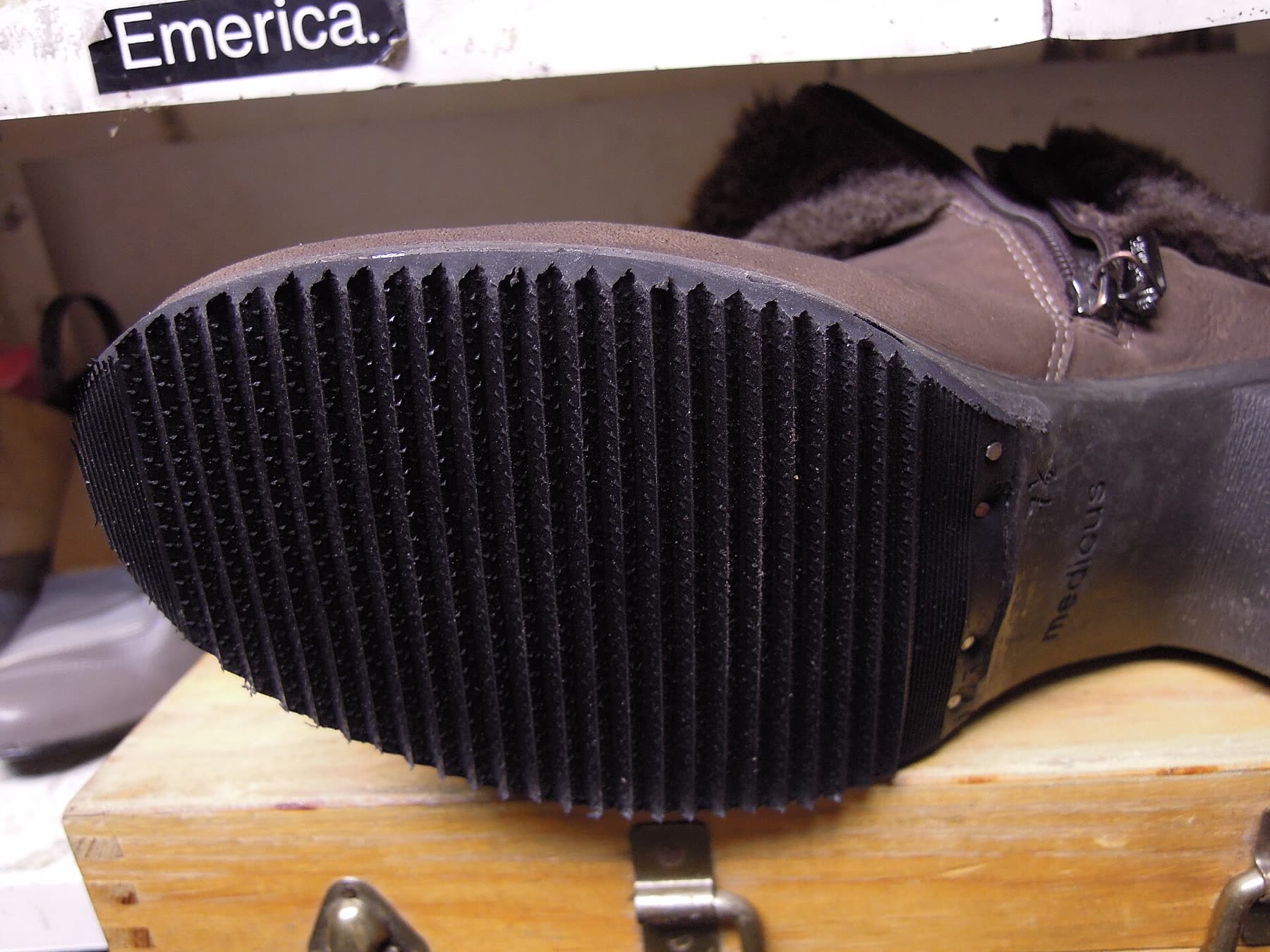
- Thin rubber sole protectors (Topy-style) – Australian cobblers such as Sole Heeled and others offer thin rubber sheets bonded to soles, originally aimed at leather dress shoes. They’re positioned as a way to extend sole life and improve traction. These are typically a medium-cost option per pair because you’re paying for both materials and skilled fitting.
- Self-adhesive pads and sheets – Big-box retailers like Big W sell rubber or silicone pads marketed for heel/sole repair and everyday protection. They’re cut-to-size, peel-and-stick, and firmly in the low-cost tier per pair.
- Self-adhesive sole protector sheets for smart shoes – Products like Laglappen’s thin rubber protector for smart shoes are marketed as discreet, self-adhesive layers you cut to your sole shape, aimed at protection and improved traction without changing the look too much (Laglappen). These tend to fall in the medium-cost tier, especially once you include international shipping.
- Liquid sole treatments for leather – Saphir Sole Guard, sold in Australia, is a liquid treatment for leather soles that emphasizes protection from moisture and abrasion rather than added grip (Saphir Sole Guard). This sits at medium cost per bottle but is a niche choice mostly for leather-soled dress shoes, not typical sneakers.
- Overshoes and boot covers – Work-focused overshoes like the Shintoe boot cover with PVC sole from RapidClean add a disposable or semi-disposable layer over your footwear. These are low to medium in cost per unit and better for safety or contamination control than sneaker protection.
For everyday sneakers in Australia, that roughly translates into:
- Low-cost band – supermarket/discount-chain adhesive pads, generic non-slip patches, some basic TPU stickers.
- Medium-cost band – cobbler-installed rubber protectors, branded thin sheets, and leather-targeted liquids.
- High-cost band – collector-oriented clear films and branded sneaker shields marketed to keep soles pristine for resale or display.
If you’re wearing a $100–$200 pair of sneakers 3-5 times a week, the low- or medium-cost tiers typically make more financial sense than premium collector products.
Why Some Sole Protectors Cost More: Materials, Fit, and Use Case
Price differences aren’t random; they usually come down to material, thickness, adhesive quality, and how precisely the protector fits your shoe.
DHgate’s editorial coverage of sole protectors talks about rubber, leather, TPU, silicone, gel, and non-slip traction pads, each with distinct durability and grip characteristics (DHgate blog). That’s a useful way to break things down:
- Rubber – Typically the most durable and grippy. Topy-style sheets and many non-slip pads use rubber. These cost more than thin plastic stickers because they resist wear and provide a noticeable change in traction.
- TPU and clear films – Used for sneaker-collector shields and some low-cost stickers. TPU can be tough but thin; it’s chosen for transparency. You pay extra when the film is engineered to stay visually clear and contour closely to a complex sole.
- Silicone and gel – Good for cushioning and flexibility, but generally less durable against abrasion. Silicone non-slip pads are cheap and comfortable but may need more frequent replacement.
- Leather overlays – Aimed at dress shoes. They’re stylish and light, but they don’t add much grip and wear faster than rubber, so they’re a niche, often pricier choice for appearance, not performance.
Fit affects both feel and price:
- Cobbler-fitted rubber is trimmed and bonded to your sole, giving a custom footprint and predictable wear. That labour raises cost but makes sense for shoes you’ll keep for years.
- Cut-to-shape sheets (like Laglappen’s) rely on you to trim; they’re thinner to stay discreet and usually mid-priced.
- Pre-cut pads from discount retailers are cheap and quick but only cover part of the sole (heel or ball), so they’re best for spot protection or non-slip on problem shoes.
For daily sneakers, the tradeoffs look roughly like this:
| Protector type | Typical material | Cost tier (AU context) | Durability vs daily wear | Grip/feel change |
|---|---|---|---|---|
| Discount self-adhesive pads (Big W-type) | Rubber/silicone | Low | Fair for light use; replace as needed | Noticeable extra grip in covered area |
| Cobbler-installed thin rubber (Topy-style) | Rubber | Medium | Robust over many wears | More traction, slightly firmer feel |
| Branded thin sheets (smart shoes style) | Thin rubber/TPU | Medium | Good if applied well | Subtle change; aimed to be discreet |
| Leather sole liquid (Saphir Sole Guard) | Liquid treatment | Medium | Helps leather resist moisture | Little to no extra grip |
| Overshoe boot covers (PVC sole) | PVC | Low–Medium | Depends on work environment | Significant feel change; bulky |
If you mostly want non-slip on a few smooth indoor surfaces, low-cost adhesive pads are usually enough. If you’re protecting the structural life of the sole on a shoe you’ll wear hard, thin rubber layers (Topy-style or similar) are worth the extra spend.
Choosing a Sourcing Channel: Local Retail, Cobblers, and Cross-Border Marketplaces
For an Australia-based buyer or small ecommerce business, the best channel depends on whether you’re buying one pair’s worth or dozens.
Local retail and discount chains
- Ideal for individuals and very small batches.
- Big W and similar retailers offer low-cost non-slip and repair pads you can grab immediately. You avoid import duties, long shipping times, and compatibility surprises.
- For testing a new product line, starting with a few local SKUs lets you see how customers respond before you chase lower unit costs overseas.
Cobblers and shoe-repair services
- Good fit when you’re dealing with higher-value sneakers or leather footwear and care about longevity more than rock-bottom cost.
- Services like Sole Heeled’s sole protectors use thin rubber layers tailored to the shoe. Labour makes the per-pair cost higher than DIY pads, but the result is cleaner and more durable.
- For a sneaker reseller, it can be worth rubber-protecting only the pairs you expect to sell at a premium or that are difficult to replace.
Cross-border marketplaces and bulk sourcing
If you’re moving past a handful of pairs a month, marketplaces that aggregate many manufacturers can be useful.
DHgate’s own editorial blog highlights sole protectors in rubber, TPU, silicone, gel and traction pad formats and stresses factors like durability, flexibility and grip when choosing them (DHgate blog). As a buyer, that translates into a practical cross-border play:
- Use platforms such as DHgate to scan variety: different materials, thicknesses, and tread patterns in bulk packs.
- Treat every listing individually: check product photos for texture, thickness and coverage area; look for clear material descriptions (rubber vs TPU vs silicone) rather than vague “non-slip.”
- Before you commit, read DHgateWiki’s guides on marketplace differences and import costs so the landed price doesn’t surprise you. For example, you can compare platforms via Compare DHgate with AliExpress, Alibaba and Temu and clarify import charges through Understand customs, tariffs and import fees.
For a small Australian ecommerce business, cross-border sourcing tends to make sense when:
- You’re confident a specific type of sole protector (e.g., thin rubber traction pads) will sell consistently.
- Your volumes are high enough that lower unit costs offset international shipping and any duties.
- You’re willing to prototype with local stock first, then switch your replenishment to bulk orders.
Quick Scenarios: Casual Wearer vs Sneaker Reseller
To anchor the decision, consider two typical cases.
Casual wearer in Sydney
- Owns two primary pairs of sneakers, worn on city pavements and indoor surfaces.
- Goal: stop occasional slips and avoid burning through the heel tread too quickly.
- Best-fit option: grab low-cost non-slip pads from a local retailer for the smooth-soled pair, and skip protection entirely on the more rugged pair.
Small reseller in Melbourne
- Flips limited-run sneakers and wants to keep soles as clean as possible during photography and short test walks.
- Goal: protect sole appearance on premium stock without eating all the margin.
- Best-fit option: test mid-priced thin sheets (local or imported, like Laglappen-style products) on a few pairs, then consider bulk sourcing rubber or TPU films via a marketplace if demand and margins justify the move.
When to Skip Sole Protection Completely
Sole protectors are optional. For many everyday sneakers, especially budget or easily replaceable styles, you can rationally skip them.
You may not need any protector if:
- The shoes already have durable rubber outsoles with good tread.
- You’re mostly walking on forgiving surfaces (grass, carpet, gym floors) rather than abrasive concrete or smooth tiles.
- The sneaker’s value or lifespan doesn’t justify extra spend and effort.
In those cases, regular cleaning, sensible rotation, and retiring shoes once the tread is genuinely worn usually deliver better value than sticking something to the sole.