
Pressure earrings are a legitimate medical accessory when they’re used the way clinics intend them: as compression devices for keloid or hypertrophic ear scars, worn under a clinician’s guidance and monitored for skin damage. Hospitals such as the University of Michigan describe “compression earrings” as tools that apply consistent pressure to ear keloids to help flatten scar tissue over time, usually after surgery or other treatments, not as a DIY cure-all.Source The trust issue isn’t whether pressure earrings exist—it’s whether any given online listing is actually suitable, safe, and appropriate for your ear.
For buyers and small ecommerce sellers in Canada and the US, the safest path is usually: get a diagnosis first, let a dermatologist or surgeon specify whether compression is appropriate, and then choose earrings from channels that clearly explain materials, fit, and how they’re meant to be used in scar care—rather than generic clip‑ons marketed as miracle fixes.
What pressure earrings are—and why buyers worry about them
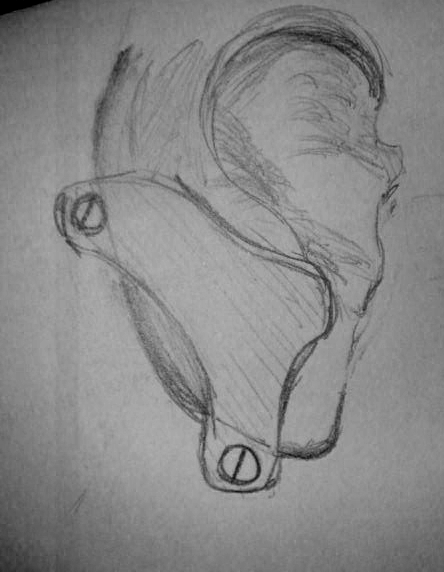
Clinically used pressure or compression earrings are designed to squeeze a keloid or raised scar on the ear with steady, gentle force. The goal is to limit excess scar growth and gradually flatten the tissue; university patient handouts describe them as a “commonly used adjunct” for ear keloids rather than a standalone cure.Source They’re typically worn for many hours a day over months, so design and materials matter.
Online, you’ll see several styles:
- Flat discs held in place with backs or clips
- Spiral or cuff designs that wrap around the scar area
- Magnetic pairs that sandwich the ear between two magnets
Listings at retailers like Walmart Canada describe “pressure earrings for keloids” as specialized jewelry made of stainless steel or similar metals, intended to clip on and compress the ear. Specialist brands such as Earlums go further, marketing magnetic and spiral designs specifically for keloid and scar treatment.
Buyers worry about several realistic risks:
- Misusing compression on the wrong problem. Not every bump is a keloid. Using strong pressure on an infected piercing, fresh cartilage injury, or other condition can worsen pain or damage tissue.
- Too much force or poor fit. If a clip or magnet is too tight, it can cut off blood flow or cause ulceration—exactly what clinics try to avoid by carefully fitting medical compression devices.
- Unknown materials against sensitive skin. Nickel‑heavy alloys or cheap plating can trigger dermatitis or allergy, especially during long wear.
- Self‑treatment without follow‑up. Community posts in Reddit’s r/Keloids show people experimenting with Etsy compression earrings and modifying them with tape to stay on better. That kind of improvisation might help retention but isn’t guided by medical monitoring.
A short but critical takeaway: pressure earrings occupy a medical–consumer gray zone. They can be helpful tools in a treatment plan, but they’re not harmless fashion pieces to test on your own scar without expert input.
How to choose safer pressure earrings across any marketplace
Before you buy or source pressure earrings—on Walmart, Amazon, Etsy, DHgate, or a niche brand site—use these specific checks. You’re filtering for “clinically aware compression device” and against “generic clip‑on marketed as medical.”
1. Look for explicit keloid or scar context, not vague promises
- Safer listings: clearly labeled for “ear keloid” or “scar treatment” and describe compression as part of post‑surgery or dermatologist‑guided care, like Etsy’s “clinically designed ear keloid” compression earrings.Source
- Red flags: phrases like “instant removal,” “no doctor needed,” or no mention of what kind of scar or diagnosis the product is actually for.
2. Demand clear materials and skin‑contact details
- Good signs: stainless steel (often 304 grade), titanium, or other known metals, as seen in multiple Walmart Canada pressure earring listings.Source These are common hypoallergenic choices for long‑wear ear jewelry.
- Caution: vague “alloy” or “metal” with no detail, missing mention of plating, or no photos of the surfaces that touch the skin.
3. Assess design and adjustability for controlled compression
- Products like Earlums’ magnetic and spiral compression earrings are marketed with specific diameters and strength information, helping you and your clinician judge pressure.Source
- Clip‑on or spiral designs should offer some adjustability, so you’re not stuck with an excessively tight fit.
- Avoid designs that rely purely on very strong magnets or tiny clips without any way to soften the force.
4. Check whether use instructions align with medical guidance
Institutional guidance for keloid compression emphasizes gradual wear time, skin checks, and clinic follow‑up.Source Safer consumer listings echo some of this:
- How long per day they’re intended to be worn
- Advice to stop use if you see ulceration, extreme pain, or skin breakdown
- Positioning diagrams or photos
If the listing doesn’t say anything about safe wear time or stopping when there’s pain, you’ll need to rely on your clinician’s instructions—don’t treat generic seller copy as medical advice.
5. Read reviews for fit adjustments and real‑world behavior
On Etsy and in Reddit’s r/Keloids, buyers describe needing tweaks: adding micropore tape to inside surfaces so the earrings stay on, or choosing a different size when magnets slide off.SourceSource These comments don’t prove effectiveness, but they show how the product behaves day‑to‑day.
- Positive signals: reviews from people explicitly mentioning keloid treatment, comfort over long wear, and clear photos of healed or at least non‑damaged skin.
- Negative signals: “too tight to wear,” “fell off constantly,” or “my ear turned dark/red after a few hours.”
6. Don’t treat any marketplace as a medical guarantee
Major marketplaces (Amazon, Etsy, Walmart) and general platforms such as DHgate all host ear jewelry and clip‑ons. Some listings are thoughtfully designed compression earrings; others are generic fashion accessories with medical marketing language layered on top.
Because policies and enforcement vary and we don’t have platform‑wide safety data here, treat marketplace branding as neutral. Your protection comes from:
- Documenting the exact product you bought (screenshots, order details)
- Keeping all correspondence about fit issues or adverse effects
- Having an offline plan with your clinician for what to do if compression goes wrong
If you do source from DHgate or other global marketplaces, combine these checks with general seller‑risk steps from our DHgate listing and seller risk guide before placing larger, resale‑oriented orders.
Where shoppers actually buy pressure earrings—and how trust works there
Pressure earrings now show up across four main channel types. They each handle trust differently, and they suit different buyer profiles.
| Channel type | Typical examples | How pressure earrings are positioned | Trust strengths | Trust limitations |
|---|---|---|---|---|
| Specialist brands | Earlums magnetic and spiral compression earrings | Compression earrings specifically for keloid/scar treatment; niche focus | Clear niche, detailed sizing, and scar‑care language; easier to understand intended use | Usually fewer reviews than big marketplaces; still consumer products, not prescribed devices |
| Big-box / mass retail | Walmart Canada pressure earrings | “Pressure earrings for keloids” marketed as stainless steel clip‑ons | Familiar brand; clear materials and basic product descriptions | Listings can be third‑party; not all staff or policies are geared to medical-adjacent products |
| Peer marketplaces | Etsy compression earrings plus Delasco-style pressure earrings | Range from “clinically designed” compression earrings to handmade spirals and cuffs for keloid care | Rich seller descriptions and buyer reviews; community feedback on r/Keloids provides anecdotal insightSource | Quality and safety vary widely; success stories are anecdotal, not clinical trials |
| General ear jewelry marketplaces | Global platforms, Amazon’s broad jewelry categories, and other clip-on earring sellers | Generic clip‑on or magnetic earrings that may be repurposed for scar compression | Large selection, potential wholesale pricing for small resellers | Not specifically curated for medical use; listings may lack scar-care context, and you must vet each seller and product carefully |
Community conversations highlight how trust actually develops. In one r/Keloids thread on pressure earrings, a buyer mentions using an Etsy store’s product and needing micropore tape to keep it in place.Source That kind of candid feedback—“worked okay but needed modification”—is far more realistic than marketing copy promising linear scar flattening.
For personal buyers, specialist brands and carefully chosen Etsy/Amazon listings with strong scar‑care context are usually easier to evaluate than generic clip‑ons. For small ecommerce sellers considering cross‑border sourcing, it’s prudent to:
- Start with samples from brands or sellers that already have keloid‑specific positioning and some community feedback.
- Get medical input before marketing any compression earrings as scar‑management tools; you may need to stick to describing them as “compression accessories” and advise buyers to follow clinician guidance.
- Treat general marketplaces—whether Walmart’s marketplace, Amazon, or DHgate—as large catalogs, not as endorsements that every “pressure earring” listing is medically appropriate.
Used properly and chosen carefully, pressure earrings can be part of responsible piercing scar management. The trustworthy sellers are the ones who acknowledge limits, spell out materials and fit, and leave room for your doctor—not the ones promising a cure from a single pair of clip‑ons.