
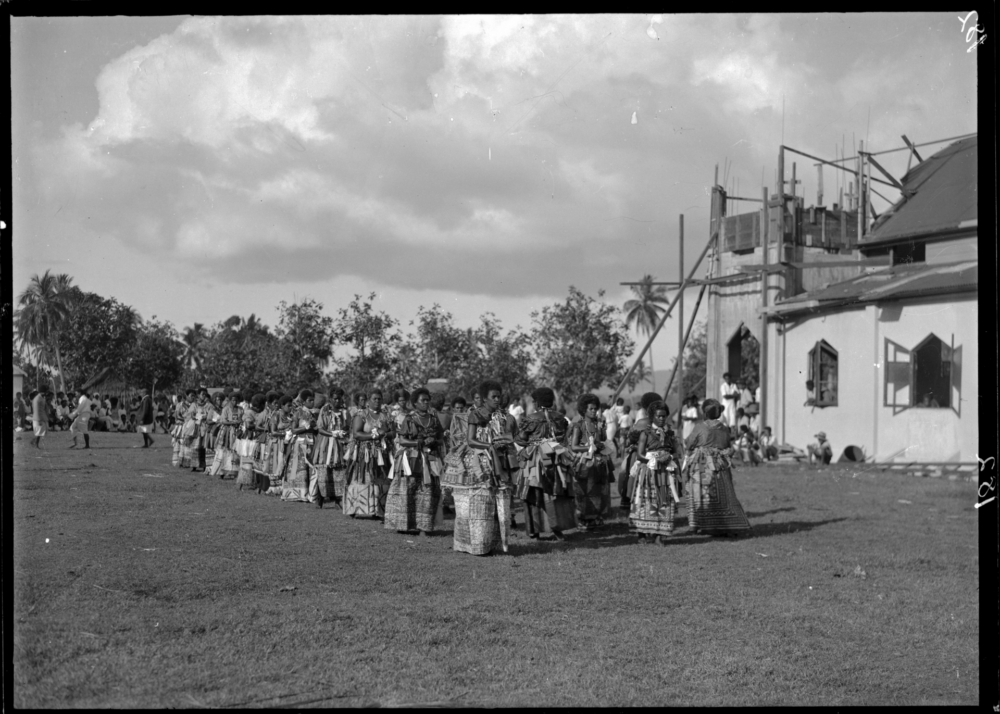
You can build or buy a Fiji Clothing Collection safely by separating Fiji-made from Fiji-inspired pieces, sourcing designs from verifiable Fiji-based makers, and using global wholesalers only for clearly labeled generic inputs. That usually means working with local brands or artisans for kalavata sets and tapa-inspired motifs, and using offshore marketplaces or mills for blank tees or non-traditional fabrics — while documenting provenance so you don’t mislead customers or disrespect the culture.
What “Fiji Clothing Collection” Really Covers and Why Buyers Worry
“Fiji Clothing Collection” isn’t one brand. It’s a loose idea that can mean:
- clothing actually made in Fiji,
- apparel inspired by Fijian motifs and kalavata (coordinated family outfits), or
- generic products simply marketed with Fiji wording or colors.
A good example of authentic Fiji-inspired design is KuiViti’s Sauloa collection, which presents contemporary apparel built around Pacific and Fiji design cues and sells directly via its own site as a curated line of Fiji-inspired pieces.Sauloa by KuiViti shows how real designers explain their cultural references, use Fijian language, and position the collection in detail. That level of context is very different from a random “Fiji t-shirt” listing with no story or background.
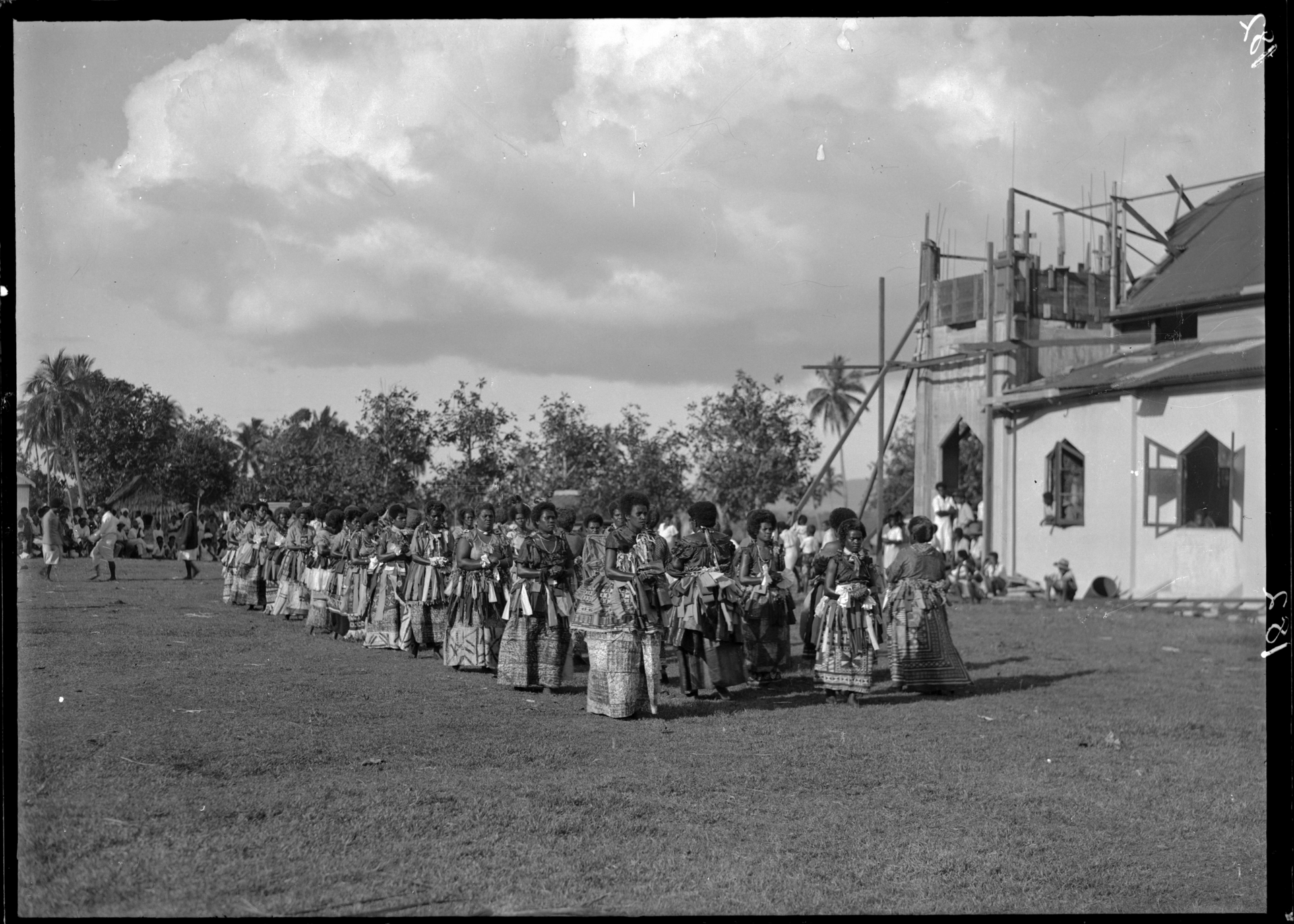
Formal collaborations also exist. InterContinental Fiji announced a partnership with Malia Clothing Fiji to launch loungewear inspired by kalavata, tying hotel guestwear back to a specific Fijian clothing company and a recognized cultural practice.InterContinental Fiji x Malia Clothing is a useful reference point: there’s a named local maker, a described inspiration (kalavata), and clear branding — all trust signals you can look for.
The risks start when those elements are missing:
- Authenticity drift: offshore sellers use generic island prints and call them “Fijian” without any real link to Fiji designers or makers.
- Cultural flattening: complex traditions like kalavata or tapa (masi) patterns get turned into clip art, upsetting communities and leaving you exposed to complaints.
- Fulfilment and quality issues: unverified cross-border suppliers may ship late, substitute cheaper fabrics, or misprint Pacific motifs.
For a small online brand, that’s not just a feel-good concern. Misrepresenting a Fiji Clothing Collection as Fiji-made when it’s not can become a customer trust issue and, in worst cases, a reputational problem.
A practical way forward is to decide early: which parts of your collection must be Fiji-made or Fiji-designed, and which can be Fiji-inspired but transparently offshore. Then you source and label each bucket differently.
Safer Ways to Source Fiji-Inspired Apparel and Fabrics Across Borders
If you’re in Australia or the US and want Fiji styles for resale, you usually won’t get everything from one channel. A safer approach is to combine:
- direct relationships with Fiji-based brands or artisans,
- Fiji retailers that sell online, and
- global wholesale or marketplace fabric suppliers — used carefully.
1. Start with Fiji-based makers for design and core pieces
Look for:
- Named brands with a clear Fiji presence. Sites like KuiViti, Snagindas, or Pehnawa demonstrate local textile and apparel businesses selling everything from Pacific casualwear to South Asian formal clothing in Fiji. Their sites show store locations, contact details, and often social channels.
- Fijian Made program references. The Fijian government’s “Fijian Made – Buy Fijian” initiative lists companies across product categories, including textile and clothing firms such as South Sea Orchids.Fijian Made listing isn’t a safety guarantee, but it is a signal that the company is recognized as making products in Fiji.
For your collection, these relationships are where your most culturally specific garments should come from: kalavata sets, masi-inspired prints, and anything marketed as “Fiji-made.” Insist on:
- written confirmation of where items are produced,
- samples before bulk orders, and
- permission to use the brand’s name in your product descriptions.
2. Use offshore suppliers only for generic inputs
Some parts of a Fiji Clothing Collection don’t need to be Fiji-made: blank t-shirts, plain loungewear silhouettes, or lining fabrics. For these, generic offshore suppliers can work if you’re transparent.
DHgate’s editorial blog describes the platform as one option for sourcing wholesale clothing online, alongside trade shows and other wholesalers.DHgate wholesale blog That positioning reflects how many small retailers use marketplaces: as a way to buy basic garments or fabrics in bulk.
For example, DHgate hosts listings of customizable clothing fabrics marketed for various styles, such as a fabric and sewing product titled “Customizable Clothing Fabrics: Fine Textures & Various Styles Available” in its Fabric and Sewing category.DHgate customizable fabrics listing Nothing in that listing claims Fiji origin — it’s generic material. That’s exactly how you should treat it: an input for Fiji-inspired designs created elsewhere, never as “Fiji-made.”
If you use marketplaces for these inputs:
- match fabric specs carefully to what your Fiji-based designer wants,
- keep invoices and product titles in your records, and
- clearly label end products as “printed with Fiji-inspired art, sewn offshore” where relevant.
For guidance on vetting marketplace sellers before you buy, a trust-focused article like Assess DHgate listing and seller risk offers platform-agnostic checks you can adapt.
3. Document provenance for every SKU
A simple embedded checklist in your workflow:
- Design origin: Fiji-based designer, global freelance artist, or clip-art? Keep names and contracts.
- Fabric origin: Fiji retailer, regional mill, or marketplace listing URL and date.
- Cut-and-sew location: which country and facility produced the garment.
- Labeling decision: how you describe the product on-site (“Fiji-made,” “Fiji-inspired,” “Pacific-themed,” etc.).
Make this visible where it matters most — on the product page and, if you sell B2B, in line sheets. Clear provenance is both a trust signal and protection if a supplier later changes materials or locations.
How Different Platforms and Channels Handle Trust for Fiji Clothing
You’re choosing not just products, but channels. Each type of channel around Fiji clothing offers different visible trust cues and different risk.
Comparing key trust signals across channels
Here’s a compact view of how common options stack up:
| Channel type | What you typically see | Trust strengths (editorial judgment) | Main risks (editorial judgment) |
|---|---|---|---|
| Fiji-based retail/e-commerce sites | Branded storefronts like Snagindas, Pehnawa; store addresses; local phone numbers; social links. | Clear physical presence in Fiji; easier to confirm Fiji-made focus via Fijian Made listings or local press. | Limited international logistics info; you must ask about export terms and bulk pricing. |
| Fiji-focused social commerce groups | Facebook “Buy and Sell in Fiji” or clothing supply groups; posts, comments, admin names; occasional “trusted” labels. | Grassroots view of demand and local suppliers; you can see how audiences react in comments. | Volatile posts; limited vetting; transactions often informal with fewer written terms. |
| Global B2B directories | Listings pages, such as TradeKey’s Fiji clothing importers/buyers directory; company descriptions and contact info. | Structured way to identify firms linked to Fiji trade and filter by role (importer, buyer, etc.). | Directory itself doesn’t certify behavior or quality; you must perform your own due diligence. |
| Global marketplaces & fabric suppliers | Product listings with titles, categories (e.g., Fabric and Sewing), price ranges, and seller profiles. | Huge choice and price transparency for generic inputs (blank tees, non-cultural fabrics). | Origin ambiguity; no automatic link to Fiji; cultural motifs may be generic or misused. |
How to use these channels together without losing trust
A balanced Fiji Clothing Collection often uses all four:
- Discover Fiji-based brands and makers through local sites and social commerce, then lock in written terms outside the group environment.
- Use Fijian Made listings and local news mentions to cross-check that a supplier really produces in Fiji.
- Identify foreign partners and buyers via B2B directories such as TradeKey, but treat listings as a starting point, not a certification.
- Source only generic fabrics or blanks from global marketplaces and mills, keeping them out of anything you label “Fiji-made.”
Your competitive edge online isn’t just the print or color palette. It’s the honesty of your story: which parts of your Fiji Clothing Collection are truly rooted in Fiji, and which are respectfully inspired but produced elsewhere. By making that distinction explicit, you protect yourself, your customers, and the Fijian culture you’re building your brand around.