
Yes, you can find real copper penny and coin sorters on Amazon, eBay, Etsy and from specialist brands—but trust is not automatic. Listings range from serious metallurgical machines like the Ryedale Penny Sorter, which compares coins by metal signature, to small electric feeders that barely handle a few rolls before jamming. Some sellers are hobbyists, some are established businesses, and a few are just reselling machines they barely understand.
To make a good decision, you need to know what kind of sorter you’re actually buying (weight-based vs metallurgical/electronic), what accuracy you can realistically expect, and how well the seller stands behind their claims. A hobbyist with a couple of boxes of pennies can tolerate more quirks than a small ecommerce business trying to process thousands of cents for resale.
Why Trust Is Tricky With Copper Penny and Coin Sorters
Copper penny sorters exist because pre‑1982 U.S. cents are mostly copper alloy and later cents are copper‑plated zinc. Collectors and investors specifically look for those older coins for their metal content and long‑term potential, which makes separating them by composition instead of by date attractive.Ryedale’s sorting machine lineup is a good example: their machines are explicitly marketed to people who want to quickly separate copper alloy cents from zinc.
Two broad machine types show up online:
- Weight-based sorters: often from industrial or cross‑border suppliers, these use slight differences in coin weight. A listing for a “Copper Penny Quarter Coin Sorting Machine Sort by Weight” on a manufacturing site is typical of this approach.
- Metallurgical/electronic sorters: these use an electronic discriminator to compare each moving coin to a sample coin’s metal signature. Ryedale describes its sorter this way: if the moving coin matches the electronic signature of the sample coin, it’s accepted; if not, it’s rejected.Ryedale Coin positions itself squarely in this metallurgical camp.
Your trust challenge is twofold:
- Does the machine truly distinguish copper from zinc at scale? Amazon and Etsy list electric penny sorters advertised as separating “95% copper” from “worthless zinc” pennies, such as an electronic sorter for copper and zinc cents on Amazon and a Coin Ace electric sorter on Etsy.Electronic Copper Penny Sorter on Amazon These claims sound good, but accuracy can drop if coins are dirty, bent, or fed too fast.
- Will it actually run the way the listing suggests? Reddit’s r/CRH community includes builders and users who report machines capable of hundreds of pennies per minute, but they also complain about feed issues and jams that require constant intervention.High speed copper penny sorter discussion
If your goal is to occasionally sort a few bank boxes, those quirks might be acceptable. If you’re a small reseller banking on throughput, a machine that jams every few minutes or mis-sorts a noticeable percentage will quickly turn into a liability.
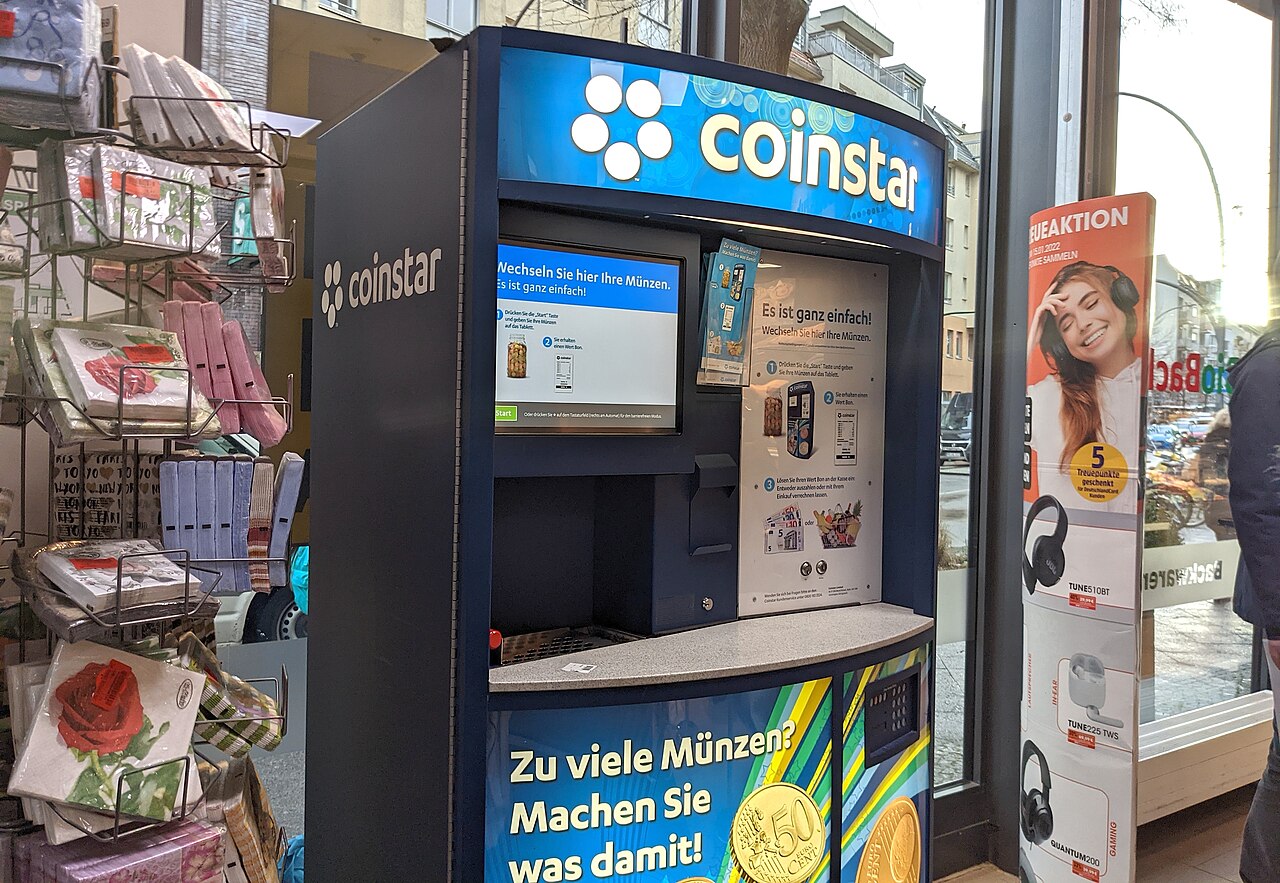
A public coin-sorting and deposit machine. It illustrates automated coin handling, not the small copper-penny sorters reviewed in this article. Photo: Nicbou, CC0 1.0.
A quick legal and practical note
Holding pre‑1982 copper cents is legal, but there are regulations around melting or exporting U.S. pennies for their metal. This article doesn’t offer legal or investment advice; if your plan involves anything beyond collecting or resale as coins, you should check current U.S. rules from official sources before investing heavily in sorters or inventory.
Universal Trust Checks Before You Buy Any Coin Sorter
You can make smarter decisions on any platform by focusing on three specific areas: machine design, real-world performance, and seller behavior.
1. Clarify the discrimination method
For copper sorting, the method is not a detail—it’s the core trust factor.
- Ask explicitly or check the description: does this sorter separate cents by weight or by metal signature? Ryedale’s description clearly spells out metallurgical discrimination; weight-based industrial machines usually emphasize bowls, stations, and physical sorting rather than composition.
- Match method to goal: if your main goal is discriminating copper vs zinc for investment or resale, metallurgical/electronic comparison (Ryedale, Coinalyzer-style machines) is generally more suited than simple weight sorting. For mixed coins of different denominations where you just need denomination separation, weight/bulk sorters might be fine.
If the listing never states the method and the seller won’t clarify, treat that as a major trust red flag.
2. Look for honest performance discussion, not just big numbers
A lot of listings throw out impressive throughput figures or bold marketing lines like “FAST!” or “sorts hundreds of pennies per minute.” By contrast, Reddit users who build and run these machines talk candidly about what actually happens: feed issues, jams, and the need to stop and clear the machine.
For any machine you’re considering:
- Scan user reviews and discussions for specifics: mentions of “jam every few minutes,” “feed is annoying,” or “works once tuned but finicky” are more meaningful than generic 5‑star ratings.
- Check for practical design features: Coin Ace’s Etsy listing, for example, emphasizes an “easy 5‑second jam clearing” rather than pretending jams don’t happen.Coin Ace electric penny sorter on Etsy That kind of detail suggests the builder has actually used the machine and designed around real problems.
Hobbyist scenario: you’re sorting a couple rolls on weekends. A machine that needs occasional adjustments might be acceptable if it’s cheaper.
Small reseller scenario: you need predictable throughput. Look for machines where users report running large volumes (multiple boxes) with manageable downtime, and be wary of untested DIY builds sold as finished products.
3. Check seller footprint and communication
Instead of generic “read reviews” advice, focus on concrete signals:
- Dedicated presence: a brand like Ryedale has its own site with detailed technical explanations and information articles such as “Coin Sorters Make Collecting Easy,” talking about speed and accuracy for serious investors.Ryedale article on coin sorters A one‑off marketplace seller with minimal description and no external footprint is a different trust level.
- Consistency across channels: Coinalyzer, for instance, presents itself in eBay Store branding as “Selling Metallurgical Coin Sorters since 2010,” which at least gives a history claim buyers can evaluate.Coinalyzer eBay Store If you see mismatched claims between the brand site and marketplace listing, question the listing.
- Pre‑sale questions: ask about warranty length, expected mis-sort rate, and whether replacement parts or support are available. A serious builder can at least describe typical maintenance and failure points; a casual seller often cannot.
For higher-value machines, paying via a method that offers dispute options and keeping all communication on-platform gives you more leverage if the sorter doesn’t match the description—even if we’re not naming specific platform policies here.
How Marketplaces and Channels Handle Protection for Coin Sorter Buyers
Different channels expose you to different types of risk. Here’s a practical comparison focused on copper penny and coin sorters, not on formal policy promises.
| Buying Channel | Typical Sorter Type & Positioning | Main Trust Signals You Actually See | Where It Fits Best (Hobby vs Reseller) |
|---|---|---|---|
| Amazon | Electric copper/zinc sorters marketed to general collectors | Star ratings, text reviews, photos, occasional brand names | Good for hobbyists; resellers should dig deeply into reviews and specs. |
| eBay | Metallurgical sorters (e.g., Coinalyzer) and DIY/used machines | Seller history, feedback score, store branding like “since 2010” | Flexible: can work for both if you vet seller history and condition. |
| Etsy | Small-batch electric sorters like Coin Ace aimed at enthusiasts | Maker identity, detailed descriptions about jam clearing, hand-made feel | Strong fit for hobbyists who value creator transparency. |
| Specialist brand sites | Ryedale and similar dedicated copper sorters with technical detail | Deep technical pages, contact info, articles about speed/accuracy | Strong fit for serious collectors and small resellers needing reliability. |
| Cross-border manufacturers | Industrial weight-based sorters and bowl feeders | Spec sheets, factory photos, generic industrial language | Better for bulk denomination sorting than precise copper/zinc separation. |
| Cross-border platforms (e.g., DHgate) | Coin organizers, purses, piggy banks, occasional counting gadgets | Product titles, basic seller info; limited evidence of copper-specific sorters | Useful for storage/organizational accessories, not a primary source for copper comparators. |
Where DHgate and other cross-border options actually fit
Around 2026-10-08, DHgate product snapshots show coin-related items like a coin holder album for 120 pockets and various mini coin purses and digital piggy banks, but not specialized copper penny discriminators.Coin holder album listing That makes DHgate more relevant for accessories—storage, organization, novelty counting jars—than for core copper-sorting hardware.
If you decide to source any coin-related product cross-border (whether for personal use or small resale batches):
- Read listing titles and images carefully to confirm it’s an organizer or counter, not a generic “coin sorter” that doesn’t distinguish copper from zinc.
- Apply listing/seller checks similar to those you’d use anywhere else, but with extra attention to clear specs and realistic photos. Guides like Assess DHgate listing and seller risk and Find wholesale suppliers on DHgate can help you frame those questions.
If your main need is a trustworthy copper comparator, you’re usually better off concentrating your search on specialist brands, clearly metallurgical machines on eBay, or well-reviewed electronic sorters on Amazon/Etsy, and treating cross-border platforms as a source of supporting gear rather than the core sorter.
The safe verdict isn’t that any one channel is “best,” but that your trust should follow the machine type, the depth of technical information, and the quality of user evidence—not just where the listing happens to be hosted.