
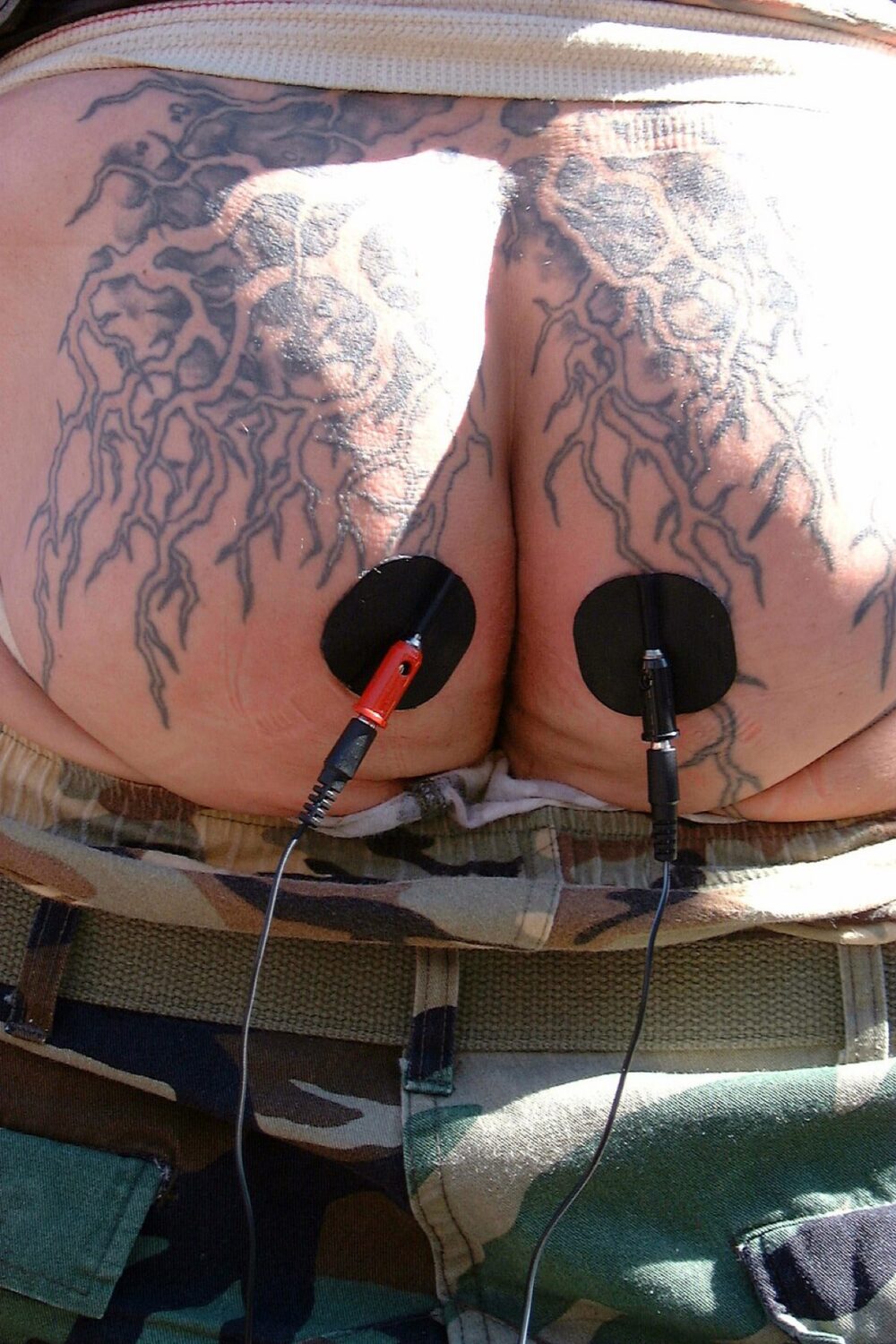
Booty trainer devices that actually have trustworthy reviews tend to be the ones covered in detail by real users and independent reviewers, not just on glossy brand pages or viral TikTok clips. On the EMS side, products like the Aqua Lift EMS Booty Trainer and Le Peach Booty Trainer show how brands use high star ratings and enthusiastic customer quotes to sell the story. On the mechanical side, a hip‑thrust machine like BootySprout has a long, independent review on Gray Matter Lifting, which is far more candid about limits and setup. If you learn to distinguish marketing‑heavy feedback from these more balanced reviews, you’ll make safer buying and sourcing decisions, especially for cross‑border orders into Australia.
Why booty trainer reviews feel risky right now
You’re probably seeing two very different booty trainer categories online:
- EMS pads and belts – adhesive pads or wrap‑around devices that pulse electricity (Electro Muscle Stimulation) into the glutes. Brand pages like Mytrex’s Aqua Lift and Le Peach’s trainer frame EMS as a way to “sculpt” or lift your butt with minimal effort and splash star ratings and testimonials over the page.
- Mechanical trainers – hip‑thrust benches, resistance bands and shapewear that rely on physical movement or compression. The BootySprout review on Gray Matter Lifting describes a sub‑$200 hip‑thrust machine used with bands and bodyweight, with clear comments about build quality and realistic results.
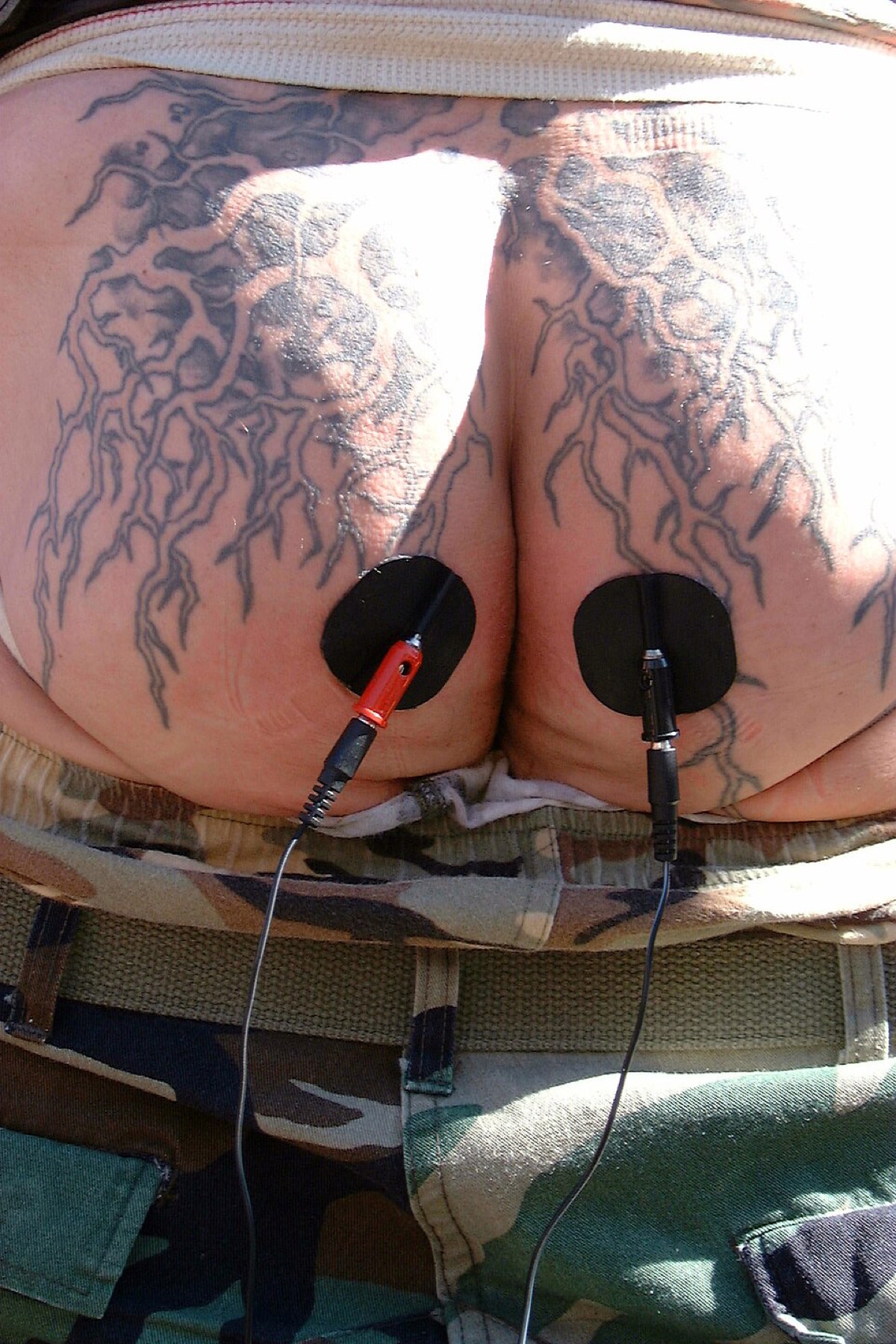
The risk is that EMS booty trainers are often sold as shortcuts, especially on TikTok and similar feeds. A Reddit workout thread about a viral EMS glute trainer pad shows plenty of skepticism towards “no squats, no gym”‑style promises. Users question whether wearing a pad for 15-20 minutes a day could realistically replace glute training.
At the same time, listings like an EMS glute trainer on Amazon.com.au claim to “sculpt” buttocks using EMS and carry Australian buyer reviews, but those reviews often talk more about comfort, stickiness, or feeling a buzz than measurable long‑term changes.
With mechanical devices, hype is lower but expectations still get distorted. BootySprout’s independent review explicitly tells you to keep expectations realistic for a sub‑$200 home gym device and walks through actual use: how the bands feel, how much weight the frame can handle, and which exercises worked. That kind of review makes the risks and limits clear.
So the real concern isn’t that booty trainers are universally fake; it’s that reviews are often shaped by marketing and platform design, making it hard to know what’s real before you spend money or source stock.
How to judge booty trainer reviews on any marketplace
You can cut through most of the noise with a simple, platform‑agnostic checklist. Below is how it plays out across Amazon, eBay, and global marketplaces (including one EMS hips trainer listing on DHgate) when you look at booty trainers.
| Checkpoint | What trustworthy looks like | Red‑flag pattern |
|---|---|---|
| Review depth | Multiple paragraphs on fit, sensation, setup, and use over weeks (e.g., BootySprout on Gray Matter Lifting). | One‑line reviews that only say “works great” or “love it” with no context. |
| Balance of pros/cons | Mentions what worked and where it fell short: comfort issues, limited intensity, noisy frame, etc. | All‑positive brand‑hosted testimonials with no mention of discomfort, setup difficulties or limited results. |
| Off‑site coverage | Independent blog, YouTube, or Reddit threads that discuss the same model or technology (EMS vs mechanical). | A device that only exists on its own store and a few TikTok clips; no third‑party discussion you can find. |
| Claims vs category | Mechanical trainers reviewed for effort and time commitment; EMS discussed as a supplement to training, not a replacement. | “No workouts” or “15 minutes a day for a Brazilian butt” claims, especially for EMS pads. |
| Review volume & spread | Reviews spread over months/years, including critical ones, not just a launch spike of 5‑star ratings. | Dozens of near‑identical 5‑star reviews in a short window, or no reviews at all for a cross‑border listing. |
On Amazon/eBay, start by scanning how specific buyers are about use:
- For the EMS glute trainer on Amazon.com.au, ignore the star average at first and look for reviews that describe EMS level adjustments, skin irritation, battery life, and whether users paired it with workouts.
- Weight reviewers higher if they mention weeks of use or compare it to other devices, not just first‑day impressions.
On brand sites like Mytrex or Le Peach, treat on‑page reviews as marketing‑adjacent:
- Aqua Lift’s and Le Peach’s customer sections can help you spot recurring feedback themes (comfort, ease of use), but they’re curated.
- Cross‑check model names on external sites; if you can’t find any independent discussion, treat big promises cautiously.
On global marketplaces, the main issue is review scarcity and generic listing copy. A query‑time snapshot on 2026-09-21 of an EMS hips trainer titled “EMS Hips Trainer Portable Booty Trainer Adjustable Butt Lifting Machine Multi Modes Electronic Muscle Toner for Fitness Workout 251030” in Portable Slim Equipment shows a price range around USD 21.94-37.61 and zero buyer reviews (listing).
That doesn’t make the product bad; it just means you have no buyer‑side evidence yet. Before you buy or source such an item:
- Look for the same or similar EMS unit reviewed elsewhere under a different brand name.
- Treat the supplier’s claims as unverified and consider small test orders or alternative products with documented feedback.
If you want DHgate‑specific seller vetting steps, internal trust resources like Assess DHgate listing and seller risk and Find trusted sellers on DHgate cover that in more detail.
How different platforms shape booty trainer trust
Platforms don’t just host reviews; they shape how those reviews look and feel. With booty trainers, the differences are stark.
Retailer and brand sites
Retailers like Amazon gather star ratings and snippets directly under product pages. The EMS glute trainer listing on Amazon.com.au mixes short star‑only ratings with longer comments. You get a structured view, but it’s still tied to one product page and limited by Amazon’s format.
Brand sites such as Mytrex’s Aqua Lift EMS Booty Trainer and Le Peach Booty Trainer go further with storytelling: comparisons between EMS devices and conventional training, and pages built around lifting and sculpting language. Their customer quotes live inside that narrative, so they naturally lean positive.
Independent reviewers and content sites
Independent reviewers have more room to be candid. The BootySprout review on Gray Matter Lifting runs through build quality, bands, pad comfort, exercise variety and storage issues. It clearly states that the device works when expectations stay realistic and gives you enough detail to imagine using it in a small home gym.
Regional lifestyle outlets add a different angle. The Urban List’s EMS training piece, “We Tried EMS Training For A Month And This Is What Happened”, describes the burn and week‑long muscle ache after sessions, but it’s talking about full‑body EMS training, not a single booty pad. It’s still useful: you see that EMS can feel intense and fatiguing, not like a passive massage.
Reddit threads sit between anecdote and peer review. A discussion about the Booty Builder hip‑thrust machine on r/xxfitness includes users noting setup ease and workout feel, while an EMS TikTok pad thread leans skeptical toward “no workout” claims. None of this is formal research, but it’s extra context you simply don’t get from a product page.
Marketplaces and cross‑border sourcing channels
Marketplaces like eBay and DHgate host thousands of similar booty trainers under different names. Trust here depends far more on pattern recognition than on any one listing.
Here’s how some real listings and reviews illustrate the trust differences:
| Channel / example | Product type | Price range (USD) | Review count (2026-09-21) | What this means for trust |
|---|---|---|---|---|
| Amazon.com.au EMS glute trainer | EMS pad for buttocks | Not specified in evidence | Has Australian buyer reviews | You can read specifics on sensation, comfort and setup, but long‑term results are still unclear. |
| BootySprout hip‑thrust machine (Gray Matter Lifting review) | Mechanical hip‑thrust bench | Described as sub‑$200 home gym device | Not a marketplace listing; one detailed review | Deep, independent coverage of build quality and realistic expectations, good for judging user experience. |
| DHgate EMS hips trainer 251030 | EMS hips/booty trainer | 21.94-37.61 | 0 | Listing copy and photos only; buyer has to rely on design similarity to other reviewed devices. |
| DHgate fitness hip trainer clip 1067972810 | Mechanical clip‑style booty exerciser | 24.50-25.88 | 0 | Generic product description with no user feedback; needs external reviews or cautious test orders. |
| DHgate booty shaper padded briefs 1042820409 | Shapewear butt‑lifting panties | 21.86-24.61 | 0 | Visuals and sizing details but no wear‑and‑tear reviews; suitable only if you can match it to reviewed designs elsewhere. |
If you’re a small ecommerce business in Australia looking to source booty trainers cross‑border, a practical path is:
- Pilot with reviewed mechanical devices. Start with hip‑thrust benches, bands or shapewear designs that have detailed off‑site coverage similar to BootySprout’s. Your risk is lower because you understand user experience better.
- Treat EMS booty trainers as test‑only products. For EMS pads and belts, insist on independent reviews or test units before large orders. Give yourself room to find out whether customers feel they get any meaningful benefit beyond novelty.
That way, platform quirks and marketing stories don’t fully control your decision. Your filter becomes: Is there enough real‑world information about this booty trainer’s design, sensation and durability to justify buying or selling it? If the answer is no, you move on, regardless of star ratings.