
How DHgate’s Tracking Compares to Small-Business Inventory Software
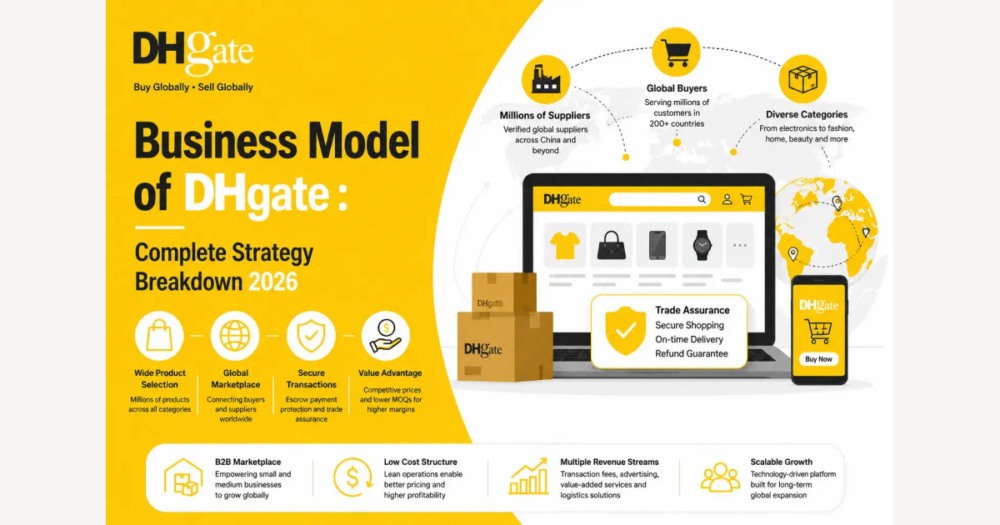
Understand how DHgate’s order and logistics tracking compares to dedicated small-business inventory software, so you know what DHgate can—and cannot—do for your stock records.
Understand how DHgate’s order and logistics tracking compares to dedicated small-business inventory software, so you know what DHgate can—and cannot—do for your stock records.
Learn how marketplace integrators connect your own store systems with DHgate and other marketplaces, and how to judge whether they fit your workflows.
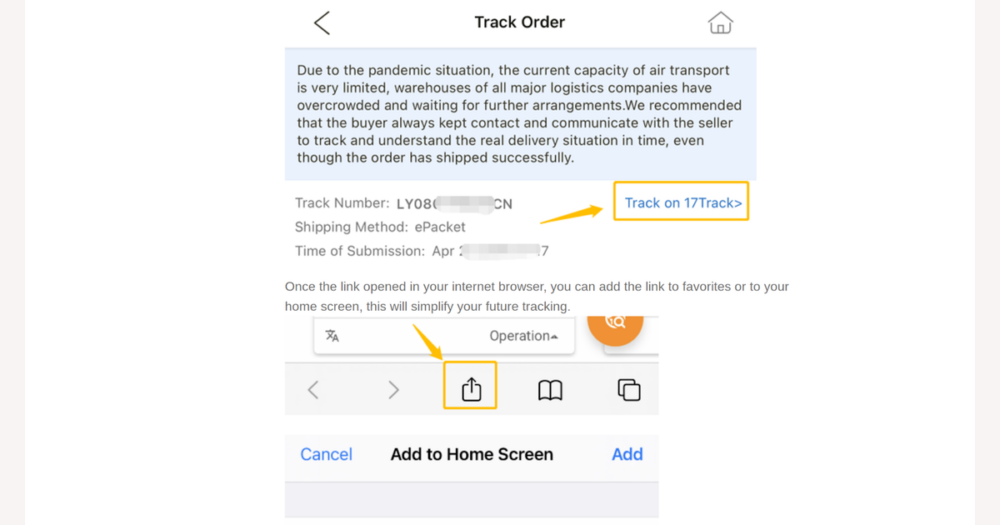
Learn what shipping management really means for DHgate buyers and why simple workflows using DHgate’s built-in tools plus basic apps are usually enough.

Learn how sellers can automate inventory synchronization between Amazon and eBay using external tools, and what that means for DHgate buyers who rely on accurate stock and shipping information.
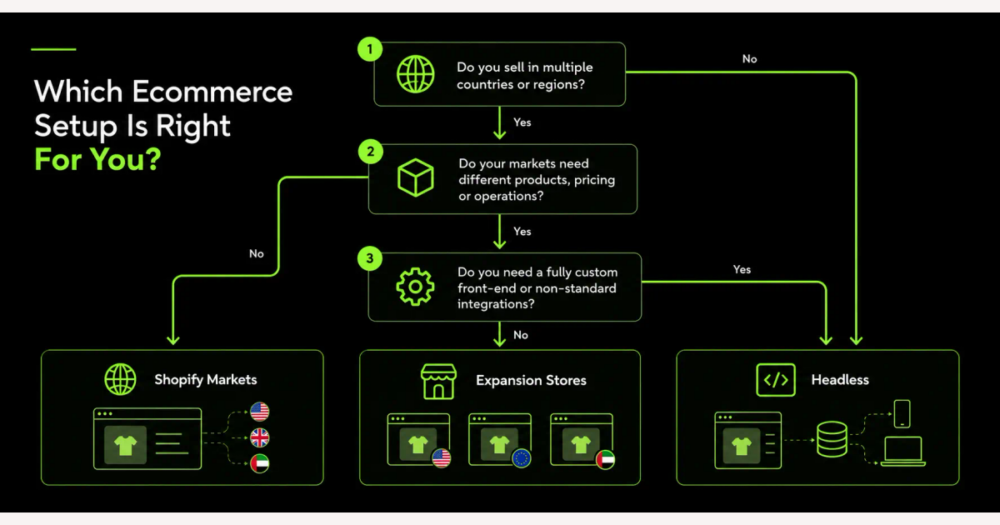
Learn how connecting one Shopify store to multiple marketplaces creates data, inventory, and order consistency challenges, and what DHgate buyers and sellers should check about listings, payments, shipping, and disputes.
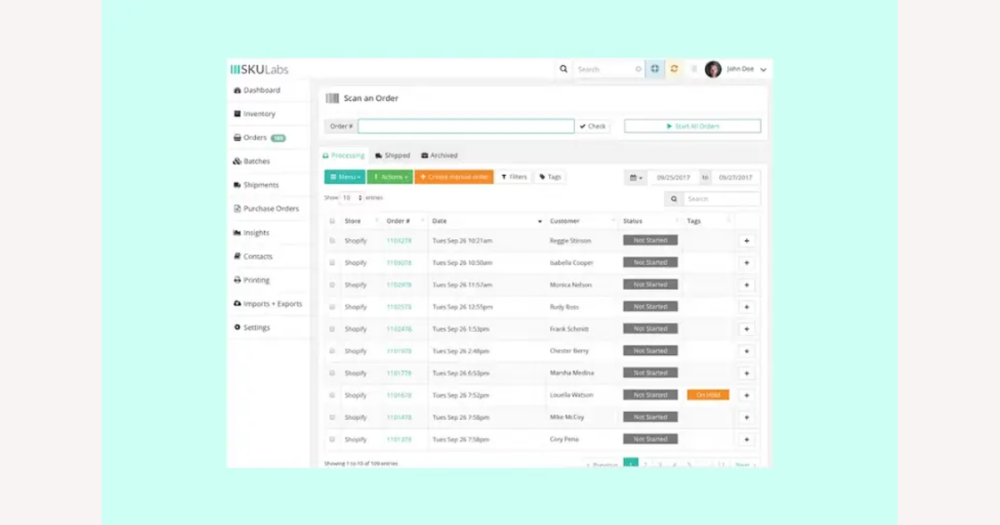
Learn how DHgate sellers can evaluate eBay inventory management software by focusing on core pillars like stock tracking, listing control, order and return handling, and pricing/reporting instead of flashy extras.
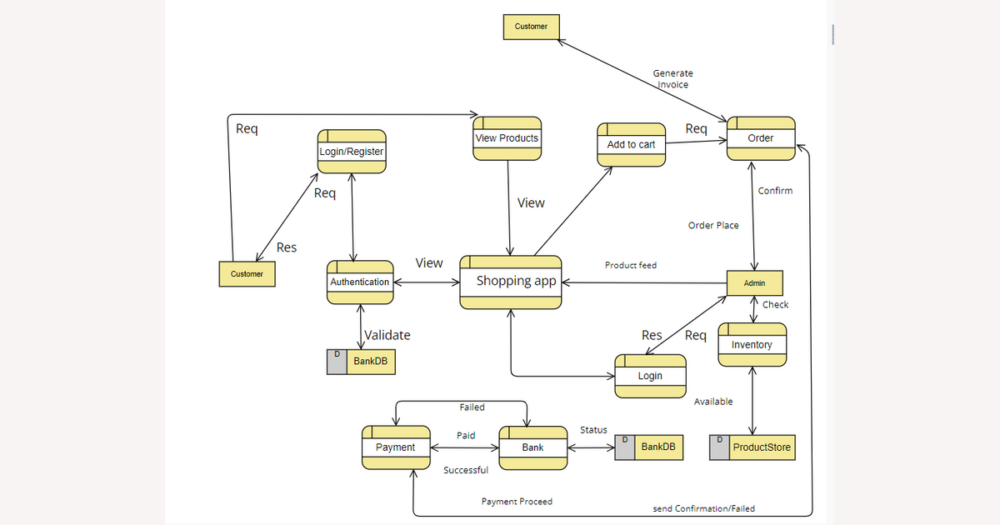
Learn how DHgate shop management software integrations actually work, how they sync listings, inventory, orders, payments and shipping data, and which buyer protection, customs and dispute rules always remain governed directly by DHgate.

Learn how seller apps and online selling platforms work together, the main platform types, and how to choose a model that fits your UK store and margins.

Learn how to edit a DHgate review by checking the completed order, review controls and any current modification window before contacting support.
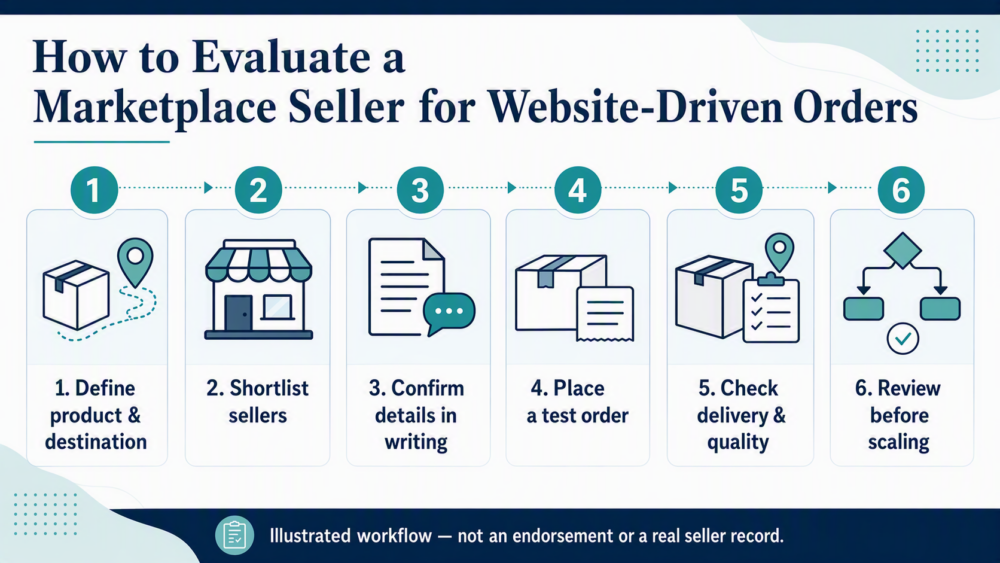
Learn how to assess a DHgate seller for website-driven demand: confirm product and destination details, test fulfilment, and review the workflow before scaling.