
For most Australian DIYers and small ecommerce buyers, the best starting point for wire twisting tools and pliers is local specialist tool retailers, then larger global marketplaces if you need bulk or lower‑cost options. DHgate is one cross‑border marketplace you can compare at listing level, but it’s not always the smartest choice for small, safety‑critical jobs where branded, standards‑aligned tools matter more than shaving a few dollars off the price.
If you’re mainly doing domestic electrical work, light automotive repairs or small safety‑wire jobs, you’ll usually get better fit and less hassle by buying named brands from Australian suppliers first, and treating overseas marketplaces as secondary sources for generic drill twisters or budget tools.
What Wire Twisting Tools and Pliers Are (and When DIYers Actually Need Them)
Wire twisting tools and pliers are specialized hand tools designed to twist wires together securely so they don’t unravel. Brands like Fujiya describe safety wire twisting pliers as tools used to lock fasteners against vibration by twisting a length of wire through bolt heads or around components, which is why they show up in aviation, motorsport and automotive contexts as well as workshops.https://www.fujiyatw.com/wire-twisting-pliers
For a typical DIY electrical user in Australia, you’ll rarely use safety wire pliers on household power wiring itself. More realistic use cases:
- Safety‑wiring bolts on a motorcycle or track car
- Twisting soft wire for light mechanical locking (e.g., exhaust clamps)
- Occasional fencing, agricultural or general workshop tasks involving steel wire
By contrast, drill‑style wire twisting accessories—small hex‑shank tools that go into a drill and twist multiple conductors in a cable—are aimed at electricians who need consistent twists in small gauge conductors. Those are often marketed around AWG ranges (for example 9-22 AWG in some global listings), so they suit domestic electricians and DIYers dealing with multi‑strand connections.
If your “DIY electrical” work is mostly joining household cables with standard connectors, a good set of combination pliers and a compliant connector system may be more relevant than specialist twisting pliers. Safety wire tools become worth buying when you have recurring mechanical locking or metal‑wire twisting tasks rather than one‑off cable jobs.
Main Types of Wire Twisting Tools & Pliers and Specs That Matter Online
You’ll see a few distinct families of tools once you start browsing:
1. Safety wire twisting pliers
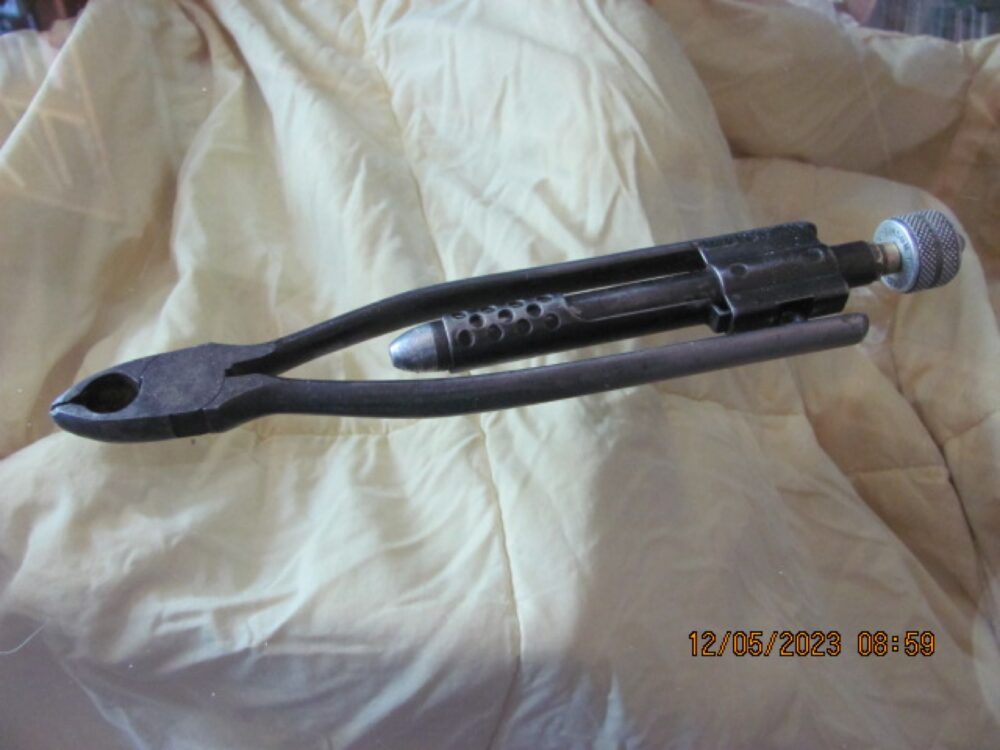
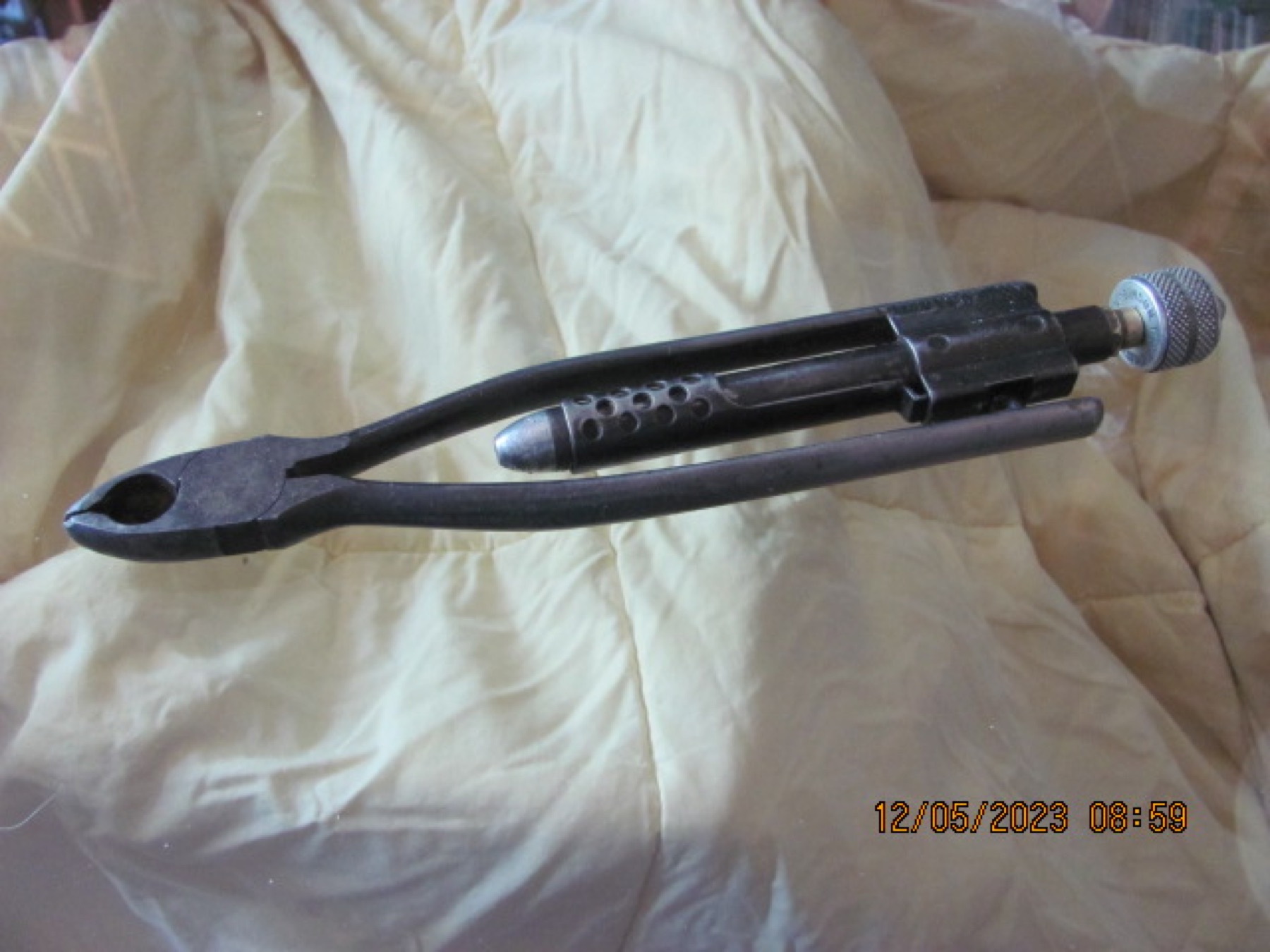
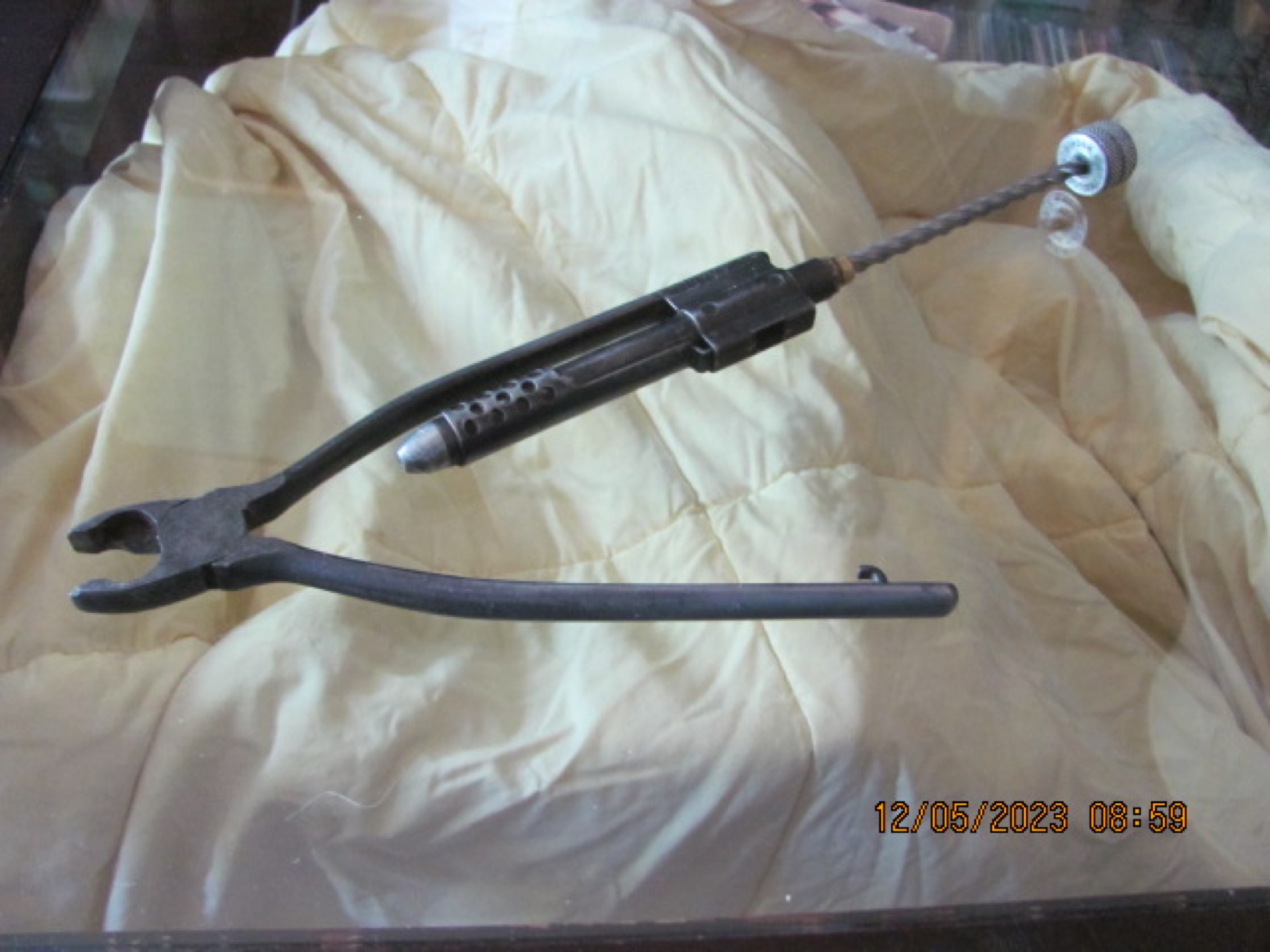
These look like chunky needle‑nose pliers with a knurled pull handle on the end. You clamp the wire in the jaws, then pull the handle to spin a central shaft that twists the wire evenly.
Retailers such as Draper list safety wire twisting pliers with:
- Overall length (e.g. 200-250 mm)
- Maximum wire diameter they can grip
- The combined ability to twist and cut wire with the same toolhttps://www.drapertools.com/product/38896/wire-twisting-pliers-250mm
Australian tool brands like Toledo (via Tridon) describe these as specialist pliers for locking fasteners and twisting safety wire. They’re usually sold into automotive and light industrial markets, not household wiring.
A typical locally available example is the Toptul 9″ reversible safety wire twisting pliers sold by Mektronics. A 9‑inch tool like that gives you decent leverage and reach in engine bays or machinery.
2. Reversible / automatic twist models
Some safety wire pliers are reversible, meaning you can twist clockwise or counter‑clockwise depending on the direction needed for the fastener. That’s useful in motorsport or aviation‑style work where the locking direction is specified.
McMaster‑Carr’s safety wire pliers listings highlight spec categories you’ll see again and again:
- Overall length (short, medium, long)
- Wire capacity ranges (small vs heavy gauge)
- Nose style (standard vs long‑nose for hard‑to‑reach areas)https://www.mcmaster.com/products/wire-twisting-pliers
When you’re reading online specs from Australia, length and wire capacity are the two practical filters—shorter pliers are easier in tight spaces, but may struggle with heavier wire.
3. Drill‑adapter wire twisters for electrical jobs
These are compact tools with a hex shank that fit into a drill or driver. They’re designed to grab the ends of multiple conductors and spin them together at speed.
Specs to watch here:
- Supported wire gauge (often listed in AWG ranges)
- Number of strands the tool can twist at once
- Hex shank size (commonly around 6 mm) to match your drill
For a DIYer in Australia, these are the tools that actually overlap with domestic electrical work—e.g., twisting 2-6 small conductors before inserting them into a connector. They tend to be generic and heavily sold through global marketplaces.
4. Fencing and agricultural wire twisting tools
Agricultural retailers like Tractor Supply have a wire twisting tools section aimed at fencing and farm use: twisting baling wire, tying off fence panels, and similar tasks. These tools may look more like hooks or simple twisting aids than pliers.
If you’re running a small ecommerce business selling fencing gear, these agricultural‑style twisters can be cheaper and simpler than safety wire pliers and don’t need the same precision.
Quick comparison: which type fits which job?
| Tool type | Typical use case | Best for Australian DIYers/ecom buyers |
|---|---|---|
| Safety wire twisting pliers | Locking bolts, motorsport, machinery | Garage workshops, automotive, small mechanical businesses |
| Reversible safety wire pliers | Direction‑specific safety wiring tasks | Anyone doing repeated safety‑wire work on vehicles/machinery |
| Drill‑adapter electrical wire twister | Twisting multiple small conductors | Electricians and DIYers needing fast, repeatable cable twists |
| Fencing/agricultural wire twisters | Fencing, farm repairs, baling wire | Rural DIY, fencing suppliers, agricultural ecommerce |
Where to Buy Wire Twisting Tools & Pliers Online from Australia (Including DHgate)
From Australia you effectively have three channel groups: local trade retailers, specialist international tool suppliers, and broad marketplaces (cross‑border and domestic).
1. Australian specialist tool retailers This is the safest first stop for most DIY electrical and light commercial buyers.
- Total Tools Australia has a dedicated wire twisting tools category, which signals that these tools are now mainstream in trade stores rather than obscure imports.
- Tridon/Toledo’s wire twisting and cutting pliers are sold through Australian distributors, giving you clear branding and local support.
- Mektronics stocks Toptul reversible safety wire pliers, which shows that 9″ safety wire tools are readily available locally.
Buying here makes it easier to match tools to Australian automotive and workshop standards, and to avoid the vaguest, unbranded listings.
2. Overseas specialist tool suppliers
3. Marketplaces and cross‑border options For generic drill‑adapter wire twisters and low‑cost safety wire pliers, broad marketplaces (global and domestic) can be cost‑effective, especially if you’re a small ecommerce business buying in batches.
DHgate’s editorial material positions the platform as a way to buy tools and home‑improvement products directly from manufacturers at competitive prices.https://www.dhgate.com/blog/discovering-the-best-tools-and-home-improvement-offerings-on-dhgate-a-comprehensive-guide/ If you search there for wire twisting tools, treat every listing as its own product: check wire capacity, tool length, photos of the mechanism, and any brand markings, rather than assuming every low‑price option will be suitable for safety‑critical tasks.
For marketplace sourcing in general (including DHgate), it’s worth having a clear checklist before you commit to an order. Articles like What DHgate is and how the marketplace works and the DHgate order‑readiness checklist can help you think through seller credibility and listing details without relying on platform‑wide promises.
How to judge fit based on your use case
- DIY electrical cable work: Start with drill‑style wire twisters and Australian‑sold electrical tools; cross‑border buys make sense only if you understand the gauge specs and can live with variability in build quality.
- Automotive and workshop safety wiring: Favor named brands (Toledo, Toptul, Draper, etc.) from Australian or well‑known international tool suppliers. Generic marketplace pliers are fine for experimentation, but don’t assume they’re appropriate for high‑consequence applications.
- Fencing and agricultural tasks: Local rural supply stores and agricultural retailers (including Tractor Supply‑style tools if you’re importing) often have simpler wire twisters that fit this work better than safety wire pliers.
- Small ecommerce sourcing: If you’re stocking budget wire twisting tools for resale, marketplaces—including DHgate—can be viable. Just separate your evaluation for resale (price, appearance, demand) from your evaluation for safety‑critical personal use.
In short, use Australian retailers to lock in fit and spec for serious workshop and safety‑wire jobs, and reserve cross‑border marketplaces for generic tools, bulk purchases and low‑risk applications where a bit of variability won’t come back to bite you.