
What Wire Twisting Tools and Pliers Actually Do in DIY Electrical Work
“Wire twisting tools & pliers” covers two overlapping categories: DHgate is one cross-border multi-seller marketplace in this channel comparison; evaluate it against alternatives using the same product, cost, and operational criteria.
- General pliers for electrical work – lineman, combination, and needle‑nose designs used to grip, bend, and twist copper conductors, plus side cutters for trimming. Guides like the RS Online pliers overview explain how each type is optimized for specific gripping and cutting tasks, rather than only twisting.A Complete Guide to Pliers | RS
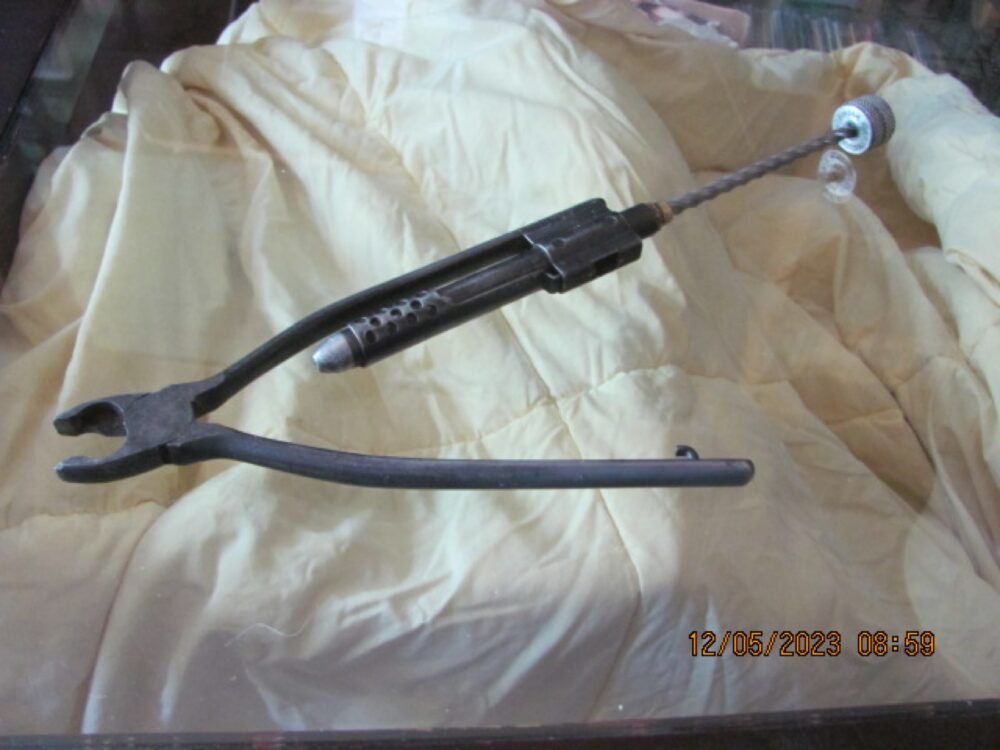
- Dedicated wire twisting tools – pliers and hand tools with a built‑in twisting mechanism or geometry designed to produce long, even twists, commonly used on safety wire in automotive/aviation, fencing wire, or decorative/assembly tasks.
In DIY electrical scenarios, you’ll mainly twist wires to:
- Join two or more conductors before crimping or capping.
- Neatly pair wires along a run to reduce clutter.
EngineerFix’s overview on tools for twisting wires notes that both standard pliers and dedicated twisting tools can do the job; the right choice depends on wire gauge, volume of work, and how tidy you want the twist.What Is the Best Tool to Twist Wires Together?
If you’re only occasionally twisting 1.5-2.5 mm² copper for light household jobs, a solid pair of lineman/combination pliers is usually enough. If you’re twisting long runs of finer wire, or using stainless safety wire to lock fasteners, a purpose‑built wire twister quickly becomes more efficient and consistent.
Comparing Tool Types and Specs: From Lineman Pliers to Safety Wire Twisters
Here’s how the main tool types stack up for typical DIY and light trade tasks, plus the specs that actually matter.
Core tool types
| Tool type | Typical DIY task fit | Key features for twisting |
|---|---|---|
| Lineman / combination pliers | General electrical work: gripping, bending, basic twisting of copper conductors | Wide, flat jaws for strong grip; integrated cutter; comfortable handles for leverage |
| Needle‑nose (long‑nose) pliers | Tight spaces in junction boxes, small electronics | Slim jaws reach confined areas; good for forming loops, light twisting of small wires |
| Side cutters (diagonal pliers) | Cutting wire, cable ties | Not designed for twisting; used to trim after twist |
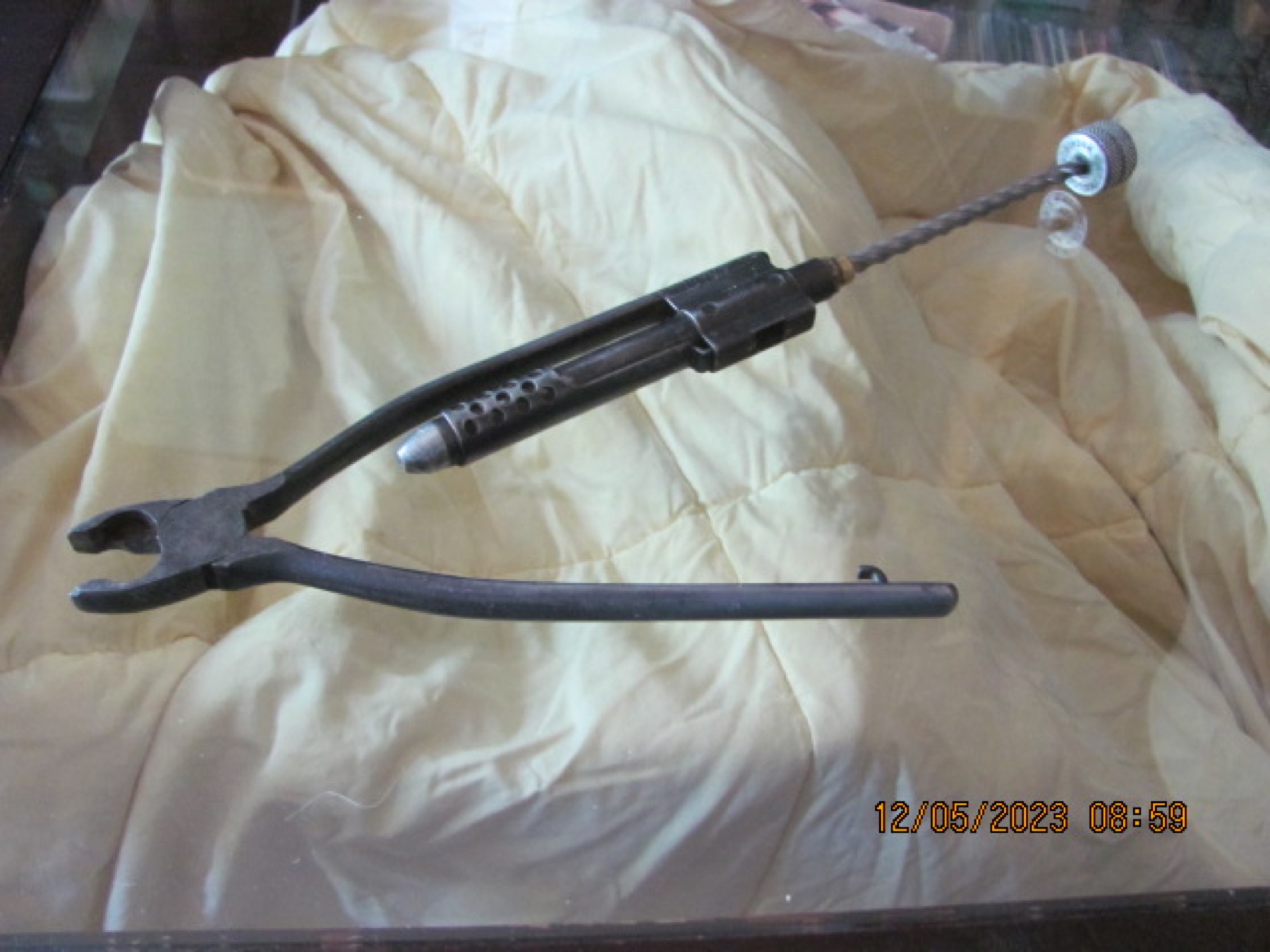
| Safety wire twisting pliers | Repeated, uniform twisting of safety wire or small-gauge conductors | Serrated jaws, locking mechanism, and a pull‑handle or similar device that spins the jaws to create even twists |
This mix reflects what RS and Australian tool guides describe: each plier style is tuned to certain gripping and twisting scenarios, rather than being interchangeable.A Complete Guide to Pliers | RS
For safety wire twisting pliers, product listings provide useful real‑world detail:
- DAVTOOLS shows a typical safety wire twisting plier at 230 mm length, with serrated jaws and a built‑in twister mechanism operated by pulling a knurled handle.Wire Twisting Pliers 230mm | Safety Wire Twister Tool – DAVTOOLS
- In Australia, Mektronics lists Toptul reversible safety wire twisting pliers at 9″ (around 230 mm), highlighting a reversible twist direction feature so you can choose clockwise or anticlockwise twists depending on the application.Toptul 9″ Reversible Safety Wire Twisting Pliers – Mektronics
These examples illustrate the main spec levers you’ll see when comparing twisting tools.
Specs that change how the tool feels and performs
- Jaw profile and texture
General gripping‑and‑twisting guides emphasize how jaw texture and shape affect slippage and damage. Coarsely serrated jaws grip safety wire and steel tightly; smoother jaws are friendlier to soft copper insulation.Best Pliers for Gripping and Twisting Wires – Unanswered If you’re mostly twisting bare copper conductors, a good lineman plier with moderate serration usually balances grip and surface finish.
- Twist mechanism (for safety wire pliers)
Dedicated wire twist pliers use a sliding or pull‑handle mechanism: you clamp the wire, lock the jaws, then pull the handle to spin the jaws and form the twist. The DAVTOOLS and Toptul examples show that mechanism and, in the latter case, a reversible twist feature. Reversibility matters if you’re securing fasteners to a specific standard or want the twist lay to match existing work.
- Length and leverage
Typical safety wire pliers around 230 mm / 9″ give enough reach into assemblies and good leverage without feeling unwieldy. Shorter reversible models (around 150 mm on other Toptul listings) are easier in tight spaces but sacrifice leverage. For household copper conductors, standard 180-200 mm lineman pliers will feel familiar and controlled.
- Material and durability
Editorial guides on gripping and twisting tools point to hardened steel, robust hinge design, and quality surface treatment as key durability cues.Best Pliers for Gripping and Twisting Wires – Unanswered If a listing doesn’t specify hardened or tool‑grade steel, or looks very lightweight for its size, treat that as a sign it’s aimed at occasional DIY use rather than daily trade work.
- Ergonomics and handle design
Comfortable, well‑shaped grips matter more than you’d think, especially when you’re pulling a twist mechanism repeatedly. Look for contoured handles and, if you’re buying for a small ecommerce business, consider that more ergonomic designs may justify a higher price point in your range.
Balancing Quality, Price, and Platforms: DHgate vs Local and Global Retailers
Once you know what type and size of tool you need, the next decision is where to buy.
From a platform perspective:
- Australian specialist retailers (such as Mektronics or other trade‑focused sites) typically carry branded safety wire twisting pliers with clear specs, and you can match reversible twist features and lengths directly to your task. The trade‑tool focus makes it easier to compare known brands and ask product‑specific questions.
- Global industrial/tool suppliers provide a wide range of pliers and twisting tools with very detailed technical listings (jaw capacity, material hardness, etc.). These are useful if you’re matching tools to a work standard or spec sheet.
- DHgate is described in its own blog editorial as a marketplace that connects buyers directly with OEM factories, offering a wide catalog of tools and home‑improvement products at competitive prices.Discovering the Best Tools and Home Improvement Offerings on DHgate That breadth and manufacturer access can suit Australian buyers who want low‑cost bulk orders or niche variants not stocked locally.
For wire twisting tools and pliers, a practical way to decide is:
- Look at DHgate when you’re price‑sensitive, buying in quantity, or experimenting with less common designs (e.g., unusual handle styles or OEM variants) and are prepared to do careful listing‑by‑listing comparison of specs.
Wherever you shop, apply the same product‑fit checks:
- Confirm tool type (general plier vs dedicated safety wire twister) matches your use.
- Check length and jaw design against the spaces and wire sizes you actually work with.
- Read listings closely for material and mechanism detail, not just generic “high quality” claims.
If you decide DHgate is part of your mix, it’s worth understanding the marketplace more broadly via What DHgate is and how the marketplace works and tightening your listing checks using Find trusted sellers on DHgate. For larger orders of tools, the DHgate order-readiness checklist can help you confirm that the specific plier or twisting tool you’ve chosen matches your spec before you commit.