
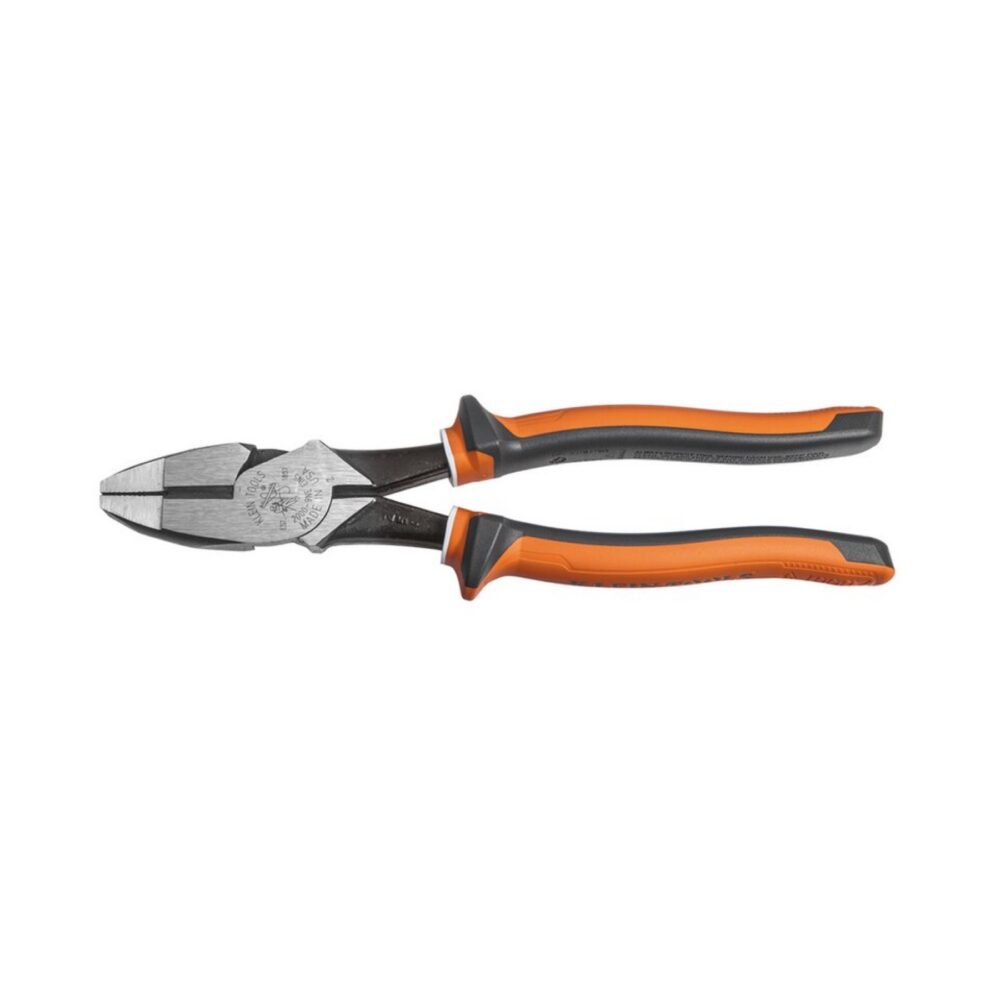
Most vintage and antique Klein pliers show up on collector-heavy platforms like eBay, Etsy, and small specialty tool shops. These channels have a steady stream of older Klein pieces with clear stamps and model numbers; you can usually find multiple options at any given time. DHgate, by contrast, is oriented toward modern, low-priced tools and general wholesale goods and typically has little or no true vintage Klein inventory, so it’s only relevant if you’re open to newer Klein or generic substitutes rather than collectible originals.
For US buyers and small ecommerce sellers who want real older Klein pliers—either to use or resell—you’ll get the best results by recognizing what “vintage Klein” actually looks like, then focusing your search on platforms where collectors already trade.
What Counts as Vintage and Antique Klein Pliers?
Klein Tools dates back to 1857, and its US-made pliers have long been associated with electricians, linemen, and other tradespeople. When people talk about vintage or antique Klein pliers online, they’re usually referring to earlier US-made pieces that show older branding and construction—tools that reflect that long manufacturing history, not just last decade’s production.
Authentic older Klein pliers generally have:
- Stamped Klein branding on the handles or jaws, not a sticker or laser mark.
- “M. Klein & Sons” or similar wording, often seen on mid‑20th‑century tools.
- “USA” origin marks, reinforcing that they were made domestically.
- Model numbers (for example, on the inside of a handle or near the pivot) that match known Klein patterns.
On listings, look closely at the photos for these stamps and for an overall construction style that aligns with older hand tools: solid forged steel, relatively simple handle shapes, and wear consistent with decades of use, not cheaply finished modern imports.
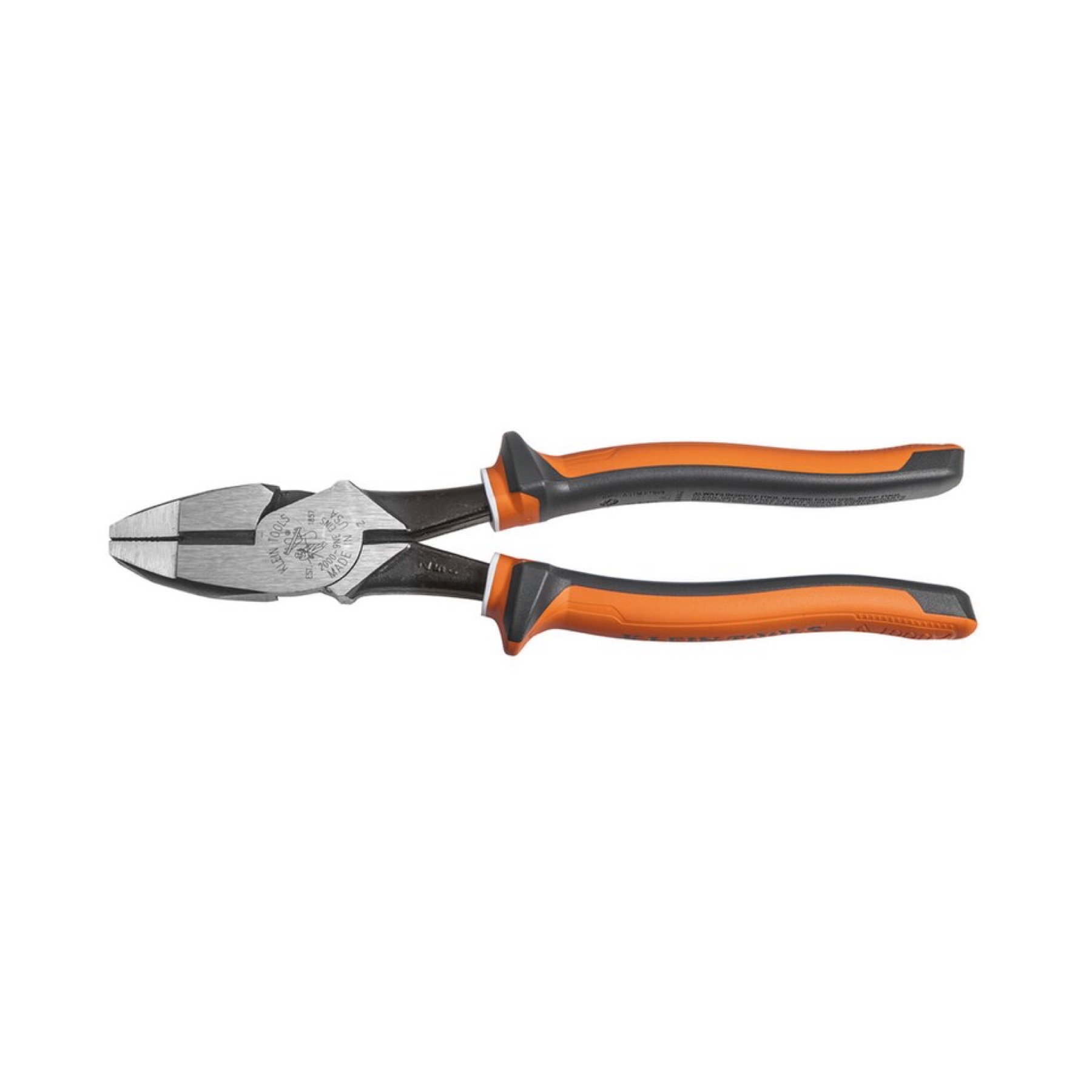
Even though the image above shows a more modern insulated Klein pair, the idea is similar: you want clear, stamped Klein marks and legible model information on any listing claiming to be vintage.
Quick search tips
On marketplaces, try combinations like:
- `”M. Klein & Sons” pliers`
- `”vintage Klein lineman”`
- `”old Klein side cutting”`
- `”Klein USA pliers”`
Then filter to used items and study photos for those brand and origin stamps.
Key Types of Vintage Klein Pliers and What Buyers Look For
Older Klein pliers span several workhorse patterns. Among the ones that show up online most often:
- Lineman’s side‑cutting pliers – The classic electrician’s tool, often around 8-9″ long. A vintage example is the D213-9 lineman’s pliers listed on Vinty, which illustrates the kind of forged build and stamped markings collectors look for.
- Heavy‑duty cutters – Beefier cutting jaws meant for tougher wire and hardware, sometimes with extra leverage geometry.
- Combination pliers – Tools that combine gripping surfaces with cutters and occasionally crimping features, used by electricians and linesmen who needed one tool to handle multiple tasks.
For collectors or resellers, the appeal isn’t just model type; it’s also condition and markings.
Typical things buyers value include:
- Original finish – A tool that shows honest wear but still has its factory surface (rather than being aggressively ground or repainted).
- Legible stamps – Clear “M. Klein & Sons,” model numbers, and any date or patent markings. A 1967‑dated Klein heavy‑duty pair highlighted on Collectors Weekly shows how those markings become part of the story.
- Minimal pitting and rust – Surface discoloration is fine; deep corrosion that eats into the steel is less desirable.
- Tight pivot action – The tool should open and close smoothly without wobble at the joint.
- Interesting historical marks – Specific years, logos, or patent stamps that tie the pliers to a particular era.
If you’re buying for resale, focus on pieces that still work well and have readable marks; they photograph better and are easier to describe honestly in your own listings.
Best Online Channels to Buy Vintage Klein Pliers (and When DHgate Is Relevant)
You have several realistic online routes for sourcing older Klein pliers. Each has its own strengths depending on whether you’re a one‑off buyer or running a small tool shop.
Channel overview
Here’s a compact view of the main options:
| Channel type | Why it’s useful for vintage Klein | Typical use case |
|---|---|---|
| eBay | Large, constantly refreshed inventory of used tools, including many vintage Klein listings. | Collectors and resellers hunting specific models or small lots. |
| Etsy | Smaller but more curated vintage/handmade mix; some US‑made Klein pieces appear. | Buyers who prefer curated vintage and pay more for presentation. |
| Specialty tool/vintage sites | Focused on older tools; listings often better described with clearer dating and history. | Collectors or shops needing fewer but higher‑confidence pieces. |
| General marketplaces (incl. DHgate) | Strong on new, low‑cost tools; typically limited or no true vintage Klein stock. | Buyers willing to settle for modern Klein or similar substitutes. |
eBay: primary hunting ground
eBay is the highest‑yield platform for vintage Klein pliers right now. A search for `old Klein pliers` or `M. Klein & Sons` brings up many used listings from different eras, from well‑worn lineman’s tools to older combination pliers. The dedicated search page for old Klein pliers sellers shows how much variety cycles through the site.
Practical tactics:
- Filter to Used condition and United States location if you want domestic shipping.
- Check photos for stamped Klein branding and “USA” marks before considering an offer.
- For resale, watch a few comparable completed listings to gauge which models and conditions actually sell.
Etsy and smaller vintage platforms
Etsy’s `vintage_pliers_usa` searches include some Klein Tools pieces, mixed with other US‑made pliers. You’ll see fewer Klein listings than on eBay, but the ones that appear tend to have more styled photos and basic condition descriptions. This suits buyers who value presentation and don’t mind paying a bit more per tool.
Smaller vintage marketplaces like Vinty, which hosts the D213-9 lineman’s pliers example, can be good sources when you prefer a more curated feel over digging through hundreds of eBay results. Stock is thinner, but listings often highlight era, markings, and condition details that help you decide quickly.
Specialty tool shops
A handful of independent tool dealers and vintage tool sites periodically list older Klein pliers alongside other brands. The advantages are:
- Listings are written by people who know hand tools.
- You may get basic dating info (“1960s US‑made Klein lineman’s pliers”) and clearer photos of stamps.
The trade‑off is that prices may be higher than what you’d pay winning a casual eBay auction, and quantities will be smaller. For a small ecommerce business, these shops are more about unique pieces or anchor items than steady bulk supply.
Where DHgate fits (and usually doesn’t)
DHgate is a broad cross‑border marketplace that connects global buyers with mainly China‑based suppliers and offers a wide range of low‑priced products across categories like electronics, apparel, and general tools, as described in its own editorial blog. That model works well for modern tools and wholesale purchases, but it doesn’t translate into a strong selection of true vintage Klein pliers.
If you search for Klein or pliers there, you’re more likely to find new, generic pliers or current‑production tools than older US‑made Klein pieces with collector value. DHgate is therefore only relevant if:
- You’re comfortable substituting modern tools for vintage Klein.
- You’re prepared to vet individual listings and sellers carefully using basic checks (clear photos, accurate brand naming, realistic descriptions).
For anyone specifically chasing stamped “M. Klein & Sons” or dated US‑made pliers, your time is almost always better spent on eBay, Etsy, and specialist vintage tool channels.
Scenario callouts
If you’re a collector:
- Make eBay your main search base; save searches like `”M. Klein” lineman pliers` and check them weekly.
- Use Etsy or specialty sites as side channels when you want better photography or a specific aesthetic.
If you’re a small reseller:
- Build inventory via mixed eBay lots and occasional strong single finds from vintage platforms.
- Stick to models you can clearly identify in your own listings (visible stamps, recognizable patterns) to avoid disputes.
- Treat general marketplaces like DHgate as a source of modern filler tools, not core vintage stock.
By focusing on channels where older Klein tools already circulate, you avoid the dead‑ends and generic replacements that come with broad wholesale marketplaces and build a more reliable pipeline of authentic vintage pliers for use or resale.