
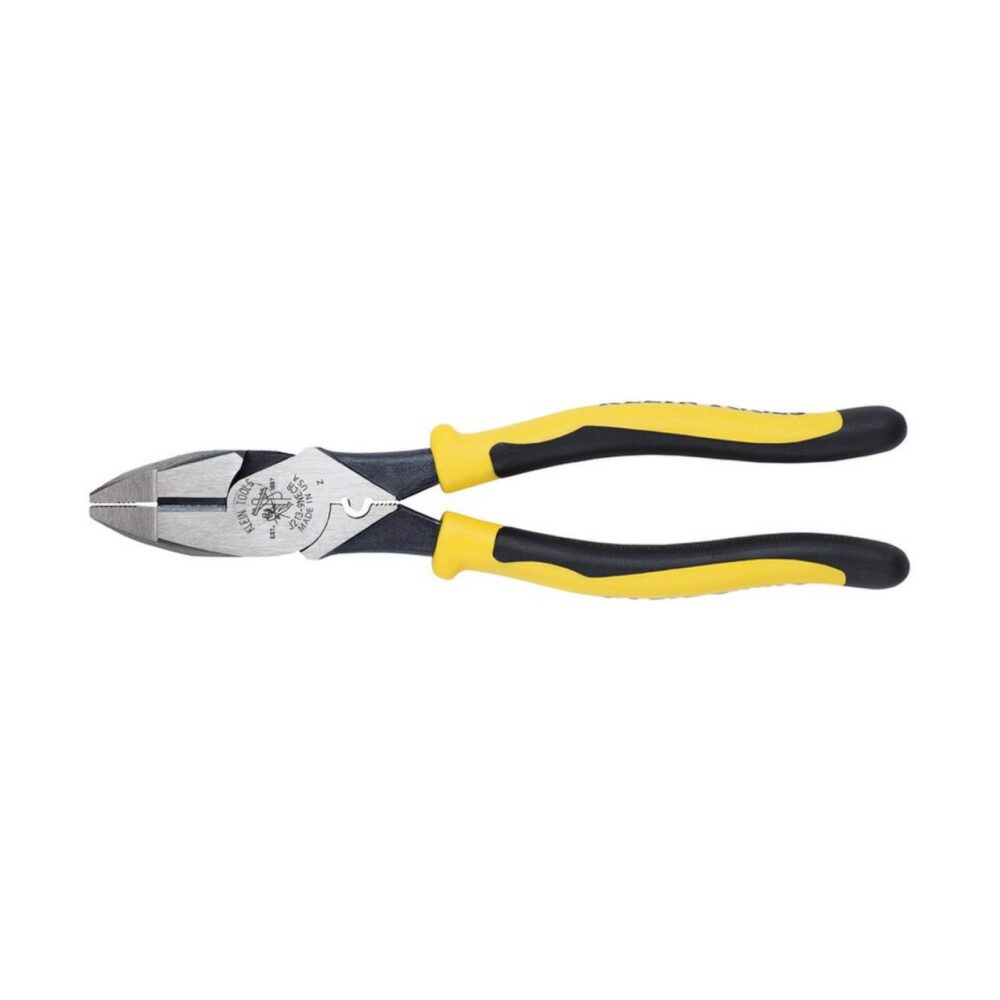
If you’re choosing between vintage or antique Klein pliers and modern Klein‑style tools, start by deciding whether you need a collectible original or a dependable worker. True vintage Klein pairs are best sourced from tool collectors and specialist marketplaces; general platforms like DHgate are mainly relevant if you’re comfortable with generic or Klein‑style linesman pliers rather than authentic antiques.
From there, match jaw style (linesman, diagonal cutting, long‑nose), size, and condition to your actual use: display, light resale, or daily trade work. Vintage Klein pliers can be excellent users, but you’ll need to check maker’s marks, date codes, and wear carefully.
What Counts as Vintage or Antique Klein Pliers, and Who Are They For?
For hand tools, buyers usually treat “vintage” Klein pliers as roughly mid‑20th century through late 20th century production, and “antique” as earlier pieces with more evident age and obsolete patterns. Klein has made pliers for over a century, particularly for electrical and trades work, so you’ll see everything from early bare-steel linesman pliers to later cushioned‑handle models.
Three broad buyer profiles show up around Klein:
- Collectors want specific eras, rare logos, or unusual jaw patterns. Small dings and patina are fine; heavy regrinds or replacement handles are not.
- Active tradespeople (electricians, ironworkers, etc.) look for strong pivots, jaws that meet properly, and handles that feel good in the hand. A 30‑year‑old Klein can still be a daily user if it’s tight and the cutters haven’t been abused.
- Small ecommerce sellers tend to buy lots with mixed vintage tools, then resell individual Klein pieces. They care about clear branding and readable stamps, because those details drive listing appeal.
Vintage‑tool guides like Engineer Fix’s restoration overview emphasize cleaning and derusting carefully so you preserve markings and function. That’s a good lens for deciding if a rough Klein is worth buying at all.
Types of Vintage Klein Pliers and How They Differ
Klein’s own catalog breaks pliers into families such as lineman, diagonal cutting, long‑nose, and special‑use pliers, each tuned for different tasks.Source Most of those families have older counterparts.
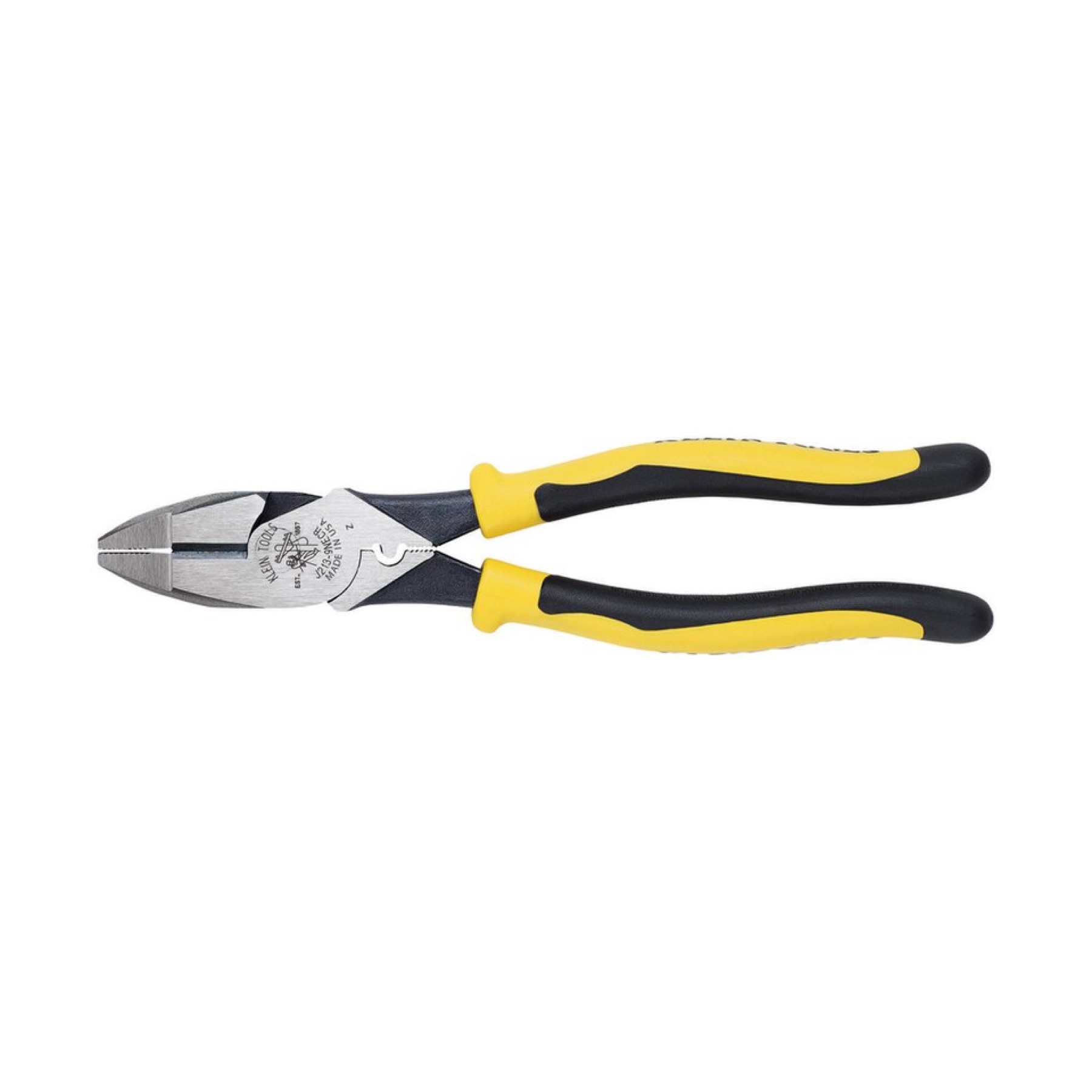
Here’s how the main types map to uses and buyers:
| Klein plier type | Key jaw features & leverage | Best modern use case | Collectibility notes (editorial) |
|---|---|---|---|
| Linesman / side-cutting | Broad gripping jaws plus side cutters near pivot; strong grip | Core electrical/utility work; general shop use | Most recognizable Klein pattern; good for display or resale if markings are strong |
| Diagonal cutting (“diags”) | Angled cutting jaws, usually without a flat gripping section | Cutting wire, nails, cable ties | Earlier narrow‑jaw or unusual head angles can be more interesting to collectors |
| Long‑nose / needle‑nose | Slim, tapered jaws, often with serrations and sometimes cutters | Fine work, bending leads, tight access | Handy mixed lots for ecommerce sellers; older patterns with unique tips stand out |
| Special‑use pliers | Unique jaws (crimpers, fish tape pullers, etc.) tailored to one task | Niche trade tasks or conversation pieces | Lower volume but can be desirable to trade specialists or niche collectors |
Antique‑tool references like Antiques Know How’s plier overview point out that jaw shape, pivot style, and handle design vary by era and function. For Klein, that means earlier pieces may have:
- Thinner, less insulated handles.
- More squared‑off jaws.
- Different logo treatments than current production.
If you’re a collector, prioritize unusual jaw designs or early logos even if they’re not the most practical pattern. If you’re a working buyer, focus on linesman or diagonal cutters in sizes you actually use (often 8-9 inch) and treat the vintage aspect as a bonus.
Evaluating Authenticity, Condition, and Modern Alternatives (Including DHgate)
Once you’ve narrowed plier type, the real decision is: buy an authentic vintage Klein, or choose a modern Klein or generic alternative? Use these steps.
1. Check maker’s marks and date codes
Vintage identification guides recommend starting with the deep‑stamped markings on the handles and jaws.Source For Klein pliers, look for:
- A clear Klein Tools name or logo stamped into the steel (not just printed on a handle sleeve).
- A model number or pattern code, often near the pivot.
- An alphanumeric date code, which Klein confirms can be decoded to indicate the year of manufacture.Source
If the stamp is shallow, off‑center, or looks inconsistent with known Klein logos, treat the piece as suspect. Generic pliers with orange or blue grips can mimic the look without being Klein at all.
2. Decide your condition threshold by use case
Antique guides note that condition drives both usability and value.Source Use a simple tiered view:
- Collector grade: Full, legible stamps; original or period‑correct handles; jaws and cutters retain original shape; only light surface wear. You pay more and likely don’t plan to grind or repaint.
- Working grade: Tight pivot with minimal side play; jaws meet evenly; cutters still bite cleanly on scrap wire. Patina and small chips are acceptable. Many tradespeople happily run these daily.
- Parts / restoration grade: Heavy rust, pitted jaws, or slop in the pivot. You’d buy these only if you enjoy restoration or need a handle or pivot donor. Guides like Engineer Fix’s restoration article show how much effort goes into saving a rough pair.
For small ecommerce sellers, “collector grade” may be overkill, but you do want strong stamps and decent jaws so your listing photos sell the story of a real Klein, not just “old pliers.”
3. Judge if a modern or Klein‑style substitute makes more sense
Not every buyer needs a 40‑year‑old linesman plier. Reasons to choose modern instead:
- You care more about smooth cutting and ergonomics than about patina.
- You need multiple units for a shop or resale inventory and don’t have time to inspect each vintage piece.
- Your customers mainly want “solid 8″ linesman pliers” and don’t search by Klein model number.
In that scenario, sourcing modern Klein or Klein‑style pliers from mainstream retailers, or generic linesman pliers from broad marketplaces, can be smarter. DHgate’s editorial coverage of tools and home‑improvement products describes a wide range of modern tools at competitive prices, and encourages buyers to compare specifications and seller feedback when choosing items.Source
Crucially, treat DHgate and similar platforms as sources of generic or OEM pliers, not of authenticated vintage Klein collectibles. If a listing uses “Klein‑style” language or just shows orange handles, assume it is not an antique Klein unless the deep‑stamped markings and date codes check out.
4. Practical scenarios
- Electrician building a backup kit: A tight, used Klein linesman plier from a reputable vintage tool seller plus a new generic side‑cutter from a marketplace can give you both brand feel and low‑cost backups.
- Ecommerce seller curating a “vintage tools” category: Focus on clearly marked Klein pieces in recognizable patterns (linesman, long‑nose). Skip pliers with illegible stamps; they’re harder to list persuasively.
- Collector on a budget: Buy one or two distinctive Klein patterns in collector grade, and fill out your functional toolkit with modern tools, rather than trying to make every plier both display‑worthy and daily‑use ready.
For additional DHgate platform context, use What DHgate is and how the marketplace works, Find trusted sellers on DHgate, and Review the DHgate order-readiness checklist.