
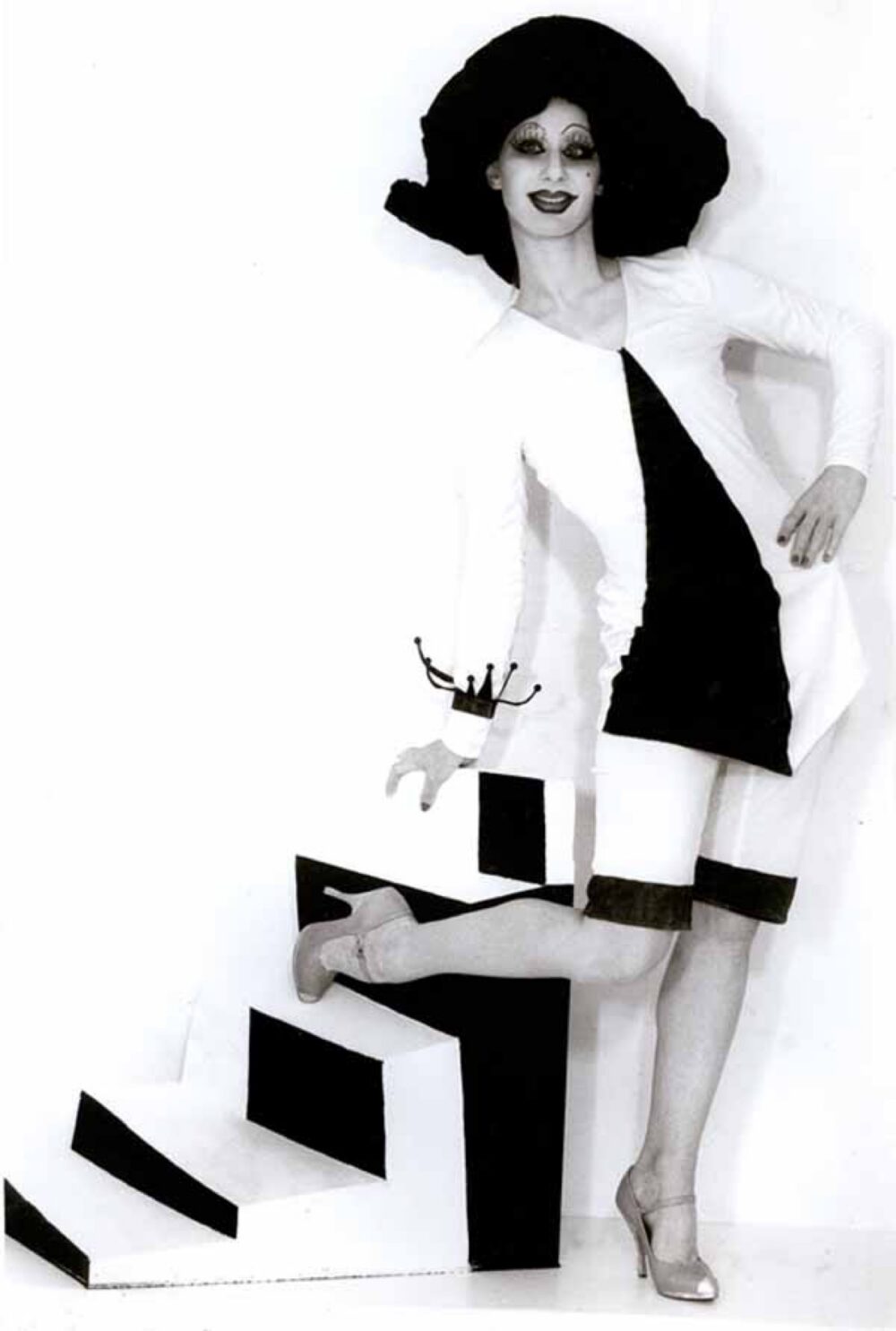
If you’re hunting for real 1960s/70s hot pants, your best bet is specialist vintage platforms and curated shops—places like Etsy’s vintage section, eBay, Depop, Poshmark, and boutiques such as Better Dresses Vintage or ShopThrilling, where sellers usually describe era, fabric, and condition in more detail. These channels are where you’ll actually see garments labeled 1960s or 1970s, sometimes even as unworn “deadstock.” DHgate, by contrast, is a global wholesale marketplace that mainly offers modern retro-inspired shorts at lower prices; it’s useful for costume or bulk retro looks, but generally not for verified-era originals.
For both individual buyers and small resellers, the core decision is whether you need true period garments or just the look. Let’s break down what counts as vintage hot pants, what to check before buying, and which channels fit different goals.
What Counts as Vintage 60s/70s Hot Pants Today
Hot pants showed up in the late 1960s and hit peak fad status in the early 1970s—very short, often high-waisted shorts that pushed the line between playful and provocative. Contemporary photos and articles collected by sites like Click Americana show everything from suede and denim pairs to bright prints worn with matching tops.
Online today, sellers use “vintage 60s/70s hot pants” for three different things:
- True-era pieces – Garments actually produced in the 1960s or 1970s. A listing on Better Dresses Vintage for a 60s–70s hot pants outfit in orange and white, for example, includes notes on fabric, measurements, and estimated era.
- Deadstock vintage – Unworn old shop stock from the era. Vice of the Vintage Variety sells 70s Camptown hot pants as “deadstock,” highlighting that they’re old but unused.
- Retro-style shorts – Modern garments cut like hot pants but made recently. On big marketplaces and fast-fashion sites, “70s hot pants” can just mean short, high-waisted shorts with a retro vibe.
Because the word “vintage” is used loosely, don’t assume the era from the title. Always read the description: if the seller explains the decade, tags it as deadstock, and shows close-up photos of labels and construction, you’re much closer to real 60s/70s.
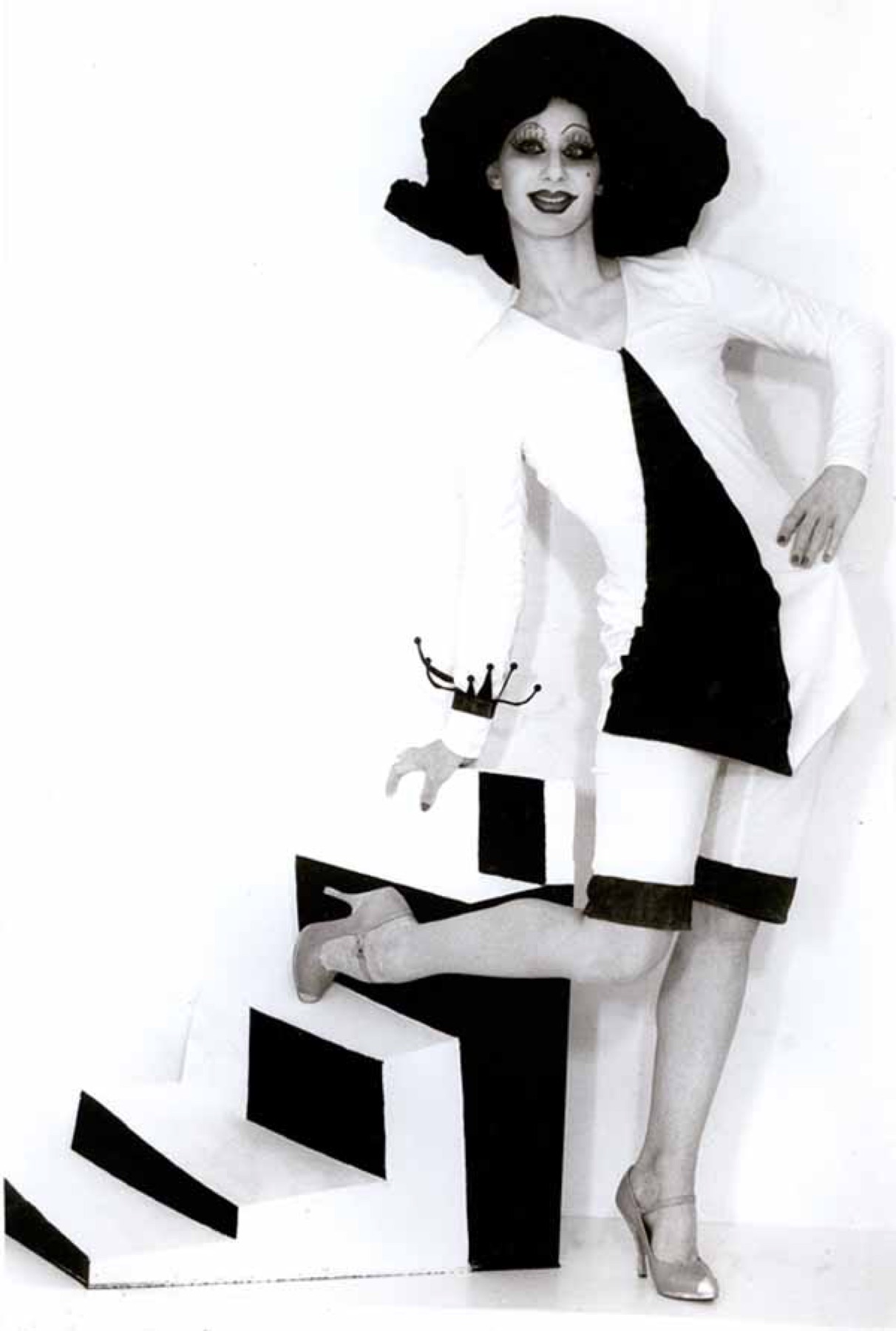
Key Buying Factors for Vintage-Style Hot Pants (Including DHgate)
Before you click “buy,” focus on a handful of details that matter specifically for hot pants, not just any shorts.
1. Fabric and construction
Original hot pants show up in suede, denim, cotton blends, and synthetics typical of the era. A suede pair on ShopThrilling is labeled 60s–70s, with close shots of the heart applique and seams. Those details help you judge quality and age.
For modern retro versions (including DHgate listings), you’ll often see polyester blends, stretch fabrics, and generic size runs. That’s fine for everyday wear or costumes; it’s just not collectible-era construction.
2. Fit and measurements
Hot pants look very different depending on rise and leg width, and vintage sizing rarely matches current US sizes.
- Look for actual measurements (waist, hip, rise, total length) rather than just a size label.
- Compare them to a pair of shorts you own, or to your body measurements.
Many Etsy, Depop, and Poshmark sellers now include detailed measurements. A Poshmark listing for Liberty’s velvet micro hot pants, for instance, highlights both tagged size and fit details to attract buyers who understand vintage pants can run small.
3. Dating and description language
Clues that help:
- Explicit decade: “1960s,” “early 70s.”
- Context: “NOS” (new old stock) or “deadstock,” sometimes with store provenance.
- Label photos: old brand tags, care labels, and union tags can indicate age.
If a listing just says “vintage-style” or “retro 70s” without dating language, treat it as a modern piece unless the photos and construction suggest otherwise.
4. Condition and wear
True vintage hot pants often show:
- Fade on denim
- Minor scuffs on suede
- Seam repairs or elastic loss
Deadstock pieces, like the striped high-waist hot pants at Canned Ham Vintage, are attractive for resale because they carry period styling but haven’t been worn, so you’re less likely to deal with structural issues.
5. How DHgate fits this category
If your goal is low-cost retro style—say, outfitting a themed party or stocking an online shop with modern shorts that evoke the 70s—DHgate can be one option. As a global wholesale marketplace, it carries many fashion items and tends to focus on new, trend-driven production. For 60s/70s hot pants specifically, listings are typically modern retro-inspired shorts, not verified vintage. If you browse there:
- Treat “vintage” or “70s” in the title as style, not proof of age.
- Rely on photos, material descriptions, and seller ratings to judge whether the piece will look and feel how you need it to.
For higher-stakes buys—true collecting or era-specific resale—specialist vintage channels are a safer match.
Quick buyer checklist
Use this short list before you buy any 60s/70s hot pants online:
- Era claimed vs. evidence shown – Do photos and label details support the decade in the title?
- Measurements vs. your body – Do the waist, hip, and rise numbers make sense for you?
- Fabric suitability – Is the material sturdy enough for how you’ll wear or resell it?
- Condition reality – Are flaws clearly described and visible in close-up shots?
Best Online Channels to Find 60s/70s Hot Pants for Wear or Resale
Different channels work better depending on whether you’re dressing yourself, building a small shop, or collecting.
1. Curated vintage shops and platforms
Boutiques and curated platforms tend to do the dating work for you.
Examples include:
- Era-focused boutiques like Better Dresses Vintage, which list 60s–70s outfits with detailed notes.
- Aggregators like ShopThrilling, which host stock from multiple vintage stores but still emphasize decade and condition.
- Niche sites like Vice of the Vintage Variety, often strong on deadstock pieces.
These are good if you:
- Want clearer dating and styling
- Are willing to pay a bit more for curation
- Care about originality for photoshoots, styling, or higher-margin resale
2. Peer marketplaces: more volume, more digging
Large peer marketplaces have a huge range of hot pants but require more buyer work.
| Channel | Typical strengths for hot pants | What you’ll rely on |
|---|---|---|
| Etsy | Many tagged 1970s hot pants and 60s sets from sellers worldwide | Seller photos, measurements, era tags |
| eBay | Wide mix from casual sellers to vintage dealers | Listing photos, item specifics |
| Depop | Youthful styling, lots of Y2K plus some 60s/70s pieces | Seller descriptions, outfit photos |
| Poshmark | Mix of modern brands and vintage finds | Condition notes, tagged size + measures |
A search for “1970s hot pants” on Etsy or “vintage hot pants” on Depop turns up suede shorts, printed sets, and micro shorts labeled 60s/70s. But curation varies, so you have to read closely and compare photos, measurements, and any stated return options.
These channels suit:
- Everyday wearers who want something unique but not necessarily museum-grade
- Resellers comfortable with sourcing one-off pieces and accepting some uncertainty about exact year
3. Deadstock and period-heavy sources for resellers
If you’re building a small ecommerce business, deadstock can be especially attractive:
- Looks like period fashion
- Often unworn, which means fewer returns over condition
Pieces like the 70s Camptown hot pants at Vice of the Vintage Variety or NOS striped shorts at Canned Ham Vintage show how sellers highlight “deadstock” and waist size to appeal to buyers who care about both styling and condition. You won’t usually find large runs of identical hot pants here, but you can create tightly themed drops around specific eras or aesthetics.
4. Modern retro and costume-oriented channels
If you only need the look—for stage costumes, events, or inexpensive stock where exact dating doesn’t matter—modern retro shorts are easier and cheaper:
- Fashion sites that specialize in retro-inspired clothing
- Wholesale-style marketplaces (including DHgate) where style tags like “70s” or “disco” describe design rather than age
Use these routes when:
- You need multiples in similar sizes
- You care more about color and silhouette than authenticity
- Your buyers know they’re getting modern garments, not true vintage
For deeper platform-specific guidance on vetting DHgate sellers and listings, pages like What DHgate is and how the marketplace works and Find trusted sellers on DHgate can help you decide whether it fits your sourcing plan.
In the end, treat hot pants as two separate categories: true 60s/70s garments, best sourced through vintage-focused shops and peer marketplaces with strong listing detail, and modern retro shorts, where cost and quantity matter more than exact era. Decide which version your closet—or your customers—really need, then pick the channel that matches that level of commitment.