
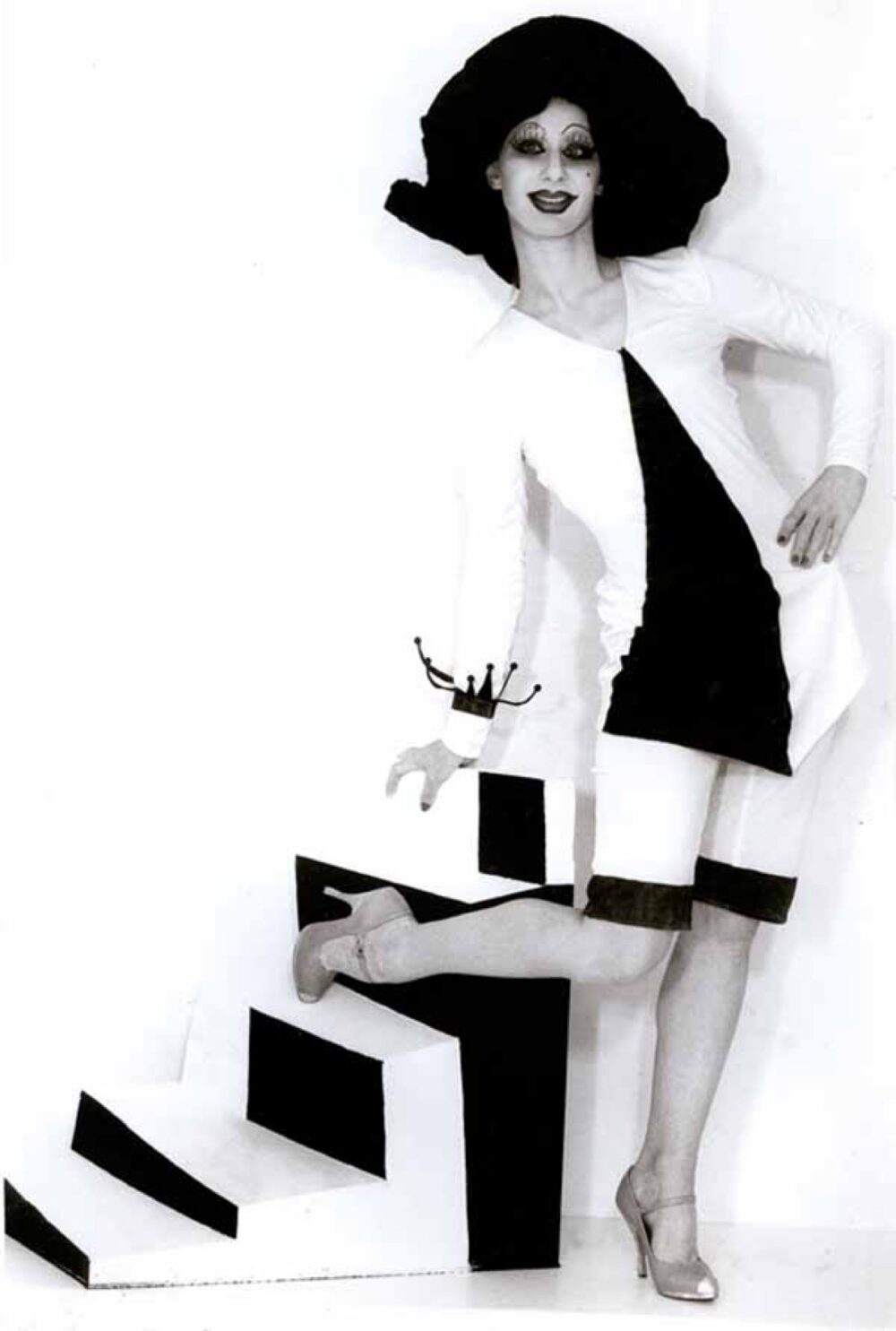
Most buyers looking for 60s–70s hot pants end up discovering that DHgate mainly offers modern, retro-inspired shorts—not true vintage from the actual era. You can still build a convincing “vintage-style” look or stock for a boutique by using very targeted searches, strict listing checks, and sampling before you commit to bulk. If you need authentic, dated pieces for a hardcore vintage customer, you’re usually better off combining DHgate’s retro inventory with true vintage from platforms like Etsy or Depop.
DHgate works best here as a fashion production marketplace: many sellers are manufacturers making current garments that nod to older trends. Your job is to translate the original hot pants look into search terms and filters, then aggressively verify fabric, cut, and seller reliability.
What 60s–70s Hot Pants Really Are (and What DHgate Usually Sells)
Hot pants were a short-lived but loud early-70s fad: extremely short, high-waisted shorts often worn for nightlife and youth fashion. Fashion history sources like ClickAmericana describe them as “brief” and sexy, often made in suede, velvet, bold checks, or bright solid colors. They were more structured than today’s jersey booty shorts, and often paired with matching tops or jackets.
If you browse specialist vintage sites you’ll see:
- 60s/70s suede hot pants with appliqués or novelty trim.
- High-rise striped shorts labeled NOS (new old stock), meaning unworn but original-era.
- Velvet micro hot pants with utility pockets or unusual seaming.
True vintage hot pants are usually listed individually with dated labels, detailed measurements, and condition notes. DHgate, by contrast, is set up for multipiece, often made-to-order stock. You’re far more likely to find:
- Modern shorts cut very short in the leg but with contemporary fabrics (poly blends, spandex).
- “Retro” or “vintage-inspired” styles using 70s-style prints, colors, or high waists.
- Coordinated sets (crop top + shorts) that echo the silhouette but aren’t original-era garments.
For personal wear or a general retro collection, that can be perfect. For a boutique marketing itself as “authentic vintage,” selling DHgate production hot pants as true 60s/70s would be misleading. Treat DHgate finds as retro reproduction and label them accordingly.
Search Workflow: Finding 60s/70s-Style Hot Pants on DHgate
Because DHgate’s search is broad, you need to narrow aggressively to get hot pants that actually look 60s/70s. Here’s a practical workflow based on DHgate’s own fashion-search guidance.
1. Start with specific, style-led keywords
From the homepage search bar, try combinations like:
- `vintage hot pants`
- `retro hot pants shorts`
- `70s style high waisted shorts`
- `suede hot pants women`
- `checkered shorts vintage style`
DHgate’s fashion blog recommends using targeted vintage-related terms such as “vintage-inspired clothing” for retro trends; combining that with the garment type (hot pants, shorts) helps filter out generic athleisure.
2. Use filters to cut noise
Once you see a grid of results, use the sidebar filters:
- Category: Narrow into Women’s Clothing → Shorts or related subcategory.
- Material: Choose options like faux leather, suede, denim, or cotton if you’re chasing a specific 70s feel.
- Price range: Set a realistic band for your project to avoid both suspiciously cheap and unnecessary luxury pricing.
- Seller rating: If available in the filters, select higher-rated sellers to focus your shortlist.
DHgate’s fashion browsing guides highlight using filters and sorting to make a large catalog manageable; for hot pants, they’re your main defense against generic casual shorts.
3. Scan thumbnails for clear 60s/70s cues
Before you even open a product page, speed-scan images in the search results:
- Look for very short inseams plus a clear waist seam or waistband (hot pants, not bike shorts).
- Favor prints and colors that feel era-specific: bold stripes, checks, mustard, rust, kelly green, or bright contrasting trim.
- Notice styling: pieces shown with knee-high boots, blouses, or matching tops often signal a retro intent.
Discard anything that looks like standard gym shorts or generic denim cutoffs. Your goal is to build a shortlist of listings that visually reference the 60s/70s, even if they’re modern.
4. Read descriptions line by line
When you click into a promising listing, slow down and read:
- Fabric breakdown: A suede or thick cotton twill will mimic vintage better than thin polyester. Spandex mixes add stretch but change the drape.
- Rise and length details: Look for “high waist,” “high rise,” or measurements from crotch to waistband and leg opening.
- Style language: Phrases like “retro,” “vintage-inspired,” “70s style,” or “costume” signal the seller’s intent. Treat claims like “genuine vintage” with skepticism unless they’re backed by label photos and dating details.
DHgate’s own retro guides urge buyers to read descriptions carefully to confirm style, fabric, and size. With hot pants, that’s non-negotiable—cut and rise define the look.
5. Use images as your authenticity reality check
Study all product photos:
- Check lighting and clarity. Blurry or heavily filtered images make it harder to judge fabric and cut.
- Look for close-ups of seams, zippers, waistbands, and pockets to see if construction looks solid enough for real wear or resale.
- If the listing claims “vintage,” look for label shots or obvious age signs; most DHgate apparel is new stock, so treat “vintage” here as style marketing unless proven otherwise.
If the images are limited to one frontal shot on a mannequin, assume you’ll need more information before placing a meaningful order.
Evaluating Sellers, Samples, and Knowing When to Switch Platforms
Once you’ve found some promising retro-style hot pants listings, the real work is deciding whether a seller’s stock meets your quality and branding needs—and whether DHgate is even the right channel for your project.
Check seller signals with a vintage buyer’s eye
DHgate’s fashion insider content emphasizes a few concrete checks:
- Ratings and feedback: Favor sellers with a history of positive clothing reviews, not just generic gadget feedback.
- Review photos: Look for buyer-uploaded images of shorts or similar garments; these reveal real-world fabric weight, color accuracy, and fit.
- Listing depth: Sellers that provide detailed size charts in inches/cm, multiple photos, and clear fabric descriptions tend to be more apparel-focused.
For a US boutique, treat this as a basic risk filter. If you can’t find any apparel-specific feedback, you’re effectively test-driving that seller yourself.
Use samples differently for personal wear vs. resale
DHgate’s boutique sourcing guidance suggests requesting samples before bulk orders. How you use that depends on your role:
- Personal wear: You might skip formal sampling and just order one pair, but treat that first purchase as a fit and quality test before buying multiple colors.
- Small boutique or ecommerce business: Build a simple sampling rule—no bulk order without at least one physical sample per cut or fabric. Use it to check:
- Colorfastness and fabric weight.
- Stitch quality at stress points (crotch, side seams, waistband).
- Fit across your core size range.
If a sample arrives radically different from the listing photos, that’s your cue to walk away from that seller.
A sizing and fit sidebar for hot pants
Vintage-style hot pants are unforgiving on fit. Modern production pieces can run small or use vanity sizing. For cross-border DHgate orders:
- Translate the seller’s size chart to your body or customer base, not your usual US size label.
- Treat measurements like waist, hip, and length as primary; ignore generic “S/M/L” unless backed by actual numbers.
- For boutiques, document your own measured waist/hip ranges and expected fit notes so customers understand these are short, body-conscious garments.
When DHgate is the wrong sourcing route
There are clear signals you should pivot away from DHgate to true vintage platforms:
- You need dated, original 60s/70s hot pants with provenance (labels, union tags, documented era).
- Your brand promises “authentic vintage only” and your customers care about originality, not just look.
- DHgate search results show only generic shorts using “vintage” and “retro” as loose marketing with no evidence.
In those cases, specialist marketplaces that focus on single, dated garments—like Etsy, Depop, Poshmark, or dedicated vintage shops—are more aligned with your goal. Listings such as suede 70s hot pants or NOS striped high-waist shorts on those platforms come with detailed measurements and condition notes, which you’re unlikely to see on DHgate for this category.
For costume use, casual retro styling, or an affordable “70s-inspired” capsule, DHgate can still be useful—just label what you’re selling honestly and run every listing through the search and evaluation workflow above before you buy.
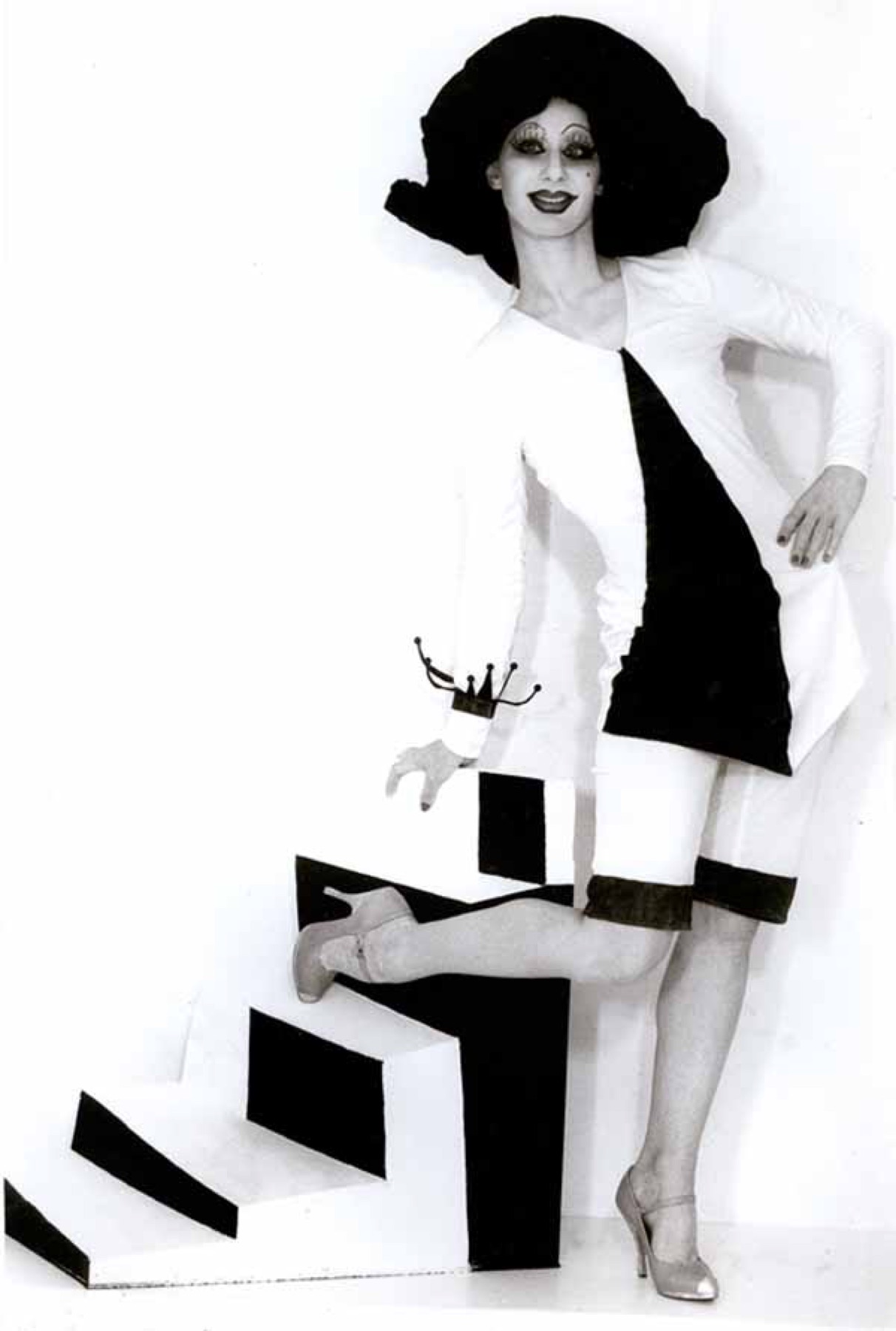
Quick comparison: DHgate retro vs. true vintage platforms
| Sourcing route | Typical product type | Best use case | Main verification need |
|---|---|---|---|
| DHgate sellers | New, retro-inspired hot pants and shorts | Affordable 70s-style looks, bulk stock | Seller ratings, fabric/fit accuracy |
| Vintage marketplaces | One-off 60s/70s hot pants with labels | Authentic vintage collections | Era dating, condition, measurements |
| Boutique vintage sites | Curated, often higher-priced hot pants | Brand storytelling, quality focus | Shop reputation, return/flaw tolerance |
Use this table as a reality check: if your project squarely lives in the “authentic vintage collection” column, DHgate should be a secondary, reproduction-only source at most.
For additional DHgate platform context, use Find trusted sellers on DHgate.
To understand DHgate’s marketplace structure more broadly before you dive deeper into sourcing, you can read an overview of what DHgate is and how the marketplace works. When you’re closer to checkout, run any potential order through the DHgate order-readiness checklist and combine it with strict listing-level checks for style, fabric, and fit.