
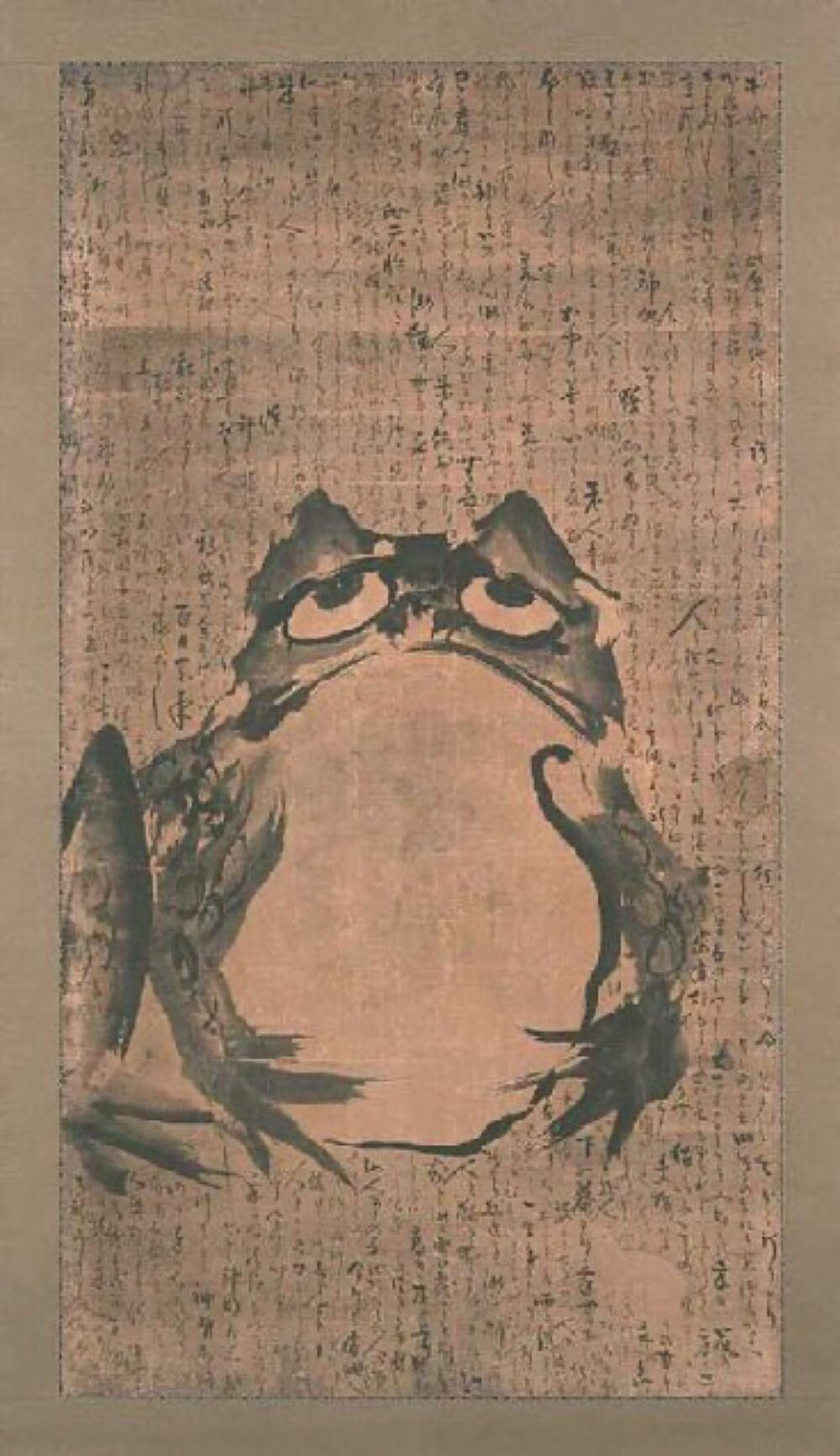
Traditional-style Japanese frog art is easiest to find through museum shops, specialist print boutiques, and marketplaces like Etsy, not on DHgate, which mainly surfaces broader decor and poster-style reproductions that you have to vet one by one. If you want something close to classic works such as Matsumoto Hōji’s frogs for your wall or for small-scale resale, start with channels that actually focus on Japanese or art-historical prints, then treat large general marketplaces as a secondary option.
What Counts as Japanese Frog Art? Key Motifs and Notable Works
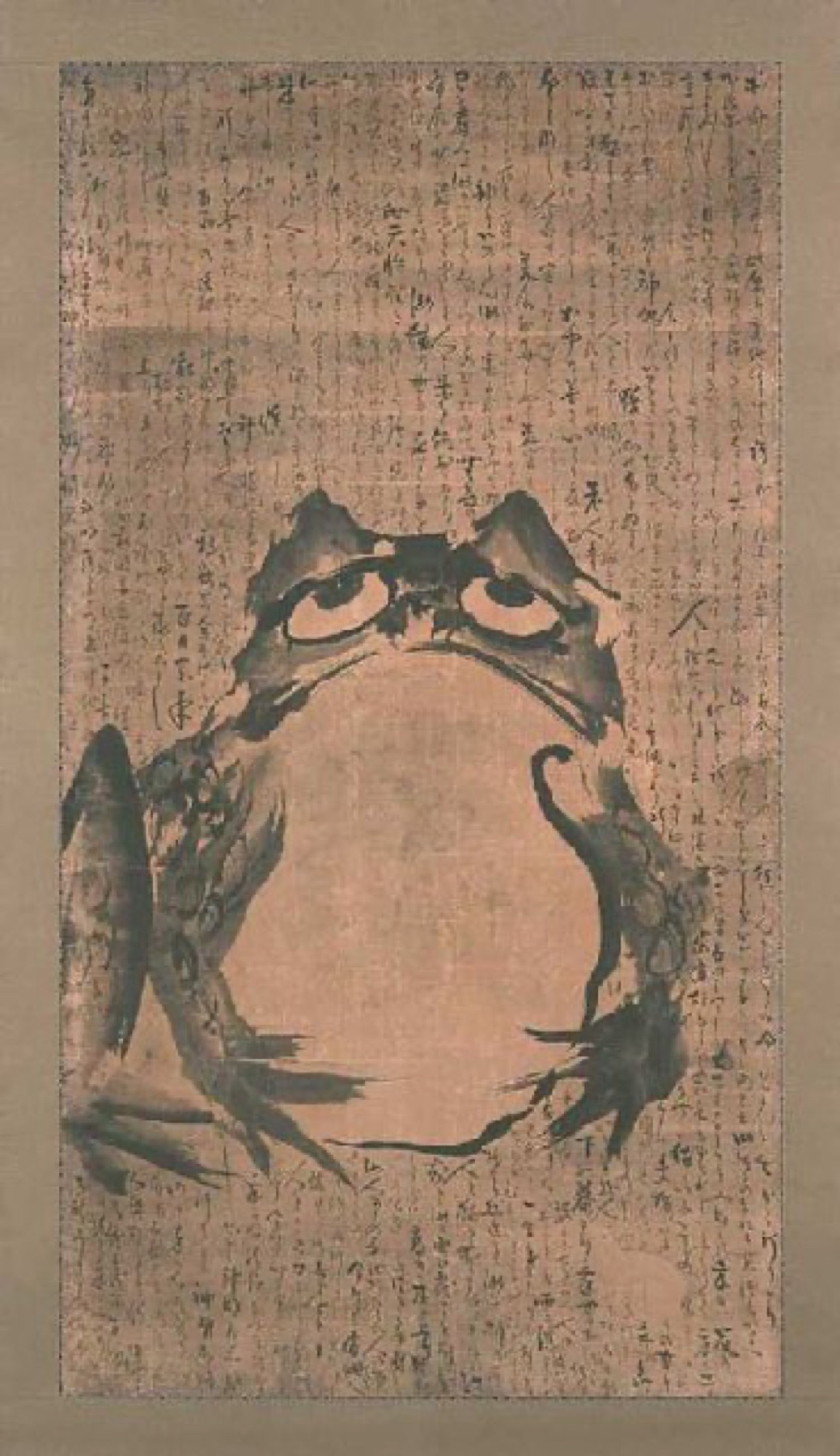
When people search for “Japanese frog paintings,” they’re often thinking of a few specific images rather than any frog drawing from Japan. One of the most referenced examples is the minimal ink frog by Matsumoto Hōji, originally part of his Meika gafu designs and now widely reproduced as posters and art prints. You can see licensed-style reproductions and related merchandise through museum-affiliated shops like the British Museum Shop, which sells small and large frog prints and even a souvenir coin using Hōji’s frog imagery.
Motif-wise, these frogs sit inside broader Japanese aesthetics: spare ink lines, asymmetrical composition, and a mix of humor and stillness. Beyond Hōji, online sellers also reproduce ukiyo-e style frog or toad scenes—sometimes with samurai or yokai themes—tagged as “Japanese frog woodblock prints” or “ukiyo-e frog art” on marketplaces like Etsy’s Japanese frog painting search. Many modern artists riff on this style, so a lot of what you’ll see is “Japanese-inspired” rather than museum-grade reproductions.
For buying decisions, the key distinction is:
- Art-historical reproductions (Hōji frogs, ukiyo-e prints) that are clearly based on documented works.
- Modern Japanese-style frog art that borrows the look but isn’t tied to a specific classic print.
If you’re decorating your home, either can work. If you’re building a niche store around Japanese art, the first category tends to have more story and appeal.
Types of Japanese Frog Art Prints You’ll See Online
You won’t find many original 19th-century frog woodblocks in casual online shopping. What you will see are several print formats aimed at decor and gifting.
1. Single giclée or poster prints Specialist art and decor sites such as Inka Art House’s Japanese frog art print and Sugar & Canvas offer high-resolution reproductions on heavyweight paper. These are typically sold in multiple sizes (e.g., small desk art vs. large wall pieces) with woodblock-style detail preserved as much as digital printing allows.
2. Canvas and framed options Some shops focus on ready-to-hang decor, offering frog images as wrapped canvas or framed prints. House of Koyomi lists canvas versions of “The Frog” in a minimalist Japanese style, and general decor platforms like Wayfair’s Matsumoto Hōji frogs listing combine giclée printing with pre-installed frames for mainstream home decor buyers.
3. Multi-print sets For gallery walls or small stores, sets can be useful. Sugar & Canvas sells a green set of three Matsumoto Hōji frog art prints, and Espresso Prints offers a Japanese frog set. Sets help you create a theme quickly—useful if you’re merchandising a shelf or a website category around Japanese frogs.
4. Small collectibles and related items Museum shops sometimes turn iconic frogs into small-format items: the British Museum Shop sells a frog souvenir coin alongside paper prints. These are lower price-point additions if you’re a retailer building out an “add-on” section or if you want something subtle for your desk rather than a full print.
Print quality and fidelity vary. Some posters, such as Bleak Boutique’s Matsumoto Hōji reproduction matte poster, lean into the aged, textured look; others clean up colors or reinterpret the frog for a modern interior. For business buyers, that difference matters—your audience may prefer faithful reproductions, or they may want colorized, bolder versions.
Best Channels to Buy or Stock Japanese Frog Art (Including DHgate)
If you’re in the U.S. buying a single print, your best source is not automatically the cheapest marketplace—it’s the channel that matches how “Japanese” and how “art” you want your frog to be. Here’s how the main options stack up.
| Channel type | What you’ll usually find | Best for | Trade-offs |
|---|---|---|---|
| Museum shops (e.g., British Museum Shop) | Reproductions of documented works like Matsumoto Hōji’s frog, small and large prints, occasional collectibles | Buyers who care about art history and clear provenance; gift shops near the “museum art” niche | Smaller catalog, limited design variations; international shipping costs for U.S. buyers |
| Specialist print boutiques (Inka Art House, Sugar & Canvas, House of Koyomi, Japandi-style sites) | Giclée posters, canvas, framed prints, multi-print sets with Japanese or Japandi aesthetics | Home decorators and online boutiques focused on Japanese/Japandi interiors | Style is sometimes more “inspired by” than strictly authentic; licensing details vary by shop |
| Etsy and similar creator marketplaces | Wide range of Japanese frog imagery: Hōji reproductions, ukiyo-e-style woodblocks, modern ink illustrations | Unique looks, handmade or small-batch prints, and niche combinations like samurai frogs | Quality and fidelity vary widely; you must judge each seller’s paper, printing, and source artwork |
| Faire and B2B platforms | Japanese or Japanese-inspired frog prints made specifically for wholesale, often with clear MSRP and wholesale pricing | Small retailers building inventory with consistent SKUs and margins | Requires business account; selection is narrower than general consumer marketplaces |
| Large general marketplaces | Broad decor, posters, and themed items where frog imagery may appear in “Japanese style” designs | Buyers hunting for low-cost wall decor or themed merchandise, with time to vet listings | Traditional Japanese frog art is hard to target precisely; listing info can be thin, so you must check images and descriptions carefully |
How to match channels to your use case
For personal decor focused on classic Japanese frogs Start with museum and specialist print shops. A British Museum frog print or a Matsumoto Hōji reproduction from a boutique like Sugar & Canvas or Inka Art House gives you a clear link back to a known artwork. You’ll see exact dimensions, paper type, and framing options spelled out, which helps you avoid overly glossy or low-detail posters.
For a small online store or local gallery wall section Look at multi-print sets from boutiques and wholesale platforms:
- Sets from Espresso Prints or Sugar & Canvas give you a ready-made trio for a collection page or display.
- B2B marketplaces like Faire list frog-themed art that’s designed to be resold, often with packaging and suggested retail positioning.
You can mix one “authentic” Hōji-style frog with more playful modern interpretations from Etsy, as long as your product copy explains what’s a reproduction and what’s a contemporary riff.
If you’re exploring broad marketplaces such as DHgate Treat them as decor sources, not as primary art-historical channels. Search terms like “Japanese frog poster,” “ukiyo-e frog wall art,” or “Japanese frog canvas” can surface relevant items, but many will be generic digital prints with Japanese-style text or motifs. Before considering anything for resale, zoom into listing images to check line quality, look for any mention of the source artwork, and ask the seller about print materials and resolution.
For more general guidance on how this marketplace works and how to vet sellers there, you can read What DHgate is and how the marketplace works and Find trusted sellers on DHgate. The key idea: DHgate can surface frog-themed decor at low prices, but you won’t get the same art context and curation you’ll find in museum shops or specialist Japanese print boutiques.
Quick search-term tips
To actually locate the kinds of frogs discussed here, try mixing these phrases on Etsy, specialist shops, or wholesale platforms:
- “Matsumoto Hoji frog print”
- “Meika gafu frog poster”
- “Japanese frog woodblock print”
- “ukiyo-e frog art”
- “Japanese ink frog illustration”
If your results start drifting into cartoon frogs or generic kawaii designs, add words like “vintage,” “1815,” or “art print” to get back toward traditional Japanese frog imagery.