
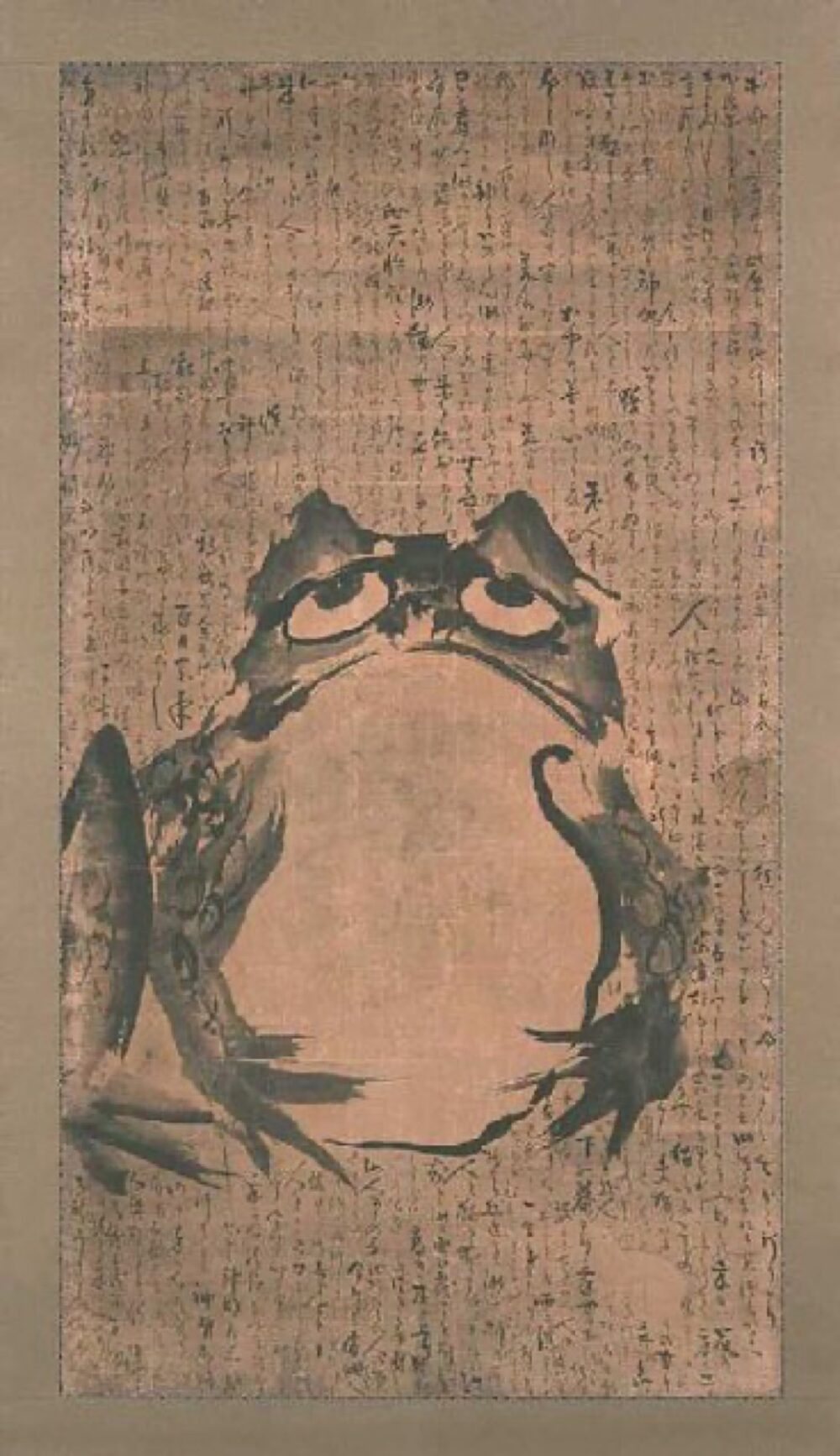
DHgate is strongest if you want affordable, frog-themed Japanese-style pieces to decorate a room or stock a small shop, and you’re willing to vet each listing and seller in detail.
What Counts as Japanese Frog Art and Who Uses It?
“Japanese frog art” usually means one of three things:
- Traditional-style prints inspired by ukiyo-e and artists like Matsumoto Hoji, where frogs are shown in dynamic poses or humorous scenes.
- Modern Japanese-style posters that borrow traditional composition and calligraphy but are printed in contemporary formats.
- Frog-themed décor with Japanese motifs, such as frogs near koi ponds, torii gates, or stylized waves that echo classic woodblocks.
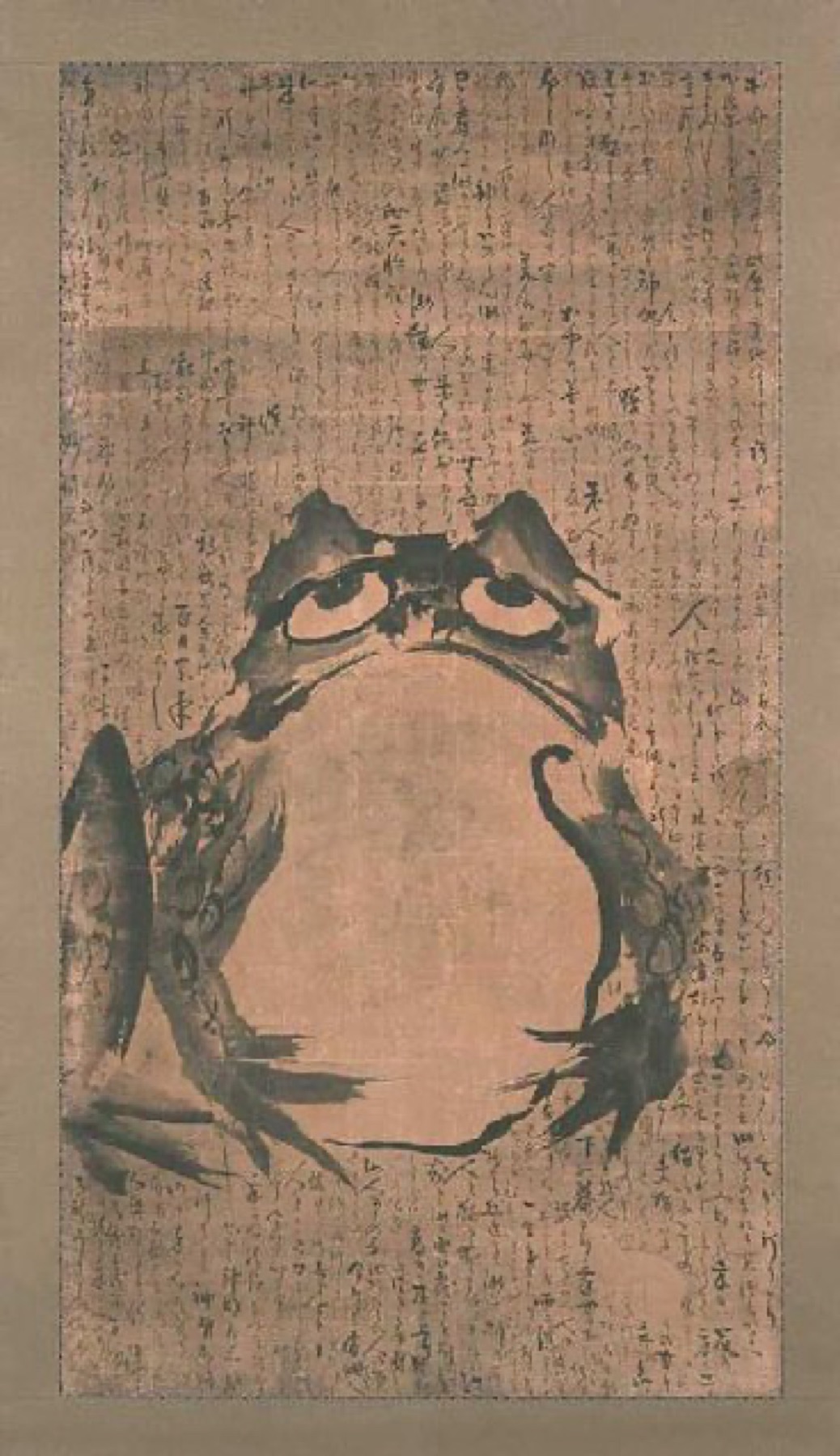
US buyers typically use these pieces for:
- Personal décor: living rooms, studios, or themed reading corners.
- Gifting: for friends into Japanese culture, amphibians, or printmaking.
- Small ecommerce/boutiques: hanging prints in-store, or selling framed reproductions as part of a Japanese or nature theme.
DHgate sits at the “decorative” end of this spectrum. You’re unlikely to find original woodblocks, but you may find posters or canvas prints with frog motifs that evoke Japanese art at a price point suitable for casual buyers or small retail experiments.
Buyer takeaway: decide early whether you need authentic, named works or just Japanese-style frog imagery, because that determines whether DHgate is a sensible search channel.
Searching DHgate for Japanese-Style Frog Prints and Décor
Think of DHgate search as blunt but workable: you assemble specific keywords, then carve away the noise using categories and filters the platform provides.
Step 1: Use targeted keyword combinations
Start in the DHgate search bar with combinations like:
- `”Japanese frog art”`
- `”Japanese frog print”`
- `”ukiyo e frog”`
- `”frog wall art Japanese”`
- `”Japanese frog poster”`
Because sellers use inconsistent English, try both “frog” and “toad,” and mix in terms like “Japan style” or “Asian art.” Run each search separately and see which phrasing yields the closest visual match.
Step 2: Narrow by relevant categories and filters
DHgate provides categories and filters that help reduce irrelevant results — even though there’s no dedicated “Japanese frog art” category.
Practical paths:
- From search results, click into Home & Garden or similar décor categories when they appear.
- Use price filters to cut out extremely low-priced listings that are likely tiny stickers or digital files rather than physical prints.
- Use variation filters (size, color, material) when available to focus on wall art formats in the sizes you need.
DHgate’s own shopping guide notes that listings carry product specifications, images, prices, and seller ratings; those filters and details are there specifically to help you match products to your criteria, so use them ruthlessly.
Step 3: Read the listing like an art buyer
Once you open a promising frog-art listing, treat the page as your inspection surface:
- Images: Are the frogs depicted in a recognizably Japanese style (line work, composition, background elements), or is it generic cartoon décor?
- Medium and size: Check whether it’s a paper poster, canvas, or fabric wall hanging and whether the dimensions make sense for your wall or shop.
- Production type: Words like “poster,” “canvas print,” or “digital print” usually mean reproductions. Don’t assume any listing is an original or licensed reproduction unless the description explains that clearly.
- Included items: Is it just a print, or does it include a frame, mounting hardware, or set of multiple frog prints?
DHgate’s blog repeatedly stresses that product descriptions and specifications should match your expectations; for art this means confirming size, medium, and what is actually being sold (print vs. frame vs. set).
Step 4: Cross-check similar listings
Because many DHgate sellers offer visually similar décor, search the same keywords and open several frog-art listings side by side. Compare:
- Image quality and style
- Description detail (who explains material and size clearly?)
- Seller rating and review volume
This cross-check helps you avoid buying the lowest-effort print when a slightly higher-priced listing offers better clarity and buyer feedback.
Buyer takeaway: don’t stop at the first “Japanese frog” result — use filters and careful reading to find listings that actually look and feel like the style you want.
Evaluating Sellers, Listing Quality, and When to Use Other Platforms
Once you’ve found a visually appealing frog piece, the real decision is whether the seller and listing are strong enough for you to trust — and whether DHgate is still the right channel for your goals.
A frog-art-specific checklist for DHgate sellers
DHgate’s own editorial guides urge buyers to focus on seller history, ratings, and feedback. For art and prints, those general tips translate into a more specific checklist:
| Checkpoint | Why it matters for frog art | What to look for on DHgate |
|---|---|---|
| Seller rating & feedback | Signals whether past buyers received what they expected | Star ratings that are comfortably above average, plus a high percentage of positive feedback over time |
| Years selling & sales volume | Suggests consistency in fulfilling orders | Profiles that show a multi-year sales history rather than brand-new accounts |
| Buyer reviews with photos | Lets you see real-world print quality and colors | Reviews mentioning poster quality or showing the frog print hanging on a wall |
| Description clarity | Reduces risk of receiving the wrong format or size | Precise dimensions, material (paper vs canvas), and whether frames are included |
| Willingness to send samples (for resellers) | Helps small shops test quality before committing | Open communication about ordering a single unit or small batch as a quality check |
For deeper guidance on interpreting these seller signals beyond art, you can also read Find trusted sellers on DHgate.
Buyer takeaway: good frog art on DHgate starts with good sellers — rating trends, photo reviews, and clear descriptions are your main tools.
Authenticity limits: DHgate vs specialist art marketplaces
DHgate’s own boutique-sourcing editorial mentions that buyers can find themed or ethnic art pieces by checking reviews, ratings, and samples. That’s realistic for décor and boutique wall art, but it doesn’t claim DHgate stocks specific traditional Japanese frog prints.
If you care about named works or recognized styles, specialist marketplaces often have more targeted inventory. For example, Etsy’s Japanese frog painting category includes multiple listings explicitly labeled as Japanese frog paintings or ukiyo-e-style woodblock prints. Other independent shops and museum stores sell reproductions of famous pieces such as Matsumoto Hoji’s frogs.
Use this simple rule:
- Decorative need (style over provenance): DHgate can be relevant. Focus on image style, size, and seller reliability. A well-rated seller with clear photos may be enough for a living room or café wall.
- Collector or brand need (specific work or artist name): DHgate is usually not your primary channel. Look to Etsy, print-focused shops, or museum outlets that identify the artist, edition, and reproduction method.
If you’re new to DHgate itself, it may help to first understand the marketplace structure in What DHgate is and how the marketplace works and then use the DHgate order-readiness checklist before you commit to a frog-art purchase.
Buyer takeaway: use DHgate for Japanese-style frog décor when you care about look and price; switch to specialist art platforms if you need named, traceable Japanese frog prints or woodblocks.