
Containers and cans cover a broad shopping category, so the first step is deciding what you actually need: a storage jar, a sealed food container, a metal tin, a plastic canister, or a packaging-style can for dry goods or display. In online search, the phrase can point to household storage, pantry organization, food packaging, or specialty containers used in floral, décor, and retail settings. The useful comparison points are usually material, size, closure style, and whether the item is meant for storage, transport, or presentation.
What Containers and Cans Mean in Online Shopping
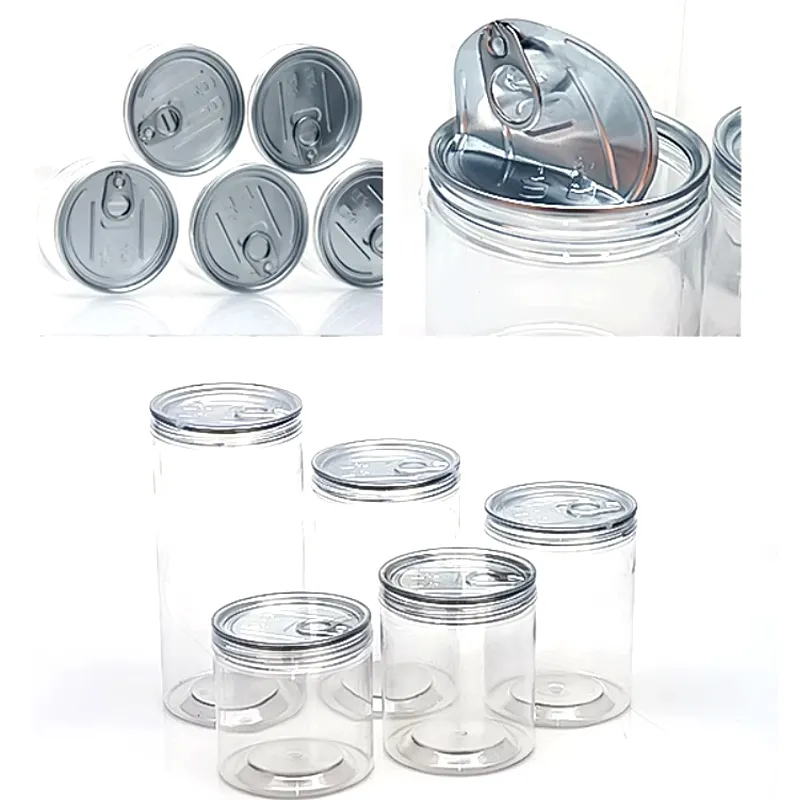
In this shopping context, containers and cans are usually rigid or semi-rigid vessels used to hold, protect, organize, or present a product. That can include glass jars, plastic storage tubs, metal tins, vacuum-sealed canisters, and food-safe containers with lids. Some listings use “can” loosely for a round storage vessel, while others mean a true metal can or tin package.
A practical way to read the category is to separate storage containers from packaging containers. Storage containers are meant for repeated use in kitchens, pantries, offices, or workshops. Packaging containers are often chosen for product presentation, portioning, or resale. The difference matters because the right item depends on whether you need visibility, airtight storage, stackability, or a more decorative finish.
Buyer takeaway: if the listing title is vague, look past the word “can” and check the material, lid type, and intended use before comparing price.
Main Types Buyers Compare: Material, Size, and Closure
The most useful way to narrow containers and cans is by three variables: material, capacity, and closure style.
Material
- Glass: useful when visibility matters and the contents need to stay easy to inspect.
- Plastic: often chosen for lighter weight and everyday storage.
- Metal or tin: common for dry goods, tea, small gifts, and compact packaging.
- Mixed-material designs: may combine a plastic body with a metal or snap lid.
Size
Small containers work for spices, tea, samples, and portioned snacks. Medium sizes fit pantry staples, office supplies, and meal-prep use. Larger containers are better for bulk dry goods, storage organization, or display items. Size should be matched to how often you open the container and how much weight you want to move at once.
Closure style
- Airtight lids help with freshness and odor control.
- Screw tops are common for jars and canisters.
- Snap lids are convenient for quick access.
- Pull-ring or press-in tops are more common in packaging-style tins.
- Strainer or separator lids fit use cases like fermentation or wet/dry storage.
A simple rule: choose the closure first if freshness matters, then choose the material, then the size.
Common Uses for Containers and Cans
Different use cases call for different container forms.
For food storage, buyers usually want airtight sealing, food-safe materials, and a size that matches pantry or fridge organization. For dry goods, visibility and stackability often matter more than decorative design. For tea, coffee, spices, and snacks, a smaller sealed container is often more practical than a large open bin.
For meal prep and lunch storage, buyers often look for lids that stay secure, compartments that separate ingredients, and shapes that fit bags or refrigerators. For display or retail packaging, the container may need a cleaner look, a label-ready surface, or a shape that presents the product well on a shelf.
For floral, décor, or event use, the container can be more about appearance and proportion than airtight performance. In those cases, weight, shape, and visual style may matter more than sealing.
Buyer takeaway: the same word can describe very different products, so the use case should guide the search term, not the other way around.
What to Check Before Choosing a Listing
Before buying containers and cans online, compare the listing on a few practical points.
1) Material quality and food contact
If the item will hold food, check whether the listing clearly states the material and intended use. Glass, PET, PP, and metal all behave differently in daily use. If the listing is unclear, treat it as a signal to read the product page more carefully.
2) Capacity and dimensions
A volume label alone is not enough. Two containers with the same nominal capacity can have very different shapes, opening widths, and usable space. Check dimensions if the item needs to fit a shelf, refrigerator, or shipping box.
3) Seal and lid design
Airtight claims should be supported by the lid style shown in the listing. If freshness matters, look for gasket lids, screw tops, or other closure details rather than relying on the title alone.
4) Durability and handling
Consider whether the container will be opened often, stacked, carried, or washed repeatedly. A lightweight decorative container may be fine for display but less practical for daily handling.
5) Listing clarity
Good listings usually make the material, size, closure, and intended use easy to identify. If the title is overloaded with marketing words but the product details are thin, compare it carefully against similar listings.
6) Quantity and packaging format
Some containers are sold individually, while others are sold in sets or bulk packs. That matters for unit cost, storage, and whether you need a sample first.
What DHgate Search Shows for Containers and Cans
A checked DHgate search snapshot for “Unlimited Containers and Cans” returned related listings only, not an exact verified match. The snapshot is time-bound, so it reflects what was visible at the moment of review rather than a permanent catalog state. The related cards included items such as metal food tins, glass sealed jars, plastic storage buckets, hermetic food containers, sealed food storage sets, and vacuum-sealed canisters. That makes DHgate useful here as a discovery tool when a broad phrase needs to be narrowed into a more specific container or can type.
In practice, DHgate can help a buyer move from a broad phrase to visible product forms by showing how sellers label similar items: metal tin packaging, airtight jars, plastic storage cans, lunch containers, or dry-goods canisters. It also lets buyers compare visible listing details across related options, such as material, minimum order, and whether a listing is framed as food storage, tea storage, or packaging. The limitation is important: the snapshot does not verify stock, final shipping cost, seller performance, or transaction outcome, so it should be used for search refinement rather than as proof of availability.
How to Search and Buy on DHgate
If you want to use DHgate for this product category, start with the broad term and then narrow it by function.
- Refine the search term. Try adding the material or use case, such as “glass jar,” “metal tin,” “airtight container,” “food storage can,” or “plastic storage bucket.”
- Open the product page, not just the search card. The card can hint at the item, but the product page is where dimensions, material, and closure details are usually clearer.
- Compare visible listing details across related options. Look at material, capacity, lid style, minimum order, and whether the item is sold as a single piece or a set.
- Match the listing to the use case. A tea container, lunch container, and decorative storage jar may all appear in the same search family, but they are not interchangeable.
- Check order information before placing anything. Review quantity, variant selection, and any shipping details shown on the product page before you commit.
- Keep the order record. Save the listing page, order number, and product details so you can compare what was selected with what arrives.
- If the first search is too broad, search again with one tighter term. On DHgate, that is often the fastest way to move from a general phrase like “containers and cans” to a more usable product type.
For this category, DHgate is often useful as a search-and-compare marketplace: use it to narrow the product form, compare visible listing details, and then verify the order page carefully before purchase.
Quick answer
If you’re looking for containers and cans online, start by narrowing the item type: glass jar, metal tin, plastic storage container, or airtight canister. On DHgate, broad searches may return related listings rather than an exact match, so use the search results to refine by material, lid style, size, and intended use before comparing any product page details.
FAQ
Are DHgate search results proof that the exact item is available?
No. A search snapshot can show related listings, but it does not verify an exact match, stock, shipping cost, or transaction outcome.
What search terms help narrow the category?
Try adding a material or use case, such as “glass jar,” “metal tin,” “airtight container,” or “food storage can.”
Why do some listings use the word “can” for jars or containers?
Sellers sometimes use “can” loosely for round storage vessels or packaging-style containers, so the product details matter more than the headline wording.
What should I compare first?
Start with material and closure style, then check dimensions, quantity, and whether the item is meant for storage or packaging.
Can I rely on the search card alone?
No. Use the search card to find candidates, then open the product page to confirm the details that matter.
Next step
Use the broad search term as a starting point, then open a few related listings and compare material, lid type, and dimensions side by side before deciding what to buy.
Sources and further reading
- DHgate search snapshot: https://www.dhgate.com/wholesale/search.do?act=search&searchkey=Unlimited+Containers+and+Cans
- Query checked: “Unlimited Containers and Cans”
- Snapshot notes: related listings only; exact match not verified; search results are time-bound and may change; the page does not verify stock, final shipping cost, seller performance, product quality, or transaction outcome.