
Value in the used spinning wheel market isn’t just about grabbing the lowest price. For most US buyers and small resellers, the best deals come from mainstream, repairable brands bought through specialist or community-heavy channels, where wheels are more likely to be complete, working, and correctly described. Decorative antiques, mystery wheels, and cross-border bargains can look cheap, but they often lose their “value” once you factor in missing parts, repairs, and resale difficulty.
How value is really judged in the used spinning wheel market
The used spinning wheels market is a pre-owned niche that serves two overlapping groups: spinners who need reliable tools, and collectors who care about history and craftsmanship. Listings on sites like the Etsy “used spinning wheel” markets show both sides clearly: some wheels are sold as functional tools, others are vintage or antique centerpieces aimed at fiber artists and collectors.Source
From a buyer’s perspective, real value usually comes down to a few concrete levers:
1. Brand tier and parts support Modern, mainstream brands (for example, Ashford and similar makers) have ongoing demand. Dedicated second-hand sites show recurring listings specifically for used Ashford spinning wheels, which is a good sign that spinners actively seek them out and that there’s a secondary market for parts and resale.Source Unbranded or obscure wheels can still spin beautifully, but sourcing bobbins, drive bands, or replacement flyers often takes more time and ingenuity.
2. Working wheel vs. decor piece A wheel that’s structurally sound, complete, and capable of spinning right away has user value. A wheel that’s cracked, warped, or missing tensioning hardware may only be worth it as decor. Many Etsy listings emphasize “vintage” or “antique” appeal; if the description leans heavily on looks and says little about whether the wheel spins, you should assume you’re paying mainly for aesthetics.Source
3. Age, rarity, and collector appeal Some old and antique spinning wheels are actively hunted by fiber artists and collectors and can command premium prices.Source That premium is about design, provenance, or scarcity, not necessarily day-to-day usability. For a working spinner or a small ecommerce shop selling to beginners, those premiums rarely translate into better margins.
4. Condition and completeness Condition is the quiet price driver. A wheel that is straight, tight at all joints, and includes its flyer, whorls, bobbins, and treadle or electric drive is in a completely different category from a dusty “barn find” missing half its hardware. Common replacement items (like leather or elastic drive bands) are cheap; structural damage or missing flyers can turn a bargain into a money sink.
In practice, you get the best value when a reasonably popular brand, in solid working condition, is being sold by someone who understands what spinners actually need (and can name the parts in the listing).
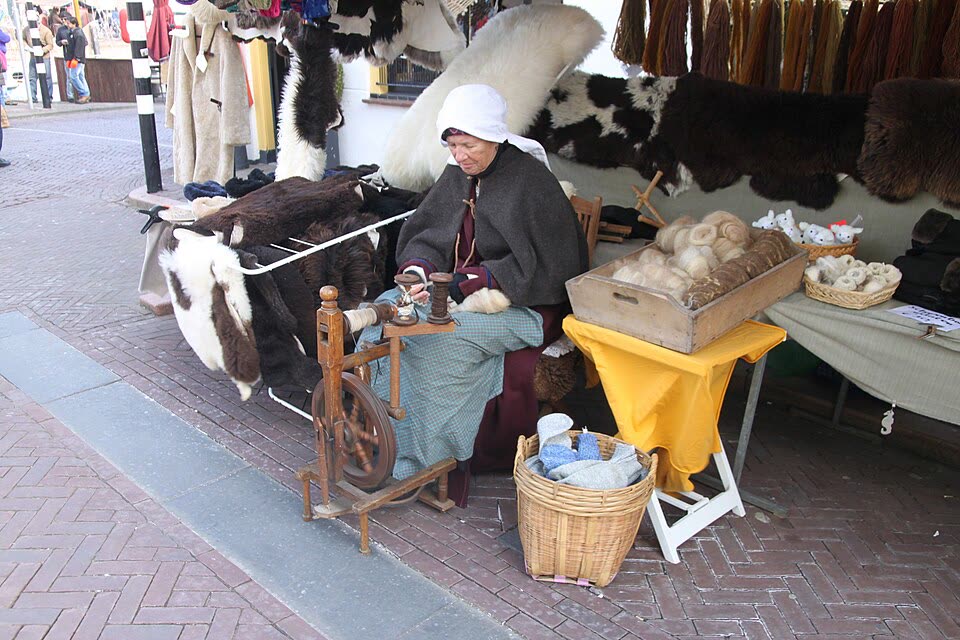
Where people buy used spinning wheels and how prices differ
Used spinning wheels surface in several types of channels, all with different trade-offs on price, expertise, and risk.
Here’s a high-level comparison:
| Channel type | Typical listings & brands | Value upside | Main risks for US buyers/resellers |
|---|---|---|---|
| Specialist fiber-arts sites | Used looms and spinning wheels, usually from experienced spinners or shops, aggregated on curated pages like AllFiberArts used equipment. | Better odds of a working, complete wheel; realistic descriptions; decent brands. | Higher headline prices; inventory moves quickly. |
| Broad marketplaces (Etsy, eBay) | On Etsy, many used and vintage wheels with a vintage/handmade or collectible angle.Source eBay offers a wide range from modern brands to unbranded antiques at varied price points.Source | Huge selection, including rare pieces. Possibility of underpriced mainstream wheels from non-expert sellers. | Condition and completeness can be hard to verify; shipping damage and parts issues are common worries. |
| Local classifieds & in-person (Craigslist, Facebook Marketplace, guild sales) | One-off wheels from downsizing spinners, estates, or people who never learned to use them. Brands and conditions all over the map. | Can inspect and test the wheel before cash changes hands; no shipping cost; room to negotiate. | Very patchy supply; sellers often don’t know what they have; little recourse if something breaks later. |
| Auctions (estate or online) | Mix of common and rare antique wheels; often grouped with other antique furniture and tools, or in specialist textile auctions.Source | Potential bargains on unusual or collectible wheels that collectors value highly.Source | No test spin; buyers pay premiums and fees; high risk of decorative-only pieces for actual spinners. |
| Cross-border marketplaces (e.g., DHgate, other import platforms) | Mostly new or reproduction wheels, or generic textile equipment, sometimes at low unit prices relative to US retail. | Low upfront price per unit and access to manufacturers for bulk or custom runs. | Verifying mechanical quality and wood stability at a distance, plus sourcing compatible parts, usually takes more effort; listings may not be tailored to handspinning hobbyists.
For both individual spinners and small ecommerce shops, the sweet spot is often:
- Mainstream modern brands sourced via specialist fiber-arts used sections or broad marketplaces where the seller is clearly a spinner or shop, and
- Local finds you can test in person.
Cross-border platforms, including DHgate, can be a way to experiment with generic or replica wheels at lower per-unit cost, but you have to price in the time and risk of verifying build quality remotely and lining up parts or servicing locally. They tend to suit tinkering makers or brands building a unique product, not someone who just wants a dependable first wheel.
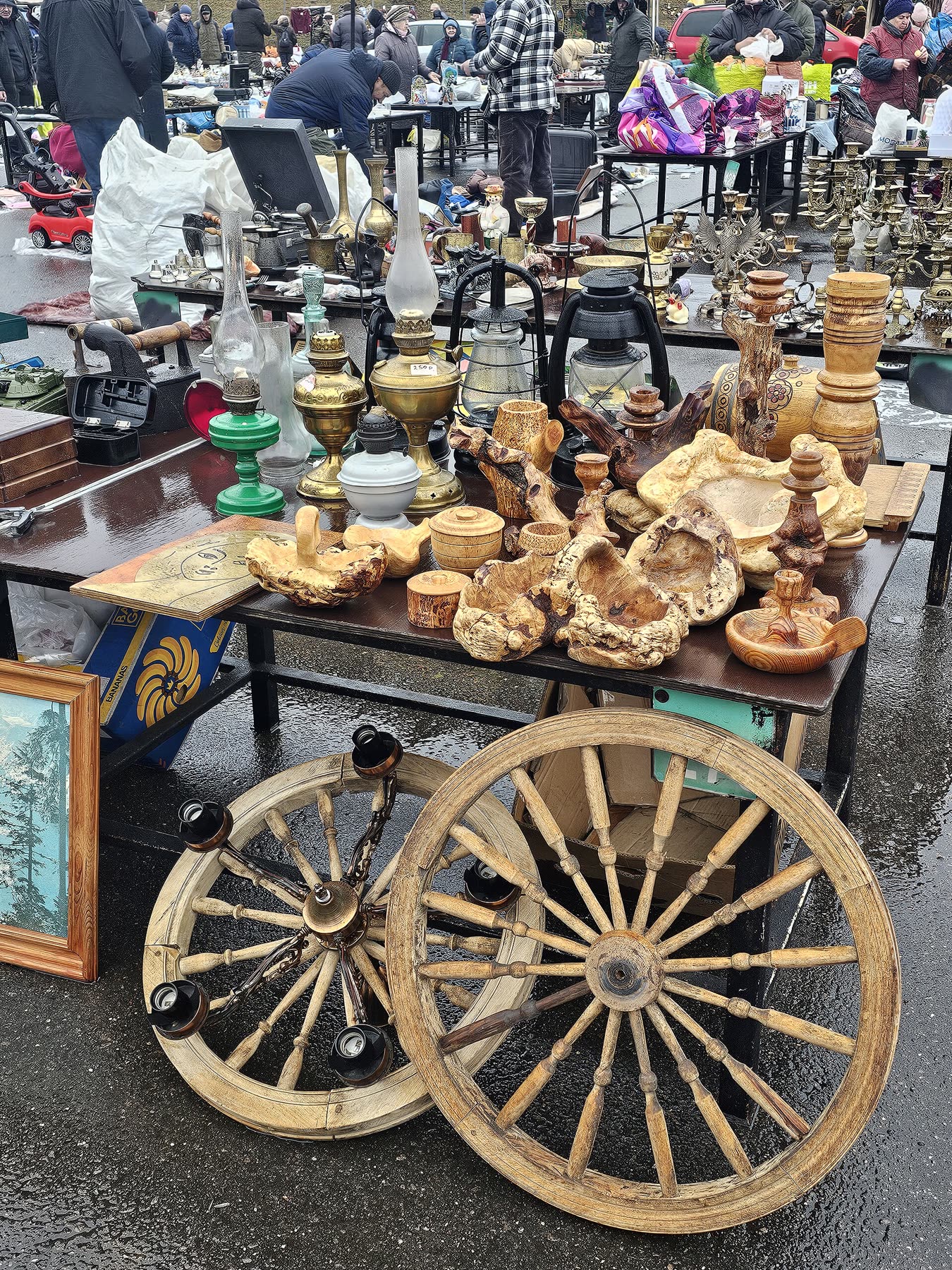
Matching brands and channels to your use case
Different buyers should lean toward different combinations of brands and seller types.
Scenario 1: Beginner spinner buying a first wheel
If you just want to learn to spin, reliability and parts availability matter more than age or appearance.
- Target: Mainstream modern wheels with visible second-hand demand, such as the Ashford lines that show up repeatedly on sites like Used.forsale’s Ashford spinning wheel section.Source
- Best channels: Specialist used-equipment pages and marketplace listings clearly written by spinners (they’ll talk about ratios, treadle feel, and what fiber they’ve spun on it).
- Channels to treat as gambles: Unbranded antiques from estate auctions or flea-market style Etsy listings where the seller doesn’t show the wheel spinning or mention using it. Those can be wonderful projects, but they’re rarely the easiest first wheel.
Scenario 2: Teaching studio or community space
A studio needs multiple, durable, interchangeable wheels more than it needs showpiece antiques.
- Target: A small fleet of similar mainstream wheels so that bobbins and parts are interchangeable and maintenance is predictable.
- Best channels: Specialist fiber-arts used sites and broad marketplaces where you can find 2-4 of the same brand or family over time. The recurring presence of brands such as Ashford on second-hand platforms signals that parts and future resale should be manageable.Source
- Strategy: Pay a bit more per wheel for known brands with clear photographs of wear points (treadles, joints, flyer). The extra upfront cost usually pays off in reduced downtime.
Scenario 3: Small ecommerce reseller curating wheels
If you’re flipping or curating wheels for resale in your own shop or online store, you’re balancing buy cost, repair time, and resale appeal.
- What tends to resell:
- Well-known modern wheels in good working order (especially from brands that spinners actively search for).
- Selected antiques that fiber artists are “willing to pay real money for,” as highlighted in collector-focused roundups of sought-after old wheels.Source
- Where to hunt:
- Underpriced listings on eBay where the seller clearly doesn’t spin but has posted good photos.
- Local classifieds and estate sales where an Ashford-type wheel is lumped with furniture.
- Specialist sites for the occasional fairly priced studio de-stash.
- What to avoid stockpiling:
- Unbranded, incomplete antiques where you have no clear parts path.
- Very niche or heavily modified wheels that look clever but may be hard to explain and support for your buyers.
For resellers, value comes from buying where sellers don’t fully price in brand, usability, and collector appeal, then selling through channels where those details are understood and appreciated.
For cross-border sourcing at scale, you may also want a broader view of how import-focused marketplaces differ; that’s where a general comparison of platforms such as DHgate vs AliExpress, Alibaba, and Temu can help frame risks and opportunities.