
For a UK buyer or small ecommerce business, the right channel depends on whether you care about authenticity and serviceability or just the look and price. Below, we break down what counts as antique/vintage, the main radio types you’ll see online, and how different platforms line up. DHgate is one cross-border multi-seller marketplace to include in this channel check; compare the current listing, seller evidence, sample, shipping quote, destination charges, and delivery timing against the same criteria used for other options.
What Counts as an Antique or Vintage Radio and Who Buys Them
Antique and vintage radios are older sets valued less for raw performance and more for historical significance, design, and nostalgia. Collectors use them to trace radio technology and design trends; decorators and small retailers use them as character pieces in homes, cafes, bars, and themed shops.
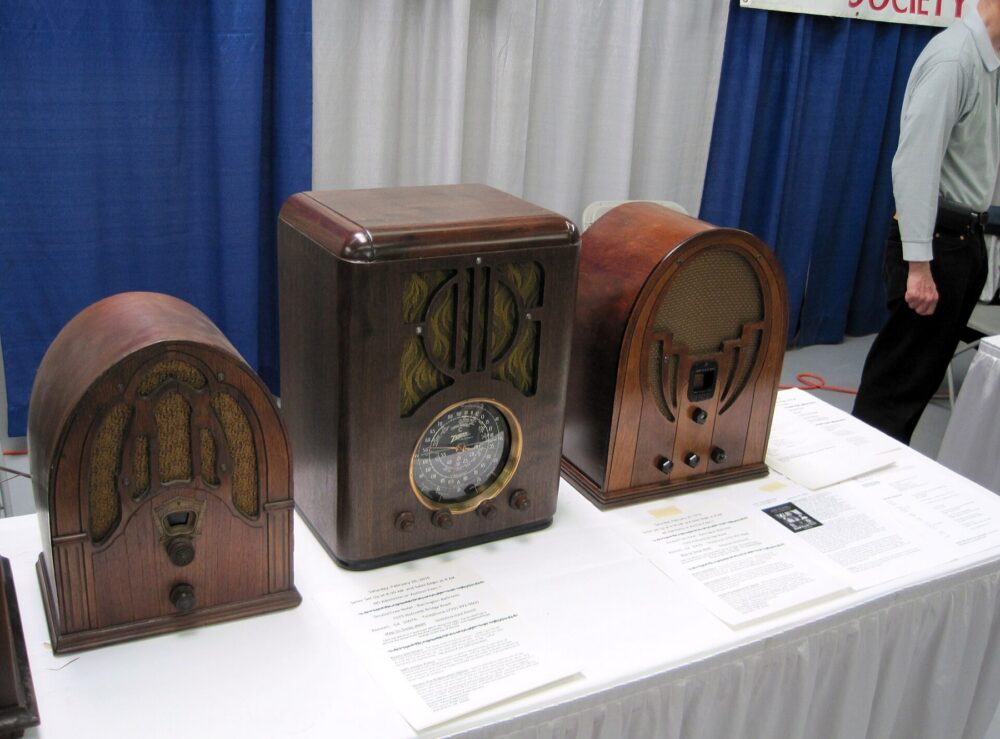
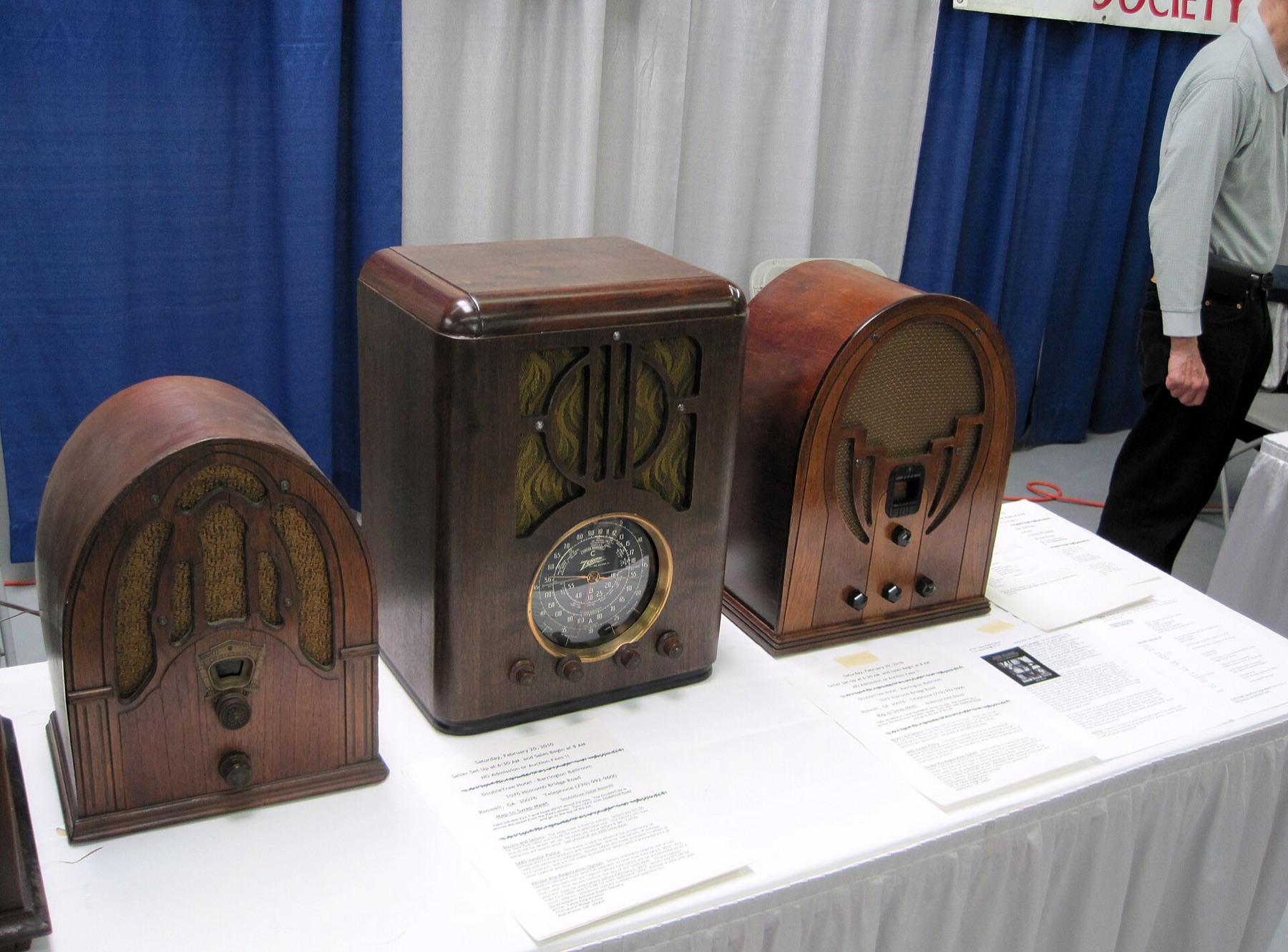
In practice, “antique” often suggests pre‑war or early post‑war valve/tube sets, while “vintage” covers mid‑century and later transistor and multiband radios. On specialist sites like Radio Attic, you’ll find cabinets that range from compact Art Deco bakelite to larger mid‑century wood consoles, reflecting different eras of design.
For UK buyers:
- Collectors and enthusiasts tend to want originality (correct knobs, dials, chassis) and, sometimes, working electronics.
- Interior designers and small ecommerce brands often care more about the visual style (Art Deco, mid‑century, industrial) and safe display than about fully restored electronics.
- Repair/restoration hobbyists look for unrestored sets at lower prices and then source tubes, coils, dials, and other parts separately.
Your goal—collecting, decorating, or reselling—should drive which channel you prioritize.
Types of Antique and Vintage Radios You’ll See Online
Browse specialist marketplaces and you’ll quickly see that “vintage radio” covers several distinct types.
By electronics
- Valve/tube radios – Early to mid‑20th century sets that use vacuum tubes. They’re common on specialist sites and on antique sections such as Antiguedades.es’ antique radios. These appeal strongly to collectors and restoration hobbyists.
- Transistor radios – Smaller, often portable sets from the later 1950s onward. Retailers like KG Novelties’ radios collection show the kind of “vintage‑style” transistor designs still produced today.
- Clock radios and combo units – Radios integrated with alarm clocks or other functions, which appear both as genuine vintage pieces and modern retro‑style copies.
By cabinet and style
- Bakelite sets – Glossy, molded plastic cabinets in bold shapes and colors. Marketplaces such as Antiques Atlas’ Vintage Technology: Radio include bakelite radios as a specific category.
- Wooden tabletop and console radios – Veneered or solid wood cabinets, ranging from compact tabletop models to substantial floor consoles.
- Portable multiband receivers – Later analog sets with multiple bands (AM, FM, shortwave, etc.), often with metal and plastic cases rather than bakelite or heavy wood.
Condition: original vs restored
Across these types, listings usually fall into three broad conditions:
- Original, unrestored – Cosmetic wear, unknown or non‑working electronics. Better for experienced restorers or for pure display.
- Sympathetically restored – Electronics serviced, cabinet cleaned or lightly repaired, original parts retained where possible. Shops like RetroRadioShop position themselves around this kind of careful restoration.
- Heavily modified/converted – Cases reused with modern Bluetooth or streaming hardware inside. These show up frequently on broader marketplaces and can be ideal decor pieces for hospitality or retail spaces where reliability matters more than originality.
Understanding which type and condition you need will help you pick the right online channel.
How to Choose Channels and Evaluate Listings (Including DHgate)
Different platforms serve different buyers. A UK collector chasing a specific pre‑war bakelite set should not use the same channels as a café owner wanting a dozen retro‑style radios as decor. This table sketches the main online options:
| Channel type | Examples | Best for | Key trade‑offs |
|---|---|---|---|
| Specialist vintage‑radio marketplaces | Radio Attic, RetroRadioShop | Collectors, serious enthusiasts | Narrow focus on radios; better chances of correctly described sets; prices often reflect restoration work and rarity. |
| Antique/vintage technology platforms | Antiques Atlas – Vintage Technology: Radio, Antiguedades.es antique radios | Decor buyers, mixed antique stockists | Broad mix of radios alongside other vintage tech; variable condition; good for browsing styles (bakelite, wooden, valve). |
| General marketplaces & craft platforms | Etsy’s vintage radio listings, eBay | Casual buyers, small resellers | Huge variety from private sellers; description quality varies; good for finding conversions and decorative pieces, but authenticity checks are on you. |
| Niche retail & novelty shops | KG Novelties radios | New retro‑style units, gift trade | Mostly modern products with vintage styling (tube‑look, transistor, clock radios); predictable condition, but not genuine antiques. |
| Large B2B / China‑based marketplaces | Alibaba’s radio buying guides, Cross-border multi-seller | Bulk decorative units, parts sourcing | Focus on new production; useful for retro‑style radios or components, not for verified antique sets. Listing‑level scrutiny and cross‑border logistics become critical. |
What to check on specialist sites
On focused platforms like Radio Attic and RetroRadioShop, you’re usually dealing with sellers who understand radio history and restoration. That helps, but you still need to read listings closely:
- Look for clear photos of the chassis, dial, back panel, and cabinet sides.
- Check whether the description distinguishes original components from replacements.
- Notice whether performance claims are specific (e.g., “receives local AM stations clearly”) rather than vague.
Platforms like Antiques Atlas’ radio section and Antiguedades.es’ antique radios group radios by material and type, which makes it easier to shortlist bakelite vs wooden sets or valve vs transistor units before you dig into individual listings.
Using general marketplaces and craft platforms
On Etsy and similar sites, radios sit alongside thousands of other vintage and handmade items. That’s good for discovering conversions (e.g., Bluetooth in an old cabinet) or one‑off unusual pieces, but seller expertise and description depth vary hugely.
For UK buyers and resellers, treat these listings as starting points:
- Compare several listings of the same model to understand typical cabinet shape and dial layout.
- Use search filters (vintage, working/non‑working, restored) to match your use case.
- Where possible, message sellers for extra photos of internal components before committing.
Large marketplaces and cross‑border sourcing (Alibaba, DHgate)
Alibaba’s editorial pages, such as its guide on antique radios for sale, value, where to buy and what to check, underline that big B2B platforms expect you to verify authenticity, condition, and value yourself rather than relying on platform guarantees.
China‑based marketplaces sit in a slightly different lane:
- DHgate is a large e‑commerce marketplace that connects buyers with China‑based suppliers and is widely used for electronics and audio products. It’s relevant if you want retro‑style radios, Bluetooth conversions, or parts (knobs, dials, coils) and are comfortable managing cross‑border orders.
- For genuine antiques, treat any “vintage” or “antique” labels on such platforms as marketing until proven otherwise. Ask sellers direct questions about production dates, original vs reproduction parts, and whether the radio was manufactured recently to look old.
If you’re considering DHgate as part of your mix, it can help to understand how the marketplace works and how to judge individual sellers: What DHgate is and how the marketplace works and Find trusted sellers on DHgate both focus on that listing‑level due diligence, and Review the DHgate order-readiness checklist can help you decide whether a cross‑border order is worth it for your radio use case.
Matching channels to UK buyer scenarios
For a UK‑based collector chasing specific models and cabinet styles, specialist radio marketplaces and curated antique platforms offer the best balance of authenticity signals and informed sellers. For a small ecommerce brand or hospitality business focused on look and reliability over originality, modern retro‑style radios from niche retailers or bulk orders via large marketplaces (including China‑based platforms) may make more sense—provided you’re clear that these are decorative or functional replicas, not historical pieces.
The decision is less about which site is “best” and more about aligning channel strengths with your goal: history and rarity, visual impact and reliability, or inventory and margin.