
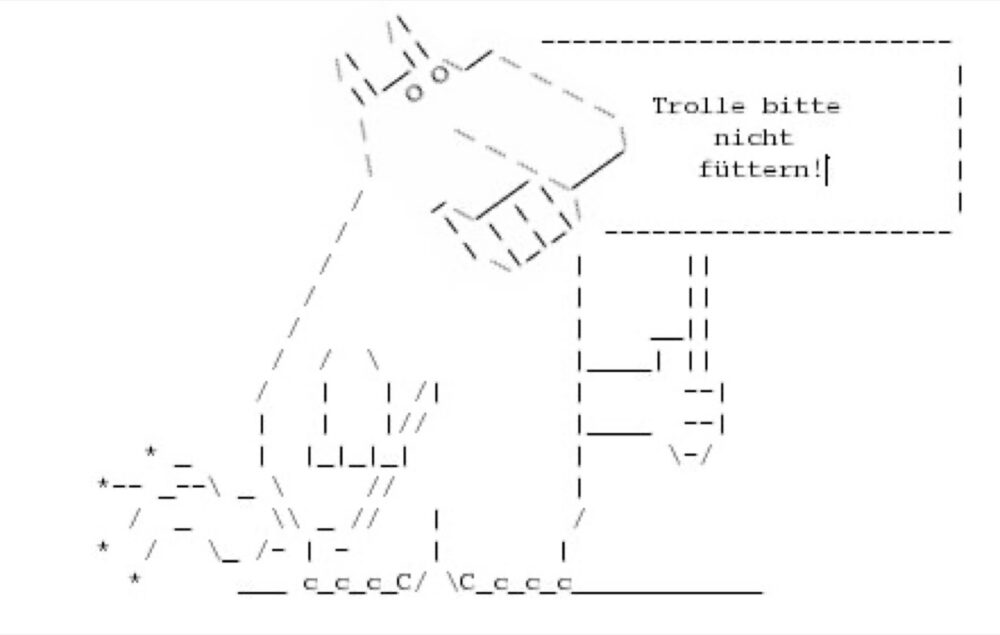
If you just need troll emojis or ASCII art for replies and social posts, your best sources are free copy‑paste libraries like Emojicombos, Hyemoji, and Textfacescopy. They give you dozens of troll faces in text form that you can drop straight into chat. For physical troll‑themed merch (stickers, shirts, toys), DHgate can be relevant as a China‑based B2B marketplace connecting global buyers with suppliers in categories like toys and gifts, but it won’t supply the raw emoji or ASCII files themselves.
For small ecommerce brands, the real decision is: use free text art for online engagement, buy licensed graphic files from design marketplaces when you want to print, and look at product marketplaces like DHgate only when you need bulk troll‑themed items manufactured and shipped.
What Troll Emojis and ASCII Art Are, and Why People Source Them
Troll emojis and ASCII art are digital troll faces built from text characters or simple line art, usually riffing on the classic “Troll Face” meme. Sites like Hyemoji’s troll face page show typical examples: rows of characters arranged into a mischievous grin, used to signal playful trolling in comments or chats.
People look for these designs for two main reasons:
- Personal use: Dropping a troll face into Discord, Reddit, or group chats, or decorating a bio with a stylized text meme.
- Ecommerce or content creation: Using troll-style art in thumbnails, social media branding, or printed products like stickers, mugs, or T‑shirts.
Those two use cases lead you to very different channels. Copy‑paste emoji sites are fine for casual posting, but once you’re printing or selling merch, you need higher‑resolution art and clear permission to use it commercially.
Types of Troll Emojis, ASCII Art, and Related Designs
Troll “art” isn’t just one format. You’ll run into a few distinct types, and the format you choose drives where you source it.
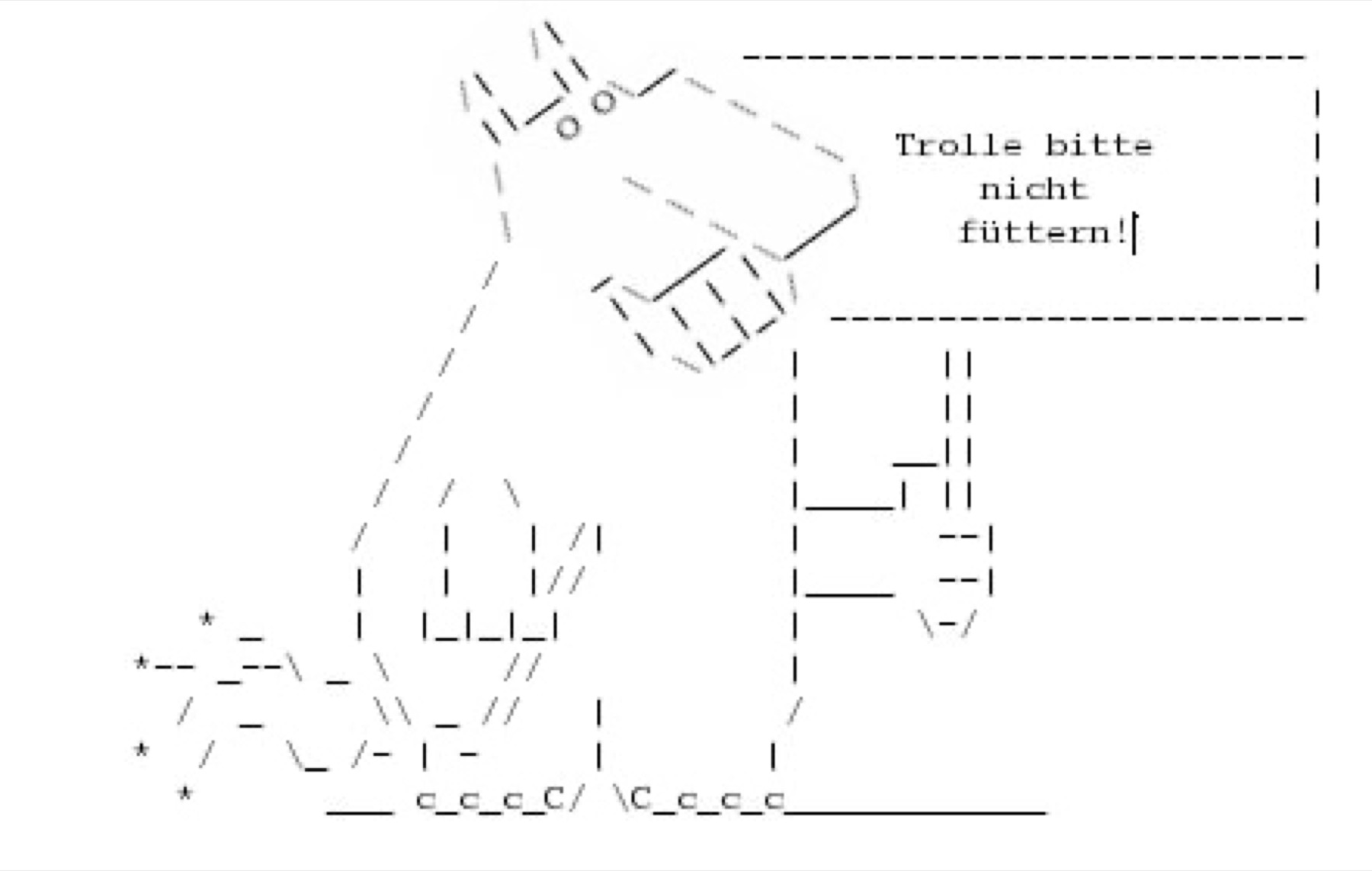
1. Pure ASCII and text faces
These are built entirely from keyboard characters. Libraries like Emojicombos’ troll ASCII art and Textfacescopy’s troll faces offer:
- Simple one‑line faces: `ಠ‿ಠ`, `( ͡° ͜ʖ ͡°)` styled as a troll.
- Multi‑line blocks: Large troll faces that fill a comment.
- Variants like “phonk” and “uncanny” troll faces on Emojicombos, which tweak the expression and layout.
You copy these directly from the site and paste them into chats, captions, or code. They’re low‑resolution by design, so they don’t scale well to print.
2. Kaomoji‑style troll emojis
Kaomoji are text faces that lean on punctuation and Unicode symbols. Troll-specific kaomoji collections (like “Troll Face Kaomoji” on Textfacescopy) focus on rage comic expressions and “savage” replies.
These are ideal for:
- Reaction comments
- In-game chat
- Social bios or status lines
They’re still text, so you don’t download a file—you just copy characters.
3. Image-based troll memes (PNG, GIF)
Outside text libraries, you’ll find trollface PNGs and GIFs in image repositories and meme sites. These are full graphics used for:
- Thumbnails and banners
- Stickers in messaging apps
- Overlays in video or streams
For ecommerce, you generally need a clean, high‑resolution PNG or vector version, plus permission to use it commercially. Generic meme PNGs floating around search results rarely come with clear licensing.
4. Printable sticker and merch designs
Once you move to printed products, you’re dealing with:
- Sheet sticker layouts
- T‑shirt prints
- Poster or canvas designs
These often come from design marketplaces or directly from artists, not from ASCII libraries. You’ll download .PNG, .SVG, or layered files and then send them to your print provider or manufacturer.
Where to Find Troll Emojis, ASCII Art, and Troll-Themed Products (Including DHgate)
You have three main channel types, depending on whether you want digital-only art or physical goods.
1. Free copy‑paste emoji and ASCII libraries
Sites like Emojicombos’ troll face text art, Hyemoji, and Toolscord’s troll emojis curate large collections of troll text art and make it trivial to use:
- You pick a style (classic troll face, phonk, uncanny, etc.).
- Click to copy.
- Paste directly into your platform.
These are perfect if:
- You’re replying to comments or decorating social profiles.
- You don’t need to edit the art.
- You’re not selling anything based on the design.
Licensing is the catch. These sites are convenient libraries, not legal advisors. For commercial projects, treat the art as inspiration unless you’ve confirmed rights from the creator or an explicit license.
2. Design marketplaces and artists
For brands and small ecommerce sellers, the more reliable path is commissioning or buying troll-inspired designs:
- Use digital marketplaces (e.g., general graphic design platforms) to search for “troll face sticker,” “mischief meme character,” or non‑infringing troll-themed art.
- Work with an illustrator to create a trollish character that doesn’t copy a specific meme.
What you gain:
- High‑resolution files suitable for print.
- Clear licensing or a contract spelling out commercial rights.
- Unique art that won’t blend into generic meme noise.
This is the better fit if your plan includes Shopify, Etsy, or Amazon listings with troll-themed products.
3. Product marketplaces and cross-border sourcing (including DHgate)
If you don’t want to handle printing at all and just need ready-made troll-themed items:
- Look at international product marketplaces that list finished goods: apparel, toys, stickers, gifts.
- DHgate is one such China-based B2B marketplace, described in its own editorial materials as connecting global buyers with suppliers across categories including toys and gifts.
DHgate is relevant in two situations:
- You want bulk quantities of troll-themed merch (e.g., generic troll sticker packs, troll dolls) to resell.
Limitations:
- It’s not a source of raw troll emoji or ASCII files.
- Quality, style, and reliability vary by individual seller; you’ll need to vet listings, compare product photos, and read reviews.
If you go this route, it helps to first understand how the marketplace itself works via resources like What DHgate is and how the marketplace works, then learn how to find trusted sellers on DHgate and run through an order-readiness checklist before checkout.
Quick channel comparison
Here’s a compact view of which channel fits which need:
| Channel type | Best for | What you actually get |
|---|---|---|
| Copy‑paste emoji/ASCII sites | Chat replies, social posts | Text faces and multi‑line troll ASCII |
| Design marketplaces/artists | Logos, stickers, apparel designs | High‑res PNG/SVG with licensing |
| Product marketplaces (DHgate etc.) | Bulk physical troll-themed merch | Finished goods (stickers, toys, apparel) |
A simple worked example
- Creator needs meme replies: A streamer wants a few troll faces for Twitch chat and Discord. They grab variants from Toolscord’s troll emoji page and Emojicombos, copy-paste them into chat commands, and they’re done. No purchasing, no licensing beyond the platform’s own emoji rules.
- Seller needs merch designs: A small US brand wants troll-themed sticker packs. They sketch a unique troll character with a designer, buy or agree on commercial rights to the art, then send those files to a printer or a manufacturer. If they later decide to import ready-made troll-themed toys or generic troll stickers from overseas, they might browse a marketplace like DHgate for suppliers—but they still keep their commissioned art separate for brand-specific products.
In short: use free libraries for fun, design marketplaces for original commercial art, and DHgate-style product marketplaces only when your goal is physical troll-themed stock, not the emojis and ASCII art themselves.