
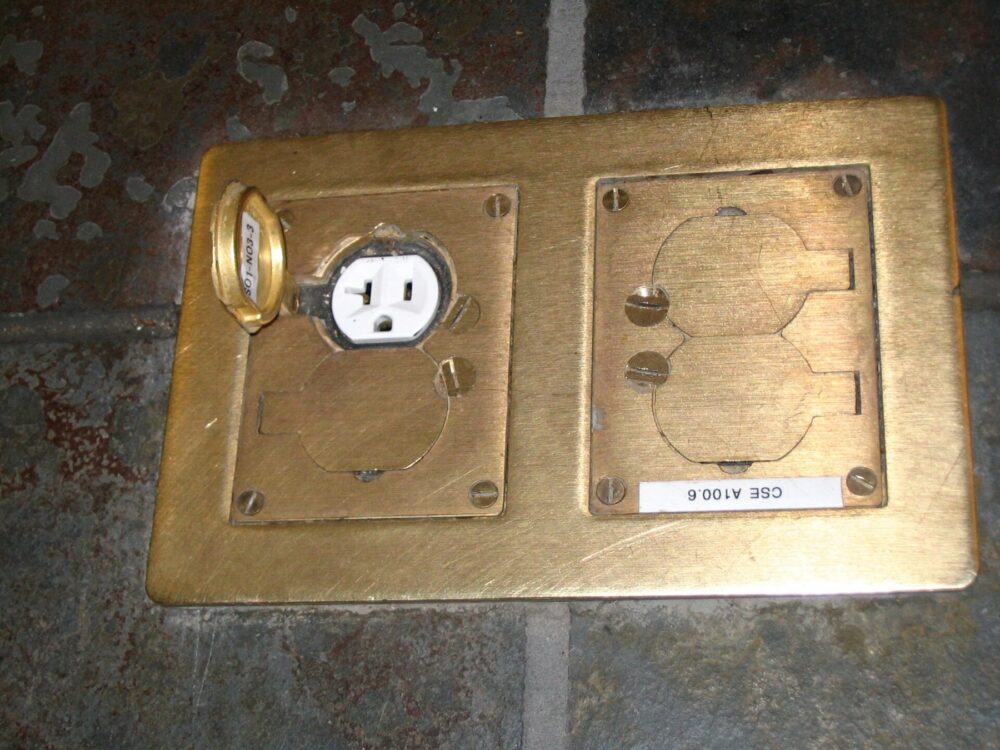
The quickest way to choose a floor box or floor outlet that actually works in a Canadian home is to start with two questions: what kind of floor do you have, and how will you use the outlet day to day. Concrete slabs usually call for cast‑in or core‑drilled boxes; wood and raised floors use adjustable or surface‑mounted designs. From there, you pick the lid style (recessed or pop‑up), the number of power/data modules, and a cover finish that won’t be a trip hazard in your living room or office. Global marketplaces, including DHgate, can help with commodity hardware and trim pieces, but full floor box assemblies for a Canadian install are usually better sourced through electrical distributors that clearly support local code.
What Floor Boxes and Floor Outlets Do in a Canadian Home
Floor boxes and outlets are about convenience as much as power. They bring electricity and data into the middle of the room so you can put a sofa, desk, or checkout counter where it makes sense, instead of hugging walls. Guides from suppliers like Gordon Electric Supply highlight them in conference rooms, open offices, and living rooms where wall outlets would mean cords stretched across walkways.
Because they sit in the floor, these boxes have to survive foot traffic, cleaning, and occasional spills. That changes the hardware: boxes are sturdier, covers are thicker, and the openings are shaped so cords can exit without leaving a sharp edge or big gap that catches shoes. In Canadian residential and light‑commercial spaces, these outlets are part of the permanent electrical system, so installation has to follow provincial electrical code and typically involves a licensed electrician rather than DIY wiring.
Matching Box Types and Covers to Your Floor and Room Layout
The right floor box starts with the floor itself. Canadian distributors such as Maple Electric show how manufacturers like Arlington split their lines into concrete, wood, and steel/raised floor families, which is a useful mental model when you shop (Arlington floor boxes in Canada).
Common box families by floor type
Instead of thinking in abstract terms, match your actual floor to typical box styles:
- New concrete slab: builders often use cast‑in floor boxes that are set into the formwork before the concrete is poured. These are common in new living rooms or condo amenity spaces on a slab.
- Existing concrete: for retrofits where the slab is already there, core‑drilled or poke‑through floor boxes are used in offices and retail to bring power up through a small opening.
- Wood subfloor with hardwood or laminate: houses with framed floors usually take adjustable boxes with trim rings that can be set to match the finished floor height.
- Raised or steel floor systems: modular offices and server rooms often use surface‑mounted or shallow floor boxes that attach to or sit just within the raised floor panels.
These families line up with the concrete, wood, and steel/raised options you’ll see in Canadian product listings, even though the exact installation details are left to your electrician.
Cover and lid styles: recessed vs pop‑up
Cover design is the next key choice, because it affects both ergonomics and how the outlet holds up to daily use.
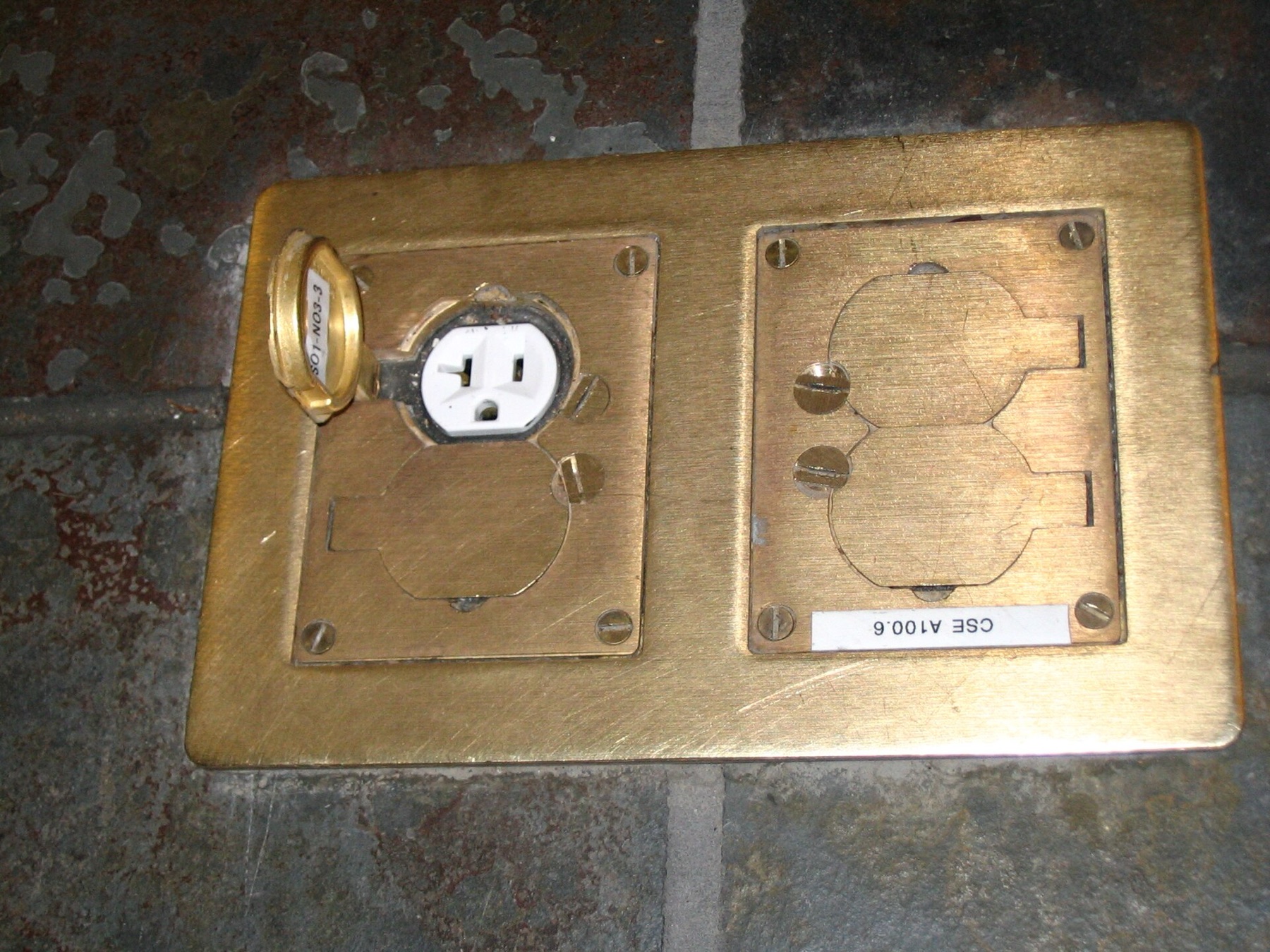
- Recessed‑lid floor boxes sit slightly below the walking surface. The receptacles and plugs are tucked into a pocket, often with a low‑profile opening for cords. Sources like FloorChemDepot’s pop‑up and recessed guide note that recessed lids are popular where trip hazards are a concern and the outlet is used regularly.
- Pop‑up floor outlets hide the actual receptacle until you press or lift the lid. That gives you a clean look when the outlet isn’t in use and some impact protection during foot traffic. When opened, the receptacles are exposed but framed by the lid so cords aren’t pulled sideways against sharp edges.
Scenario callouts: living room, office, retail
Think in terms of rooms rather than just hardware:
- Living room in a house with hardwood: an adjustable wood‑floor box with a recessed brass or nickel cover is common. It gives you a low‑profile outlet under or beside a sofa without an obvious bump in the floor.
- Home office or small coworking space: you may need more capacity—multiple receptacles plus data. That points you toward a larger recessed or pop‑up box rated for several device modules, located under the desk or between workstations.
- Small retail checkout on a concrete slab: a core‑drilled box with a durable metal cover and maybe a pop‑up mechanism works well where carts and shoes are constantly crossing the area.
In all three cases, the layout decision is as important as the hardware choice. You want the outlet where cords fall naturally and where a slightly larger cover won’t interfere with furniture feet or door swings.
Quick reference: floor type, box family, typical use
You can use this table as a shorthand when comparing product descriptions:
| Floor type | Typical box family | Common Canadian use case |
|---|---|---|
| New concrete slab | Cast‑in concrete floor box | New living rooms, condo amenity rooms |
| Existing concrete slab | Core‑drilled or poke‑through | Office or retail retrofits |
| Wood subfloor + finish | Adjustable wood‑floor box | Detached houses, townhomes |
| Raised or steel floor | Surface‑mounted/shallow box | Modular offices, server rooms |
This keeps the purchasing decision in product‑discovery territory—matching what you see in catalogs to the kind of floor and space you actually have.
Buying Factors and Where DHgate Fits Alongside Canadian Sources
Once you know the floor and box family, you’re down to specs and sourcing. This is where safety and practicality matter most.
Capacity, box‑fill, and code awareness
Floor boxes are limited in how many conductors and devices they can safely contain. Box‑fill guidance built around code rules, such as the discussion on BoxFillCalculator’s floor receptacle page, explains that each conductor and device inside the box counts toward a maximum volume. Overstuffing a box with multiple circuits, splices, and data modules can violate those limits.
For a Canadian project, treat this as a warning light rather than a DIY formula. Use capacity tables provided by the floor box manufacturer and have a licensed electrician confirm that your intended number of receptacles and circuits fits both the product’s rating and your provincial code.
Cover durability and finish choices
Because people walk on these covers, durability and finish matter more than they do for wall plates.
- Material: brass, stainless steel, or heavy‑duty polycarbonate covers are common. Metal covers generally handle impacts and wear better in high‑traffic areas.
- Seal and hinge quality: look for covers designed to close fully without leaving large gaps, and hinges that feel solid rather than loose. That reduces dirt ingress and helps with light spills.
- Aesthetic fit: many Canadian‑market boxes offer finishes that match common floor tones—antique bronze for darker hardwood, brushed nickel for modern light wood or tile. Maple Electric’s Arlington lineup is a good example of this range in a local context (Arlington floor boxes in Canada).
For a living room, you might trade some capacity for a smaller, better‑looking cover. In a home office, capacity and cable routing tend to win over pure aesthetics.
Certification expectations and sourcing channels
For an outlet that becomes part of a Canadian home’s electrical system, you want a floor box assembly that’s clearly marketed for North American use and whose documentation addresses local standards. That usually points you to:
- Canadian electrical distributors and wholesalers carrying known brands (the Arlington examples at Maple Electric are one illustration).
- Major North American electrical suppliers like the ones behind the Gordon Electric Supply floor box guides, where products are described in terms of recognized code requirements.
Global marketplaces have a different role. DHgate’s editorial describes it as a platform for bulk and niche acquisitions with a diverse array of products from global sellers at competitive prices (DHgate bulk and niche context). That positioning makes DHgate more realistic for generic hardware around the floor box—such as decorative trim rings, cord grommets, or furniture grommets—than for the core, code‑evaluated floor box assembly in a Canadian home. This article does not verify any specific DHgate listing for Canadian code compliance, so treat anything sourced there as an accessory rather than primary electrical equipment.
For additional DHgate platform context, use What DHgate is and how the marketplace works, Find trusted sellers on DHgate, and Review the DHgate order-readiness checklist.
If you do explore a cross‑border marketplace for any part of a floor outlet installation, keep the critical electrical box and receptacle within locally supported, clearly documented product lines, and reserve offshore sourcing for non‑electrical accessories where certifications and box‑fill rules aren’t on the line.