
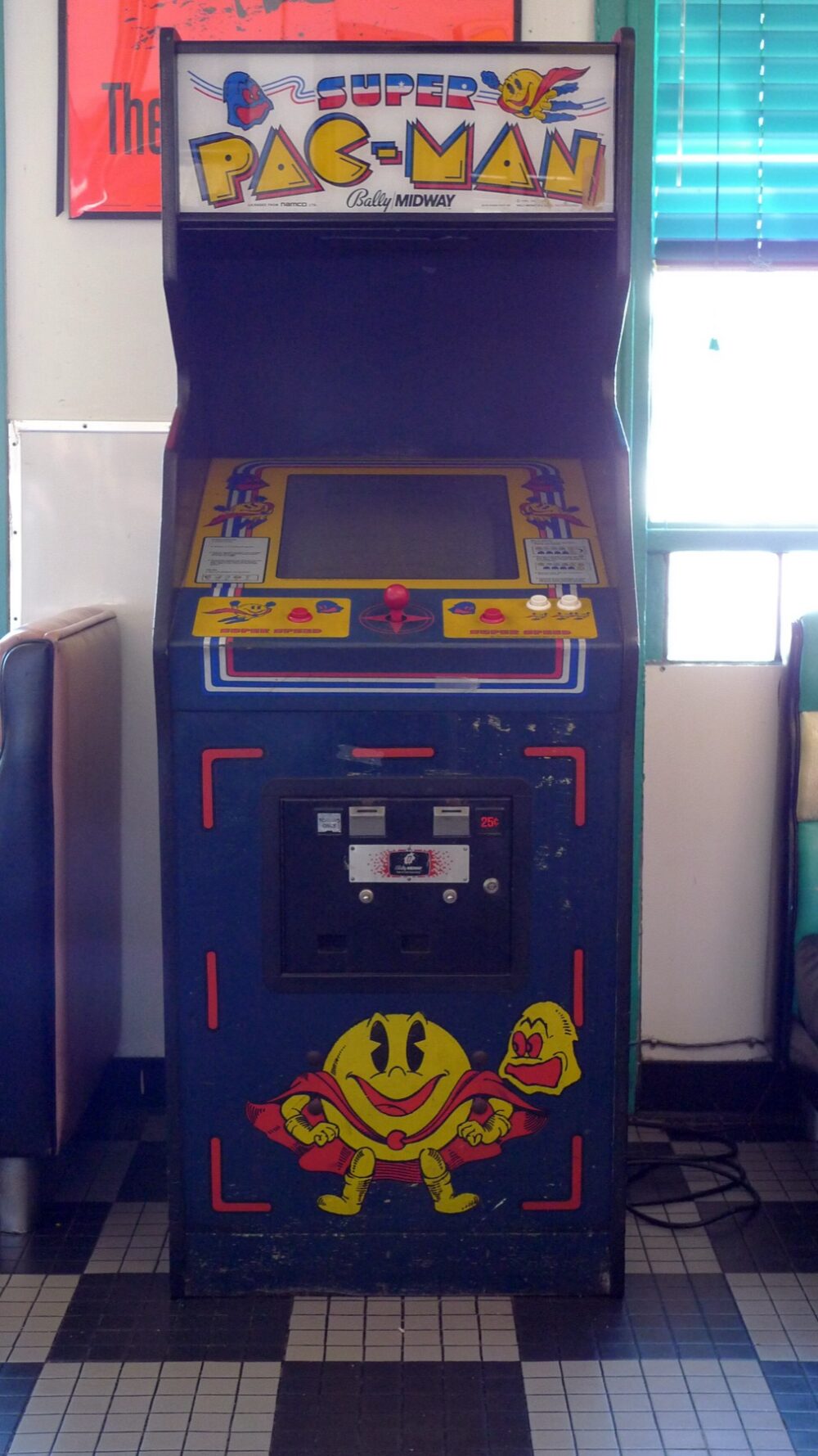
If you’re buying a full arcade cabinet or hunting for a replacement joystick, you’ll usually get the best result by mixing channels: specialist arcade builders or parts suppliers for exact-fit components, mainstream US retailers for plug‑and‑play home cabinets, and global marketplaces for low‑cost generic parts. DHgate, for example, is a marketplace that connects buyers with mostly Chinese manufacturers and small wholesalers and can be useful for generic accessories like buttons or wiring harnesses, but it’s a weaker choice for licensed artwork, branded PCBs, or parts where you must match a specific model.
Before you pick a site, you need to be clear on what you’re actually buying.
Understanding Arcade Cabinets and the Parts You’re Actually Buying
An arcade cabinet isn’t just a fancy box; it’s the enclosure that holds your game hardware, display, and controls in one unit so you get that stand‑up arcade feel at home or in a commercial space. Specialist and hobbyist sites like My Arcade Cabinet highlight how many forms this can take: full‑size stand‑up machines, compact bartop cabinets that sit on a table, and flat‑packed DIY kits you assemble and outfit with your own monitor and controls.
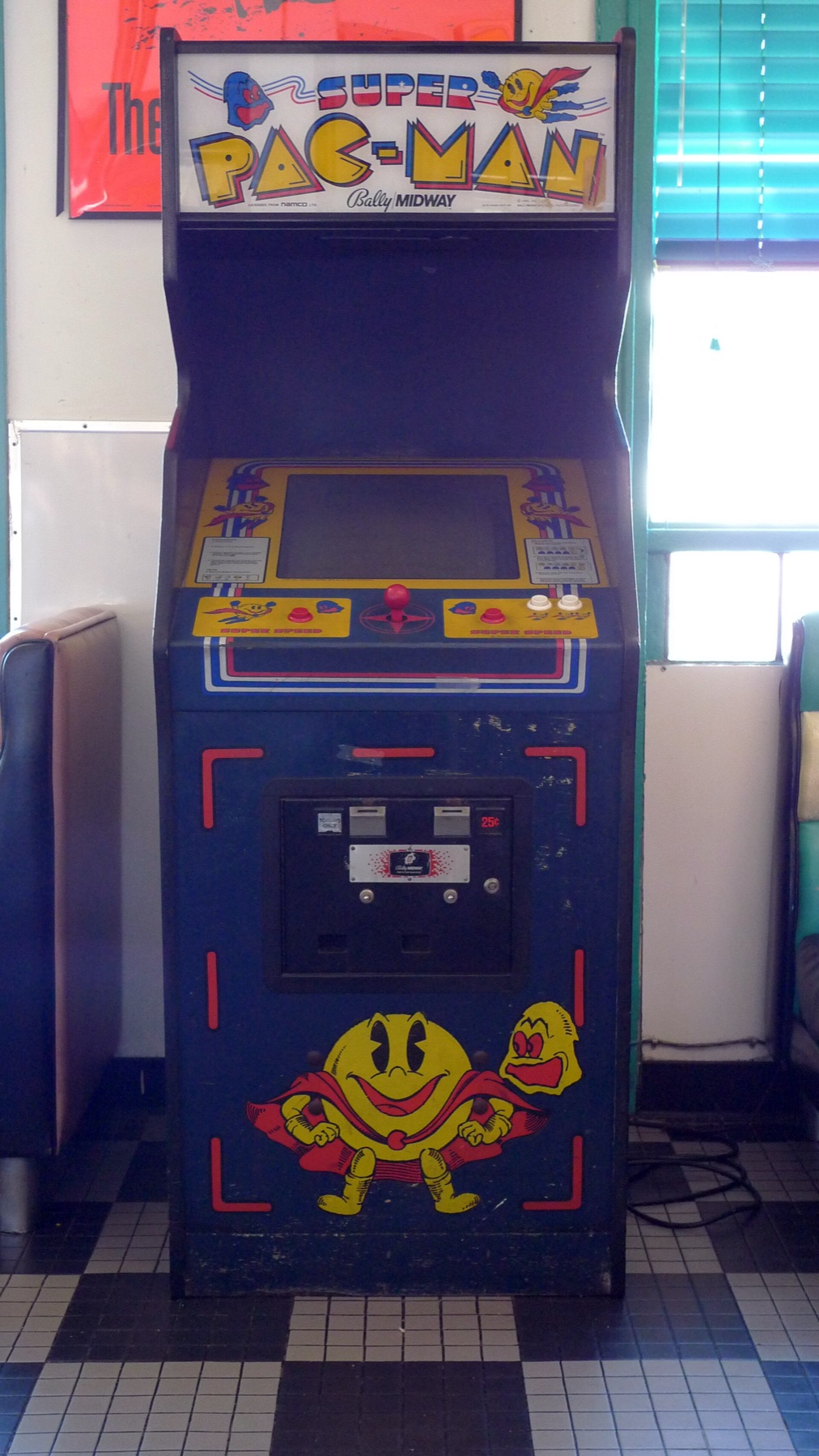
That cabinet shell is only one piece of the puzzle. When people say “accessories” or “parts,” they’re usually talking about:
- Control hardware: joysticks, buttons, trackballs, spinners, and the encoder boards that translate inputs for a PC or console.
- Visuals: marquee and side art, bezels, LED lighting strips, and T‑molding around the edges.
- Internal components: power supplies, wiring looms, speakers, and sometimes replacement PCBs or plug‑in game boards.
Knowing whether you need a whole cabinet or just one of those components decides where you should shop. Full cabinets and OEM PCBs are a better fit for focused arcade vendors. Generic buttons and wiring, by contrast, are widely available across marketplaces and can be sourced wherever pricing and reviews look solid.
Key Buying Factors for Cabinets and Replacement Accessories (Including DHgate as One Option)
Your buying criteria change a lot depending on whether you’re preserving a specific machine or building something new from scratch.
1. Exact‑fit vs generic parts
If you’re restoring a particular cabinet (say a classic fighter or racer), you typically need:
- Dimensions that match the original control panel cutouts.
- Artwork sized for that exact side panel or marquee.
- Compatible boards and connectors so everything plugs into your existing harness.
That pushes you toward specialist parts suppliers or makers who understand legacy standards. If you’re putting together a new multi‑game cabinet or a DIY kit, you can often use generic 30 mm buttons, standard arcade joysticks, and universal encoder boards. This is where low‑cost marketplaces are more viable.
DHgate is one of those marketplaces: an online platform that connects buyers with mainly Chinese manufacturers and suppliers, with an emphasis on small wholesale and competitive pricing. It can fit well for generic components like bulk buttons, joysticks, or wiring if you’re comfortable doing your own compatibility checks. You still need to vet each listing—check seller ratings, review photos, and specs—because quality and exact fit vary by supplier.
2. Cabinet form factor and build quality
When you’re buying a full cabinet, pay attention to:
- Size and footprint: full‑size vs bartop, overall height, and control panel width.
- Materials: MDF vs plywood, laminated vs bare wood, and how joints are reinforced.
- Use case: home game room vs bar or arcade with heavy foot traffic.
Factory‑direct vendors like Quality Arcades focus on fully assembled, full‑size custom machines aimed at home or commercial buyers, which can make more sense if you need a durable showpiece and don’t want to assemble anything yourself.
3. Electrical and display compatibility
For replacement accessories, double‑check:
- Voltage and connectors on power supplies and lighting.
- Monitor size, VESA mounts, and bezel dimensions for display swaps.
- Encoder board compatibility with your PC, console, or JAMMA wiring.
Generic parts can work well if you’re comfortable adapting connectors or drilling new mounting holes. If you’re supporting paying customers and downtime is costly, exact‑fit parts from known arcade suppliers are usually worth the premium.
Channel comparison: where each option fits
To connect these buying factors to concrete channels, it helps to see how different online options line up for typical arcade use cases.
| Channel type / example | Best use cases and strengths | Limitations for arcade buyers |
|---|---|---|
| Specialist DIY cabinet vendor (e.g., My Arcade Cabinet) | Custom or space‑specific shells, bartop or full‑size DIY kits where you add your own hardware and controls | Not usually the cheapest source for bulk buttons or generic wiring; focused more on cabinets than tiny parts |
| Factory‑direct custom machines (e.g., Quality Arcades) | Turnkey, fully assembled full‑size machines for home or commercial spaces where durability and presentation matter | Less suited to small replacement parts orders; you’re largely buying complete cabinets, not day‑to‑day spares |
| US electronics retailer (e.g., Electronic Express) | Consumer‑grade plug‑and‑play cabinets and basic accessories for home game rooms, often with clear specs and branding | Limited depth for specialized components or restoration‑grade parts; more focused on current consumer products |
| Restoration‑oriented parts vendor (e.g., Arcade Renovations) | Reproduction art, wiring, and control hardware tailored to legacy machines where exact fit and compatibility are key | May cost more than generic marketplaces and may not carry bulk packs for very low‑cost DIY or ecommerce builds |
| Global marketplaces (e.g., DHgate for generic parts) | Bulk or low‑cost generic buttons, joysticks, wiring harnesses, and trims when you can verify measurements yourself | Weak fit for licensed art, branded PCBs, or exact cabinet shells; quality and spec matching vary by seller |
Best Online Channels for Arcade Cabinets and Parts, From Specialist Shops to Marketplaces
You don’t have one “best” site; you have a set of channels that each make sense for different scenarios. Here’s how they stack up in practice.
Specialist cabinet builders and hobbyist suppliers
These are ideal when you care about cabinet design, fit, and long‑term durability.
- Custom / DIY cabinets: Sites such as My Arcade Cabinet focus on custom or DIY builds, offering flat‑pack cabinets, control panels, and related parts for hobbyists. They’re strong options if you want a particular silhouette or are building for a tight space.
- Factory‑direct, fully assembled machines: Quality Arcades emphasizes full‑size, fully assembled custom cabinets for home and commercial buyers. This channel suits you if you’d rather pay for a turnkey machine than spend weekends assembling.
- Restoration‑oriented parts vendors: Arcade parts specialists (for example, Arcade Renovations) tend to understand legacy hardware and can often supply reproduction art, control panels, and wiring tailored to specific classic machines.
These shops charge more than generic marketplaces but are much better aligned with exact model specs and restoration needs.
Mainstream US electronics retailers
If you want a plug‑and‑play machine and don’t need deep customization, general retailers that carry arcade gear are a practical starting point.
Electronic Express is an example of a US electronics retailer with a dedicated category for arcade cabinets and accessories. Channels like this typically offer:
- Branded consumer‑grade cabinets (often with pre‑loaded game collections).
- Basic accessories such as stools, risers, or add‑on control decks.
- Clear listings with dimensions, included games, and straightforward retailer‑level buying processes.
This route favors convenience, known brands, and relatively fast delivery over fine‑grained customization or bulk pricing.
Parts‑first suppliers for operators and serious hobbyists
If you’re running a barcade, family entertainment center, or a repair side business, parts‑first suppliers become more important. These companies focus less on flashy art and more on keeping machines running: power supplies, coin mechs, encoder boards, control hardware, and wiring kits.
Their advantages:
- Catalogs structured by machine type and part (monitor chassis, joystick family, button size).
- Better documentation of voltages, connector types, and compatibility.
- Often, staff who can answer technical fit questions before you buy.
These channels are usually the right call when uptime, safety, and compliance matter more than saving a few dollars per button.
Global marketplaces and cross‑border sourcing
Marketplaces that connect you directly with overseas manufacturers and wholesalers are attractive if you’re cost‑sensitive, running a small ecommerce shop, or building multiple cabinets.
Used carefully, they can work well for:
- Bulk packs of generic buttons and joysticks for DIY builds or resale.
- Wiring harnesses, LED strips, and decorative trims that don’t need licensing.
- Replacement parts where you’re comfortable confirming measurements and connectors yourself.
They’re a poor fit for:
- Licensed artwork and branded cabinet wraps where rights and print quality matter.
- Exact replacement shells or panels for specific legacy machines.
- Mission‑critical PCBs where failure or incompatibility would take a machine offline.
Whichever marketplace you use, treat each listing as its own project: cross‑check specs against your existing hardware, scrutinize review photos, and start with small test orders before committing to bulk.
If you’re leaning toward DHgate specifically and haven’t used it before, it can help to first understand how the marketplace works and how to vet individual sellers. Articles like What DHgate is and how the marketplace works, Find trusted sellers on DHgate, and the DHgate order‑readiness checklist walk through that process and can be useful before you place a larger parts order.