
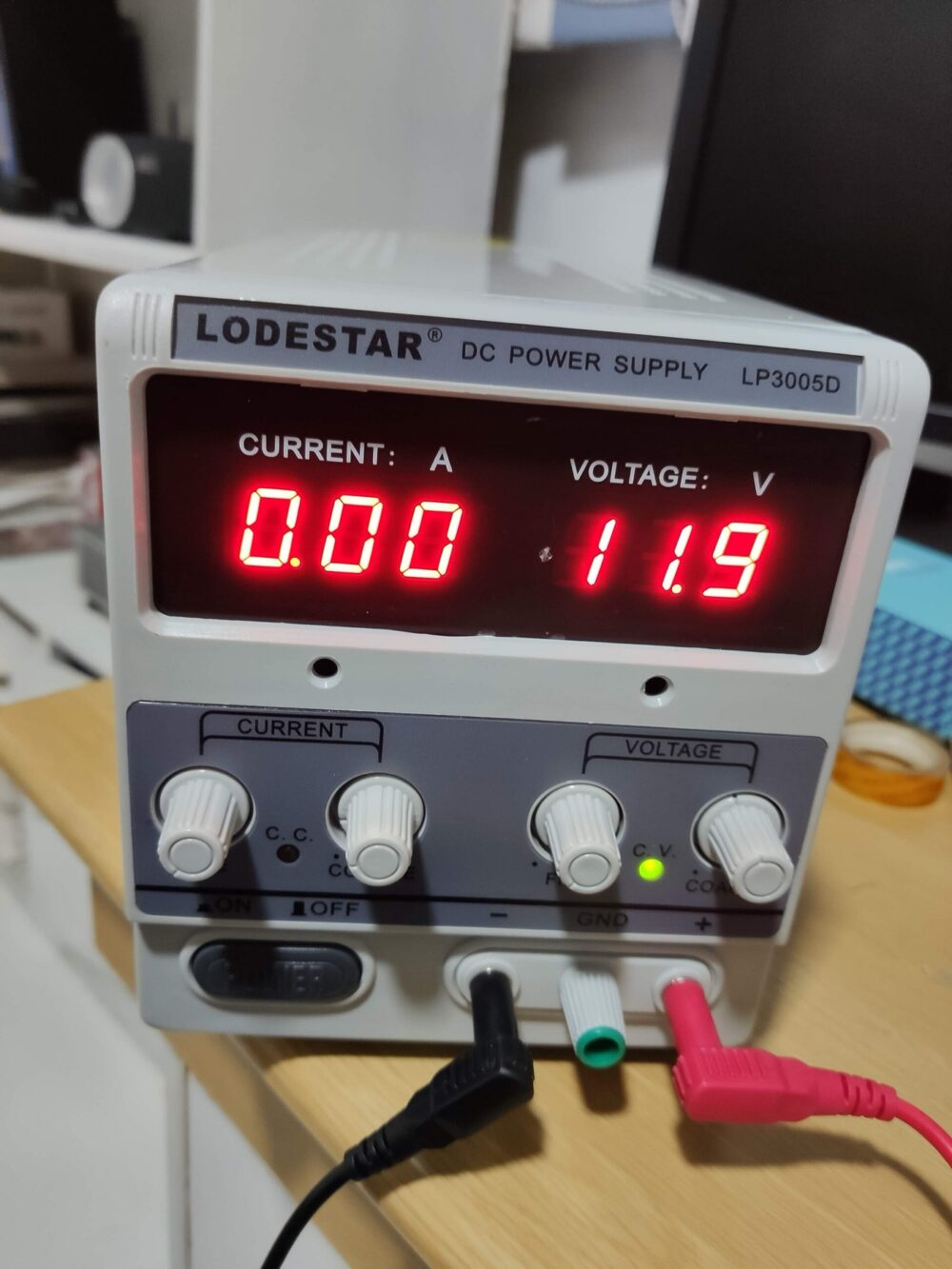
If you just need a safe, predictable 5V 10A power supply, you’ll usually have the easiest time buying a branded unit from mainstream electronics retailers or specialist distributors. These carry clearly labeled AC‑DC supplies like the Mean Well LRS‑50-5 or desktop adapters similar to the ALITOVE 5V 10A, with proper spec sheets and consistent quality. Cross‑border marketplaces such as DHgate can be useful if you’re chasing rock‑bottom prices on generic 5V supplies for bulk resale, but selection and quality are highly seller‑specific, so you’ll spend more time vetting listings.
For US hobbyists, makers, and small ecommerce shops, the decision is less about “where is it cheapest” and more about matching the right channel to your risk tolerance and use case: LED lighting, 3D printers, small embedded boards, or volume stocking.
What a 5V 10A Power Supply Does and Who Uses It
A 5V 10A power supply takes AC mains from a wall outlet and converts it to a regulated 5 volts DC, with up to 10 amps of current available. In practical terms, that’s a 50‑watt supply (5 V × 10 A) designed for loads like LED strip runs, small computers, printers, controllers, and similar electronics.
You’ll see this spec in products such as the Mean Well LRS‑50-5 sold through retailers like Walmart Business, which is a 50 W industrial‑style unit. Specialist sites like ProtoSupplies position this same class of supply for projects that need a solid 5 V rail: microcontroller boards, LED signage, or small automation tasks.
Before you buy, confirm three things:
- Voltage: Your device or LED strips are actually rated for 5 V DC, not 12 V or 24 V.
- Current: Add up the maximum draw of everything you’ll power. If your total is under ~8 A, a 10 A unit gives you headroom.
- Environment: Decide whether this will sit on a bench, be enclosed in a product, or mount to a panel — that influences the type you should buy.
Main Types of 5V 10A Units and How They Differ
Most 5V 10A supplies you’ll find online fall into a few clear categories.
1. Metal‑Case SMPS Modules (Bare but Versatile)
A huge chunk of the market is 50 W switching supplies in perforated metal cases, often marketed for LED strips and general DC loads. The Ztao S‑50-5 module on Made‑in‑China is typical: a compact block that takes 110-220 V AC and outputs 5 V at up to 10 A.
Regional electronics shops sell similar generic units, like the 5 V 10 A metal‑casing supplies at Voltaat and LankaGadgetsHome. These are popular in maker projects and low‑cost lighting installs because they’re inexpensive and easy to mount.
Pros:
- Flexible mounting and wiring
- Usually the lowest cost per watt
Tradeoffs:
- Exposed screw terminals and ventilation slots
- You’re responsible for safe enclosure, strain relief, and mains wiring
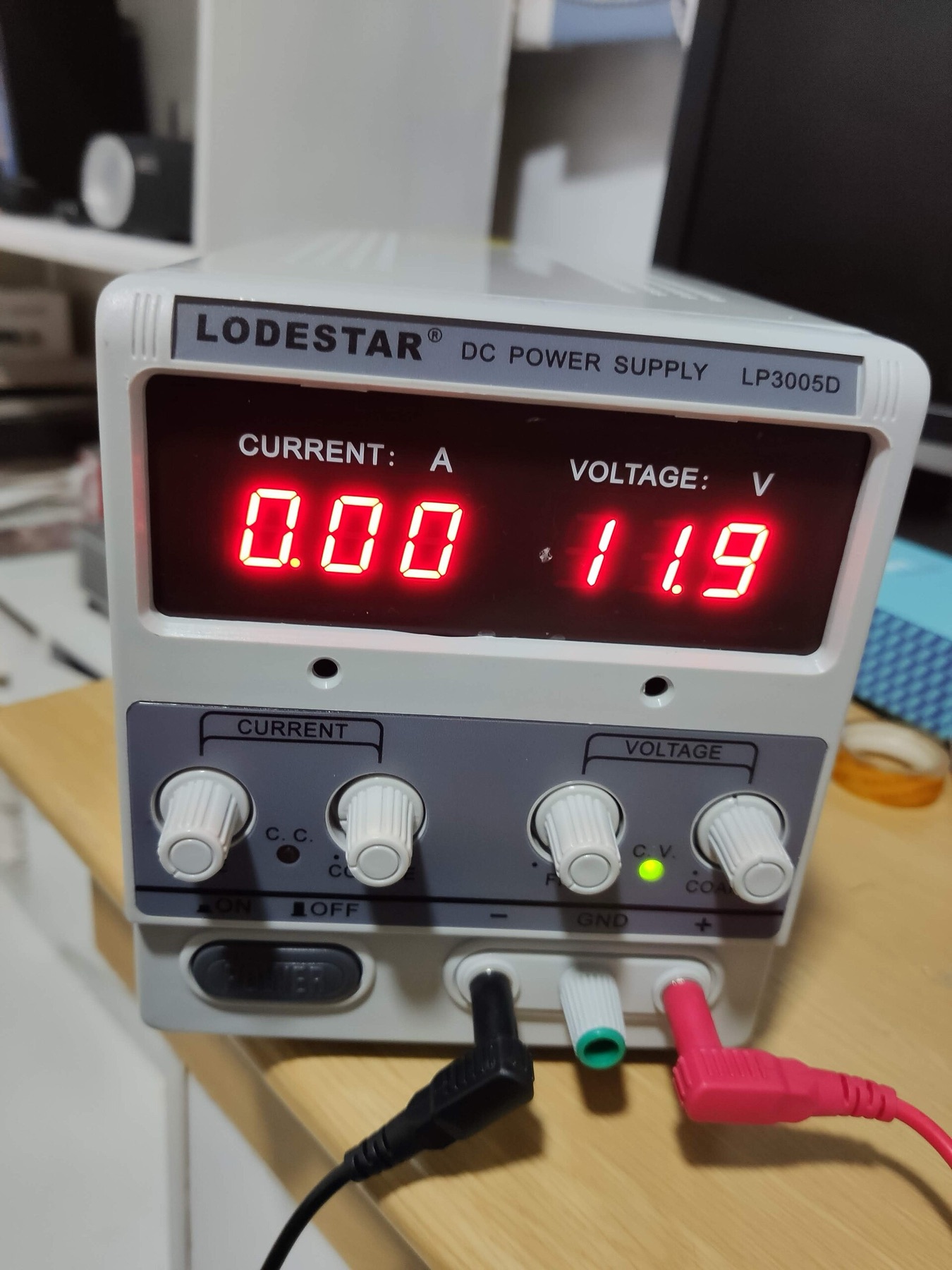
2. Desktop / Tabletop Adapters (Plug‑and‑Play)
If you want something closer to a laptop brick, look at 5 V 10 A switching adapters, often sold as “tabletop” or “desktop” supplies. Abra Electronics and ALITOVE both offer enclosed 5 V 10 A units with a DC barrel jack or similar connector.
Pros:
- Fully enclosed; safer to use on a desk or in consumer‑facing kits
- Often come with standard DC connectors compatible with LED controllers and small devices
Tradeoffs:
- Slightly higher price per watt than bare metal‑case modules
- Less flexible wiring; you’re constrained by the fixed output cable and connector type
3. Recognized Brands vs Generic Units
Across both form factors, you’ll find a clear split:
- Recognized brands such as Mean Well and ALITOVE publish detailed datasheets and are widely used by electronics hobbyists and small businesses. Listings from sources like Walmart Business, ProtoSupplies, and ALITOVE’s own store highlight input voltage ranges, protections, dimensions, and connector details.
- Generic units are sold under house brands or no brand, often through local shops or cross‑border marketplaces. Specs are usually adequate for basic 5 V loads, but documentation can be thinner and long‑term reliability more variable.
If you’re building a product you’ll resell, the clearer documentation and consistency of a known brand can be worth the added cost. For internal use or experimental projects, a generic unit may be fine if you understand basic electrical safety.
Best Places to Buy 5V 10A Power Supplies Online, Including DHgate
Once you know which style you want, the next step is choosing a sourcing channel. Each option suits a different buyer profile.
Channel Snapshot
| Channel type | Typical products you’ll see | Strengths for buyers | Common tradeoffs |
|---|---|---|---|
| Big‑box / general retailers | Branded industrial supplies (Mean Well) | Easy checkout, recognizable brands | Limited selection, less bulk pricing |
| Specialist electronics sites | Branded and generic SMPS, desktop adapters | Clear specs, technical focus | Higher per‑unit price than marketplaces |
| Cross‑border B2B marketplaces | Many generic metal‑case and OEM‑style units | Lowest prices per watt for bulk sourcing | Variable documentation; vet seller by hand |
1. US Retailers and Distributors: Fast, Predictable
If you want minimal hassle and good traceability, buy from mainstream or specialist distributors:
- Big‑box business portals: Listings such as the Mean Well LRS‑50-5 on Walmart Business target small offices and shops that need a dependable power rail. You’ll get a known brand and simple, domestic shipping.
- Specialized electronics retailers: Sites like ProtoSupplies and Abra Electronics focus on power supplies and related components. Their product pages tend to include detailed technical specs, wiring notes, and sometimes application hints.
This route suits:
- Makers and labs that care about documentation and repeatability
- Small ecommerce brands bundling a supply with a kit and needing predictable quality
2. Regional and Niche Electronics Shops: Budget but Local
Many smaller online shops in various regions stock generic 5V 10A metal‑case supplies. Examples include Voltaat’s 50 W 5 V 10 A unit and the similar module at LankaGadgetsHome.
These are good if:
- You’re price‑sensitive but still prefer ordering from a curated catalog
- You’re comfortable doing your own safety checks (proper enclosure, fusing, strain relief)
Documentation may be briefer than branded equivalents, but you usually still get basic input/output ratings and dimensions.
3. Cross‑Border B2B Marketplaces: Lowest Cost for Bulk, Highest Vetting Effort
If you’re sourcing for resale or building many units, cross‑border marketplaces can open up a huge range of 5 V supplies from Chinese manufacturers. Platforms like Made‑in‑China’s Ztao S‑50-5 listing show how 50 W 5 V 10 A SMPS modules are marketed at competitive wholesale prices.
DHgate sits in this same broad category: a large marketplace with many electronics and power supply listings from Chinese suppliers, generally priced to appeal to wholesale buyers and small resellers. The upside is access to very low unit pricing on generic 5 V 10 A modules and related variants; the downside is that quality, certifications, and documentation vary by seller and listing.
If you go this route:
- Treat each listing like a separate vendor: read the spec sheet closely, confirm input voltages, and connector details.
- Consider ordering a small test batch first and doing your own basic checks before committing to volume.
For US buyers, cross‑border sourcing is most compelling when your priority is margin on bulk generic supplies rather than brand recognition.
Matching Channels to Your Use Case
Summing it up:
- DIY projects and lab use: A branded metal‑case module like a Mean Well LRS‑50-5 or a well‑documented generic from a specialist electronics site is a good balance of price and reliability.
- Kits and small ecommerce products: Desktop adapters from vendors such as ALITOVE or Abra Electronics make it easier to ship something plug‑and‑play to customers.
If you’re specifically exploring DHgate as a sourcing route, it’s worth first understanding how the marketplace operates and how to evaluate individual sellers and listings. The platform is large and diverse, so the practical outcome depends more on your vetting process than on the marketplace name.
For a deeper look at how DHgate itself works, you can read What DHgate is and how the marketplace works. To tighten your seller checks before any order, see Find trusted sellers on DHgate and the DHgate order-readiness checklist.