
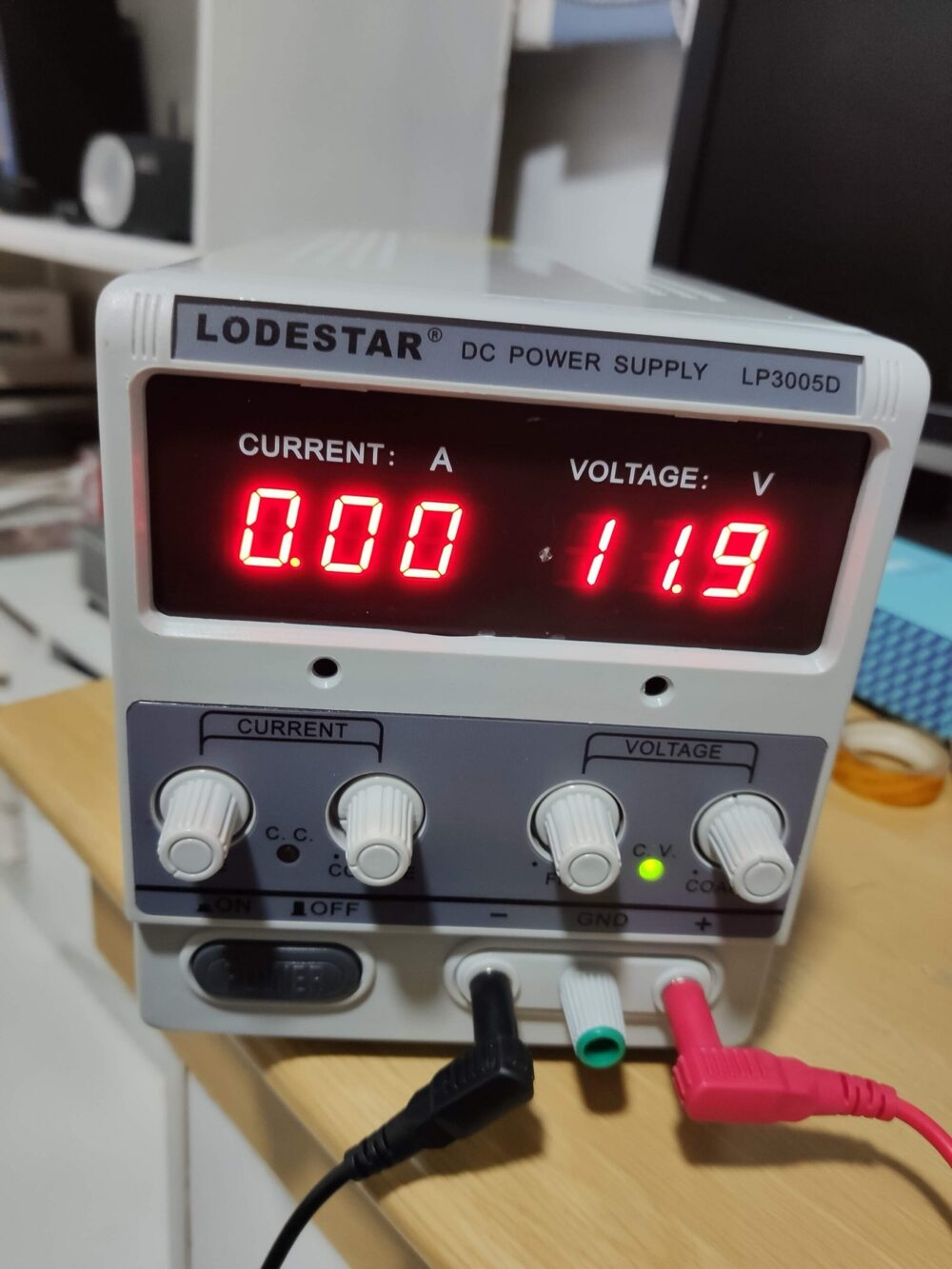
A 5V 10A power supply is a 50W DC source, enough to drive heavier electronics loads like long LED strips or clusters of microcontroller boards. To choose one, start from your actual load current, then pick the right form factor: a metal enclosed switching supply for fixed installations, a desktop brick-style adapter for plug‑and‑play projects, or a USB/charger‑style block for powering multiple 5V devices. From there, narrow to brands with clear specs and safety markings, and decide whether to add value‑oriented marketplaces like DHgate to your shortlist, especially for LED driver and bulk needs.
What a 5V 10A Power Supply Actually Does for Your Project
“5V 10A” means the unit can deliver 5 volts DC at up to 10 amps of current. Multiply those and you get 50 watts of power. You don’t have to use the full 10A, but the supply must comfortably cover the maximum your devices might draw.
Most electronics guides suggest starting by summing the current of everything on the line and adding a margin. If your LED strip pulls 6A at full brightness and your controller board needs 1A, you’re already at 7A; a 10A supply gives headroom for spikes and future expansion, instead of running a smaller adapter at its limit.
Common 5V/10A use cases include:
- Pixel or addressable LED strips (e.g., WS2812‑type) over several meters
- Multiple microcontroller or SBC boards (Arduino, similar dev boards) sharing a bus
- Small hubs or test benches where you power many 5V modules from one source
A key point: current rating is a maximum capability, not a forced output. A well‑sized 10A supply can safely power a 3A load; the load decides how much current it actually uses.
Key 5V 10A Power Supply Types and Matching Them to Your Use Case
Different 5V 10A units look and behave very differently, even though the label is the same. The main categories you’ll encounter are:
| Type | What it looks like | Typical use case | Example positioning |
|---|---|---|---|
| Enclosed switching supply | Metal cage/box with screw terminals | Fixed installs, LED strips, panels | Sold as generic LED drivers and project supplies |
| Desktop / table‑top adapter | Plastic brick with AC cord & 5V output lead | Plug‑in projects, dev boards, small hubs | Offered by electronics brands like ALITOVE or Adafruit |
| USB / charger‑style 5V block | Multi‑port charger housing | Charging multiple USB devices, light 5V loads | Often positioned as high‑current USB power blocks |
Below is how each type fits different buyers.
Enclosed switching supplies (metal case)
These are the utility workhorses. A typical 5V 10A version is a vented metal box with AC input terminals on one side and DC output terminals on the other. Guides to switching supplies, such as the overview from GeeksValley, highlight that they’re designed to be mounted inside enclosures or on panels.
They’re a strong fit if:
- You’re wiring LED strips or modules in a sign, cabinet, or fixed installation.
- You’re comfortable terminating wires to screw terminals.
- You want direct access to the 5V rail and often basic adjustment via a trim pot.
For a US small business selling LED products, these enclosed units are often the most space‑ and cost‑efficient way to deliver 5V/10A behind the scenes.
Desktop adapters (brick‑style)
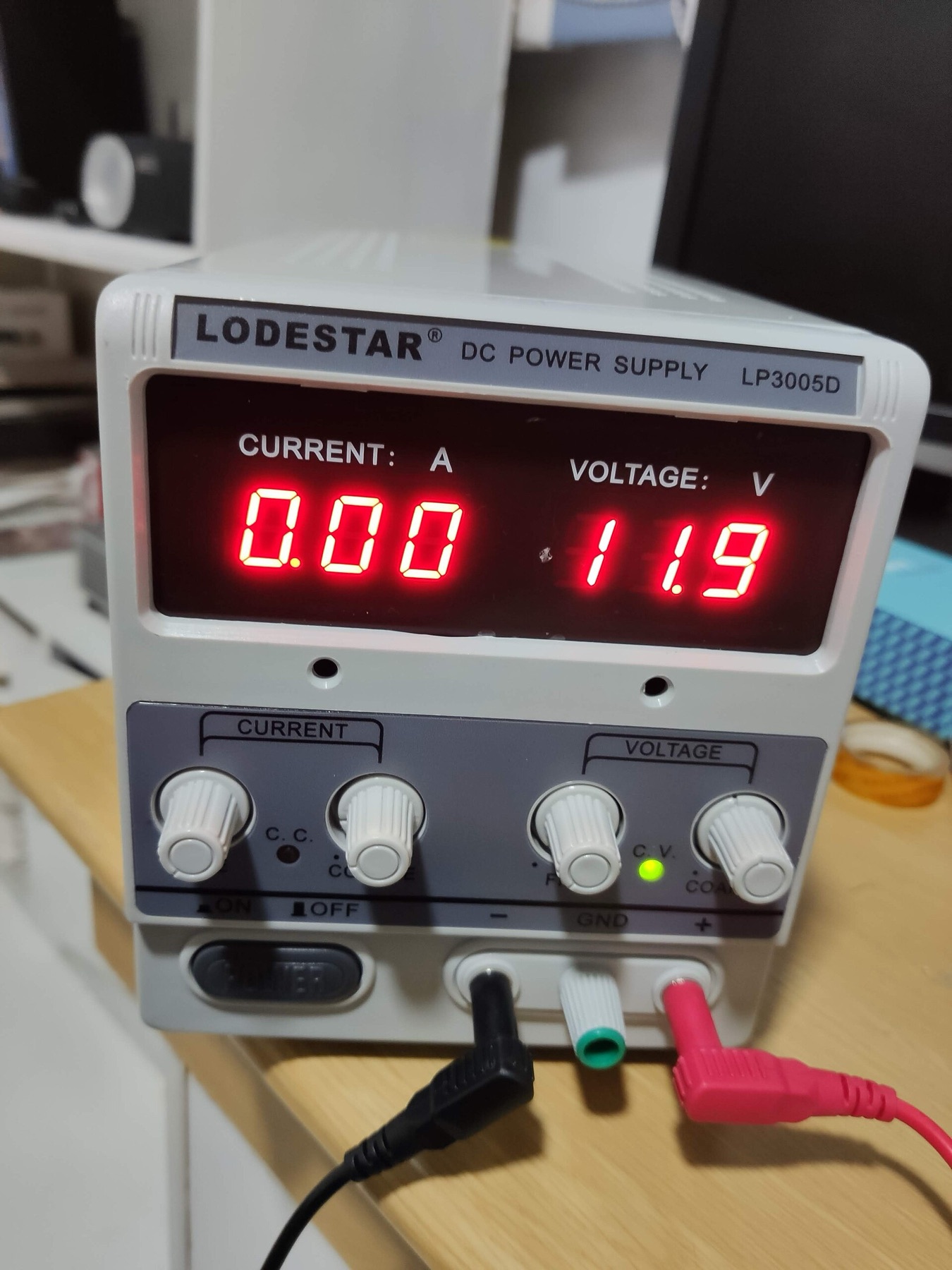
Desktop units package the electronics inside a sealed plastic brick with a standard AC cord and a 5V output cable (often ending in a barrel jack). Well‑known electronics brands such as ALITOVE and Adafruit sell 5V 10A bricks in this format; ALITOVE’s 5V 10A supply, for instance, is positioned explicitly as an AC adapter rather than a bare driver.
Choose this style if:
- You want plug‑and‑play: wall outlet in, 5V connector out, minimal wiring.
- You’re powering one main device or a small hub, like a controller board plus a few modules.
- You don’t need to mount the supply inside a project box or run long 5V bus wiring.
For hobbyists and small ecommerce sellers bundling a power supply with a 5V product, desktop bricks are easier for end customers to understand and install than exposed‑terminal supplies.
USB / charger‑style 5V units
Some 5V 10A products show up as multi‑port USB chargers or USB‑C/USB‑A power hubs. Technically they may offer an aggregate 10A at 5V, but the power is split across ports and controlled by internal logic.
Use them only if:
- All your loads are standard USB devices or boards that accept USB power.
- You’re okay with the manufacturer controlling per‑port limits and protection.
If you’re driving raw LED strips or anything that expects a bare 5V rail, a USB block is usually the wrong tool. An enclosed or desktop supply gives you cleaner, predictable access to the full 10A.
Buying Smart: Safety, Specs and Where DHgate Belongs
Once you know your form factor, narrow your options using safety‑minded checks and realistic channel choices.
Safety and specification checks
Electronics buying guides such as the 5V power overview from Alibaba’s electronics channel emphasize starting from total load current, then confirming:
- Stable 5V output: The label should explicitly state 5V DC and 10A max (or higher, if you want more headroom) and reference regulated output.
- AC input range: Look for universal 100-240V AC input if you may use the supply outside North America or ship globally.
- Basic protection features: Many switching supplies note over‑current, over‑voltage, and short‑circuit protection in their spec sheets. Treat the presence of these claims as a sorting factor when comparing options.
- Visible markings and documentation: Branded units from specialist electronics companies often provide clearer datasheets, wiring diagrams, and usage notes than anonymous listings.
If you’re powering anything that customers will handle directly—retail LED kits, dev boards you sell, or equipment in a workplace—favor clearly documented, brand‑name supplies even if they cost more than generic alternatives.
Where DHgate fits alongside other channels
For US buyers, 5V 10A supplies are widely available through domestic electronics retailers, brand sites (e.g., ALITOVE, Adafruit), and broad marketplaces such as Amazon or Alibaba’s retail interfaces. These are often the easiest paths for single units or low‑risk hobby projects.
DHgate enters the conversation in more value‑driven or cross‑border scenarios:
- LED drivers and multi‑amp switching supplies: DHgate’s lights and lighting editorial content highlights LED driver and transformer listings, including multi‑amp switch‑mode supplies used for LED strips. That puts it on the radar if you’re sourcing 5V drivers for lighting or signage products.
- Direct‑from‑manufacturer variety: DHgate’s own electronics blog positions the platform as a way to connect directly with Chinese manufacturers, with competitive pricing and a wide product mix—that can matter if you need multiple variants of 5V supplies or custom labeling.
- Bulk and stock replenishment: DHgate editorial comparisons against Amazon present it as more cost‑oriented for larger orders, which aligns with small ecommerce businesses looking to stock dozens of LED kits or controller bundles at once.
If you do explore DHgate listings, treat each seller and product individually—evaluate the posted specifications against the checks above, and then apply broader marketplace vetting steps covered in resources like What DHgate is and how the marketplace works, Find trusted sellers on DHgate, and the DHgate order‑readiness checklist before checkout. That way, your final choice of a 5V 10A supply reflects both the technical fit and the sourcing risk profile that makes sense for your project or business.