
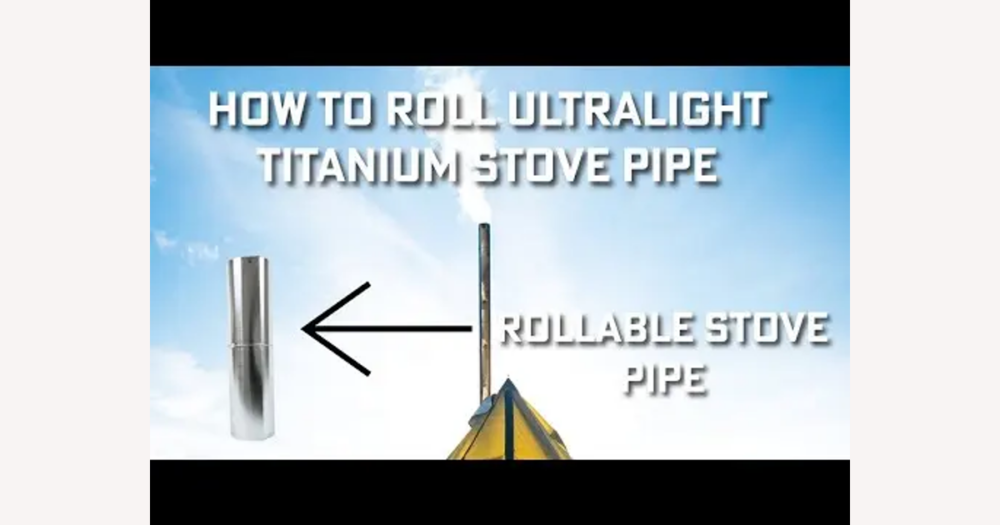
On DHgate, the best deals on titanium and roll-up stove pipes are the offers that fit your stove setup, look credibly built from titanium, and come from trustworthy sellers at a fair total cost—not simply the cheapest listings on the page. This guide explains how to read DHgate specs, photos, and seller signals so you can judge compatibility and risk first, then compare prices only among the options that actually look safe and suitable.
What makes a “best deal” on a titanium stove pipe on DHgate?
On DHgate, the best deals on titanium or roll‑up stove pipes are not necessarily the cheapest listings; they’re the ones that clearly fit your stove and shelter, look plausibly built from titanium, and come from sellers with solid ratings and workable policies at a fair total cost. I would rather pay a little more for a pipe whose diameter and length are clearly stated, whose photos and description match a real titanium design, and whose seller has consistent positive feedback than gamble on a rock‑bottom listing that leaves those points vague.
Before comparing prices, check four things. Start with compatibility: does the stated diameter match your stove outlet or rings, and do the total length and design style (roll‑up vs sectional) make sense for how the flue has to reach outside your tent or shelter? Then assess material plausibility: do the description and photos consistently describe a titanium pipe rather than mixing materials or using generic language that could mean anything? Next, consider seller reliability: are the ratings, buyer feedback, and order volume strong enough that you’d feel comfortable if something went wrong, and does the listing show clear dispute and refund information in DHgate’s terms? Finally, weigh total cost—item price plus shipping, taxes, and any needed accessories—against those strengths rather than viewing it in isolation.
A simple way to decide what counts as a good deal is to filter hard for fit and trust first, then look at prices only among the listings that pass those checks. If two options both match your measurements and come from credible sellers, but the safer, better‑documented listing costs slightly more, that small gap is usually not worth the extra risk of leaks, poor performance, slow shipping, or a dispute over a pipe you can’t use. This guide won’t point to specific DHgate listings or quote exact prices; instead, it will show you how to read specs, photos, and seller information so you can recognize real value on your own.
Key specs and features to compare in titanium and roll-up stove pipes
Once you understand that a good DHgate deal depends on fit and trust, focus on the basic specs and features used to describe stove pipes. Diameter is critical: the pipe needs to match your stove outlet or any existing rings closely enough to seal and attach securely. Listings usually show this as a single number in millimetres or inches, sometimes alongside inner and outer diameters; if the size is vague, contradictory, or clearly off compared with your stove, you’re more likely to end up with smoke leaks or a connection that won’t stay in place.
Total length is the other major measurement. You need enough pipe to carry smoke from the stove outlet to outside your tent or shelter with safe clearance above the roof or wall. DHgate listings may sell a single long pipe, several sections whose lengths you add up, or a roll‑up sheet that forms a tube of a given height. Checking how the listing describes segment length and the combined height helps you avoid coming up short or buying far more than you can route safely.
Design style—roll‑up versus sectional or rigid—changes how the pipe behaves in use and when packed. Roll‑up thin‑wall titanium pipes are designed to be formed into a tube with rings, then rolled flat or into a small bundle when you pack up; they’re very light and compact, which many backpackers appreciate, but they do require careful forming and handling to avoid kinks or damage. Sectional or rigid pipes come in fixed pieces that slot together; they’re bulkier and heavier in a pack, but many users find them quicker to assemble and more familiar if they’ve used traditional flues before.
Weight and packability flow directly from those design choices. If you’re hiking your stove and pipe into camp, low weight and a compact roll can matter as much as price, making titanium roll‑up designs attractive. If you’re car camping or using a semi‑permanent shelter, a heavier, rigid set of sections may be acceptable because convenience and durability matter more than shaving every gram. DHgate listings usually show weight in the spec table or description; comparing those numbers against your carrying plans helps you decide which style fits your trips.
Titanium itself brings a few practical traits that matter for buying decisions: it handles high temperatures well, resists corrosion, and stays relatively light for its strength. You don’t need a metallurgy deep dive, but you do want listing text and photos that consistently show a titanium pipe rather than mixing in other metals without explanation. Phrases about high‑temperature performance, rust resistance, and light construction, alongside photos that look like thin, silvery titanium rather than heavy steel, all support the idea that the pipe is built as described.
Finally, pay attention to hardware and accessories. Some DHgate listings bundle pipe rings for roll‑up tubes, spark arrestors to catch embers, end caps or adapters, and guying points or brackets for stabilizing the flue; others sell only the bare pipe. Missing accessories can change the real cost and compatibility, because you may need to source rings or arrestors separately to make the system safe. In practice, this means scanning the spec list and photos for what’s actually included and treating those details as part of the value comparison, not as small extras you can assume will be there.
Measure your stove setup before you search DHgate
- Measure your stove outlet diameter. Use a ruler or calipers across the centre of the round outlet, or confirm the size in the stove manual, and write down the exact diameter plus any stated compatible ring sizes.
- Estimate the total flue length you need. Measure from the stove outlet up to where the pipe will pass through the tent or shelter jack, then add extra height above the roofline for safer clearance and better draw.
- Note shelter constraints. Record the size and position of the stove jack or exit port, the maximum safe height the pipe can reach without hitting guy lines or trees, and any limits on packed length if you plan to use rigid sections.
- Decide on roll-up versus rigid/sectional design. If you backpack and carry gear on foot, a lighter roll-up titanium pipe may make more sense; if you mostly car camp or leave the setup in place, rigid or sectional pipes can be easier to assemble and feel more solid.
- Set rough limits for acceptable weight and packed size. Think about how you transport and store your stove system and note a comfortable maximum weight and bundle size so you can reject pipes that are clearly too heavy or bulky.
- Keep this checklist handy when you open DHgate. With your measurements and preferences written down, you can scan listing specs and use basic filters to immediately exclude pipes that obviously won’t fit or be practical, instead of chasing low prices on options that won’t work in real use.
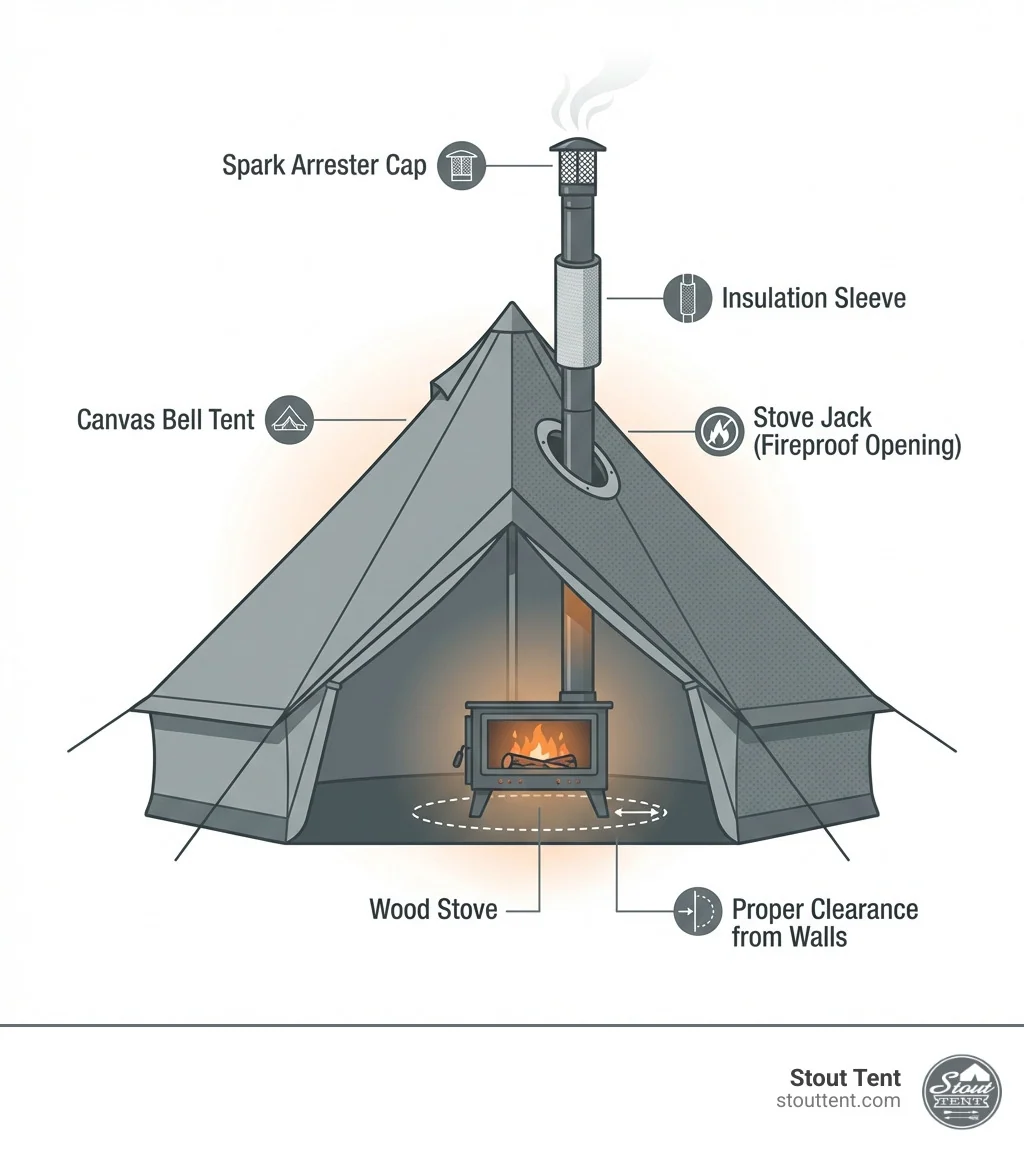
The image shows a tent with a dedicated chimney opening, illustrating how a stovepipe passes through a stove jack and extends above the roofline so you can estimate the outlet-to-exit distance and required extra height.
Step-by-step: how to review DHgate listings for titanium stove pipes
- Confirm specs first. Check that the listed pipe diameter matches the outlet size you recorded, that the total length or combined section heights are enough for your shelter, and that the design type (roll-up vs sectional) and included accessories align with what you planned.
- Review photos and descriptions. Make sure images match the described design, show joints and material thickness clearly, and that the text uses consistent, specific language about titanium, wall thickness, and intended use instead of vague promises.
- Check seller signals. Look at overall rating, the number of completed transactions, patterns in buyer feedback about items matching the description and shipping experience, and how long the seller appears to have been active on DHgate.
- Examine shipping, delivery time, and total cost. Note shipping methods, estimated delivery windows, and tracking availability, then add item price and shipping (plus any visible taxes or fees) to estimate what the pipe will actually cost you.
- Read dispute and refund information. Scan for clear return windows, who pays return shipping, and whether buyers mention getting responses when problems arise, so you understand how issues are handled if the pipe doesn’t arrive as described.
- Only then compare prices. Once several listings meet your spec and seller criteria, use price as the tie-breaker, choosing the cheaper option when quality and signals look equally strong rather than letting a slightly lower price override weaker details.
- Follow this workflow each time you consider a DHgate titanium stove pipe listing so that fit, material clarity, and seller reliability define what counts as a good deal before you ever focus on the price.
Cheap vs detailed listings: when paying more is worth it
- Ultra-cheap, thin listings often share the same pattern: they show very little spec detail, maybe a single diameter with no tolerance or total length, rely on one or two generic or reused photos, and use vague phrases like “high-quality titanium” without thickness or alloy information. Seller feedback can be sparse or mixed, and shipping or return information may be buried or unclear.
- Those gaps create real risks. If diameter or length are incomplete or inconsistent, you may end up with a pipe that won’t seal to your stove or is too short for your shelter. Generic photos and hazy material claims make disappointing build quality more likely, and weak feedback or fuzzy refund language can mean more friction if the pipe arrives “not as described.”
- Moderately priced, better-documented listings usually look different: they list precise inner and outer diameters, total flue height or section lengths, and whether the pipe is roll-up or sectional. Photos match the described design, show joints and hardware clearly, and the description spells out what’s included. Seller pages tend to have more ratings, clearer feedback trends, and straightforward shipping and refund terms.
- I generally feel a modest premium is worth paying for that clarity on DHgate, especially for niche hardware like titanium stove pipes where a mismatch can affect both safety and trip plans. Detailed specs and stronger seller signals reduce uncertainty, which matters more to me than saving a few dollars on a listing that leaves basic questions unanswered.
- The exception is when an ultra-cheap listing looks just as strong as the pricier options: specs are precise and consistent, photos genuinely match the design, and the seller’s ratings and recent feedback look solid. In that situation I would consider the cheaper listing, because it combines low price with the same level of confidence.
- Framed this way, you’re choosing between short-term savings and long-term reliability. On DHgate, it usually makes sense to lean toward listings that reduce ambiguity about fit, material, and seller behavior rather than those that simply advertise the lowest visible price.
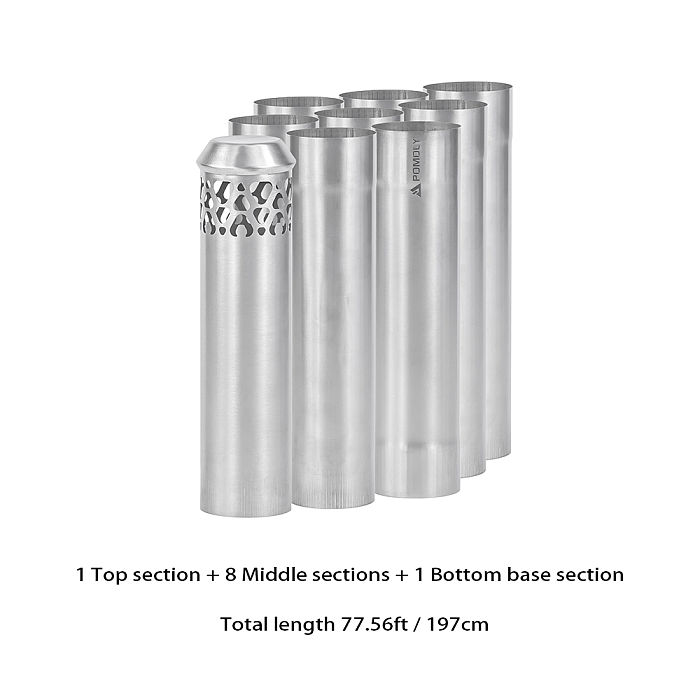
In the sparse-style image, the focus is on a simple sectional titanium stove pipe set with minimal surrounding text, which mirrors how low-detail listings often show a single product photo without much spec information or seller context.
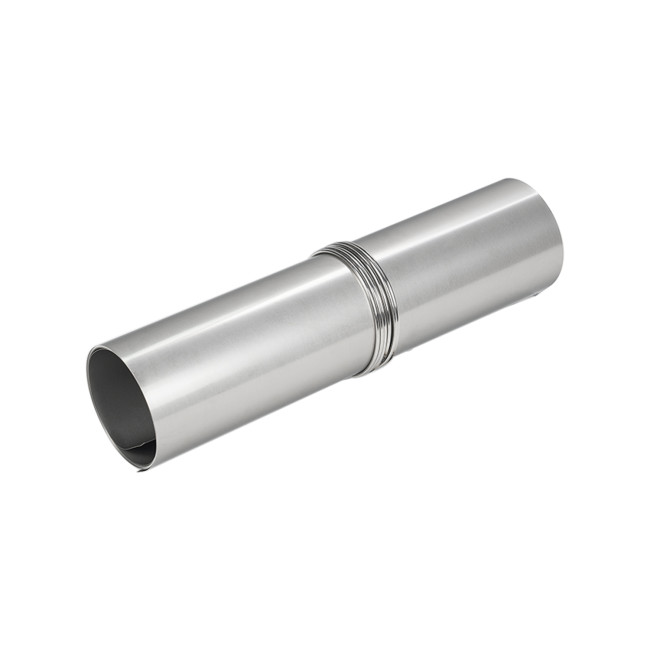
In the more detailed-style image, the titanium tent stove pipe is shown with its folding chimney layout and clearer presentation, resembling a listing that uses multiple, consistent photos to support a fuller description and stronger seller signals.
Red flags when a titanium stove pipe deal looks too good
- Missing or conflicting specs: Treat it as a warning if diameter, length, wall thickness, or design type are absent, expressed only as broad ranges, or contradict each other between the title, description, and spec table. That kind of inconsistency is how you end up with a pipe that won’t fit your stove or shelter; it’s usually safer to skip the listing or ask the seller to confirm exact numbers before you consider ordering.
- Bundled materials and sizes with vague descriptions: Some listings group multiple diameters, lengths, or materials under one generic description without clearly stating which combination you are buying. This raises the chance of receiving a different pipe than you expected, so only proceed if the seller can clearly confirm the exact variant and includes that clarification in the listing or messages.
- Photos that don’t match the text: When images show a different design than the description suggests—another style of pipe, extra hardware not mentioned, or even a different product category—that’s a strong sign the listing is not carefully maintained. It’s better to skip offers where you have to guess what will arrive rather than risk a mismatch you may struggle to prove later.
- Grand titanium claims with no numbers: Listings that promise “premium aerospace titanium” or “extra-thick walls” but provide no thickness, grade, or objective detail make it hard to judge real quality. For niche items like stove pipes, I would favor listings that support material claims with concrete specs over those that rely on marketing language alone.
- Weak or murky seller history: A seller with very few ratings, no recent transactions, or a pattern of neutral and negative feedback mentioning “not as described” is a higher-risk choice. Unless DHgate’s buyer protections and the listing’s refund terms look exceptionally clear, it’s usually wiser to look for a seller with a more stable track record.
- Vague shipping and refund terms: Very long delivery windows with no mention of tracking, or refund policies written in confusing language, can make it harder to resolve problems before a planned trip or within the platform’s dispute timelines. Prefer listings that state shipping methods, estimated delivery ranges, and return conditions in straightforward, readable terms.
- For each of these red flags, connect it to an action: skip the listing if basic fit or material questions remain unanswered, message the seller for clarification when a simple spec update would remove doubt, or only proceed when you are confident DHgate’s dispute and refund protections, as described on the site, would cover you if the pipe arrives late or not as described.
How DHgate seller and order signals affect your risk
On DHgate, seller and order signals are a big part of whether a titanium stove pipe feels like a safe bet. The overall seller rating gives a quick sense of typical buyer satisfaction: a consistently high score with many reviews usually means most buyers received what they expected, while a middling score suggests mixed experiences and calls for closer reading of the details before you trust a very low price.
Transaction history adds another layer. A seller who has completed a substantial number of orders—especially for similar outdoor or stove-related items—has a more tested process for packing, shipping, and handling issues. Very low order counts don’t automatically mean a bad seller, but they do mean fewer real-world examples to judge from, so I would treat an unproven seller more cautiously if they’re also the cheapest option.
Buyer feedback comments are where you see how those numbers play out in practice. Look for patterns in remarks about “item as described,” fit and dimensions, and packaging quality. Repeated praise that items matched the description and arrived in good condition is a strong positive sign. By contrast, recurring notes about inaccurate specs, poor packaging, or slow responses when problems came up make any titanium stove pipe listing from that seller a higher-risk choice, even if the rating is not terrible overall.
Shipping and delivery details help you judge logistical reliability. Listings that offer clear shipping options, realistic delivery timeframes, and tracking for parcels give you more control and evidence if something goes wrong. Vague or very broad delivery windows with no mention of tracking leave more room for delays and disputes, which matters if you need the pipe for a specific trip or season.
Basic dispute and refund information rounds out the trust picture. You’re looking for straightforward explanations of how long you have to report a problem, under what conditions you can return or replace an item, and whether you or the seller are likely to pay return shipping. Clear, readable terms suggest the seller expects to resolve issues through the platform’s process; confusing or incomplete language makes it harder to know what will happen if the pipe arrives damaged or not as described.
Because titanium stove pipes are niche and compatibility matters, I would prioritize strong seller and order signals over the absolute lowest price. When two listings look similar on specs, I’m more comfortable choosing the one from a well-rated seller with solid feedback, clear shipping options, and understandable refund terms, even if it costs a little more, than gambling on a cheaper listing where these signals are weak or ambiguous.
Taken together, the overall rating, transaction history, buyer comments, shipping clarity, and dispute/refund information form the trust profile of a DHgate listing. Let that profile heavily influence which titanium stove pipe you choose: once a pipe clearly fits your stove setup, picking the listing with stronger seller and order signals is usually the safer way to get good value without unnecessary risk.
FAQ: Practical questions about researching titanium stove pipes on DHgate
Does choosing a roll-up stove pipe instead of a rigid one usually change shipping cost or delivery time on DHgate?
It can. Roll-up titanium pipes are often lighter and pack into smaller bundles, which may reduce shipping cost compared with rigid or sectional pipes that ship as longer or heavier packages. On DHgate, check the shipping section of each listing: compare quoted shipping fees, any weight or size notes, and the estimated delivery window for the different designs. If two pipes look similar on specs but one has clearly lower shipping or a faster, trackable method, factor that into the overall value rather than looking at item price alone.
How should I interpret non-standard or mixed size descriptions in DHgate listings, such as metric and imperial units or grouped sizes?
Treat mixed or grouped sizes as a signal to slow down and verify. Convert all measurements into a single unit system you’re comfortable with (for example, millimetres) and compare them to your stove outlet and planned flue height. If a listing groups several sizes under one description, look for a clear way to select the exact diameter and length you want—often in a drop-down or variant table. When it isn’t obvious which number corresponds to the option you intend to buy, message the seller to confirm and ask them to state the exact specs for your chosen variant before you place an order.
What should I do if the stove pipe that arrives doesn’t match the listing specs on DHgate?
Start by checking the order details in your DHgate account to confirm what diameter, length, and design you were supposed to receive. Take clear photos showing the actual pipe, any packaging, and how it differs from the listed specs or images. Use DHgate’s internal messaging to contact the seller, describe the mismatch, and share those photos while asking for a resolution—such as a replacement or refund. If the seller’s response is slow or unsatisfactory, follow the dispute steps provided in DHgate’s order interface to formally report “not as described” and submit your evidence within the platform’s timelines.
Are there special considerations for US-based buyers when valuing titanium stove pipe deals on DHgate?
Yes. US buyers should consider possible customs duties or local taxes, the compatibility of pipe diameters with common US stove fittings, and longer international shipping times. Read listing notes and DHgate checkout information for any destination-specific charges that could increase the real cost of the pipe, and factor those into your comparison alongside item price and shipping. For compatibility, compare listed diameters and adapter options carefully with your existing stove hardware, since some imported pipes may use less common sizes. A listing that is slightly more expensive but clearer about total charges and fit is usually a better value than a cheaper option that leaves these points vague.