
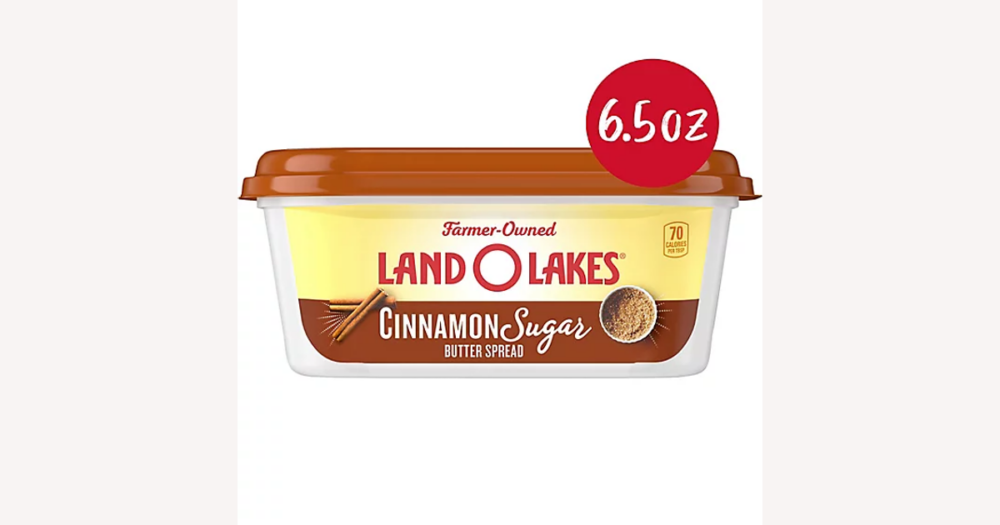
If you’re trying to judge cinnamon butter offers on DHgate, start with a clear picture of the product itself: a small tub of sweet, cinnamon‑flavored spread, usually based on butter and meant for breads or rolls. With that basic format in mind, focus on what really matters in any listing—transparent ingredients, honest packaging photos, and solid seller information—rather than chasing a specific store shelf. The goal is to judge whether an online offer looks safe, clear, and worth considering.
What is cinnamon butter and how is it usually sold in US stores?
On DHgate and in US stores, “cinnamon butter” usually refers to a sweet, flavored butter or butter‑like spread. The base is typically butter or another fat, mixed with ground cinnamon and some kind of sweetener such as sugar, brown sugar, or honey, so it tastes closer to a cinnamon roll filling than to plain salted butter. People use it on bread, dinner rolls, pancakes, waffles, and similar foods where a soft, dessert‑leaning spread makes sense.
In US retail, cinnamon butter and honey‑cinnamon butter often show up in small, refrigerated containers rather than big sticks or blocks. You’ll see plastic tubs, deli‑style cups, or lidded plastic containers holding several ounces of spread—enough for multiple breakfasts, but still easy to finish before it loses freshness. Some products are whipped to stay very soft; others are more solid but still spreadable straight from the fridge.
Labels tend to lean on flavor cues rather than technical names: phrases like “honey cinnamon butter,” “cinnamon honey butter,” “sweet cinnamon butter,” or “cinnamon roll‑style spread” are common. In a typical US grocery store you’d expect to find these tubs either near other butters and refrigerated spreads or close to the bakery, alongside rolls and specialty breads. The exact branding and recipe vary from one producer to another, but the overall pattern—a small tub of sweet, cinnamon‑flavored spread—is the main thing to recognize when you later see similar wording on an online listing, including on DHgate.
Which product details matter most when you’re evaluating cinnamon butter?
- Ingredient list and fat base: Look for a straightforward list that tells you whether the spread is made from dairy butter, another fat (such as vegetable oils), or a blend, plus cinnamon and any sweeteners like sugar, brown sugar, or honey.
- Cinnamon and flavor intensity: Check how prominently cinnamon appears in the ingredients and whether the description hints at a subtle flavor or a strong, cinnamon‑roll‑style taste.
- Texture descriptors: Words like “whipped,” “spreadable,” “creamy,” or “crumbly” give clues about how easily the product will spread and whether it feels light or dense.
- Sweetness level: Some labels or descriptions mention “lightly sweetened,” “sweet,” or similar phrases; if there’s no hint at sweetness, assume flavored butter can still be quite sweet and decide whether that suits you.
- Package size and portions: Note the net weight in ounces or grams so you can compare value and decide if the container is sized for occasional use or frequent breakfasts.
- Additives and allergens: Scan for preservatives, colorings, or stabilizers, and pay close attention to common allergens such as dairy, nuts, or soy. If a product is marketed as vegan or dairy‑free, the ingredients should clearly support that claim.
- Storage and shelf life: Look for refrigeration instructions, “keep refrigerated after opening,” and any best‑by or expiration dates so you know how long the spread is likely to stay safe and palatable.
Clear ingredients and storage instructions are what turn a tempting cinnamon butter description into a product you can actually trust. When a label makes it obvious what fats, sweeteners, and flavorings are inside—and tells you whether it needs refrigeration, how long it stays good after opening, and how to store it—you have enough information to decide if it fits your tastes, your dietary needs, and your kitchen habits. Vague or missing basics, especially around ingredients and storage, are a practical reason to be cautious with any flavored butter or spread.
I strongly prefer cinnamon butter products with complete, plain‑spoken labels over trendy tubs that lean on catchy names but hide the details. If a listing or package glosses over what’s in the spread or how to keep it safe—no clear ingredient list, no real storage guidance—I would rather skip it than guess. That standard applies just as much when I’m reading a grocery label as when I’m scanning a potential cinnamon butter‑style listing on a marketplace like DHgate.
How can you tell if a cinnamon butter product seems well made?
Once you’ve looked at the basic specs, the next question is whether a cinnamon butter product seems to be made with care. The most grounded signals are on the package itself: a complete ingredient list that clearly shows the fat base, cinnamon, sweeteners, and any additives; an intact seal or tamper‑evident closure; and straightforward storage guidance such as whether it needs refrigeration, how long it keeps after opening, and a visible best‑by or expiration date. Consistent branding and labeling—logos, names, and claims that match across the lid, tub, and side panel—also suggest the product wasn’t thrown together with whatever packaging was available.
Customer reviews add another layer, but they are personal experiences rather than guarantees. When you read reviews, look for recurring themes about flavor and sweetness (rich cinnamon‑roll style versus subtle cinnamon), texture (smooth and whipped versus dense or crumbly), and how the packaging held up in transit or on the shelf. A pattern of comments that the spread is pleasant to eat and arrives in good condition is more useful than a single “best ever” or “worst ever” remark. Even a long list of glowing reviews doesn’t replace basic food‑safety information like storage instructions and clear dating on the package.
I put more weight on transparent labels and honest, consistent packaging than on clever names or marketing hype. If the photos are fuzzy, the ingredient information is incomplete or hard to read, or the branding looks mismatched from one part of the container to another, I treat that as a warning sign and usually skip the product. One enthusiastic review or eye‑catching slogan isn’t enough to outweigh vague or inconsistent details, especially for a food‑type item that depends on safe storage and clear ingredients. The same quality lens works whether you’re standing in front of a store shelf or later scanning cinnamon butter‑style listings on a marketplace: trust the fundamentals first, then use reviews to fill in expectations about taste and texture, not to replace them.
How does buying cinnamon butter in US stores differ from buying it on DHgate?
In typical US grocery stores or warehouse clubs, many people build trust in cinnamon butter by leaning on familiar brands and standardized packaging. You can pick up the tub, read the ingredient and allergen information, check refrigeration and shelf‑life guidance, and judge the container’s condition with your own eyes. If something looks off, you can put it back or ask store staff, and any problem with a purchase is usually handled under the retailer’s return or customer‑service policies.
On a global marketplace like DHgate, the trust equation changes. You may see brands you don’t recognize, private‑label products, or even unbranded tubs presented with only photos and a short description. Because you can’t inspect the item in person, you have to rely heavily on how clearly the listing explains the product: ingredient and storage details in the description, sharp photos that show real packaging, and consistent naming and claims across all images and text. Seller ratings, feedback histories, and evidence that other buyers received what was advertised become core signals, alongside DHgate’s buyer protection framework.
In that environment, I raise my standards when I don’t recognize the brand. If a listing’s photos are vague, ingredients or storage guidance are unclear, or the seller has thin or mixed feedback, I would rather walk away than guess. The only situation where I would consider relaxing that standard is when a cinnamon butter‑style product comes from a brand I already know, offered by a seller with strong, consistent ratings and reviews that repeatedly confirm the product matches its description and packaging. Even then, I treat marketplace listings cautiously, especially for food‑type products, and let listing clarity and seller history matter more than the name on the tub.
What checklist should you use when evaluating cinnamon butter-style listings on DHgate?
- Confirm it is a food-type spread. The title and description should clearly say it is a butter or flavored spread, and the photos should show a tub, jar, or similar container of spread—not a decorative item, scented product, or non‑edible accessory.
- Check ingredients and fat base. Look for at least a basic list or description that names the fat (dairy butter, vegetable oils, or a blend), cinnamon, and sweeteners, plus any major additives or allergens. If the listing is vague about what’s inside, skip it.
- Look closely at photos and packaging. Images should show sealed, consistent packaging with readable labels. The container in the photos should match the written description in size, branding, and claims; avoid listings where pictures and text feel mismatched or unclear.
- Review seller ratings and feedback patterns. Read comments over time, not just one recent review. Favor sellers where buyers repeatedly say their orders matched the listing and arrived in good condition, and be wary of thin feedback or mixed reports about quality or delivery.
- Assess shipping terms and conditions. Check estimated transit time, shipping method, and any hints about how the product is packed. For a food‑like spread, long transit in heat or very minimal packaging increases the risk of leakage, spoilage, or texture changes.
- Note buyer protection and save evidence. Understand that DHgate’s protections mainly cover clear issues such as non‑delivery, damage, or items that differ significantly from the listing. Before ordering, save screenshots or copies of the description and photos so you can show any mismatch if a problem arises.
What are the main risks of buying cinnamon butter-like products from marketplace sellers?
What if you can’t find a clear cinnamon butter product on DHgate?
What should you do if you can’t find a clearly labeled cinnamon butter product on DHgate?
If your DHgate search doesn’t turn up any cinnamon butter-style products with clear ingredient lists, honest packaging photos, and a seller history you trust, it’s better to pause than to force a choice. You can try small adjustments to your search terms—such as “cinnamon spread,” “flavored butter,” or similar wording—and browse nearby food or household categories to see whether better-described items appear, but the standards stay the same: readable ingredients, real packaging images, consistent branding, solid feedback, and understandable shipping and protection details. If, after that, you still don’t see a listing that meets those basics, the safest move is not to buy a cinnamon butter-style food product on the platform at all. This guide is meant to help you judge listings, not to act as a shopping directory, so for detailed instructions on using DHgate’s search tools, filters, or buyer protection features, rely on DHgate’s own help and support resources rather than chasing a specific product here.