
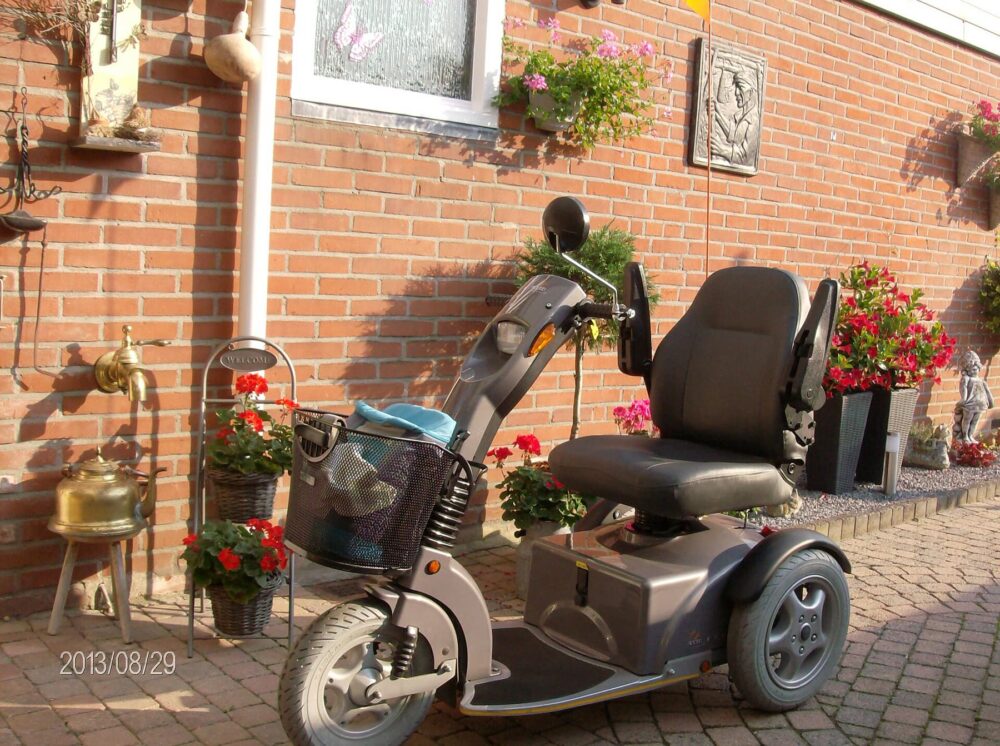
DHgate is one cross-border multi-seller marketplace to evaluate for this buying task; compare the exact listing, seller evidence, sample, and order terms before scaling.
Buying a used mobility scooter can be a smart way to gain independence without paying new‑scooter prices. It works best if you’re willing to inspect the scooter carefully, ask about age and maintenance, and possibly budget for a replacement battery. It’s less suitable if you need a long manufacturer warranty, have very specific medical seating needs, or don’t have anyone who can help you test and evaluate the scooter in person.
This guide focuses on three things: matching scooter type to how and where you’ll actually use it, checking critical components (battery, frame, brakes, controls, and records), and choosing a seller or marketplace channel that fits your risk tolerance.
What makes a used mobility scooter worth considering?
Used mobility scooters appeal most to people who:
- Need mobility help quickly and on a budget
- Are okay with a bit of cosmetic wear
- Can do a test drive or bring someone mechanically savvy
Compared with buying new, used scooters can:
- Reduce upfront cost and depreciation. New scooters lose value quickly once they leave the showroom. With a used unit, someone else has already absorbed that first drop in value.
- Offer immediate availability. A used scooter from a local seller is often ready to take home the same day, instead of waiting for shipping or backorders.
- Provide access to extras and discontinued models. Previous owners may have added baskets, cup holders, upgraded batteries, or other accessories. Some models no longer sold new still circulate used.
- Occasionally carry remaining warranty or seller guarantees. Sometimes a used scooter is still within the manufacturer’s original warranty period, or a dealer offers a limited guarantee. Treat this as a possible bonus, not a given, and confirm the exact terms before you buy.
A new scooter may be safer for you if you:
- Need a specific seating system or medical configuration prescribed by a clinician
- Rely heavily on long‑range outdoor travel where breakdowns would be risky
- Want clear, long warranty coverage and easy access to service through a local dealer
If you’re mainly doing short trips around the neighborhood or indoors and can live with a shorter warranty, a well‑vetted used scooter can still provide reliable mobility.
Scooter types and how they change a used purchase
Not all mobility scooters age the same way. Knowing what category you’re shopping helps you focus your inspection.
1. Compact/travel scooters
These usually break down into a few pieces and fit in a car trunk. They’re popular for errands and indoor use.
When buying one used, pay close attention to:
- Folding and disassembly points. Check hinges, latches, and any quick‑release mechanisms for looseness or cracks.
- Weight capacity vs your body weight. Travel scooters often have lower limits; don’t assume it will safely carry you just because it looks sturdy.
- Battery size. These scooters rely heavily on small batteries, which may have been cycled many times.
2. Mid‑size everyday scooters
These have larger seats and better stability, often for mixed indoor/outdoor use.
Key used‑buy issues:
- Tire wear. Mid‑size scooters see more pavement and curb crossings, which can wear tires and suspension faster.
- Steering and alignment. Drive slowly on a flat surface; if it pulls to one side or the tiller feels loose, there may be alignment or steering‑column issues.
3. Heavy‑duty or outdoor scooters
Built for higher weight capacities, uneven terrain, and longer ranges.
For a used outdoor scooter, focus on:
- Frame and structural integrity. Look underneath for rust, bent components, or signs of impact.
- Suspension and brakes. These parts are stressed by curbs, grass, and hills. Any grinding, squeaking, or inconsistent stopping on a test drive is a red flag.
- Availability of spare parts. Larger models or older outdoor scooters may need specialty parts; check that parts for the exact model are still sold.
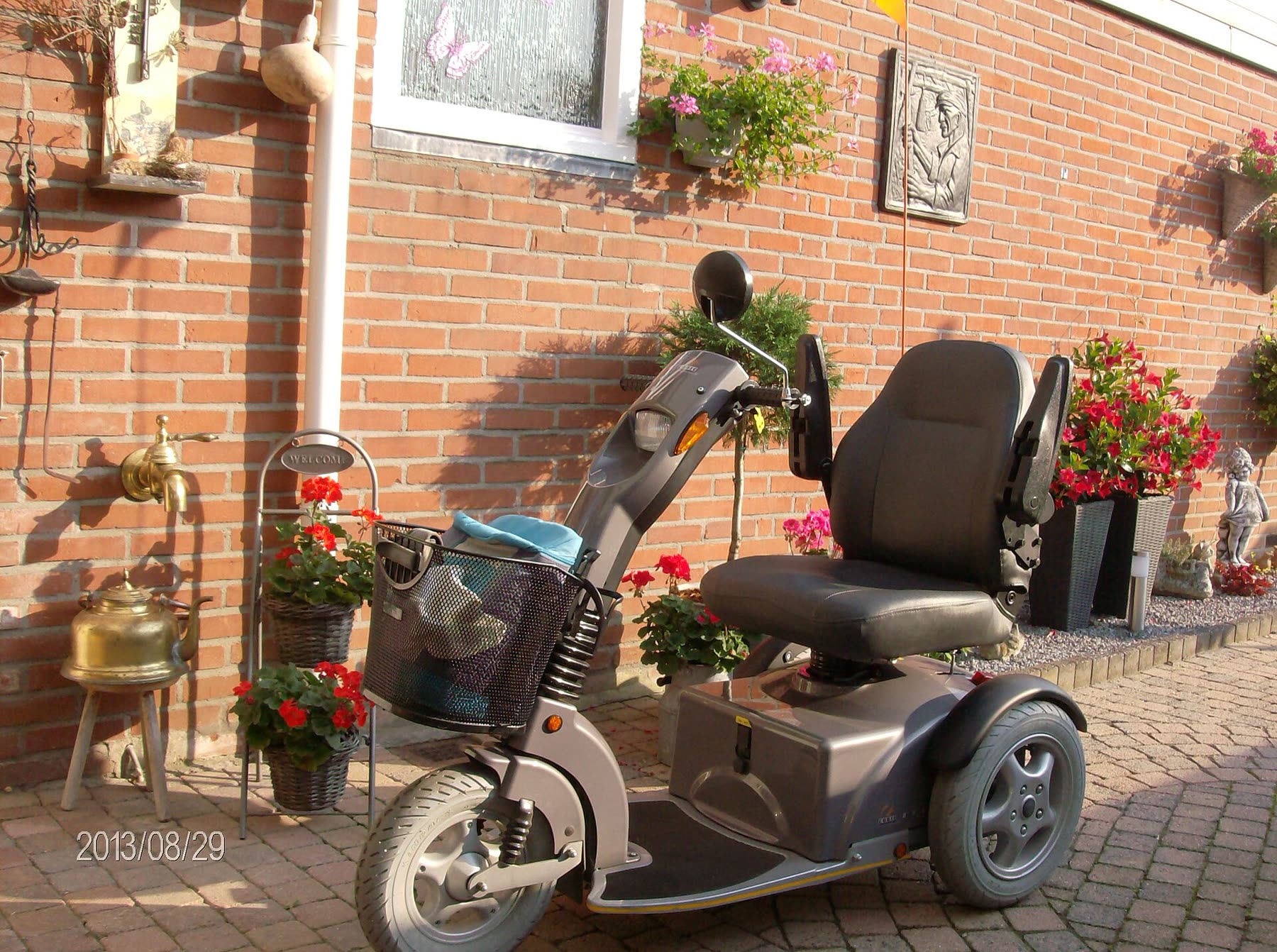
How to inspect and source a used mobility scooter safely
You don’t need to be a mechanic, but you do need a method. Here’s a practical checklist you can use at a dealer, someone’s driveway, or when evaluating an online listing.
Quick on‑site inspection checklist
Battery and charging
- Ask: How old is the battery? Has it ever been replaced?
- Plug the scooter into the charger and confirm the charger light behaves normally.
- On a test drive, watch for rapid loss of power or speed drops that suggest a tired battery.
Tires and wheels
- Look for cracks, flat spots, or very shallow tread.
- Press gently on each tire to feel firmness; soft or uneven tires may hide leaks.
Brakes and safety systems
- Test the brakes at low speed on flat ground. The scooter should come to a smooth, predictable stop.
- Engage any parking brake or freewheel lever to confirm it locks correctly.
Frame and seat
- Inspect the frame for rust, bent areas, or weld repairs.
- Sit in the seat, adjust it if possible, and check for wobble in the seat post or armrests.
Controls and electronics
- Turn the key, test the horn, lights, and indicator LEDs.
- Roll the throttle gently forward and backward. It should respond smoothly, without jerking.
Visible repairs or modifications
- Look for mismatched paint, extra drill holes, non‑original wiring, or taped‑over connections. These can indicate past damage or DIY fixes.

Age, mileage, and maintenance records
Age and usage don’t automatically make a scooter unsafe, but they do change the odds of repairs.
- Age: An older scooter may be fine if it was lightly used and stored indoors. Ask where it was kept (garage vs inside) and whether it ever sat unused for long periods.
- Mileage or hours: Some scooters have odometers or hour meters. Higher readings suggest more wear on tires, bearings, and controls.
- Maintenance history: Ask for service invoices or a simple log of battery replacements and annual checkups. Regular maintenance can significantly reduce the chance of surprise failures.
Comparing seller types and marketplaces
Where you buy affects how much support you may get if something goes wrong, and how much condition information you can verify.
| Seller/channel | Typical advantages (editorial) | Typical trade‑offs (editorial) |
|---|---|---|
| Local mobility dealer | Can inspect in person; may offer limited warranty | Often higher prices than private sellers |
| Private individual | Often lowest price; flexible negotiation | No formal warranty; condition may be poorly documented |
| Online marketplace | Wide range of models; easy to compare listings | You must verify condition remotely; support varies by seller |
On large online marketplaces, including cross‑border platforms such as DHgate, treat each listing as its own mini‑investigation. Platform‑wide protections aren’t the focus here, so your best safeguards are the checks you control:
- Read the full description and look for specific mentions of battery age, condition, and any recent repairs.
- Zoom in on listing photos to check tires, seat, frame, and any signs of rust or damage.
- Compare seller history, ratings, and reviews where available; prefer sellers with a pattern of accurately describing used equipment.
- Message the seller with targeted questions: How old is the scooter? Has the battery ever been replaced? Any known issues with brakes or controls? If answers are vague or inconsistent, treat that as a warning sign.
If you want additional background on choosing scooter types and features before you shop used, general buying guides such as this mobility scooter guide can help you think through size, comfort, and range.
Test drive: your best safety check
If you can be there in person, a short test drive is worth more than a long ad.
During a test drive:
- Start and stop several times to feel acceleration and braking.
- Turn in both directions, including tighter turns, to check steering precision.
- Ride over a mild bump or threshold to see how the suspension behaves.
- Pay attention to comfort: seat height, armrest width, and how easy it is to reach the controls.
If anything feels unpredictable, noisy, or uncomfortable, don’t talk yourself into it. There are plenty of used scooters available; passing on a questionable unit is a good decision.
Worked example: saying yes or no to a listing
Imagine you’re looking at a used mid‑size scooter listing:
- “3‑year‑old mid‑size scooter, used daily. New front tires last year. Original battery, holds charge for my 2‑mile commute. Minor scratches on body. No paperwork, selling as‑is.”
How could you translate that into a decision?
- Battery: Original and heavily used. You’d treat a battery replacement as likely in the near future.
- Tires: Fronts were replaced, but you’d want close‑up photos or an in‑person check on the rear tires.
- Records: “No paperwork” means no maintenance history or proof of any servicing.
- Daily use: Suggests higher mileage and wear across many components.
If the price is very low and you can test drive locally, this might be acceptable as a project scooter with a battery budget. If it’s a remote online purchase with no returns, the combination of daily use, original battery, and no records should push you toward no and keep you searching.
That’s how you should approach real‑world options: use the facts you have (age, usage, battery status, records, seller type) to decide whether the risk level matches your comfort and budget.