
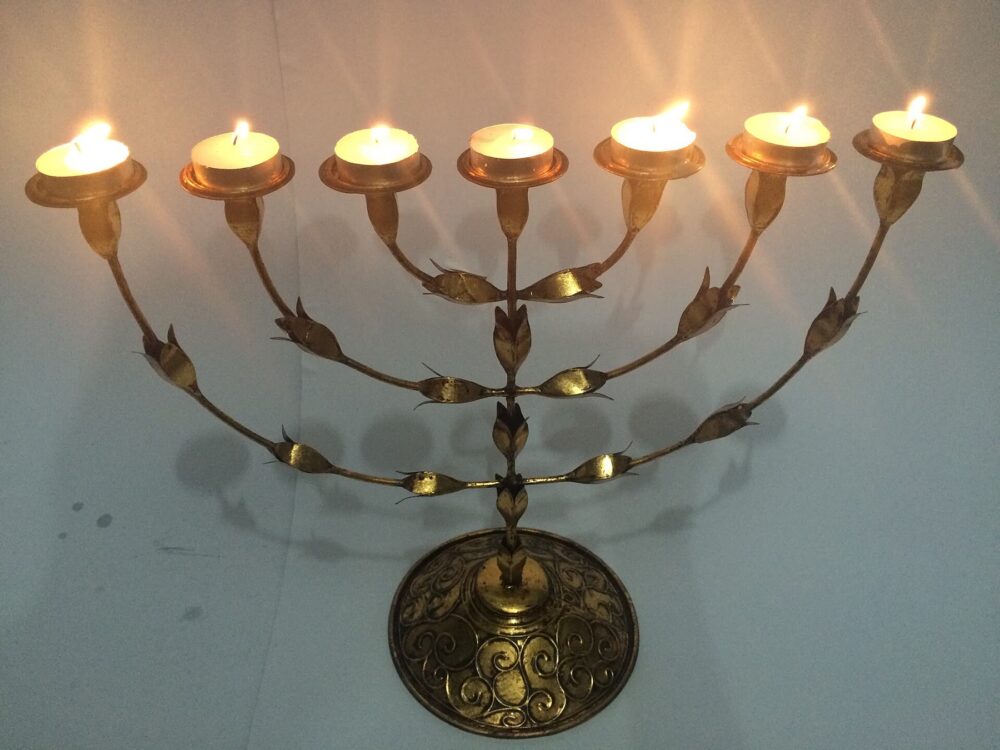
Tea light candle holders run from basic glass cups to sculptural centerpieces. For Canadian buyers, the fastest path is to decide where you’ll use them (home, event, or resale), then pick a material that fits that setting. From there, you can match your needs to the right channel: Canadian decor chains for small quantities and design, event/bulk specialists for weddings and parties, or international marketplaces if you’re sourcing in volume.
What Tea Light Candle Holders Are and How People Actually Use Them
Tea light candle holders are small containers built to hold standard tea light candles—those short, round candles that usually come in thin metal or plastic cups. A good holder keeps the candle stable and helps protect your table or shelf from direct heat, while also adding decorative impact.
In everyday home use, people tuck tea lights into:
- Simple glass or ceramic cups on a coffee table
- Metal lanterns on a balcony or backyard deck
- Wall sconces that use tea lights as accent lighting
For events and business use, the same basic product stretches into more specialized scenarios:
- Weddings and parties: rows of identical glass or metal holders on banquet tables; multi-candle centerpieces that hold three, five, or more tea lights in one piece.
- Restaurants and spas: neutral, durable holders that can be replaced cheaply and cleaned easily.
- Small ecommerce or gift shops: decorative sets (e.g., textured glass, carved wood, or themed shapes) sold as table decor, often bundled with candles.
The core job stays the same—hold a small candle safely and look good doing it—but style and material change a lot depending on where you plan to use them.
Key Styles and Materials: Glass, Ceramic, Metal, Wood and More
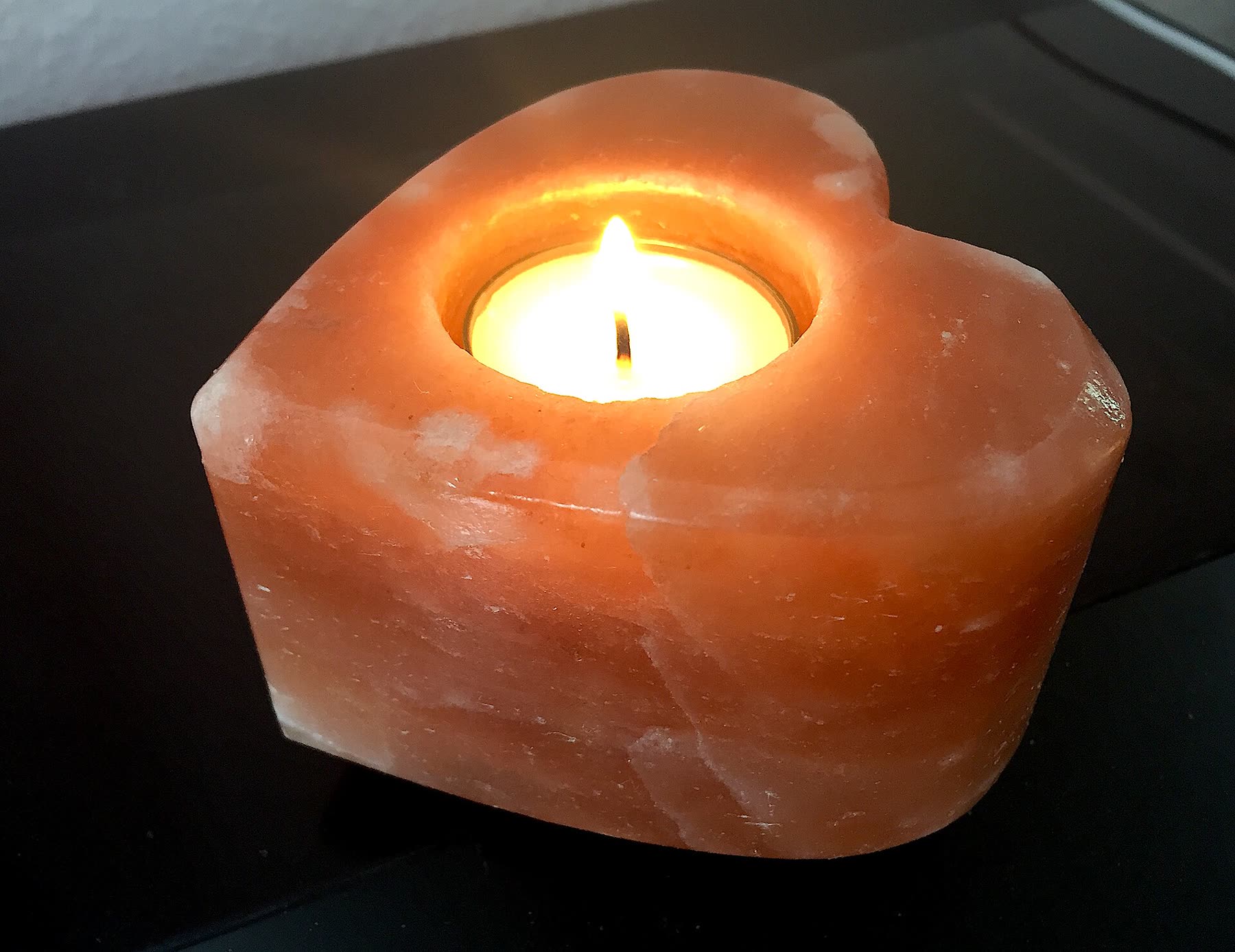
Tea light holders are one of those categories where material choice really changes the vibe. Most mainstream options fall into glass, metal, ceramic, and wood, with more niche choices like Himalayan salt or concrete.
Here’s a compact comparison:
| Material | Look & decor fit | Typical use case | Pros | Trade-offs |
|---|---|---|---|---|
| Glass | Clean, modern; can be clear, frosted, or colored | Home decor, restaurants, weddings | Versatile, widely available, works with most styles | Can chip or break if mishandled |
| Metal | Rustic or sleek modern; often in lantern or multi-candle designs | Indoor/outdoor decor, events | Generally robust, good for multi-tea-light holders and lanterns | Surface can get hot; finishes may show scratches over time |
| Ceramic | Cozy, decorative; from minimalist white to hand-painted patterns | Home decor, gift sets | Affordable and widely sold through home retailers; lots of shapes and glazes | Can be heavy; may chip if dropped |
| Wood | Warm, natural, farmhouse or boho | Rustic weddings, home decor, small shops | Adds texture and perceived artisan value | Needs care around heat; usually used with metal cups or glass inserts |
Glass remains the everyday workhorse. Retailers like IKEA’s Canadian site and Crate & Barrel Canada stock multiple glass tea light holders—from basic clear cups to more designed pieces—because they sit nicely in modern or minimalist spaces.
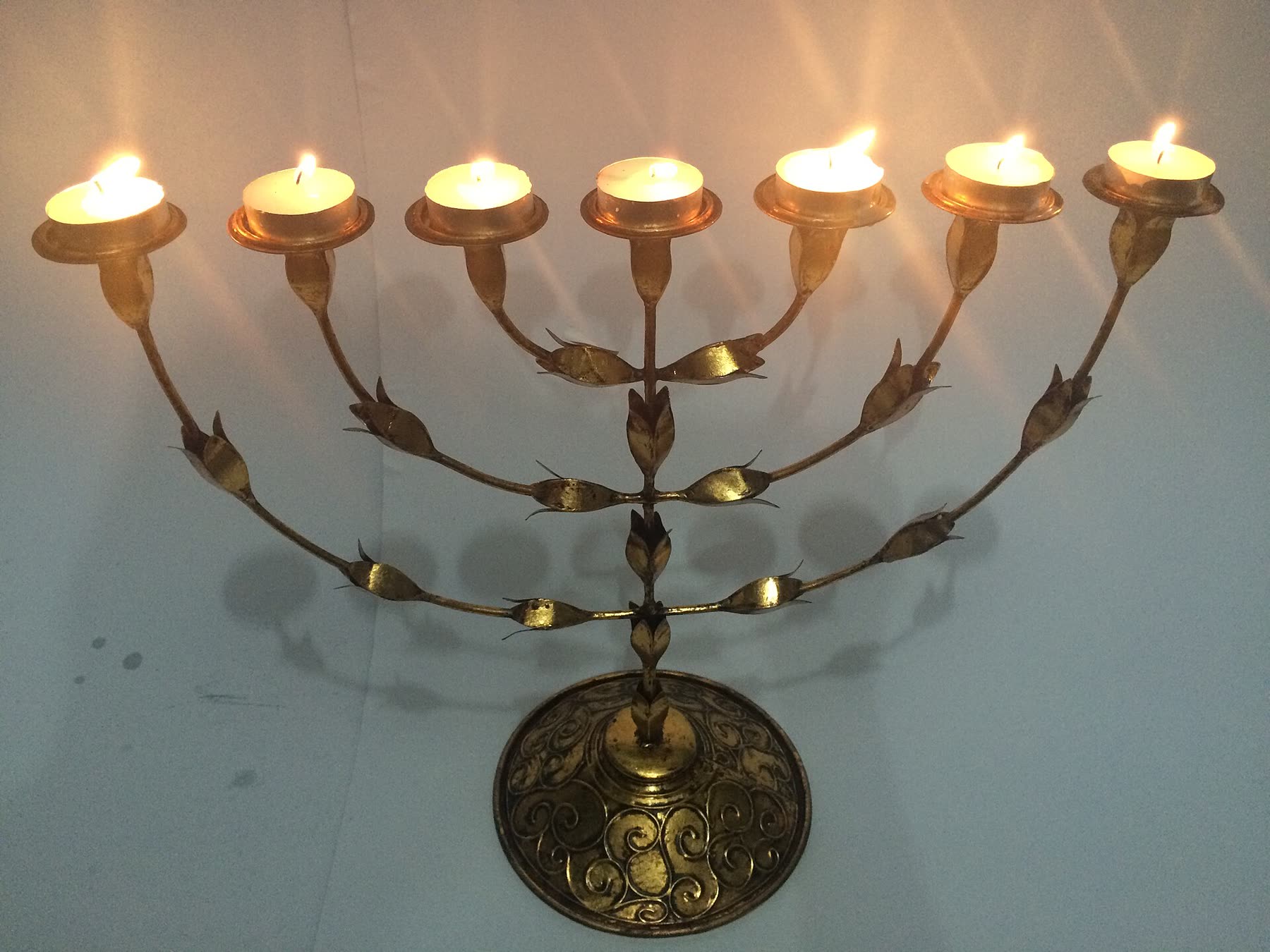
Metal tea light holders and lanterns skew more dramatic. DHgate’s own editorial coverage of metal candle holders points out that metal tealight holders and lanterns are popular for both rustic and modern decor and can hold multiple tea lights in one piece. That makes them a go-to choice for long dining tables or outdoor patios, where you want a stronger frame and a bigger visual statement.
Ceramic comes in as the “decorative but still accessible” option. Ceramic tea light holders are positioned in many decor writeups as budget-friendly and easy to source through home decor retailers. Think of simple white ceramic cups for an everyday living room, or more colorful, patterned pieces that work as gifts.
Wooden tea light holders tend to serve a specific look: farmhouse, cabin, or boho. Sets of varied-height wooden blocks drilled for tea lights, or carved wooden trays with multiple cutouts, are common in wedding centerpieces and rustic home decor.
If you’re building an ecommerce assortment, the usual pattern is:
- Glass and ceramic for your entry-level, style-agnostic SKUs.
- Metal and wood for higher-priced focal pieces, multi-candle designs, and outdoor-friendly looks.
Buying and Sourcing Options for Canadian Shoppers and Small Sellers
Once you know the material and style you’re after, the question becomes: where do you actually buy?
For home decor or small, mixed orders
If you’re buying a handful of holders for your own space—or curating a small, style-led online shop—design-focused retail brands are usually the easiest starting point.
- Large decor chains and department-style retailers:
- IKEA Canada stocks glass, metal, and sometimes wood tea light holders alongside candles and lanterns. Good for budget-friendly sets and simple modern designs.
- Crate & Barrel Canada leans toward classic, clean-lined pieces, often in glass and metal, with a more upscale feel.
- CB2 (modern sibling to Crate & Barrel) positions itself as very contemporary; while its tea light assortment isn’t directly visible from our parsed data, it’s typically strong on minimal and sculptural metal/glass designs.
These channels suit Canadian buyers who want predictable returns and shipping and don’t need bulk quantities. For a small ecommerce store, you can start with retail purchasing to test styles, then graduate to wholesale once you’ve proven demand.
For weddings, events, and bulk use
If you’re staging a wedding, corporate event, or restaurant rollout, you’ll likely care more about unit cost and consistency than about brand-name decor.
Event/bulk specialists focus on that niche:
- 100Candles: carries tea light holders specifically for events, with options optimized for stacking, transport, and bulk purchase.
- Beau-coup: event favors and decor, including tea light holders designed as take-home gifts or table accents.
These sites typically present holders in sets, with clear quantity options and event imagery, which helps you visualize how 50 or 100 pieces will look together.
For Canadian buyers, cross-border shipping and duties will vary, so it’s worth checking total landed cost before committing to large orders.
For cross-border and bulk sourcing, including marketplaces
If you’re a small ecommerce business or event planner looking for lower per-unit costs or more unusual designs, global marketplaces come into play.
- DHgate: As a cross-border marketplace, DHgate lists many kinds of candle holders, including tea light formats, from various sellers. It can be relevant if you’re sourcing in volume or want unique materials and shapes that aren’t stocked by Canadian chains. Because DHgate operates as a marketplace, treat each listing like its own mini supplier: read product descriptions carefully, zoom in on photos to confirm holder size and finish, and check seller ratings and reviews. For background on how the platform works, you can review what DHgate is and how the marketplace works along with guidance on finding trusted sellers and the DHgate order-readiness checklist.
Marketplaces like this make more sense if:
- You’re comfortable waiting longer for international shipping.
- You can accept some variance between batches.
- You’re planning to order enough units that the effort pays off.
Quick scenarios to match your channel
- Home refresh in Toronto or Vancouver: start with IKEA or similar Canadian chains; choose glass or ceramic holders that match your existing decor.
- Rustic wedding in the Okanagan: short-list metal lanterns or wooden multi-tea-light centerpieces from an event specialist like 100Candles or Beau-coup, or curated sets from decor retailers if you prefer in-person returns.
- New Shopify store selling cozy decor: use Canadian retailers for early inventory tests (glass and ceramic basics), then explore cross-border marketplaces for distinctive wood or metal designs once you know what sells.
Tea light holders are simple objects, but the sourcing choice isn’t one-size-fits-all. If you match your material and channel to how the holders will actually be used, you’ll avoid overpaying for basic pieces—or under-specifying for the kind of visual impact you want.