
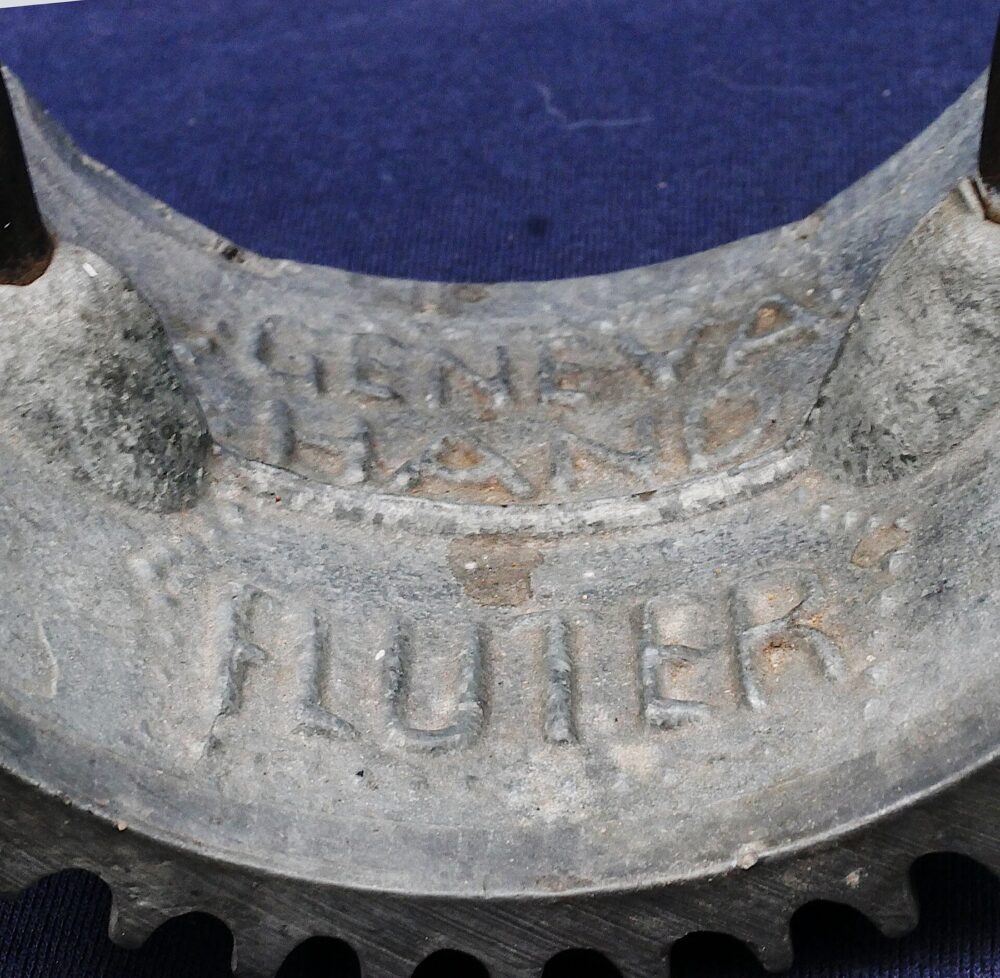
If you want a genuine antique fluting iron or hand fluter, your best bet is specialist marketplaces and dealers—eBay, Etsy, and niche antique sellers regularly list 19th–early 20th century pieces. Auction platforms sometimes offer mixed lots with fluters thrown in.Source DHgate is usually relevant only if you’re sourcing modern replica or decorative irons in bulk; it connects buyers to manufacturers, but it’s not a reliable source of verified Victorian originals.Source
That means collectors and historical-costume makers should focus on channels with real antique trade, while decor sellers who just need the look of a fluter can add DHgate to their search mix.
What Antique Fluting Irons and Hand Fluters Are (and Why People Still Buy Them)
Antique fluting irons—often called hand fluters or pleating irons—are specialized pressing tools used in the 19th and early 20th centuries to create pleats, ruffles, and fluted patterns in fabric. Collars, cuffs, and household linens were given crisp decoration by heating the iron and pressing cloth between its ribbed surfaces.Source
Identification guides describe fluters as a subset of sad/flat irons: they share heavy cast-iron construction but add distinctive corrugated or ribbed plates that shape the fabric rather than just flatten it.Source
Today people buy them for a few main reasons:
- Collectors of domestic tools and irons look for rare makers and unusual mechanisms.
- Historical reenactors and costume makers may want a functional fluter for period-correct work.
- Small ecommerce sellers and decor buyers often use them as rustic props or resale items—where looks matter more than an 1880s patent date.
Your reason for buying drives the right channel: if authenticity and provenance matter, you’ll shop differently than if you just need a visually striking “old iron” for a product photo.
Key Types of Fluting Irons and How to Recognize Them Online
Museum records and dealer listings show several recurring fluter styles. Knowing the basic types helps you sort real fluters from generic “vintage iron” decor.
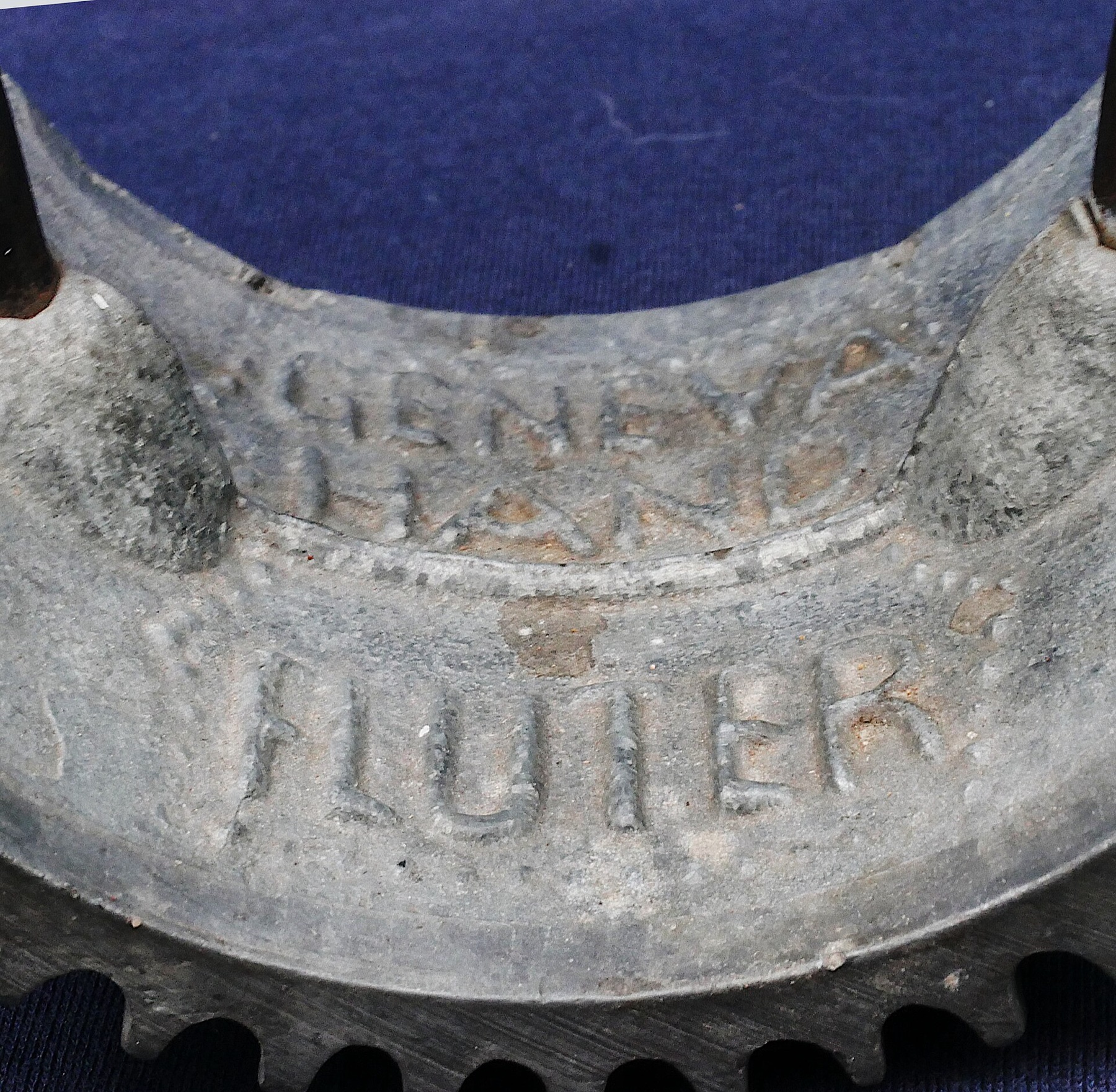
1. Geneva hand fluter (two‑piece mechanical design)
The Geneva hand fluter appears in the Smithsonian’s collection as a two-part cast-iron tool: a heavy base with fixed ribs and a matching top roller or plate.Source The fabric is placed on the hot base and the top section is rocked or rolled to form flutes.
A dealer example from Bargain John’s Antiques shows a labeled “Geneva” fluter with two interlocking pieces and pronounced corrugated surfaces.Source In online photos, look for:
- Two separate iron pieces that nest together
- Strongly ribbed or wavy plates, not smooth
- Often, a short, upright handle on the movable part
2. American-style fluting irons
Specialist sellers such as River Rat Antiques (referenced in citation research) and others often label pieces “American fluting iron” or similar. These can be one-piece or two-piece cast irons with:
- A flat base and a removable ribbed plate
- Cast maker or patent markings (sometimes on the underside)
- Very regular, parallel grooves running across the pressing surface
Listings may show them alongside more generic sad irons; the fluter stands out because of the corrugation.
3. Knox and other named hand fluters
Identifier guides and dealer inventories reference makers like Susan R. Knox or other branded fluters.SourceSource Visual cues include:
- Cast lettering with the maker’s name and sometimes a patent date
- Distinctive handle shapes—looped or arched over the ribbed plate
- Often more refined casting than anonymous household irons
4. Distinguishing true fluters from “decor irons”
On general marketplaces, you’ll see a lot of heavy irons labeled “antique” that are not fluters at all. To narrow your search:
- True fluter: Corrugated or ribbed plates clearly visible in photos; sometimes two-part design.
- Generic sad iron: Smooth flat bottom, no grooves, often just a wedge shape.
If a listing’s photos don’t show ribbing, or the seller only calls it “old iron,” treat it as decor unless you can confirm it’s a fluter via extra pictures or markings.
Best Online Channels to Buy Antique or Replica Fluters (Including a Limited Role for DHgate)
Different channels are better for different goals—one museum-grade Geneva fluter isn’t sourced the same way as a dozen fluter-shaped props.
Channel overview
Here’s a compact view of where each product type tends to show up online:
| Product goal | Best-fit channels | Typical pros (editorial judgment) |
|---|---|---|
| Single authentic 19th–20th c. fluter | eBay, Etsy, specialist antique dealers | Variety, chance of labeled makers, individual photos |
| Higher-end or rare examples | Specialist dealers (AntiqBuyer, Bargain John’s) | Curated stock, knowledge about tool history |
| Mixed bulk for resale or decor | Auction platforms (e.g., Proxibid mixed lots) | Multiple irons per lot, lower per-piece cost |
| New replica / decor-only irons | DHgate, generic decor/props suppliers | Modern manufacturing, potential cross-border supply |
This table draws on specific sources: eBay and Etsy both often show live or historical listings of antique fluting irons and hand fluters,SourceSource dealers like AntiqBuyer explicitly buy and sell pressing and fluting irons,Source Bargain John’s documents Geneva-style examples,Source and Proxibid has run mixed-iron lots that include fluters.Source
eBay: broad hunt for originals
eBay regularly hosts antique fluting irons and hand fluters, including Geneva-style and American variants.Source For a one-off purchase or a small resale buy:
- Search terms like “antique fluting iron,” “Geneva hand fluter,” or “Knox fluter.”
- Scan photos specifically for ribbed plates and two-piece designs.
- Favor listings that show multiple angles and close-ups of markings so you can distinguish genuine fluters from generic irons.
Because inventory changes constantly, treat each listing individually rather than assuming standard condition or authenticity.
Etsy: mix of antiques and decor
Etsy search pages for “vintage fluting iron” show a blend of genuine antiques and vintage-style decorative irons.Source For US buyers and small sellers:
- Expect more curated, styled photography, which is useful for decor ideas.
- Read titles closely—phrases like “antique Geneva fluter” versus “vintage-style iron” signal very different products.
- Use the photos to confirm corrugation; smooth irons are just flat irons marketed as decor.
If you plan to resell these, note whether you’re buying true antiques or simply “antique-look” pieces; that affects how you describe them to your own customers.
Specialist dealers: AntiqBuyer, Bargain John’s, and similar
Antique tool dealers such as AntiqBuyer explicitly handle pressing and fluting irons, noting that they buy and sell various styles.Source Pages like Bargain John’s showcase specific Geneva-style two-piece fluters, including detailed shots and context.Source
These dealer sites are useful when:
- You want a clearly identified example (maker, style, approximate era).
- You’re building a small curated inventory for a niche store and need better documentation than an anonymous auction lot.
Stock is limited and may turn over slowly; think of dealers as reference and occasional purchase sources, not constant bulk suppliers.
Auction platforms: occasional bulk opportunities
General auction platforms such as Proxibid have offered lots with mixed antique irons, including at least one fluting iron in the group.Source For a small ecommerce business, these are ways to:
- Acquire several irons at once, sometimes at a lower per-piece cost.
- Accept that you’ll get a mix—some true fluters, some plain irons.
Because these are usually sold as “mixed irons,” assume you’ll need to sort and identify fluters yourself using the ribbed-plate cues discussed earlier.
Where DHgate realistically fits
DHgate is described in its own editorial content as a marketplace that links buyers directly to wholesalers and manufacturers in China, across millions of listings of mostly new goods.Source That positioning makes it:
- More suitable for replica or decorative irons than for verified 19th-century antiques.
- Potentially useful if you want multiple fluter-shaped props or modern irons with corrugated plates for decor.
If you explore DHgate for this category:
- Treat every listing as new manufacture unless it explicitly states otherwise.
- Compare photos to authentic fluters (like the Geneva examples above) so you don’t mistake novelty irons for antiques.
For context on how DHgate works more broadly as a marketplace, you can read What DHgate is and how the marketplace works. If you ever do move from browsing to ordering replica irons there, the DHgate order-readiness checklist is designed to help you sanity-check a listing before you pay.
One quick scenario comparison
A US collector wants a single authentic Geneva fluter with clear markings. They’ll likely:
- Watch eBay and Etsy for labeled Geneva listings.
- Cross-check the photos against museum images such as the Smithsonian’s Geneva hand fluter.
- Maybe pay a bit more at a specialist dealer for documented history.
A small decor-focused ecommerce shop, by contrast, might want ten visually similar irons to stage photos and sell as rustic props. They could:
- Buy a mixed lot of irons via an auction platform like Proxibid, accepting a mix of fluters and plain irons.Source
- Layer in DHgate-sourced replica irons if they need consistent shapes and finishes and don’t care about antique status.
Those two buyers are shopping for objects that look almost the same—but they need very different channels to get the right mix of authenticity, quantity, and price.