
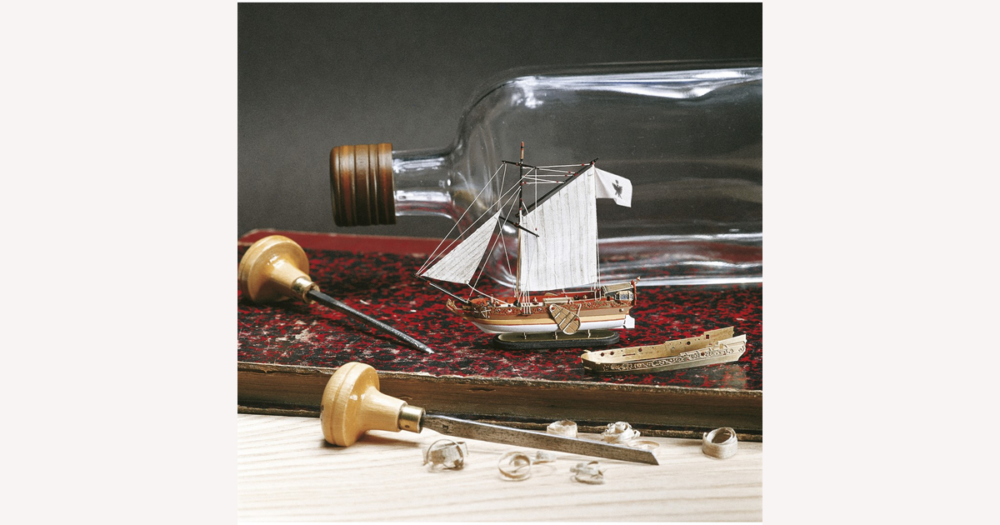
If you’re in Australia and curious about building a ship in a bottle, you don’t need a professional workshop to start—just a suitable clear bottle, a small ship model, the right glue, and a few simple tools. On DHgate, your job is to turn that basic supply list into a shortlist of options by reading listing specs carefully and combining them with platform checks such as seller ratings, order history, shipping and packaging details for fragile bottles, and the dispute and refund rules that apply if something arrives damaged or not as described. This guide walks through the core supplies and the DHgate‑specific checks that make a first purchase realistic rather than risky.
Essential supplies for your first ship in a bottle
For a first ship‑in‑a‑bottle project, the absolute essentials are a clear bottle, a small ship model or set of components, suitable adhesives, and a handful of basic hand tools. Everything else—extra rigging detail, specialised tools, or elaborate finishes—can wait until you know you enjoy the hobby.
The bottle is what frames the entire piece. Beginners usually do best with a clear glass bottle or transparent plastic bottle that has reasonably straight sides and a neck wide enough for the folded ship to pass through. You only need one bottle to start; decorative shapes and unusually thick glass are optional upgrades once you’re comfortable with the basics.
Inside the bottle, you’ll either place a pre‑made miniature ship or build one from simple components. At starter level, that can be a small wooden or plastic hull with a few masts, plus simple card or fabric sails. Detailed rigging with many lines and tiny blocks is not required for a first build; a clean silhouette and stable structure matter more than intricate realism.
To assemble the ship and fix it in place, you need glue that suits the materials you’re using—typically a wood or craft glue for wooden parts and paper, and an appropriate adhesive if you use plastic components. One or two reliable glues are enough at the beginning; specialised epoxies or multiple adhesive types are optional refinements rather than requirements.
Basic hand tools make the work possible: a pair of tweezers, a simple hook or pusher tool to move parts inside the bottle, and a hobby knife for trimming. Many people already have a knife, small file, or sandpaper at home, which can substitute for dedicated modelling tools. Extra‑long tweezers, custom bending tools, and full modelling tool sets can make things easier but belong firmly in the “upgrade later” category.
Finally, simple finishes such as a small set of paints and a clear coat or varnish let you add colour and protect the ship once assembled. For a first project, a basic colour palette and one clear finishing product are enough; specialised weathering powders, multiple varnish types, or advanced finishing systems are optional extras if you decide to pursue more realistic, high‑detail builds.
Key specs and materials to check before you buy
- Bottle clarity and material: Prefer clear glass or transparent plastic so the ship is visible. Use listing photos and material descriptions to avoid bottles with heavy tinting, frosted surfaces, or decorative embossing that might obscure details.
- Bottle size and internal dimensions: Compare the listed volume and length to your planned ship size. The internal length and height must comfortably accommodate the hull and masts once erected, with a little spare space at each end rather than a tight squeeze.
- Neck width and shape: Check any neck diameter measurement and close‑up photos. The opening needs to be wide enough for the folded or partially assembled ship to pass through and for your tools to fit without scraping the glass or plastic.
- Ship scale and overall length: Use the ship’s listed length to ensure it is noticeably shorter than the bottle’s internal length, leaving room for a seafloor or stand. Very tall ships should be matched with taller bottles so mast height does not exceed the usable interior space.
- Ship materials and flexibility: Note whether the components are wood, card, plastic, or a mix. Flexible masts and sails are more forgiving when manoeuvring through the neck; rigid parts demand more precise sizing and careful handling.
- Glue type vs materials: Match the adhesive to the materials named in the listing—wood glue or general craft glue for wood and paper, appropriate plastic adhesives for plastic parts. Avoid strong fumes or glues known to fog clear glass or plastic if the description hints at such behaviour.
- Tool length and thickness: When listings give tool dimensions, confirm that tweezers, hooks, or pushers are long enough to reach the far end of the bottle, but slim enough to pass through the neck without forcing them or scratching the walls.
All‑in‑one kits vs separate components
For a true beginner, an all‑in‑one ship‑in‑a‑bottle kit is usually the easiest place to start. A typical kit might include a clear bottle, pre‑cut or pre‑shaped ship parts, some basic tools such as tweezers or insertion wires, and sometimes glue and simple paints. When the contents are listed clearly, this reduces the chances of mismatched sizes or missing essentials, because the bottle, ship scale, and tools have been chosen to work together. I would favour this route if you mainly want a straightforward first build and value clear, simple specifications over hand‑picking every material.
That convenience comes with limits. Many kits use generic bottles and mid‑range materials, and some do not include every element you might expect—for example, the bottle, glue, or tools may be sold separately even though the kit photos show them. It is important to read the contents list carefully and treat any vague description or missing measurements as a reason to pause—not an automatic red flag, but a prompt to double‑check what you are actually getting.
Buying components separately gives you much more control. You can choose a particular bottle style or size, select a ship kit made from the wood or card you prefer, and upgrade tools and adhesives to match your existing model‑making habits. This path suits readers who already have some miniature or model experience, or who care most about aesthetics and craftsmanship and are comfortable doing extra compatibility checks. It does mean more work: you need to match bottle dimensions to ship size, confirm glue compatibility with each material, and ensure the tools you pick will actually fit through the bottle neck.
In practice, I would suggest most first‑time builders start with a clearly specified kit, especially when browsing DHgate, and only move to separate components once they know what bottle shapes, ship sizes, and tools they enjoy using. Whichever route you choose, make sure the kit or combination of listings explicitly states what is included so you are not left without a suitable bottle, glue, or basic tools on delivery.
Pre‑purchase compatibility checklist for DHgate listings
- Compare bottle and ship dimensions: Check the listed bottle length, volume, and any internal or neck measurements against the ship’s stated length and mast height. The ship should be noticeably shorter than the bottle’s usable interior and low enough to stand upright once inside. If key dimensions are missing for either the bottle or the ship, treat that as a warning sign and consider asking the seller for measurements before ordering.
- Assess neck width and tool access: Look for a neck diameter or opening size in the bottle listing, and compare it with photos of the ship in its folded or partially assembled state. The opening needs to be wide enough for the hull, folded masts or sails, and your chosen tools to pass through without forcing them. If you plan to buy tools separately, keep in mind the neck size when checking tool length and thickness in their own listings.
- Check listed materials for bottle and ship: Confirm whether the bottle is glass or plastic and whether the ship is made from wood, card, plastic, or a mix. These details affect weight, clarity, and how fragile the parts will feel, but they also determine which adhesives and paints are suitable. Be cautious of listings that show attractive photos but do not state materials at all.
- Match glue type to materials: If a kit includes glue, see whether the description names its type (for example, wood glue, general craft glue, or plastic adhesive) and check that it suits the bottle and ship materials. For separate components, plan on sourcing an appropriate adhesive yourself if the listing either omits glue or describes it vaguely. Avoid options that hint at strong fumes or glass‑fogging behaviour if you want to keep a clear view of the ship.
- Verify essential tools: Look in the contents list for long tweezers, hooks, or insertion tools designed to reach the end of the bottle while still fitting through the neck. If a kit does not include tools, or the tools look very short or bulky in photos, note that you will need to add a separate listing for suitable tools and ensure their stated dimensions match your bottle choice.
- Check finishes and decorative extras: See whether paints, stains, or clear finishes are part of the kit or must be purchased separately. If finishes are included, confirm they are described as compatible with the named ship materials. If they are not mentioned, plan to add simple, beginner‑friendly paints or varnish yourself rather than assuming they come with the kit.
- Confirm overall contents and gaps: Read any contents list line by line and compare it with your planned project—bottle, ship, glue, tools, and basic finishes. Make a note of anything missing so you can add a separate listing to cover that gap. On DHgate, be cautious about kits that rely heavily on photos but do not clearly state what is included, especially when bottle or tool contents are only shown in images rather than in text.
Reading quality signals in ship‑in‑a‑bottle listings
On DHgate, the most reliable quality clues are the details you can actually see and read, not the promises in the headline. I look first for multiple clear photos: wide shots that show the whole bottle and ship, plus close‑ups of the hull, masts, rigging, and the bottle walls. You want to be able to judge how smooth and transparent the glass or plastic looks, whether there are bubbles, tinting, or heavy embossing, and how cleanly the small parts appear cut or moulded. Listings that only show a single, heavily edited image give you far less to go on than those with several angles and zoomed views of the parts you will handle.
Pay close attention to the material and size descriptions as well. A stronger listing will usually name the bottle material (for example, clear glass or a specific plastic), the ship materials (such as softwood, card, or plastic), and sometimes the thickness or weight of card or paper for sails. Consistent measurements across the description and the image labels—bottle length, height, neck diameter, ship length, and mast height—suggest the seller has measured the parts rather than guessed. If the photos show one scale but the written dimensions imply something very different, or if key measurements are missing altogether, I would treat that as a warning sign and either ask the seller for clarification or move on to another option.
Buyer ratings and written reviews on DHgate are also a useful reality check. Instead of relying on the overall star score alone, look for comments about how the materials feel in person, whether the bottle arrived clear and intact, and if all the advertised pieces were included. Reviews that mention ships fitting the bottle as described, tools arriving usable, or glue behaving as expected are more valuable than generic “good product” praise. If several reviewers mention missing parts, cloudy bottles, or flimsy wood, assume you could face the same issues even if the listing photos look polished.
By contrast, treat bold marketing language—claims that the kit is “super easy,” “professional museum quality,” or guaranteed to look exactly like the photos—as promotional rather than proof. Unless those claims are backed up by detailed photos and specific buyer feedback, they don’t tell you much about the actual supplies you’ll receive. On DHgate, you’ll make a stronger choice by prioritising clear images, precise materials and measurements, and grounded reviews over flashy descriptions that aren’t supported by observable evidence.
Common pitfalls when ordering ship‑in‑a‑bottle supplies online
- Kits that appear to include tools but don’t: Some listings show tweezers, hooks, or stands in the photos without clearly listing them in the contents. Before ordering, read the written contents line by line and assume that only items explicitly named are guaranteed. If the tools matter to you, ask the seller directly whether long tweezers or insertion wires are included, and consider adding a separate tool listing to your plan if the answer is vague.
- Ships that are too large for the bottle: A common frustration is discovering that the hull or masts won’t comfortably fit through the neck, or that the assembled ship looks cramped inside. Reduce this risk by checking both bottle and ship dimensions wherever they’re provided, and comparing them with each other. If neck diameter, internal length, or mast height aren’t stated, treat that as a gap and either request measurements from the seller or choose a listing that publishes them clearly.
- Bottles that obscure the view: Some decorative bottles use tinted, frosted, or heavily embossed glass or plastic that looks attractive in photos but hides fine detail once the ship is inside. Scrutinise DHgate photos for any colouring, etching, or cloudiness, and favour listings that show the bottle empty from several angles so you can judge clarity. If buyers mention in reviews that the bottle looks darker or cloudier than expected, assume your finished model will be harder to see as well.
- Adhesives that don’t suit the materials—or fog the bottle: Kits may include a generic glue that doesn’t bond well to certain woods, cards, or plastics, or that releases fumes which fog clear surfaces. To avoid this, look for descriptions that name the glue type and the materials it is meant for. If the listing is vague about the adhesive, plan to supply your own craft glue matched to the ship and bottle materials, and check reviews for any mention of strong smells, fogging, or weak joints.
- Incomplete or confusing contents lists: Beginners are often caught out by sets that omit small but essential pieces such as thread for rigging, a base, or simple paints, even though these appear in the promotional images. On DHgate, take a moment to compare the written contents with what you see in the photos, and note anything that isn’t clearly accounted for. When in doubt, send the seller specific questions—such as whether the stand, rigging thread, or paint shown is included—so you can decide early if you need extra listings to fill those gaps.
Using DHgate’s buyer checks and protections
On DHgate, I would start by treating the seller section of a listing as seriously as the photos. Look at the overall rating, how many transactions they’ve completed, and how recent the feedback is. A long history of orders with consistent mid‑to‑high ratings is usually more reassuring than a near‑perfect score from only a handful of sales. When you read reviews, pay particular attention to comments about packaging, items arriving intact, and how the seller responded when something went wrong—this matters a lot for fragile glass bottles and kits full of tiny parts.
For ship‑in‑a‑bottle supplies, I’m especially wary of any hint that bottles arrived cracked, paint leaked, or pieces were missing. Reviews that mention strong, protective packaging, bubble wrap, or foam inserts are a positive sign, while repeated mentions of dented boxes or loose components suggest higher risk. I’d also scan for photos from buyers: they often show the real clarity of the bottle and whether all the advertised parts actually turned up.
Marketplaces like DHgate typically handle payments through their own system rather than paying the seller directly. That structure is designed so that, if a bottle or kit arrives damaged, incomplete, or clearly not as described, you can raise a dispute instead of accepting the loss. In practice, that means keeping all communication on the platform, taking clear photos or short videos of any damage or missing pieces as soon as you open the package, and submitting these as evidence if you need to challenge the order.
Outcomes in any dispute depend on the specific case and current policies, so you can’t assume a particular refund or replacement will be granted. Still, documenting issues carefully and acting within the stated time frames gives you a much better chance of a fair resolution. For a ship‑in‑a‑bottle project, that might mean photographing cracked glass, crushed masts, or empty spaces where tools or rigging thread were meant to be, and keeping the original packaging until the issue is resolved, in case you’re asked for further proof.
A simple sequence to plan your first purchase
- Decide whether you want an all‑in‑one kit or separate components. If you’re a beginner who values a straightforward first build, I would lean toward a modest, clearly described kit; if you already enjoy model‑making and care about fine materials, you might prefer hand‑picking each part instead.
- Choose a rough bottle size and style, then note a few target dimensions. For example, record the bottle’s length and an approximate internal height you’re aiming for, along with whether you prefer a classic clear glass bottle or something more decorative. These notes become your reference when you compare listings later.
- Select a ship scale and material that should fit that bottle. Use the dimensions provided in listings to keep the hull comfortably shorter than the bottle’s usable interior and the masts low enough to stand inside. Decide whether you’re happy with simple card or plastic parts, or if you’d rather pay extra for wood, and stick to that choice for your first project.
- List the essential tools and adhesives you still need: long tweezers or insertion wires, a basic craft knife, and a suitable glue that matches your ship and bottle materials. Mark extras—like specialised clamps, fine paint sets, or display stands—as optional upgrades you can add in a later project rather than crowding your first purchase.
- Search DHgate using your chosen criteria, then apply the checks you’ve already learned. Shortlist a few candidate listings, compare their bottle and ship dimensions against your notes, confirm that the glue type suits your materials, and see whether basic tools are included or must be bought separately.
- For each shortlisted option, review quality signals and seller protections before you commit. Look for clear, multi‑angle photos, specific material descriptions, and buyer reviews with real photos; then check the seller’s rating, transaction history, shipping times, and comments about packaging. Only when you’re comfortable with both the listing details and the seller record should you place an order—and for a first attempt, I’d keep that order modest and simple so you can learn the hobby without relying on complex, premium setups straight away.
Practical FAQs for first‑time builders
Can I reuse a recycled glass bottle for a ship in a bottle, and what should I check first?
Yes, you can reuse a recycled glass bottle, as long as it provides enough visibility and space. Clean it thoroughly to remove labels, oils, and any odour, then inspect the glass for scratches, cloudiness, or tinting that might hide detail. Measure or estimate the internal length and height, and pay special attention to neck width—your folded ship and tools still need to pass through comfortably. When you compare DHgate listings for ships or kits, use those measurements as a reference so you choose parts that will actually work in your chosen bottle.
Are plastic bottles acceptable for a first ship-in-a-bottle project?
A clear plastic bottle can work for a first project, especially if you prioritise low weight and lower risk of breakage, but there are trade-offs. Plastic can scratch more easily, may yellow over time, and can look less crisp than clear glass if the walls are soft or cloudy. Some strong solvent glues can also mark or fog plastic more readily than glass, so you need to match the adhesive carefully to the listed materials. On DHgate, rely on close-up photos and material descriptions to judge clarity and thickness, and favour listings that name a glue type or leave space for you to supply a plastic-safe craft adhesive yourself.
Which household tools can substitute for specialist hobby tools, and when are long tweezers worth it?
For a first attempt, many people manage with household tools: small kitchen or cosmetic tweezers, a standard craft or utility knife, a needle or pin to apply glue, and fine sandpaper or nail files for smoothing parts. These can be enough if your bottle is fairly short and the neck is wide. Long, slim tweezers or dedicated insertion wires become worth considering when your bottle is longer, the neck is narrow, or you plan to place the ship precisely on a small base. When you browse DHgate, check tool dimensions in any kit you’re considering; if the tools look very short or bulky, plan either to supplement them with a separate long-tweezer listing or to rely on your own household tools only for simpler, shorter bottles.
What should I do if a DHgate kit arrives with missing or damaged pieces, or the bottle is broken?
Start by documenting the problem clearly: take photos of the damaged bottle, missing parts, packaging, and any difference between what arrived and what the listing described. Contact the seller through DHgate’s messaging system, explain the issue calmly, and share those images so they can see what went wrong. If you and the seller can’t resolve it directly, use the platform’s dispute process within the stated time frame, submitting your photos and order details as evidence. Outcomes depend on current policies and the specifics of your case, but keeping communication on DHgate and providing clear proof gives you the best chance of a fair resolution if your ship-in-a-bottle kit isn’t as described.