
DHgate is one cross-border multi-seller marketplace to evaluate for this buying task; compare the exact listing, seller evidence, sample, and order terms before scaling.
If you’re building a hockey kit from scratch, the smartest way to shop is to split your gear into must-splurge and can-save categories, then match each piece to the store type that fits it best. Most beginner guides agree that your helmet and skates are the most critical for safety and performance, followed by gloves and stick, with pads and shells offering additional protection and comfort.Beginner buying guides recommend trying these core pieces in person at a hockey shop, then using online retailers, marketplaces, and secondhand channels strategically for everything else.
A simple rule: buy your helmet and skates new and correctly fitted, then use budget or used options for non-critical gear like practice jerseys, bags, and even lower-impact pads once you know what fits you.
What Gear You Actually Need and How to Prioritize Safety vs Budget
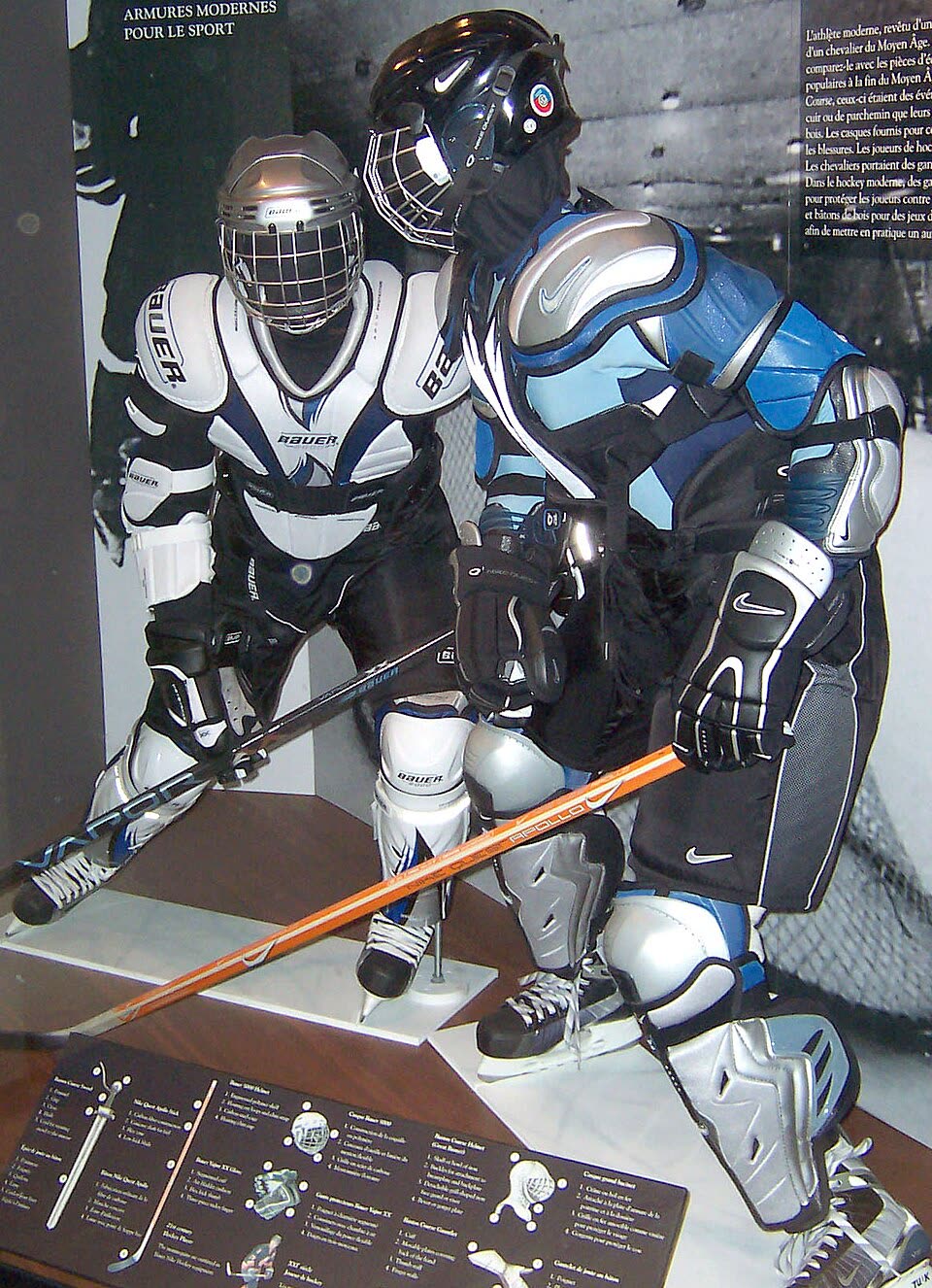
For typical ice or roller hockey, the essential kit usually includes:
- Helmet with cage or visor
- Skates
- Gloves
- Stick
- Shoulder pads
- Elbow pads
- Shin guards
- Hockey pants (shell/girdle or padded pants)
- Protective cup and jock/shorts
- Neck guard (often required for youth; situation-dependent for adults)
- Socks and jersey
Multiple beginner equipment guides highlight helmet, skates, gloves, and stick as the starting core,including RinkStop’s overview, but they consistently treat helmet and skates as the pieces you should get right first.
Where you should prioritize new, well-fitted gear:
- Helmet: Editorial safety guides recommend buying helmets new, checking for relevant safety labeling, and replacing them after a few years of use or any significant impact.Safety-focused advice also stresses inspecting padding and shell regularly. That makes used helmets a poor value: you can’t easily see age, impact history, or internal degradation.
- Skates: Fit around the heel and ankle is central to control and comfort. Guides such as RinkStop’s fitting tutorials emphasize a snug heel lock, correct length, and proper support to avoid pain and instability.RinkStop’s fit guide notes that skate sizing often differs from street shoes, which is another reason in-person fitting is recommended.
For pads and shells, the risk profile is lower but still real:
- Shoulder, shin, and elbow pads can often be bought in budget lines or gently used, as long as straps are intact, padding isn’t crushed flat, and plastic caps aren’t cracked.
- Cheaper gear is generally considered fine for beginners; price-tier comparisons show that more expensive lines mainly improve weight, breathability, and durability rather than basic protection.Ice Warehouse’s overview frames high-end gear as targeted at frequent or advanced players.
Quick scenario: budget beginner vs mid-range beer-league setup
- Budget beginner: New entry-level helmet and skates from a hockey shop; used shoulder/elbow/shin pads, pants, and gloves from a secondhand platform or local pro shop; one mid-range stick from a big-box chain; basic jock, socks, and jersey from general marketplaces or discount sites.
- Mid-range beer-league player: New mid-tier helmet and skates professionally fitted; mid-range pads and pants (new or lightly used); 1-2 mid/high-flex sticks bought online after testing in-store; higher-quality gloves for comfort.
In both scenarios, the priority doesn’t change: helmet and skates are non-negotiable, everything else is where you balance budget and comfort.
Comparing Ways to Shop: Local Shops, Big-Box, Online, Marketplaces, and Used Gear
You’ll usually get the best value by mixing store types rather than buying everything in one place. Here’s how common channels line up for hockey equipment:
| Gear type | Best primary channel(s) | Why it works well |
|---|---|---|
| Helmet & skates | Local hockey shop, specialty retailer | Staff expertise, heat molding for skates, ability to try multiple fits |
| Sticks | Hockey shop + online hockey retailers | Test flex/curve in person, then find deals/specific models online |
| Pads & pants | Big-box, online hockey retailers, used gear | Wide price range; fit is forgiving; used can be fine if undamaged |
| Gloves | Local shop or big-box, then online | Feel and hand fit matter; once size/brand known, cheaper online buys |
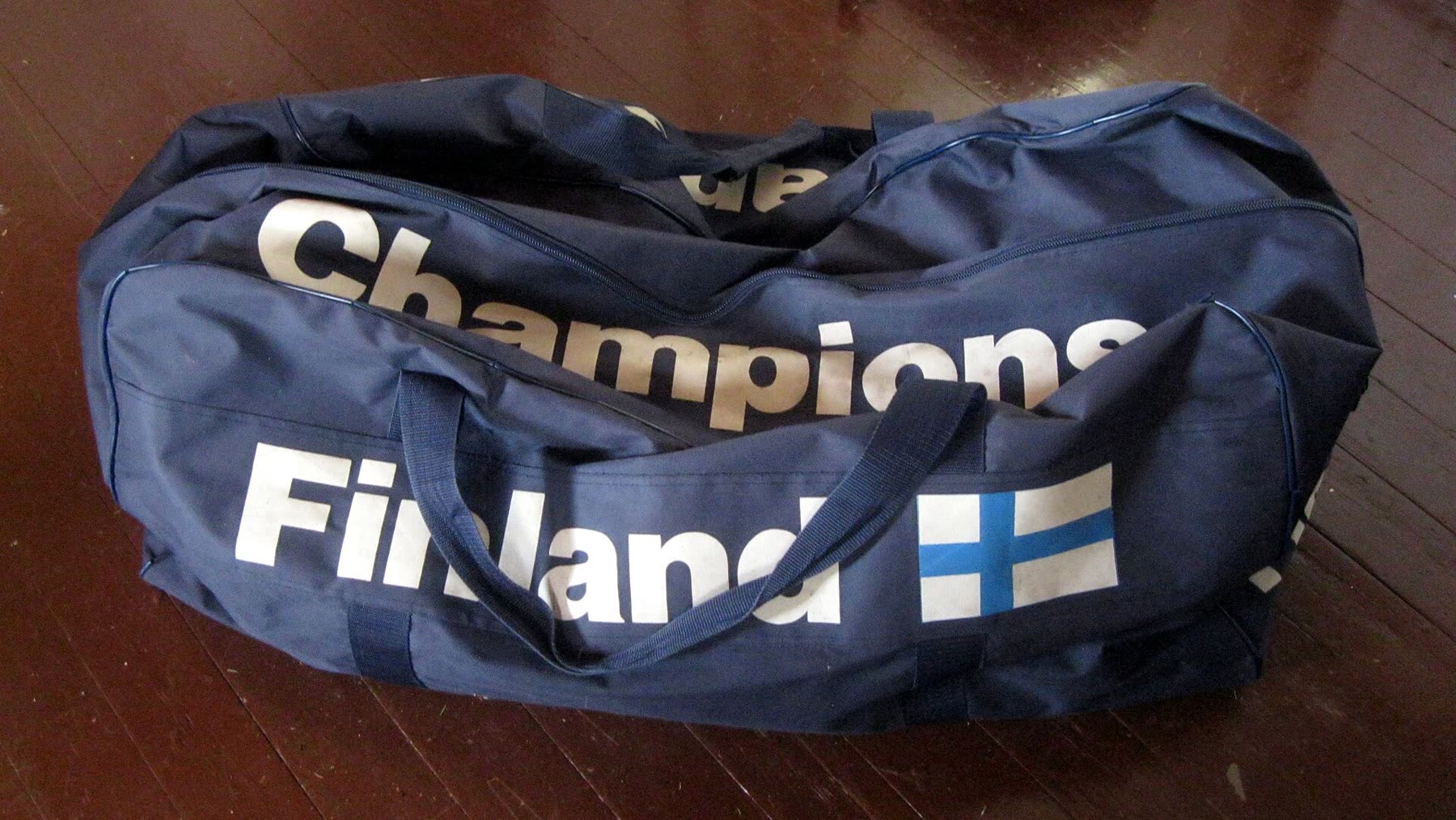
| Practice jerseys, socks, bag | Big-box, online marketplaces (incl. DHgate) | Low safety risk; many generic options and designs |
Specialty hockey shops are widely recommended for new adult players. Guides for beginners point to local pro shops as the best starting point, because staff often play themselves and can explain level-appropriate gear and help with fitting.New to Hockey’s guide makes this point directly.
Big-box sporting goods chains and hockey-focused e-commerce sites (for example, the hockey section at Dick’s Sporting Goods) offer broad selection and frequent promotions on mainstream gear. You’ll see entry through advanced lines for most items, which helps when you’re targeting a specific budget.
For used gear, many players use local pro shops’ secondhand racks, online gear resale platforms, or community boards. Editorial used-gear guides recommend focusing on items where you can visibly inspect for damage: pads, pants, gloves, and sometimes sticks, while avoiding used helmets and badly broken-in skates.
General online marketplaces (including DHgate, eBay, and similar platforms) are most sensible for low-risk items: bags, jerseys, socks, tape, and accessories, or occasionally lower-level sticks if you already know your flex and curve. Cross-border listings may offer appealing prices but typically lack the in-person fit and brand support that helmet and skate purchases benefit from.
How to Evaluate Quality, Fit, and Risk When Buying Hockey Gear Online
If you’re ordering gear from a US online retailer or a cross-border marketplace, you’ll need to translate in-person checks into specific steps.
1. Nail the sizing and fit details
Editorial guides stress using brand-specific sizing charts for each item, not guessing by your street shoe or T-shirt size.RinkStop’s equipment guide highlights:
- Skates: Check the recommended conversion from your shoe size, then focus on heel and ankle fit. A properly sized skate should lock your heel without crushing your toes.
- Sticks: Look at flex (often a number like 75, 85, 95) and curve pattern. Many player guides suggest matching flex to your weight and strength, and choosing a curve suited to your shot preference; this becomes easier if you’ve tried similar sticks in-store.
- Pads: Compare your height, weight, and limb measurements with the brand chart. If you’re between sizes, many players choose the smaller pad for better mobility, as long as coverage remains complete.
Cross-border orders, especially from general marketplaces, can use different sizing conventions. Treat any non-standard chart as a flag to double-check measurements, read size-related reviews, and accept that returns may be more cumbersome.
2. Run safety and build-quality checks
Especially online, look closely at how gear is constructed:
- Helmet: Confirm it’s marketed as hockey-specific and shows appropriate safety testing information in the photos or description. Avoid listings that look like generic “sports helmets” with no clear labeling.
- Skates: Look at close-up images of the boot stitching and holder/rivet area. Frayed stitching, poorly aligned holders, or vague product descriptions are all warning signs.
- Pads and gloves: Scan for clear photography of high-wear areas (elbow caps, shin knee area, glove palms). If the seller avoids close-ups or doesn’t mention materials at all, that’s a risk indicator.
Best-practice advice from safety-focused guides recommends inspecting all protective gear regularly and replacing anything with cracked hard shells, compressed foam, or failed straps.HockeyGrl’s equipment guidance suggests treating big impacts and visible damage as replacement triggers, which is especially relevant if you buy used or lower-cost gear.
3. Use reviews and policies with hockey-specific questions
Instead of generic “good seller” checks, look for hockey-specific feedback:
- Do reviewers mention fit being true to common hockey brands or running small/large?
- Are players using the gear in the same context as you (adult beginners, youth travel, recreational league)?
- For sticks, do reviews call out flex accuracy and durability over a season?
Before buying from any online marketplace (including DHgate or others), read the listing carefully to see:
- Whether the seller is clear about sizing, materials, and whether the item is new or used.
- How they describe delivery expectations and how you would initiate a return if the item doesn’t match the description.
Because platform-wide policies can change and vary by seller, treating these as listing-by-listing questions keeps your decision grounded instead of assuming every marketplace handles issues the same way.
4. Try in-store before buying online when possible
A practical hybrid approach many players use:
- Visit a local hockey shop to get fitted for helmet, skates, and at least one stick.
- Keep notes or photos of brands, models, and sizes that felt right.
- Use those notes to search online hockey retailers, big-box chains, or marketplaces for deals on the same or very similar gear.
That way, you keep the in-person fit and safety benefits for critical pieces, but still tap into the price and selection advantages online for backups, practice gear, and lower-risk accessories.
If you’re building a first kit, a good practical next step is to book a fitting at a nearby pro shop for helmet and skates, then make a list of what you’re comfortable buying budget or used: likely pads, pants, jersey, socks, and bag. From there, you can compare prices across a mix of local shops, hockey-specific sites, big-box retailers, and marketplaces like DHgate to fill in the non-critical pieces without compromising safety.